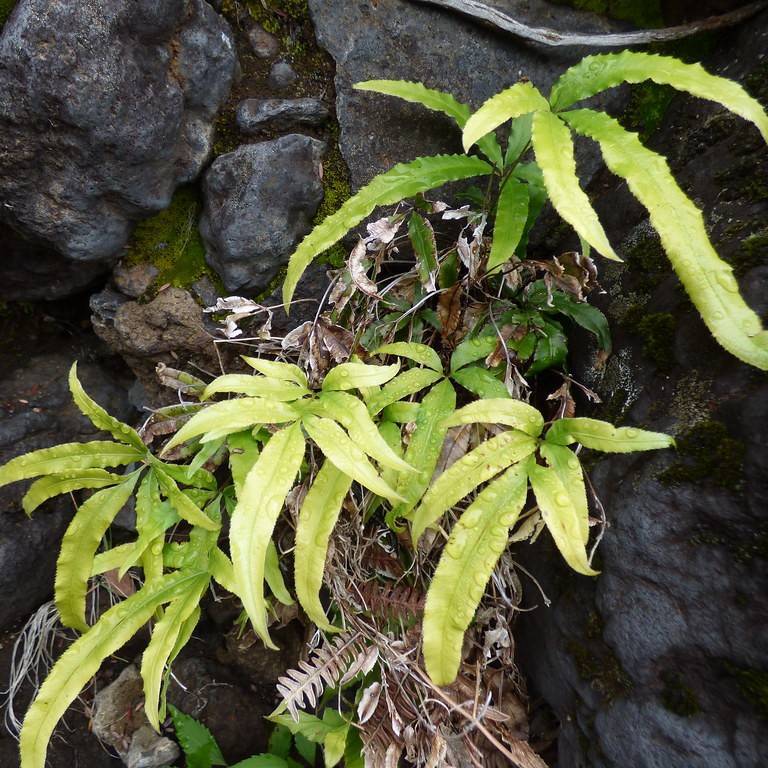
Cretan Brake
Pteris cretica
Overview
Cretan Brake is a versatile evergreen fern that forms neat, dense clumps of arching, pinnate fronds, often with creamy-white variegation along the central rib of leaflets in popular cultivated varieties. It thrives in shaded, humid environments, making it a staple of indoor houseplant collections and a reliable ground cover for frost-free shaded garden beds. Unlike many ferns, it tolerates occasional periods of dry soil and lower humidity, contributing to its reputation as a hardy, beginner-friendly fern species.
Care Guide
Watering
Water Cretan Brake when the top 1 inch of soil feels dry to the touch, aiming to keep the root zone consistently moist but never waterlogged to prevent root rot. Reduce watering frequency in winter when plant growth slows, allowing the top 2 inches of soil to dry out between waterings to avoid over-saturating dormant roots. Use room-temperature, filtered or rainwater if possible to avoid leaf tip burn from chlorine and fluoride in tap water.
Light
Provide Cretan Brake with bright, indirect light, such as that from a north or east-facing window, to support healthy frond growth and maintain variegation in patterned varieties. Avoid direct, intense midday sun, which will scorch delicate fronds and cause unsightly brown edges or bleached discoloration. It can tolerate low light conditions for short periods, but extended low light will lead to sparse, leggy growth and faded variegation.
Soil
Plant Cretan Brake in a light, well-draining, peat-free potting mix amended with perlite or orchid bark to improve aeration and retain moderate moisture without compacting. A slightly acidic to neutral pH range of 6.0 to 7.0 is ideal for healthy root development and nutrient uptake. Avoid heavy, clay-heavy garden soils which hold excess moisture and can quickly lead to root rot in potted or garden-planted specimens.
Fertilizer
Feed Cretan Brake with a balanced, diluted liquid houseplant fertilizer (10-10-10 NPK) once every 4 to 6 weeks during the active growing season from spring to early fall. Do not fertilize in winter when the plant is dormant, as excess unabsorbed nutrients will build up in the soil and burn delicate root systems. Flush the soil with plain water every 3 months during the growing season to remove accumulated fertilizer salts.
Temperature
Cretan Brake prefers average indoor temperatures between 60°F and 75°F (15°C to 24°C) for optimal, consistent growth. It can tolerate brief dips down to 50°F (10°C), but prolonged exposure to temperatures below this threshold will cause frond damage and stunted growth. Keep plants away from cold drafts from windows, air conditioners, and hot, dry air from heating vents to prevent stress.
Pruning
Prune Cretan Brake as needed by cutting back yellowed, browned, or damaged fronds at their base using clean, sharp pruning shears to maintain a tidy appearance and encourage new, healthy growth. Remove any spent or dying fronds in early spring before the new flush of growth emerges to improve air circulation around the center of the clump. Avoid cutting more than 30% of the plant’s fronds at one time to prevent shocking the fern.
Propagation
The most reliable method to propagate Cretan Brake is by division of established clumps in early spring, carefully separating the root ball into smaller sections each with at least 3 to 4 healthy fronds and an intact portion of the rhizome before repotting. It can also be grown from spores collected from mature fronds, though this method is slower and less practical for home growers than division. Allow newly divided plants to establish in warm, humid conditions with bright indirect light for 4 to 6 weeks before resuming regular care.
Humidity
Cretan Brake thrives in moderate to high humidity levels between 50% and 70%, which supports lush, vibrant frond growth and prevents dry leaf tips. Increase humidity around indoor plants by placing the pot on a pebble tray filled with water, grouping it with other moisture-loving plants, or using a small room humidifier, especially during dry winter months when indoor heating lowers ambient humidity. It tolerates average household humidity levels around 40% better than many other fern species, but extended periods of low humidity will lead to browned leaf edges.
Repotting
Repot Cretan Brake every 2 to 3 years in early spring, or when roots begin to grow out of the drainage holes at the bottom of the pot, indicating the plant has become root-bound. Choose a pot that is 1 to 2 inches larger in diameter than the current container, with ample drainage holes to prevent excess water retention. Avoid repotting during the dormant winter season, as the plant will not recover as quickly from root disturbance.
Uses & Symbolism
Cretan Brake is widely grown as a low-maintenance houseplant, adding soft, textural greenery to shaded indoor spaces such as offices, bathrooms, and living areas. In frost-free USDA zones 9 through 11, it is planted as a dense, evergreen ground cover for shaded garden beds, woodland gardens, and underplanting below larger shrubs. It is also a popular choice for terrariums and shaded container gardens, as its compact clumping growth habit does not outgrow small spaces quickly.
Diseases & Pests
Cretan Brake is relatively pest-resistant, but can be affected by common houseplant pests such as aphids, spider mites, and mealybugs, which tend to colonize the undersides of fronds in dry, poorly ventilated conditions. Overwatering and poorly draining soil are the most common causes of root rot, a fungal disease that leads to yellowing fronds, wilting, and eventual plant death if left unaddressed. Low humidity and exposure to direct sun can cause cosmetic damage such as brown leaf tips and frond scorch, which does not spread but detracts from the plant’s appearance.
Related plants
Other plants you might like if you grow Cretan Brake.
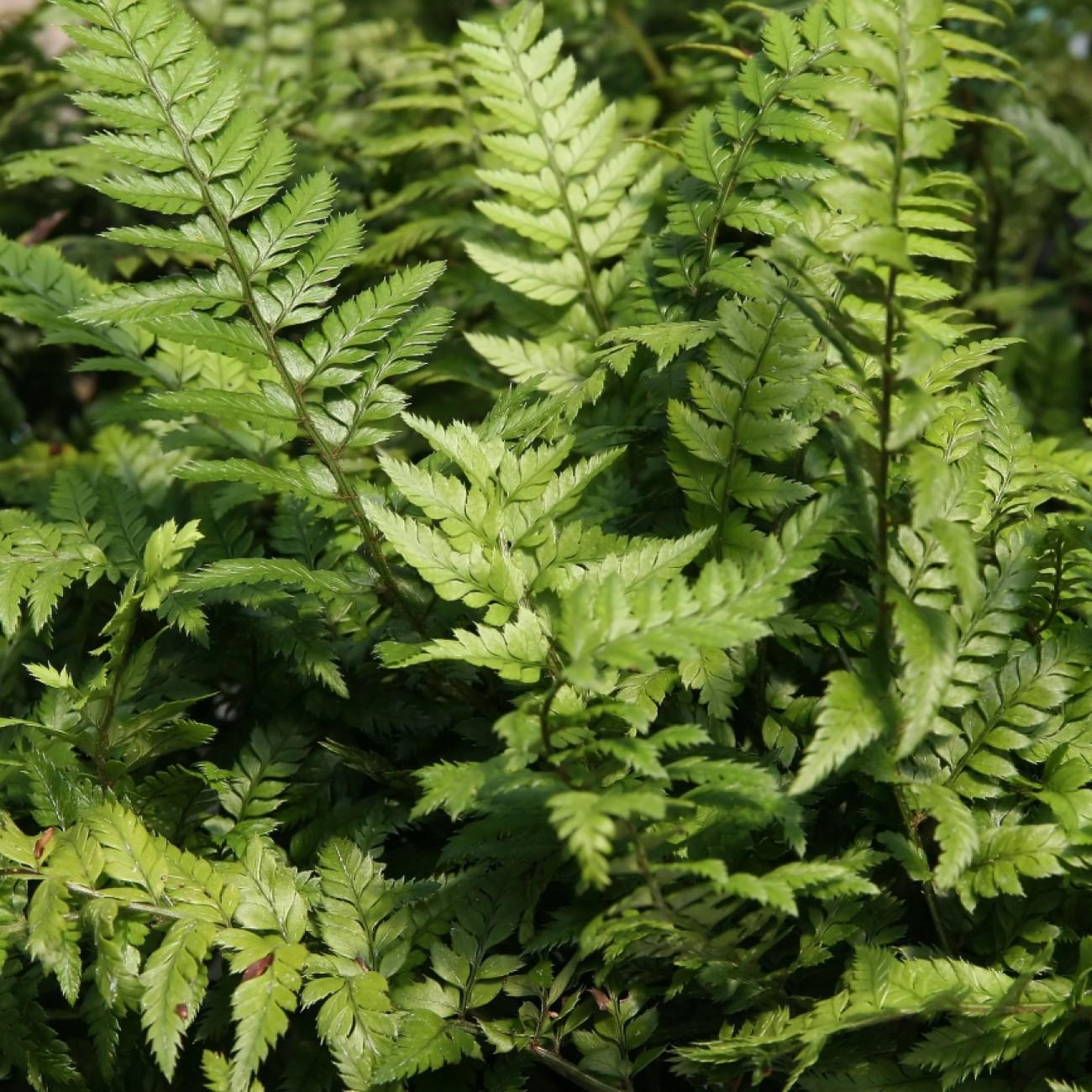
Korean Rock Fern
Polystichum tsus-simense
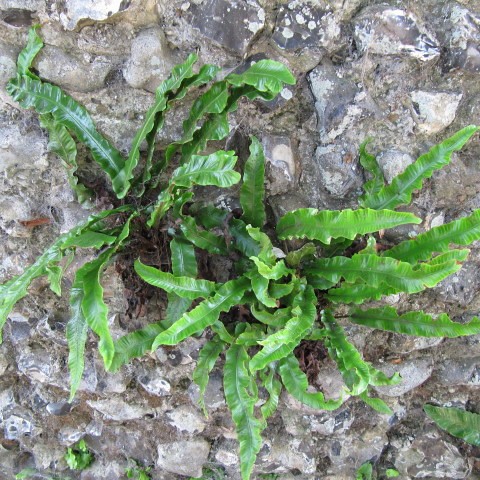
European Hart's Tongue Fern
Asplenium scolopendrium
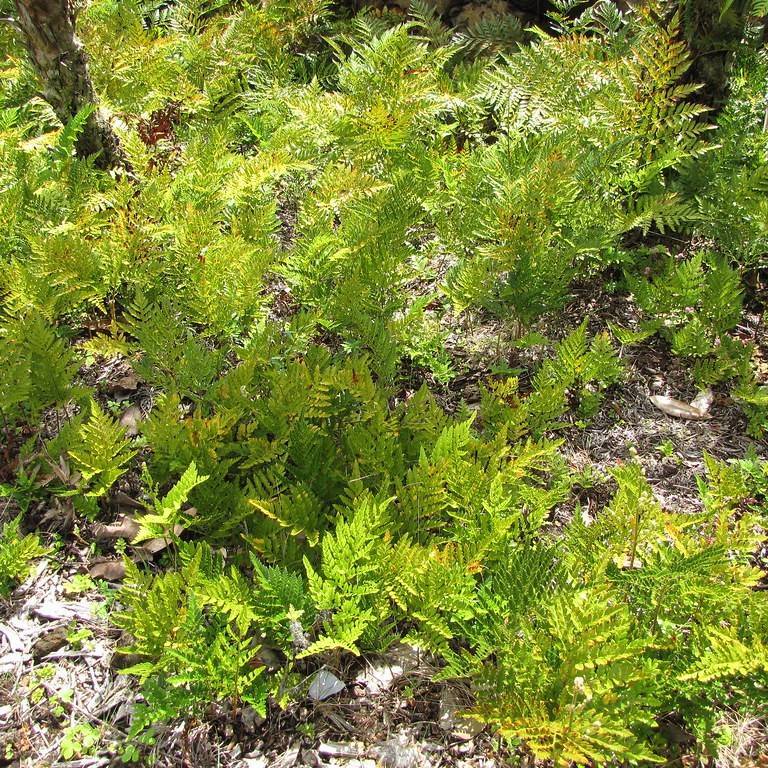
Leather Fern
Rumohra adiantiformis
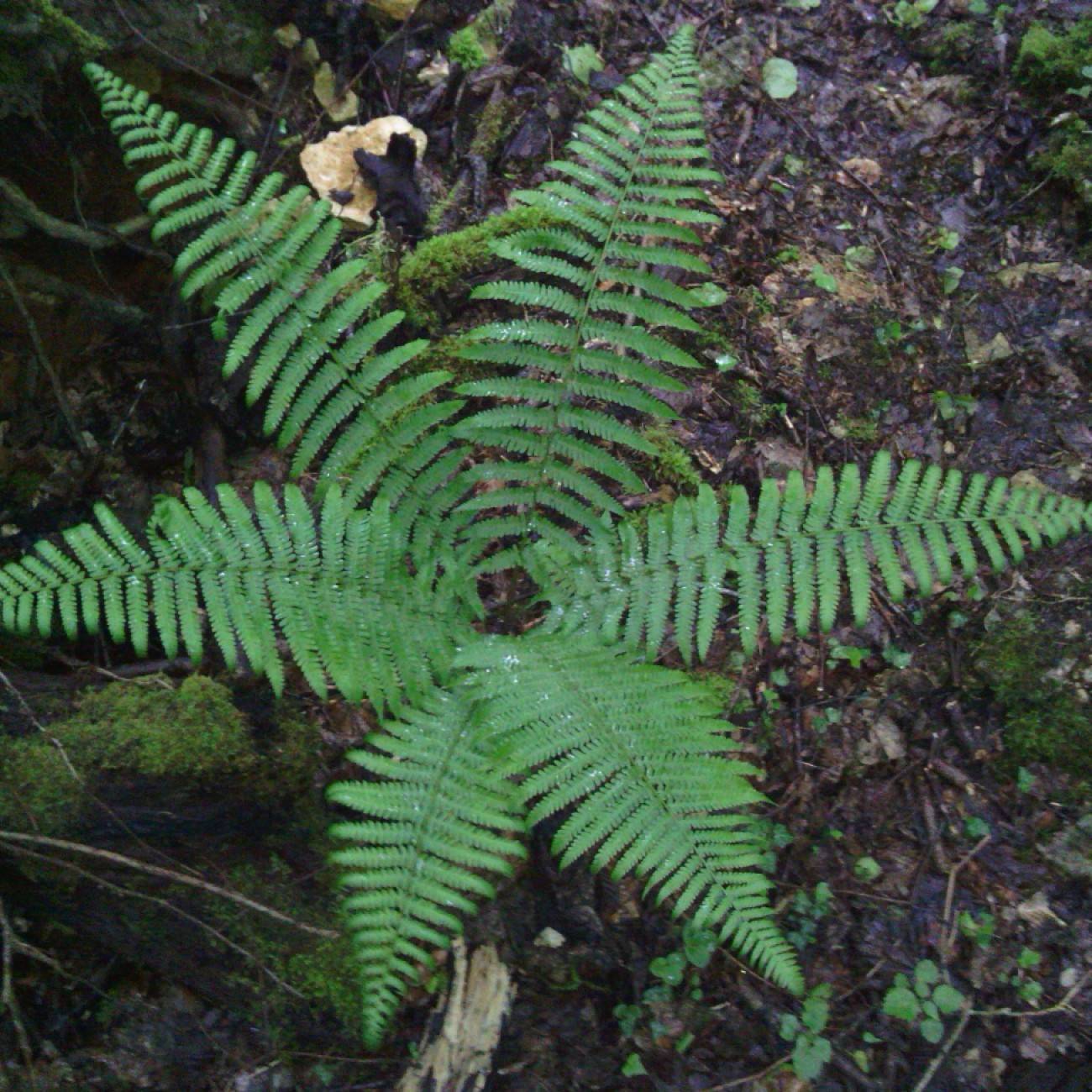
Dwarf Holly Fern
Cyrtomium falcatum 'Rochfordianum'
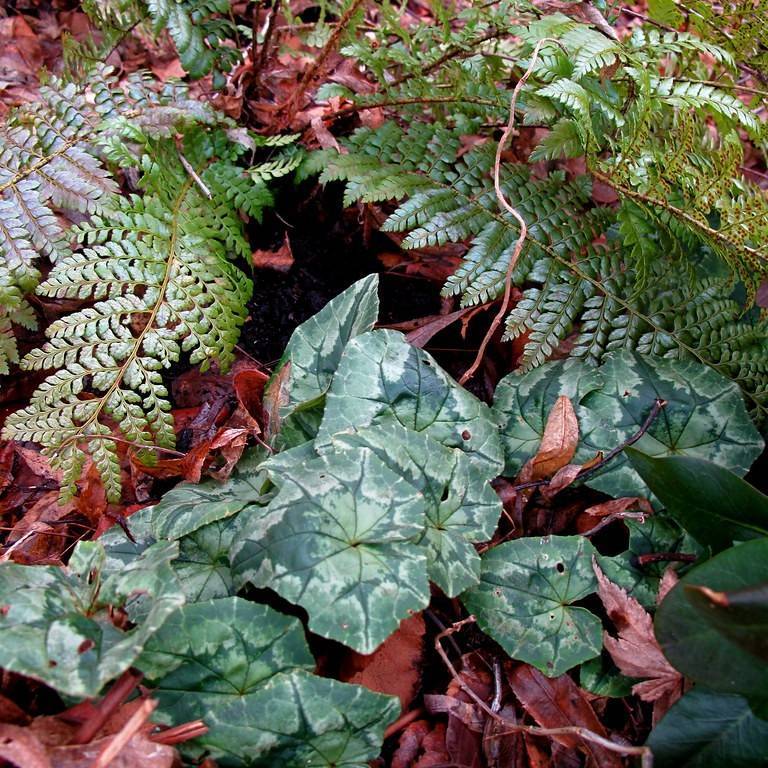
Dyce S Holly Fern
Cyrtomium fortunei 'Dycei'
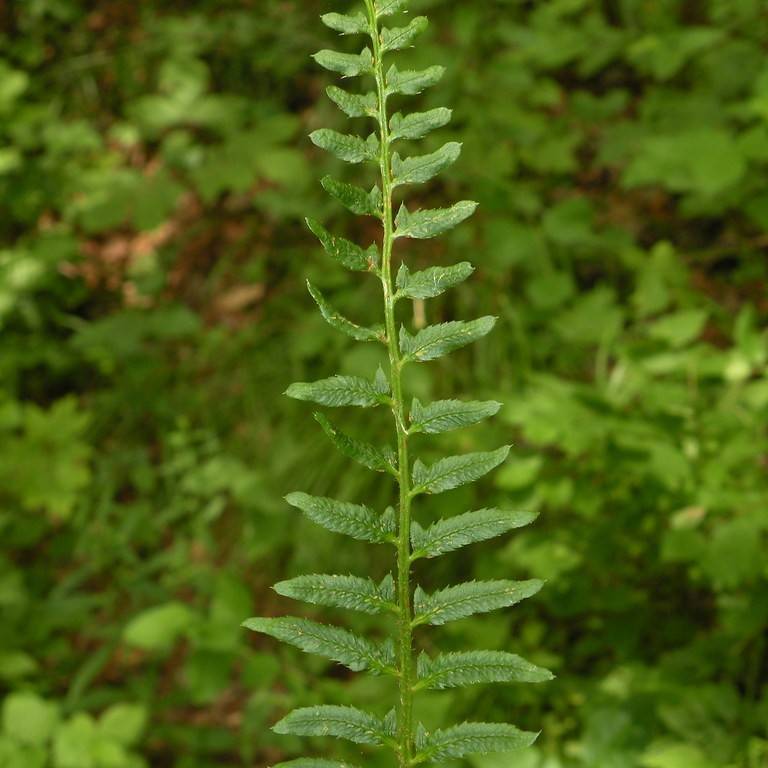
Christmas Fern
Polystichum acrostichoides
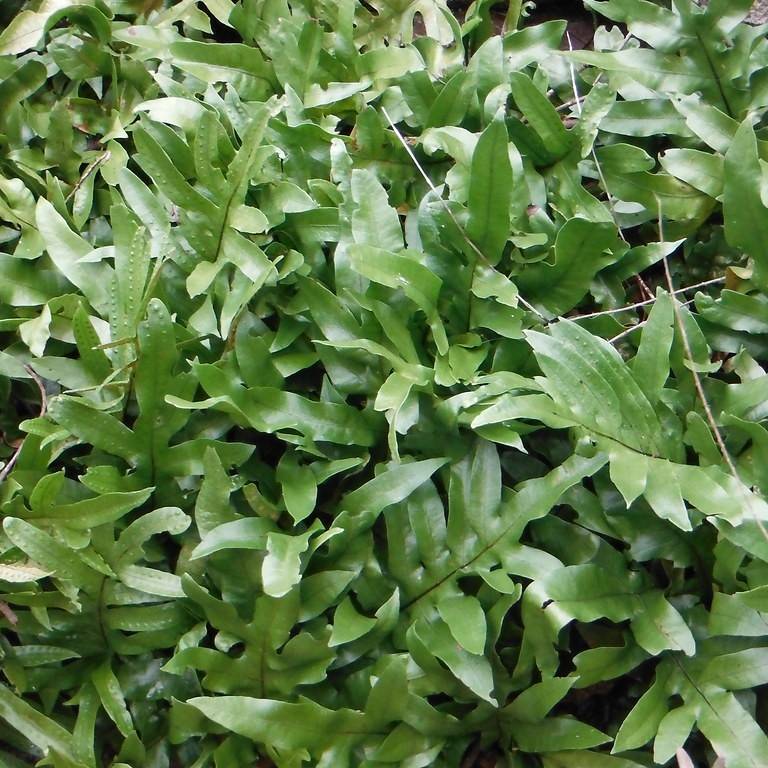
Kangaroo Fern
Microsorum pustulatum
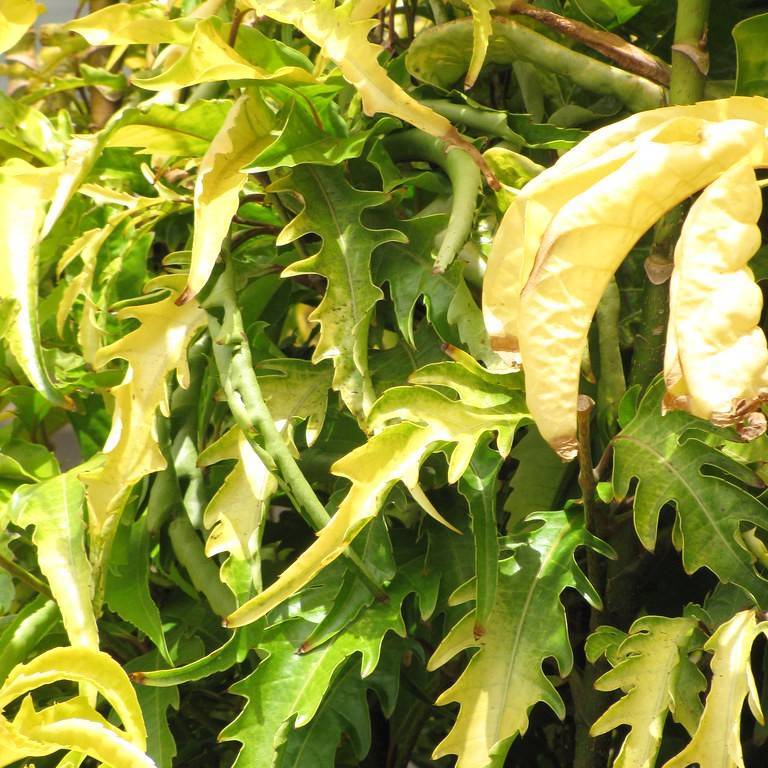
Fern Leaf Aralia
Polyscias filicifolia