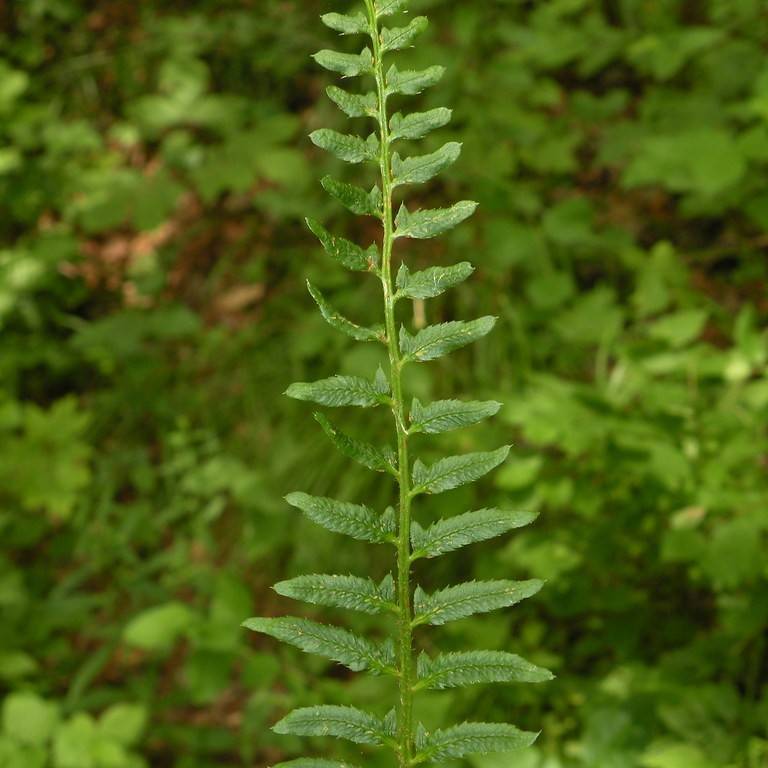
Christmas Fern
Polystichum acrostichoides
Overview
Christmas fern is a clumping, evergreen fern distinguished by its leathery, dark green, pinnate fronds that grow in neat, vase-shaped clusters. Its common name derives from the fact that its fronds remain vibrant green throughout the Christmas holiday season in much of its native range, making it a popular seasonal decoration for early settlers. It is adapted to the cool, moist understory of deciduous forests, where it forms dense groundcover that suppresses weed growth and prevents soil erosion on sloped sites.
Care Guide
Watering
Keep soil consistently moist but not waterlogged, especially during the first growing season as the plant establishes its root system. Reduce watering slightly in winter, but never allow the root ball to dry out completely, as prolonged drought will cause frond browning. Mature plants have moderate drought tolerance, but perform best with regular moisture during dry spells.
Light
Thrives in partial to full shade, and can tolerate deep shade in cooler climates. Avoid prolonged exposure to direct midday sun, which will scorch fronds and cause yellowing. Dappled sunlight under deciduous trees is ideal, mimicking its native forest understory habitat.
Soil
Prefers rich, well-drained, loamy soil with a slightly acidic to neutral pH between 5.0 and 7.0. Amend heavy clay soils with compost or leaf mold to improve drainage, as standing water will cause root rot. The addition of organic matter also mimics the leaf litter layer of its native woodland environment, supporting healthy root growth.
Fertilizer
Fertilize sparingly in early spring with a slow-release, balanced 10-10-10 fertilizer, or top-dress with a 1-2 inch layer of compost or well-rotted leaf mold. Over-fertilization will cause excessive, weak frond growth and can burn sensitive root systems, so avoid applying fertilizer during hot summer months or winter dormancy.
Temperature
Hardy in USDA zones 3 to 9, tolerating winter temperatures as low as -40°F (-40°C) without protection. It prefers cool, mild temperatures between 60 and 75°F (15 to 24°C) during the active growing season, and can tolerate short periods of warmer weather if kept shaded and adequately watered. Evergreen fronds may suffer minor browning in severe, unprotected winter winds, but new growth will emerge undamaged in spring.
Pruning
Remove any brown, damaged, or dead fronds in late winter or early spring before new fiddleheads emerge, to improve air circulation and encourage fresh growth. Avoid cutting back healthy green fronds, as they provide the plant with energy year-round and protect tender new growth from frost damage. No regular pruning is required beyond occasional removal of unsightly fronds to maintain a neat appearance.
Propagation
Most easily propagated by dividing established clumps in early spring just as new growth begins, or in early fall before cool weather sets in. Carefully dig up the root ball, separate it into smaller sections with at least 3-5 healthy fronds and a portion of the rhizome, and replant immediately at the same depth as the original plant. It can also be grown from spores, but this method is slow and requires consistent moisture and sterile conditions, making it impractical for most home gardeners.
Humidity
Prefers moderate to high humidity levels between 50 and 80%, typical of its native forest understory habitat. It will tolerate average household humidity when grown as a houseplant, but benefits from occasional misting or placement on a pebble tray filled with water to raise ambient humidity. Low humidity will cause frond tips to brown, so avoid placing it near heating vents or drafty windows during winter.
Repotting
When grown as a houseplant, repot every 2-3 years in spring, moving to a pot only 1-2 inches larger than the current one to avoid excess soil moisture around the roots. Use a well-drained, peat-based potting mix amended with perlite or orchid bark to improve aeration and drainage. Take care not to bury the crown of the plant too deeply, as this can cause rot and inhibit new growth.
Uses & Symbolism
Christmas fern is widely used in shaded landscape beds, woodland gardens, and along slopes for erosion control, as its dense root system holds soil in place effectively. Its evergreen fronds are popular for use in cut flower arrangements and holiday wreaths, as they retain their color and texture for weeks after cutting. It is also planted in native pollinator gardens, as it provides shelter for ground-dwelling beneficial insects and serves as a host plant for the larvae of several moth species.
Diseases & Pests
Christmas fern is largely resistant to most pests and diseases, but can suffer from root rot if planted in poorly drained, waterlogged soil. Common pests include aphids, scale insects, and fern mites, which can be controlled with insecticidal soap or horticultural oil, or by rinsing fronds with a strong stream of water. Fungal leaf spot may occur in overly humid, poorly ventilated conditions, which can be managed by removing affected fronds and improving air circulation around the plant.
Related plants
Other plants you might like if you grow Christmas Fern.
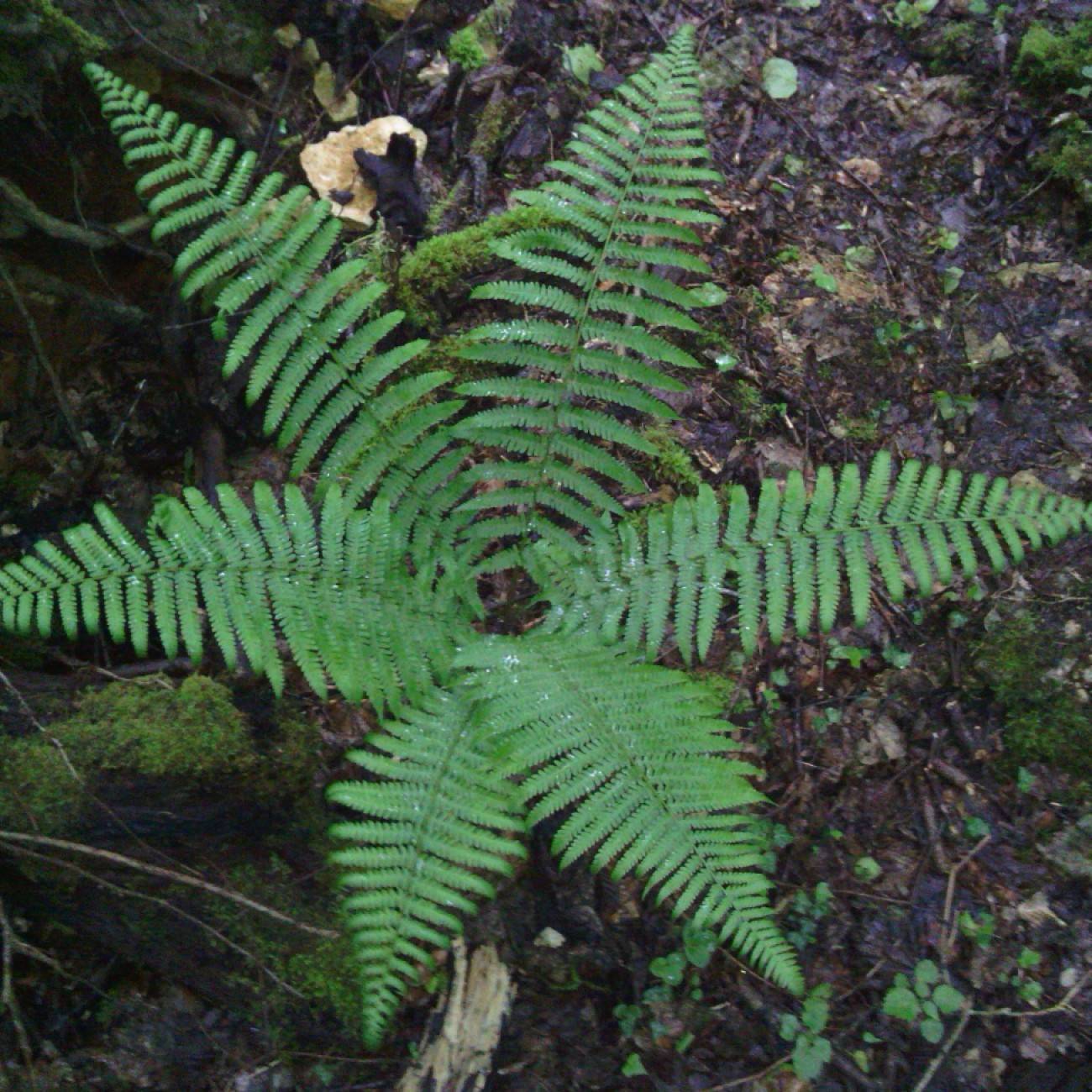
Dwarf Holly Fern
Cyrtomium falcatum 'Rochfordianum'
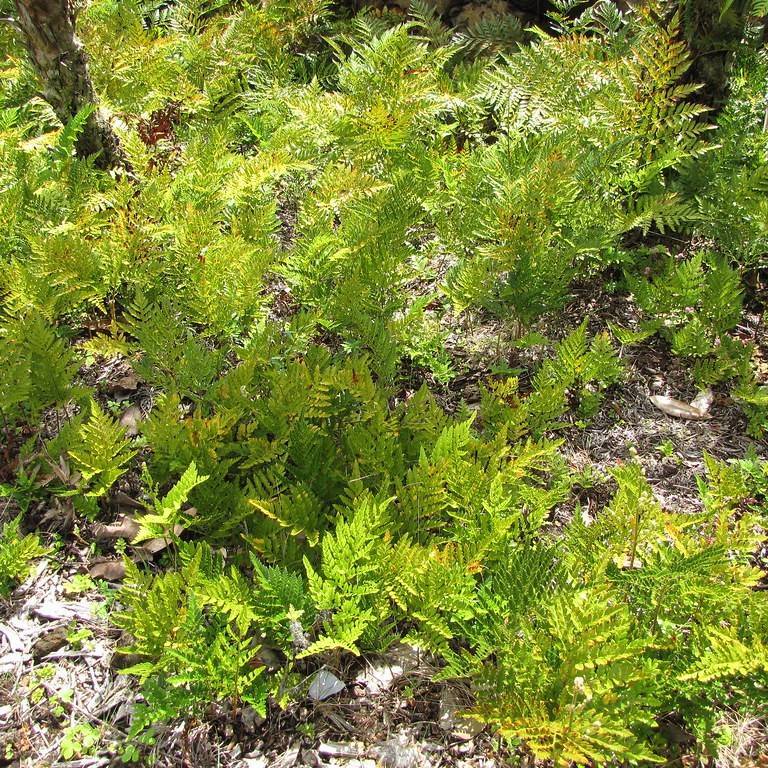
Leather Fern
Rumohra adiantiformis
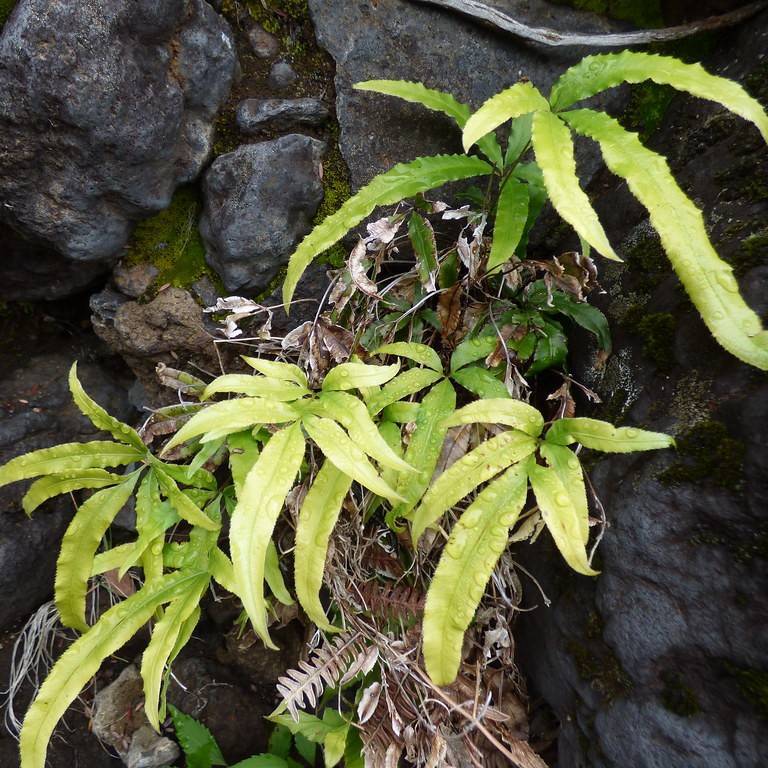
Cretan Brake
Pteris cretica
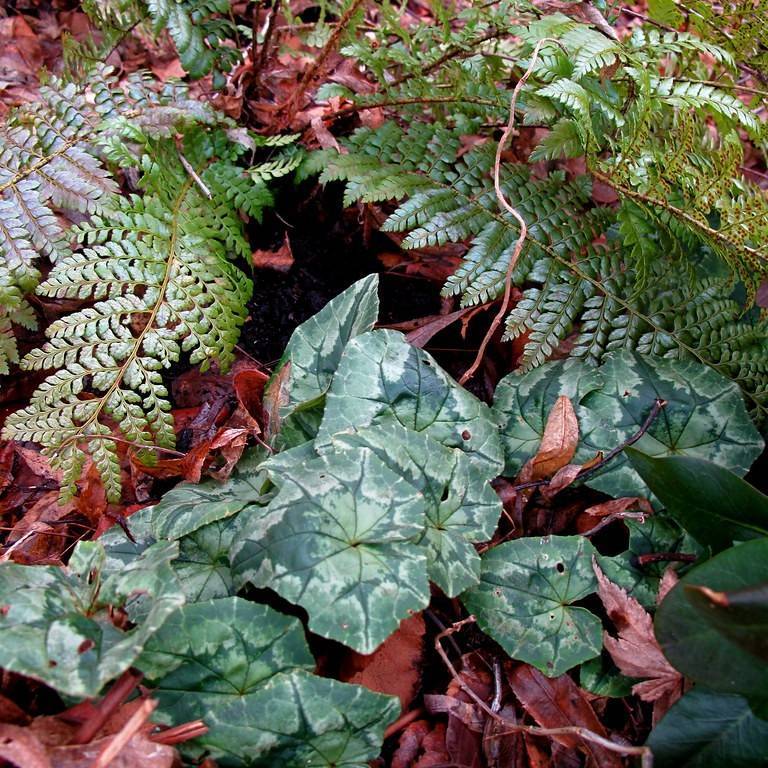
Dyce S Holly Fern
Cyrtomium fortunei 'Dycei'
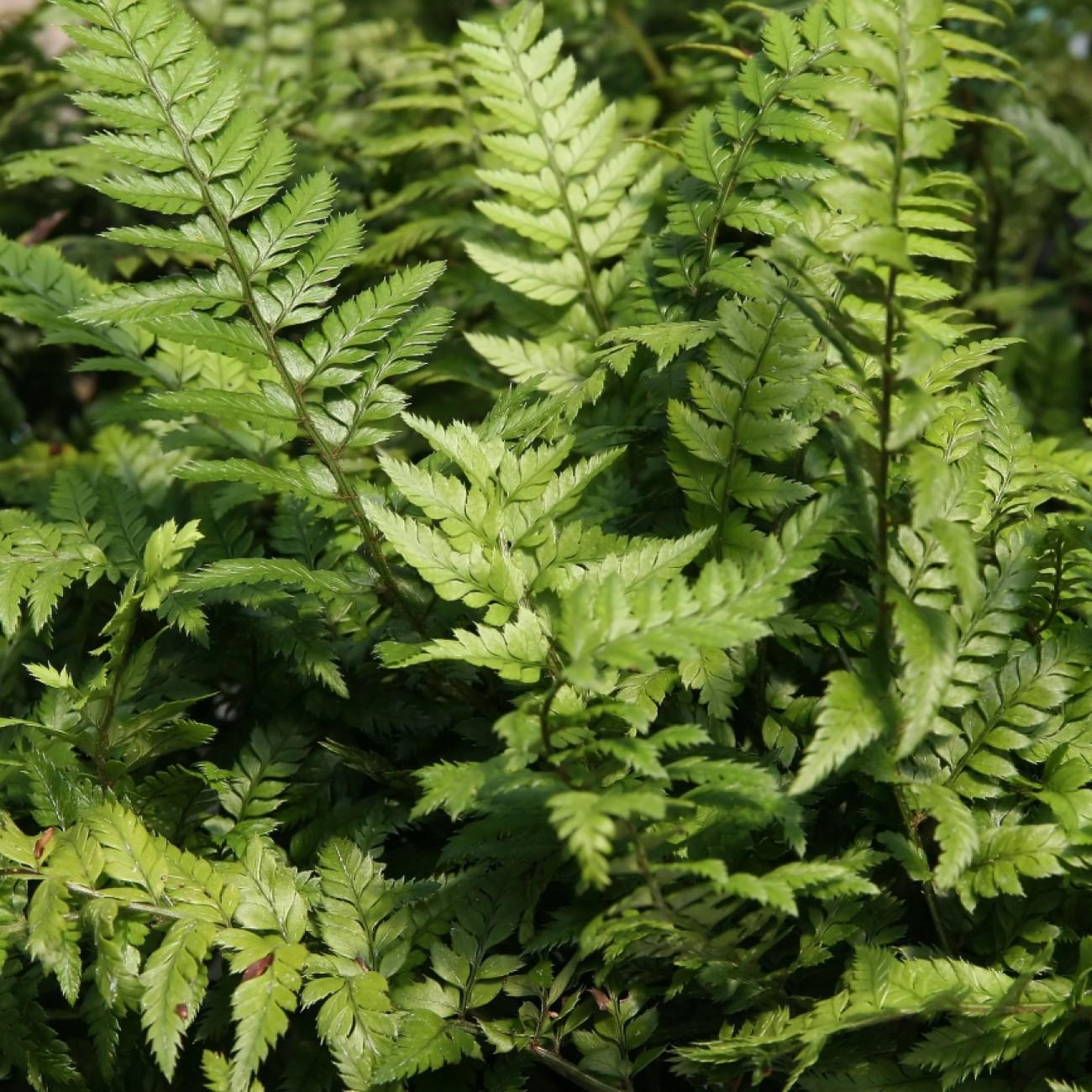
Korean Rock Fern
Polystichum tsus-simense
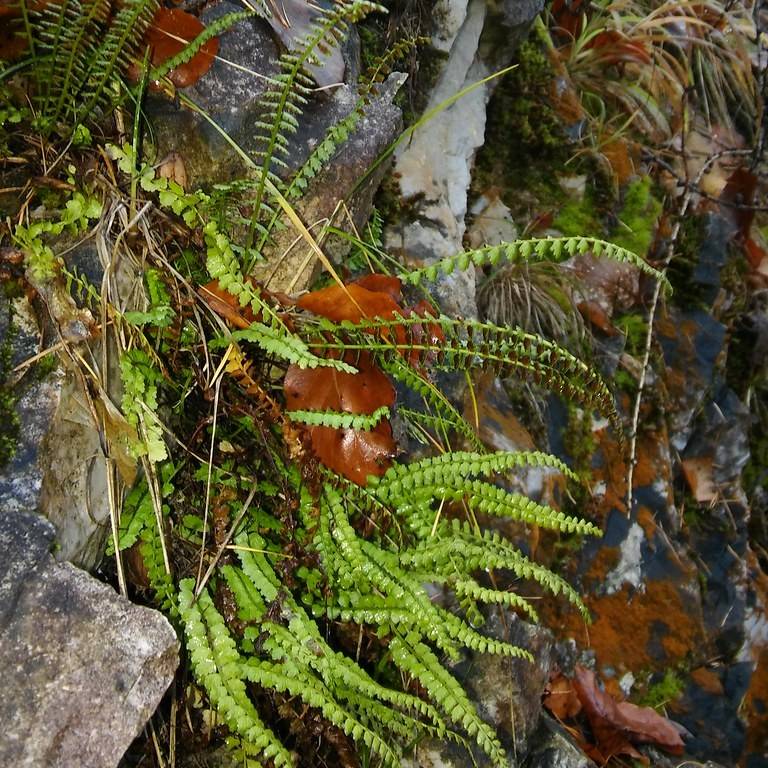
Green Spleenwort
Asplenium viride
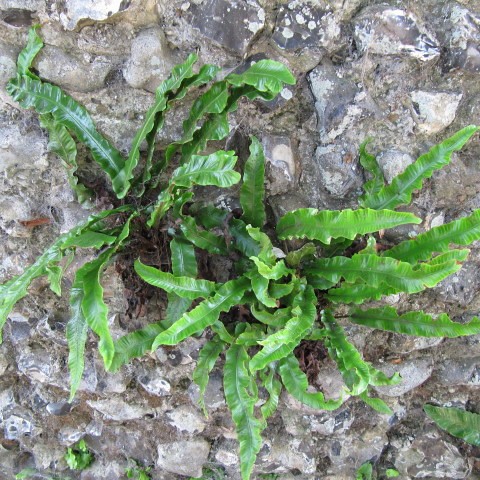
European Hart's Tongue Fern
Asplenium scolopendrium
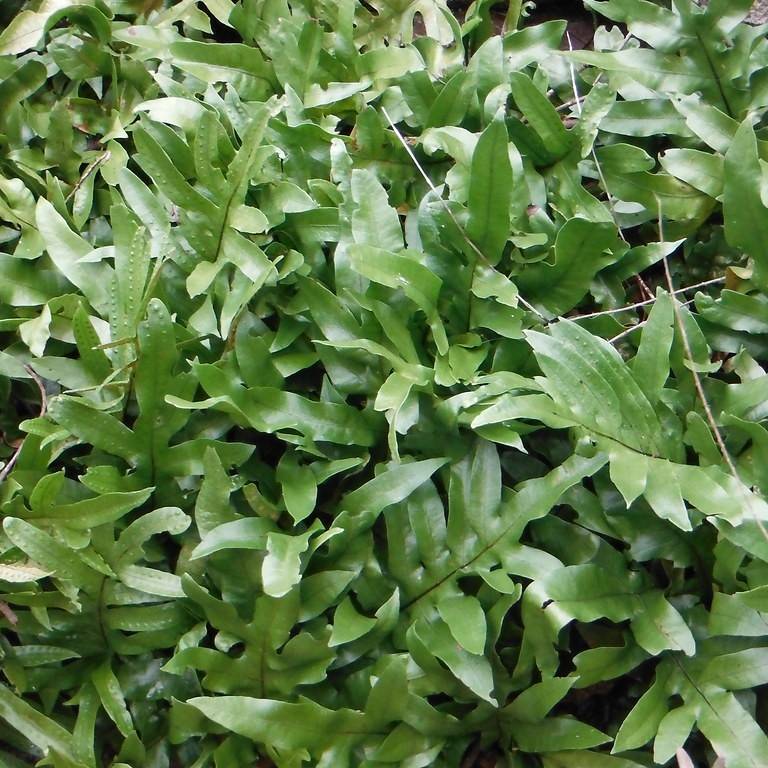
Kangaroo Fern
Microsorum pustulatum