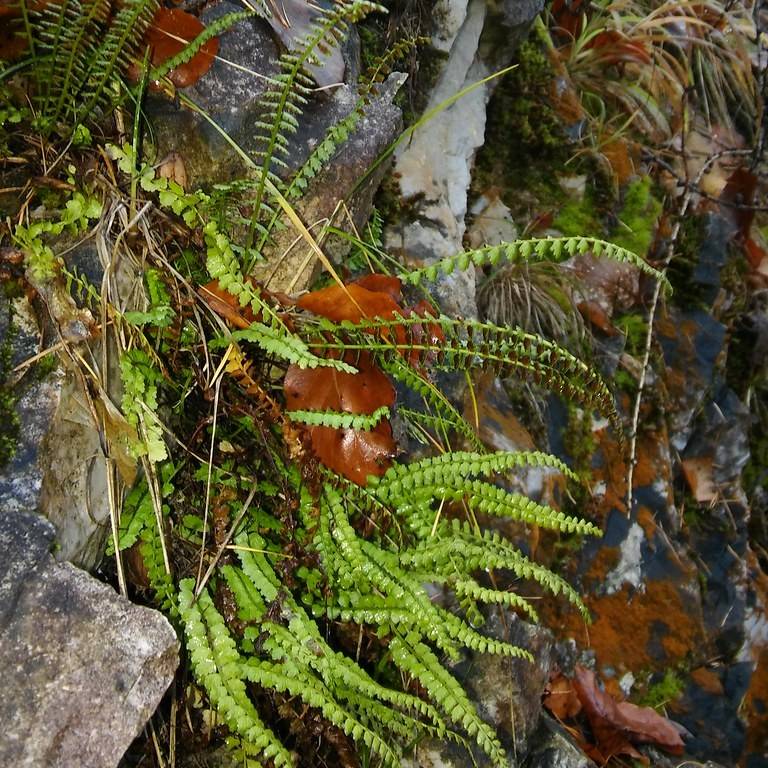
Green Spleenwort
Asplenium viride
Overview
Green spleenwort is a compact evergreen fern distinguished by its slender, creeping rhizomes and delicate, pinnately divided fronds that have a distinct dark, shiny stipe (leaf stalk). It naturally grows in crevices of limestone, slate, and other rocky substrates in cool, shaded forests, mountain slopes, and ravines across temperate northern regions. Unlike many related spleenworts, it thrives in cooler, moister conditions and is valued for its low, clumping growth habit that adds soft texture to shaded garden spots or terrarium setups.
Care Guide
Watering
Keep the soil consistently moist but never waterlogged, as soggy conditions can quickly cause root rot. Allow the top 1 inch of soil to dry out slightly between waterings, using rainwater or filtered water if possible to avoid mineral buildup on fronds. In winter, reduce watering frequency slightly to match slower growth, but never let the root ball dry out completely.
Light
Green spleenwort prefers bright, indirect light or dappled shade, as direct sunlight will scorch its delicate fronds and cause them to turn brown. Outdoors, plant it in full to partial shade under tree canopies or on north-facing rock walls. Indoors, place it near a north or east-facing window, or use a sheer curtain to filter light from a south or west-facing exposure.
Soil
This fern requires well-drained, humus-rich soil with a neutral to alkaline pH, mimicking its native rocky limestone habitats. A mix of equal parts potting soil, crushed limestone or garden lime, and perlite or coarse sand works well for potted specimens, as it provides both drainage and the alkaline conditions it prefers. Avoid heavy, acidic potting mixes designed for acid-loving plants, as these will inhibit healthy growth.
Fertilizer
Feed green spleenwort sparingly once every 4 to 6 weeks during the spring and summer growing season, using a balanced, water-soluble houseplant fertilizer diluted to half the recommended strength. Do not fertilize in fall and winter, when the plant enters a period of slower growth and excess nutrients can build up in the soil and damage roots. Over-fertilization will cause brown frond tips and stunted growth, so err on the side of underfeeding.
Temperature
Green spleenwort thrives in cool temperatures between 50-70°F (10-21°C), and can tolerate brief dips down to 20°F (-7°C) when planted outdoors in suitable hardiness zones. It struggles in temperatures above 75°F (24°C) for extended periods, so indoor specimens should be kept away from heat vents, radiators, and other sources of dry, warm air. In warmer climates, it will only survive if planted in consistently cool, shaded, well-ventilated spots.
Pruning
Prune away dead, yellowed, or brown fronds at the base of the stipe using clean, sharp scissors to maintain a tidy appearance and encourage new growth. Pruning is best done in early spring just before new fronds emerge, though damaged growth can be removed at any time of year. Avoid cutting into the central crown of the plant, as this can damage the growing point and kill the fern.
Propagation
Green spleenwort is most easily propagated by division of mature clumps in early spring, when the plant is just starting active growth. Carefully dig up or remove the plant from its pot, gently separate the rhizomes into sections with at least 3-4 healthy fronds and a portion of the root system attached, then replant each section in suitable soil. It can also be grown from spores collected from mature fronds, though this method is slow and requires consistent sterile, moist conditions to succeed.
Humidity
This fern prefers moderate to high humidity levels between 50-70%, as dry air will cause frond tips to turn brown and crispy. Indoor specimens benefit from regular misting with room-temperature water, placement on a pebble tray filled with water, or being kept in a humid room such as a bathroom or kitchen. In arid climates, running a small humidifier near the plant will help maintain the required humidity levels.
Repotting
Repot green spleenwort every 2-3 years in early spring, or when the roots have filled the current pot and are growing out of the drainage holes. Choose a pot that is only 1-2 inches larger in diameter than the current one, as excess soil can hold too much moisture and cause root rot. When repotting, gently loosen tightly bound roots and add fresh, alkaline potting mix around the root ball, taking care not to bury the central crown too deeply.
Uses & Symbolism
Green spleenwort is commonly grown as an ornamental plant in shaded rock gardens, alpine gardens, and crevice gardens, where its small size and tolerance for rocky substrates make it an ideal choice for filling gaps in stone walls and pathways. It is also a popular houseplant for cool, shaded rooms and closed terrariums, adding soft, delicate green texture to indoor plant displays. Historically, it was used in herbal medicine to treat spleen disorders, though this use is not supported by modern medical evidence.
Diseases & Pests
Green spleenwort is relatively pest and disease resistant when grown in suitable conditions, but can be susceptible to aphids, mealybugs, and scale insects that feed on the sap of young fronds, which can be treated with insecticidal soap or neem oil. Overwatering and poor drainage commonly lead to root rot, a fungal disease that causes yellowing fronds, wilting, and eventual death if not addressed quickly by repotting in fresh, dry soil. Low humidity and exposure to direct sunlight can cause physiological damage such as brown frond tips and scorched foliage, which can be prevented by adjusting the plant's placement and care routine.
Related plants
Other plants you might like if you grow Green Spleenwort.
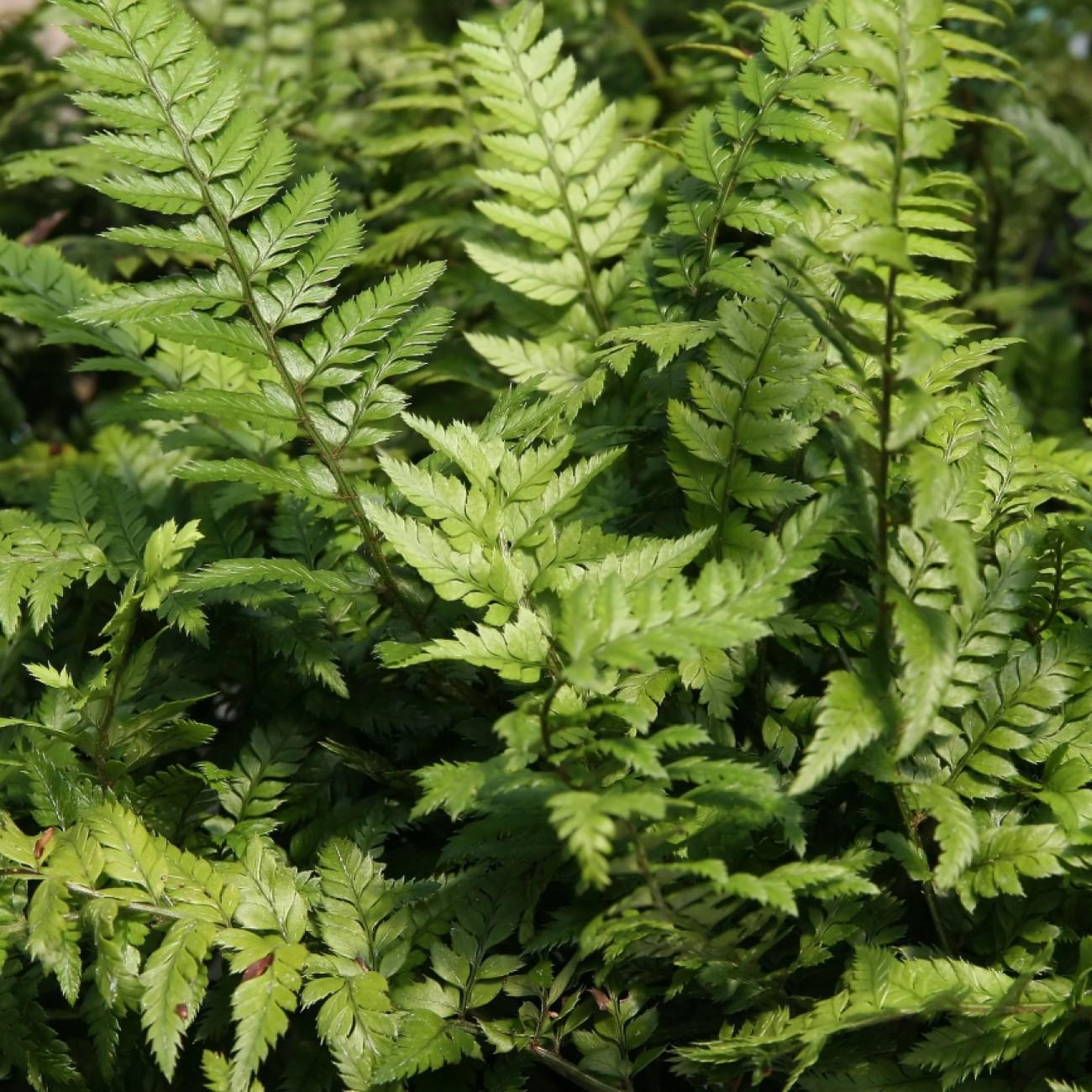
Korean Rock Fern
Polystichum tsus-simense
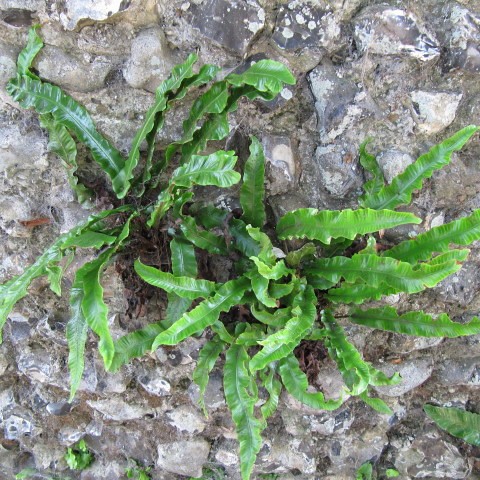
European Hart's Tongue Fern
Asplenium scolopendrium
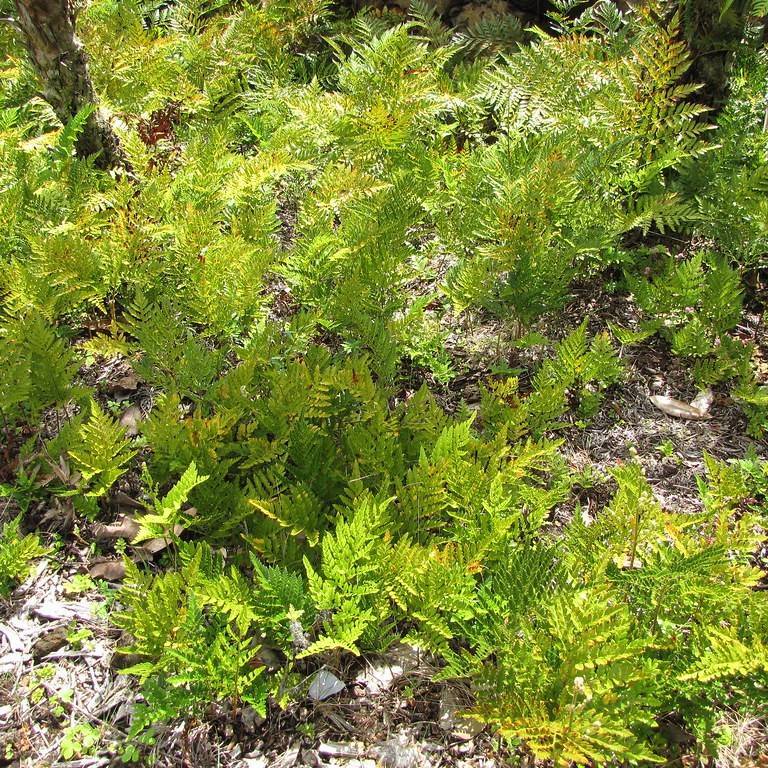
Leather Fern
Rumohra adiantiformis
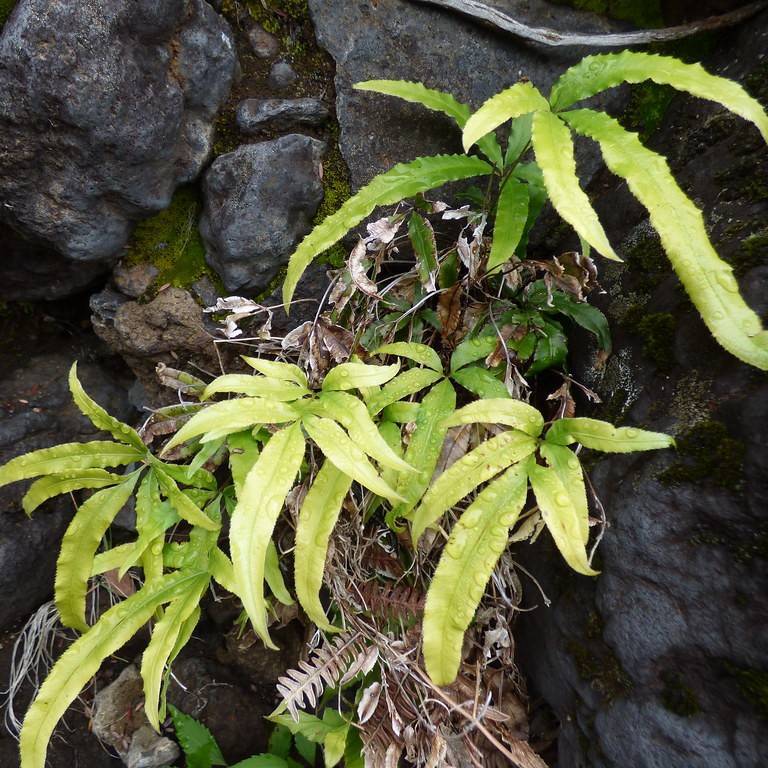
Cretan Brake
Pteris cretica
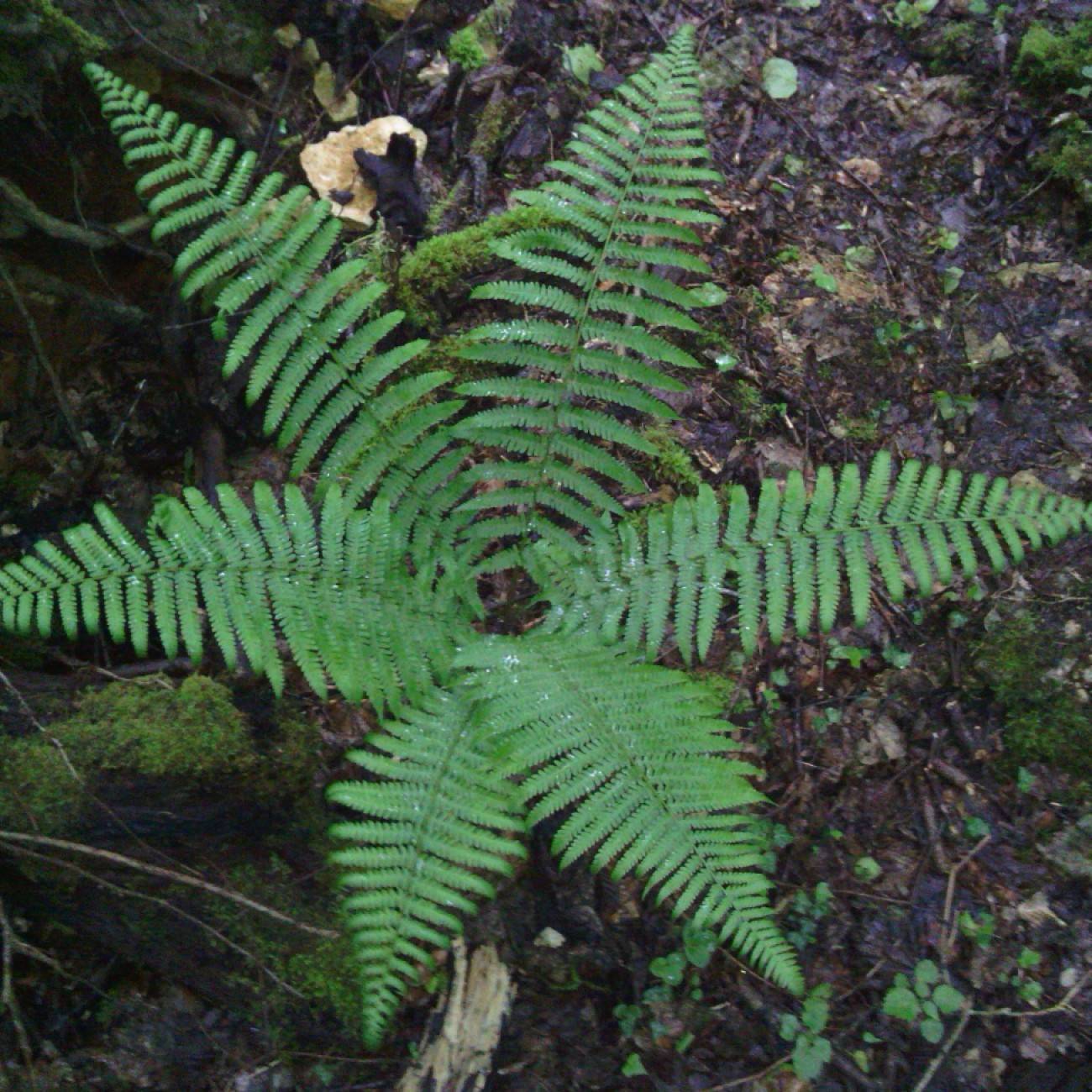
Dwarf Holly Fern
Cyrtomium falcatum 'Rochfordianum'
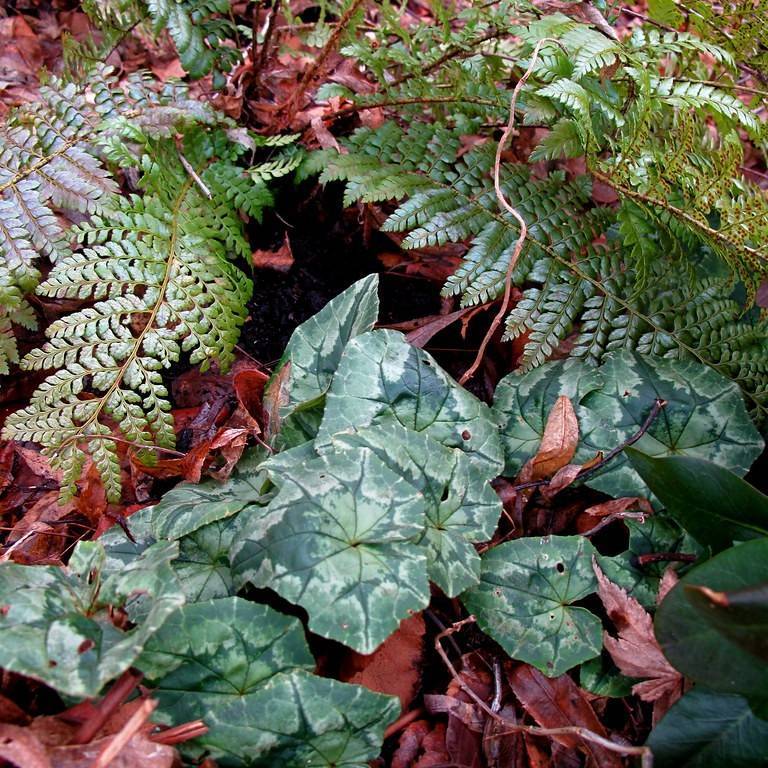
Dyce S Holly Fern
Cyrtomium fortunei 'Dycei'
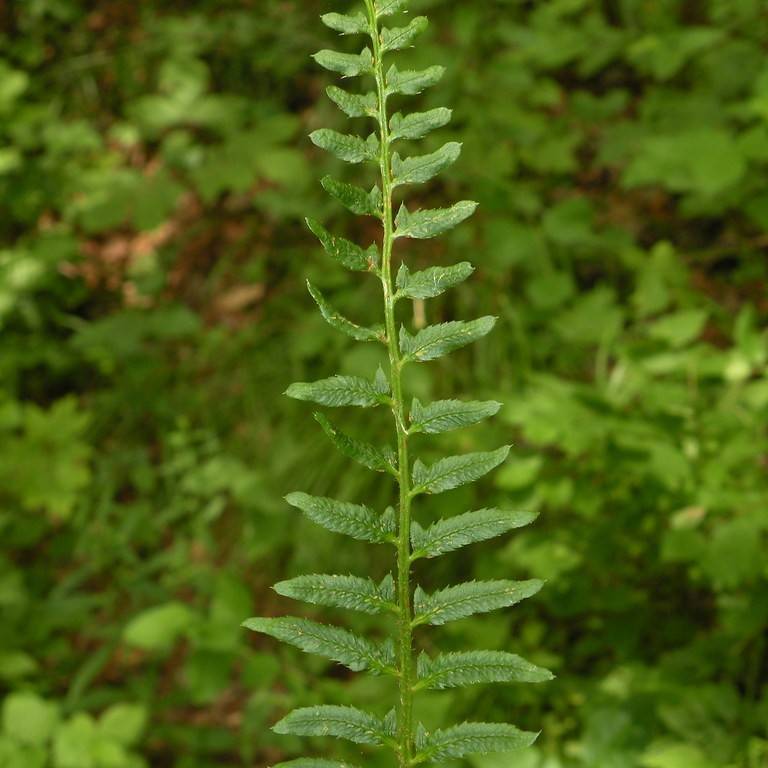
Christmas Fern
Polystichum acrostichoides
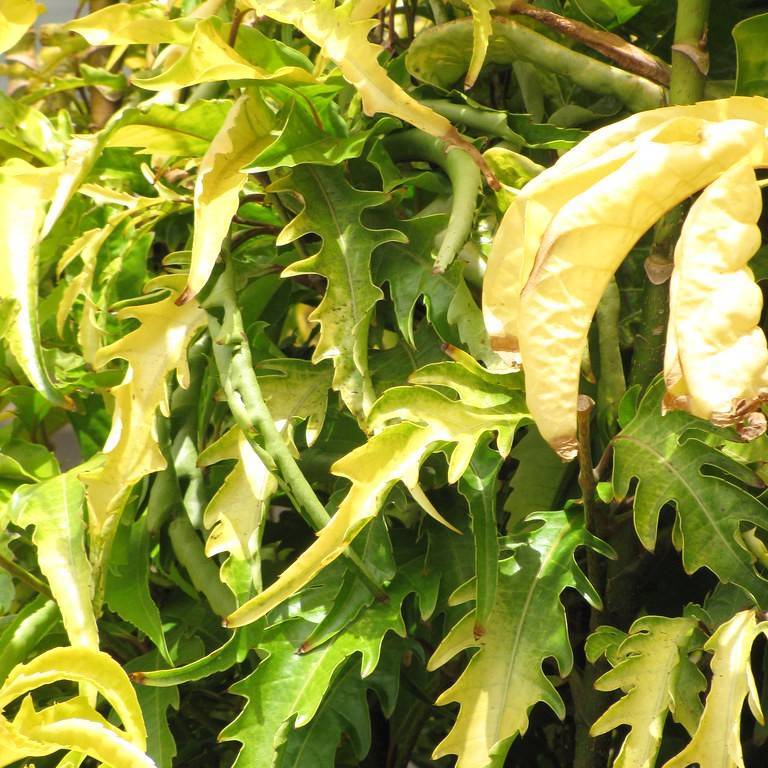
Fern Leaf Aralia
Polyscias filicifolia