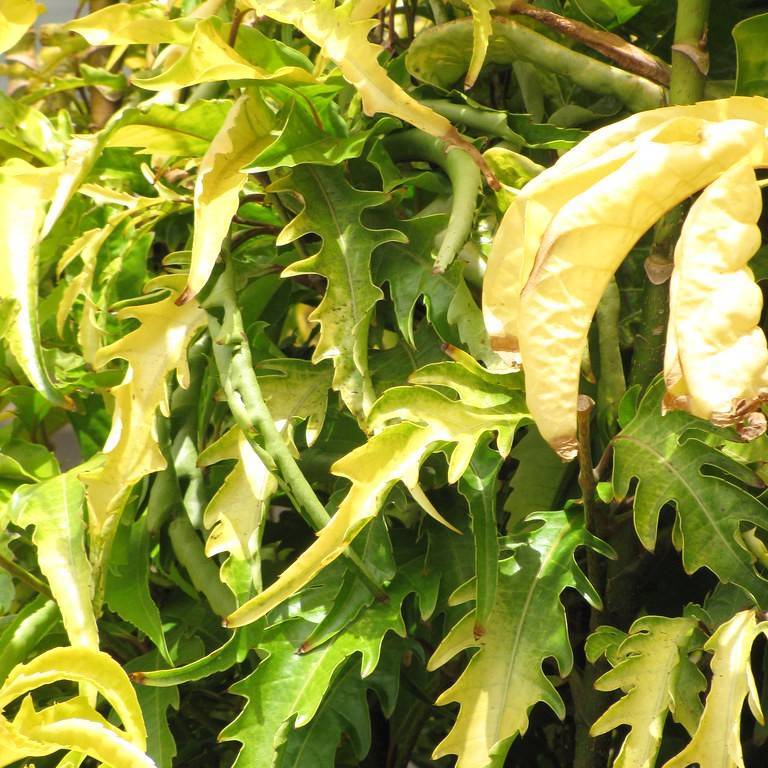
Fern Leaf Aralia
Polyscias filicifolia
Overview
Fern Leaf Aralia is an evergreen tropical shrub prized for its finely divided, lacy fronds that resemble true fern foliage, though it belongs to the Aralia family. It naturally grows as an understory plant in humid tropical forests, developing a woody, multi-stemmed growth habit as it matures. Its adaptable nature and attractive, feathery leaves make it a popular choice for adding soft, green texture to indoor spaces and warm, shaded outdoor gardens.
Care Guide
Watering
Allow the top 1-2 inches of soil to dry out between waterings, avoiding overwatering that can lead to root rot. Reduce watering frequency in fall and winter when the plant enters a period of slower growth, ensuring the soil never becomes waterlogged.
Light
Thrives in bright, indirect light; direct midday sun can scorch its delicate fronds, while too little light will cause sparse, leggy growth and leaf drop. It can tolerate low to medium light conditions for short periods, but consistent bright filtered light supports the healthiest, fullest foliage.
Soil
Requires a well-draining, nutrient-rich potting mix with a slightly acidic to neutral pH between 6.0 and 7.0. A mix of peat moss, perlite, and pine bark works well to retain moderate moisture while preventing excess water from pooling around the roots.
Fertilizer
Feed with a balanced, water-soluble houseplant fertilizer diluted to half strength once every 4 weeks during the spring and summer growing season. Avoid fertilizing in fall and winter, when the plant is dormant, as this can cause salt buildup in the soil that damages root systems.
Temperature
Prefers consistent temperatures between 65-80°F (18-27°C), and cannot tolerate temperatures below 55°F (13°C) for extended periods. Avoid placing it near cold drafts from windows, doors, or air conditioning units, as sudden temperature fluctuations often trigger leaf drop.
Pruning
Prune in early spring to control size, encourage bushier growth, and remove any yellowed, damaged, or leggy stems. Pinch back new growth tips regularly to promote a fuller, more compact habit, especially for younger plants grown as indoor houseplants.
Propagation
Most easily propagated via stem cuttings taken in spring or early summer; cut 4-6 inch sections of healthy, semi-woody stem, remove lower leaves, and root in moist, well-draining potting mix with bottom heat. It can also be propagated from seed, though this method is slower and less reliable for home growers, as seeds have low germination rates and require consistent warm, humid conditions.
Humidity
Thrives in moderate to high humidity levels between 50-70%, which mimics its native tropical habitat. Dry indoor air can cause brown leaf tips, so boost humidity by placing the pot on a pebble tray filled with water, using a room humidifier, or misting the fronds regularly.
Repotting
Repot young plants every 1-2 years in spring, moving to a pot 1-2 inches larger in diameter than the current container to accommodate root growth. Mature plants only need repotting every 3-4 years, or when roots begin to grow out of the drainage holes, as they prefer being slightly root-bound.
Uses & Symbolism
Primarily grown as an ornamental houseplant, adding soft, tropical texture to indoor spaces, and is a popular choice for office environments due to its moderate tolerance for lower light. In warm, frost-free climates, it is planted outdoors as a shade-loving landscape shrub for hedges, foundation plantings, or tropical garden borders. Its flexible stems and lacy foliage are also sometimes used in cut flower arrangements as a decorative filler greenery.
Diseases & Pests
Most common issues are fungal root rot caused by overwatering, and infestations of spider mites, mealybugs, and scale insects that thrive in dry indoor air. It is also prone to bacterial leaf spot if foliage stays wet for extended periods, especially in cool, poorly ventilated conditions. Sudden leaf drop is typically triggered by environmental stress, including cold drafts, extreme temperature shifts, or inconsistent watering routines.
Related plants
Other plants you might like if you grow Fern Leaf Aralia.
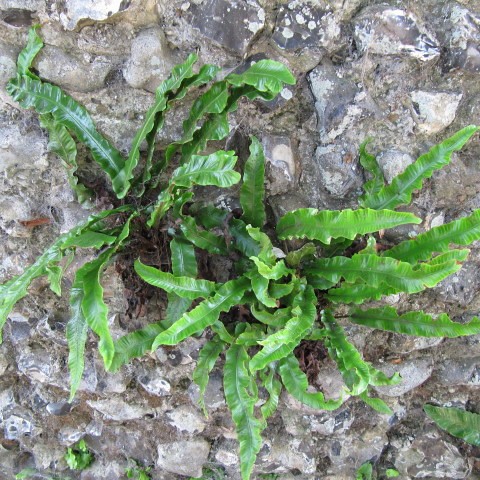
European Hart's Tongue Fern
Asplenium scolopendrium
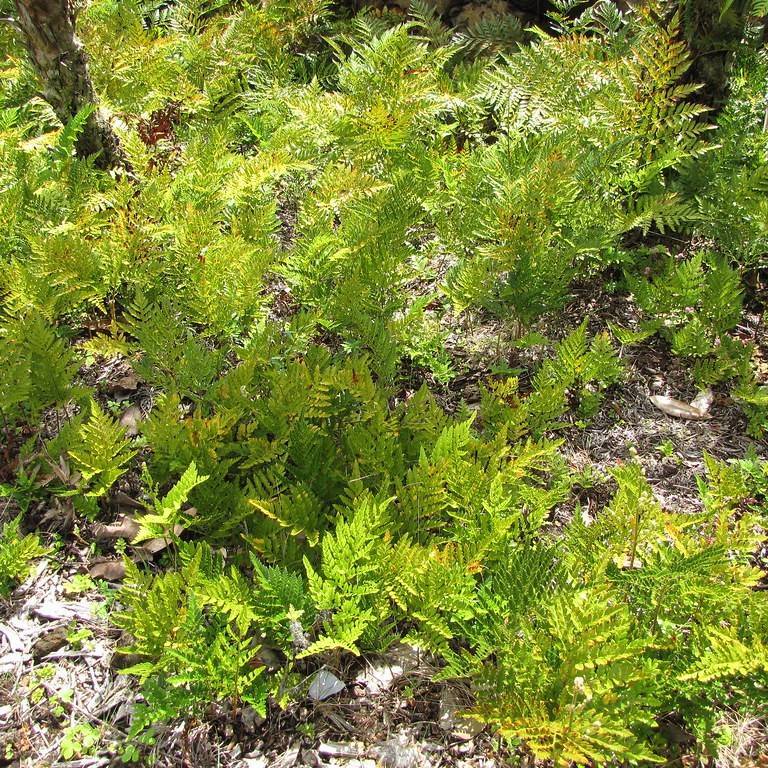
Leather Fern
Rumohra adiantiformis
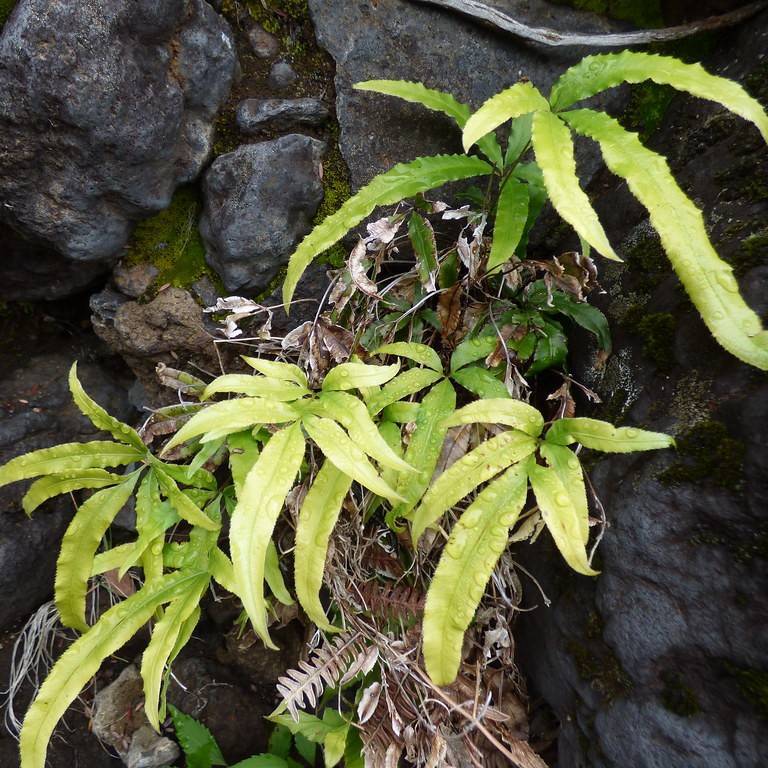
Cretan Brake
Pteris cretica
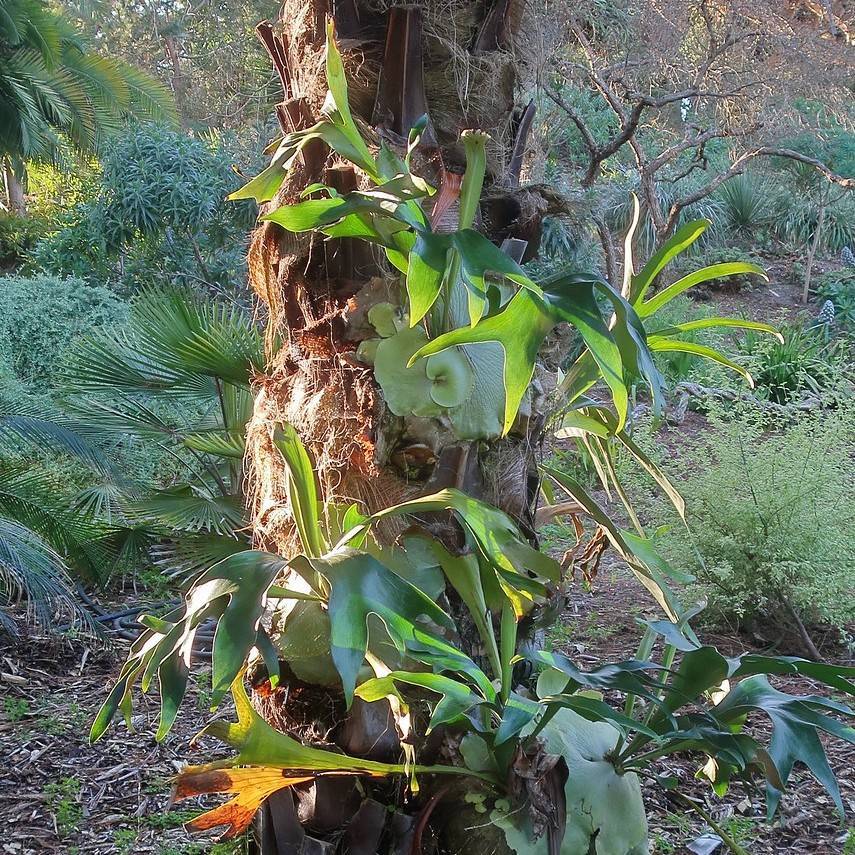
Elkhorn Fern
Platycerium bifurcatum
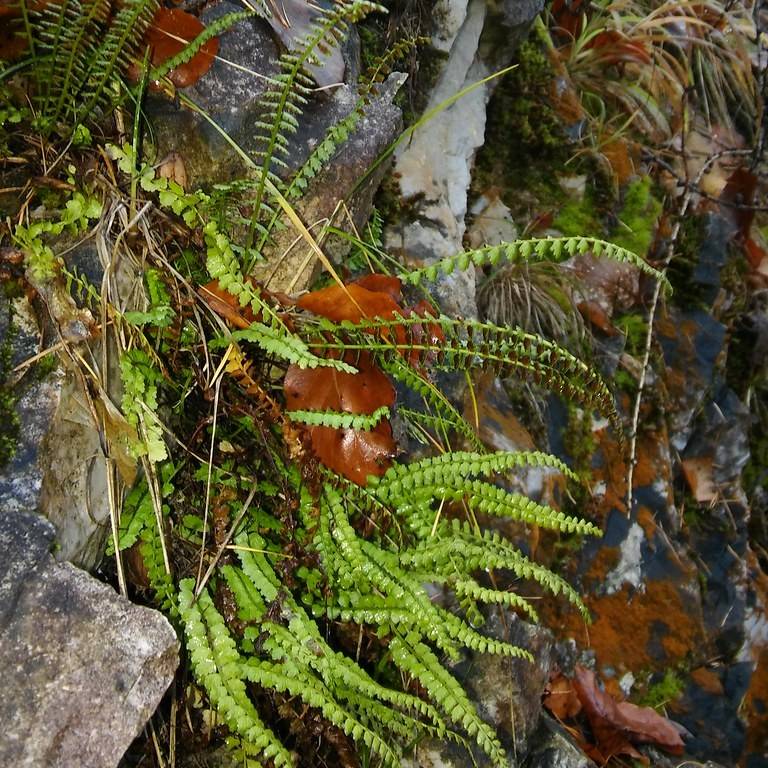
Green Spleenwort
Asplenium viride
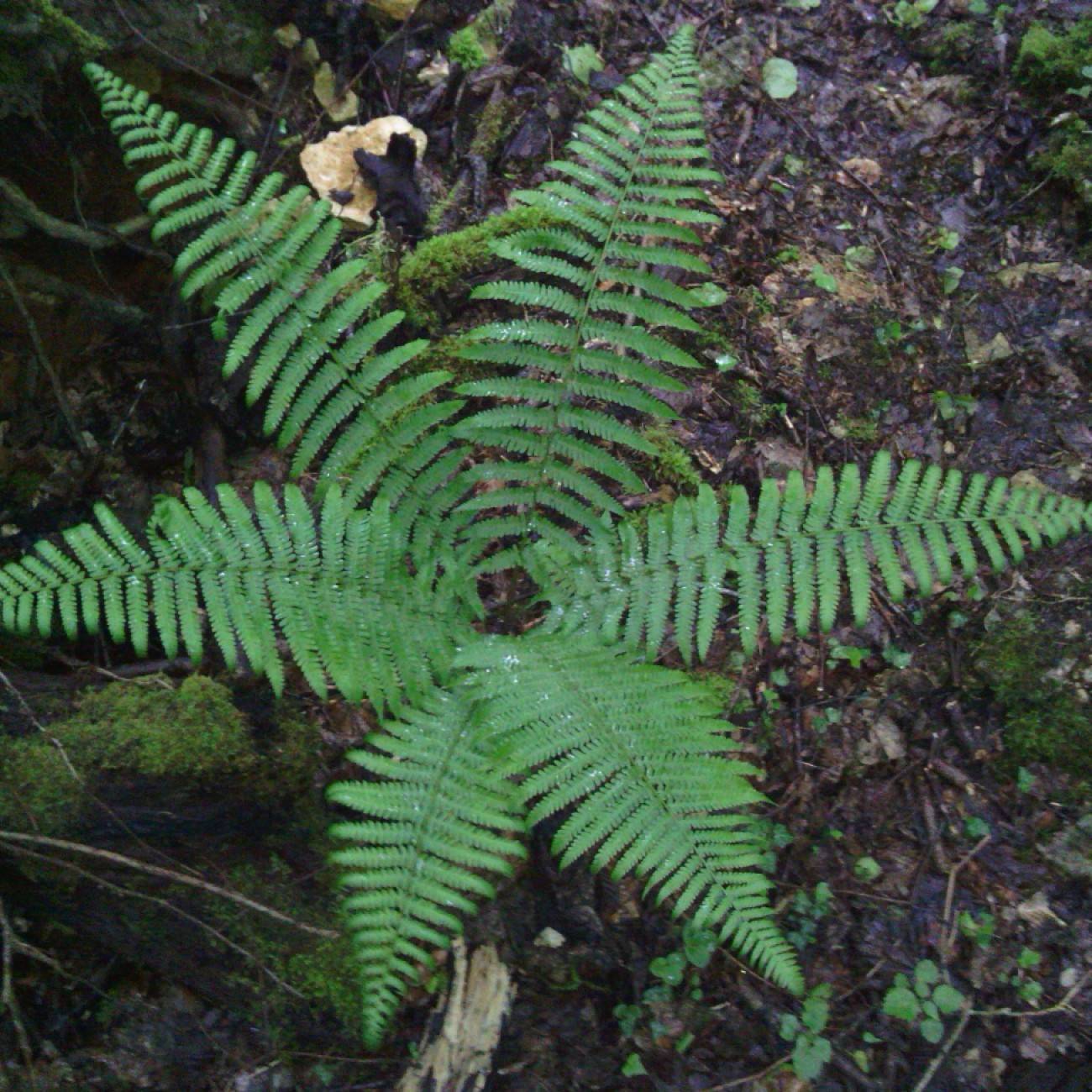
Dwarf Holly Fern
Cyrtomium falcatum 'Rochfordianum'
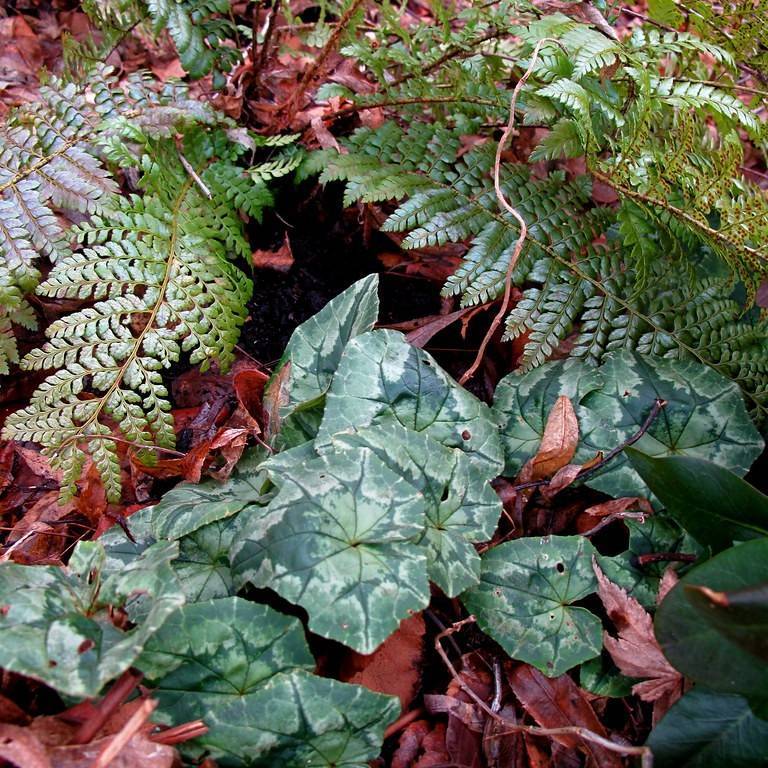
Dyce S Holly Fern
Cyrtomium fortunei 'Dycei'
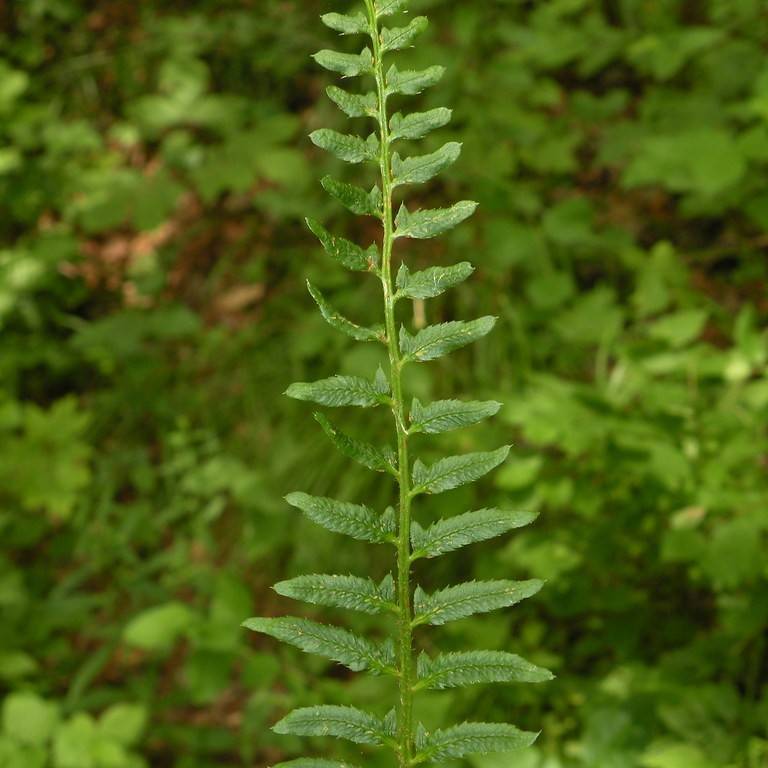
Christmas Fern
Polystichum acrostichoides