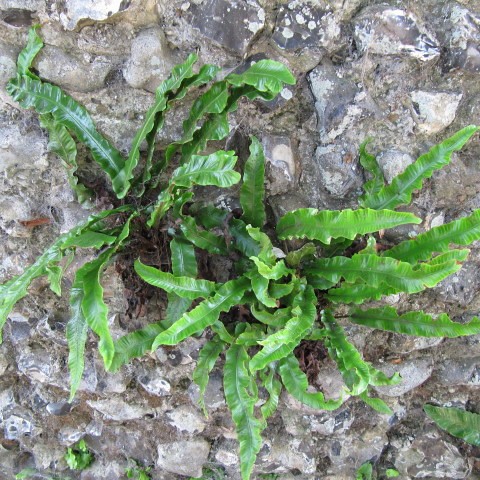
European Hart's Tongue Fern
Asplenium scolopendrium
Overview
European Hart's Tongue Fern is an unusual evergreen fern recognized for its smooth, strap-like fronds that lack the typical lacy, divided foliage of most fern species. It naturally grows in shaded, calcareous rocky outcrops, woodlands, and damp hedgerows across its native range. Mature plants form neat, clumping rosettes that spread slowly via short, creeping rhizomes, making them a low-maintenance choice for shaded spaces.
Care Guide
Watering
Keep the soil consistently moist but not waterlogged year-round, watering when the top 1 inch of soil feels dry to the touch. Reduce watering frequency slightly in winter when growth slows, but never allow the root ball to dry out completely, as this can cause frond browning. Avoid watering directly into the center of the rosette to prevent crown rot.
Light
Thrives in partial to full shade, with indirect, filtered light ideal for both indoor and outdoor growth. Avoid exposure to direct midday sun, which can scorch fronds and cause unsightly yellowing or browning. Indoor specimens do well in north-facing windows or a few feet away from east or west-facing windows.
Soil
Requires well-draining, humus-rich soil with a neutral to alkaline pH, matching its native calcareous habitat. For potted specimens, use a mix of peat-free potting soil, crushed limestone or oyster shell, and perlite to improve drainage and maintain appropriate pH levels. Heavy, water-retentive clay soils should be amended with organic matter and grit to prevent root rot.
Fertilizer
Feed sparingly once per month during the active growing season (spring to early fall) with a diluted, balanced liquid fertilizer, at half the recommended strength for houseplants. Do not fertilize in late fall or winter when the fern is dormant, as this can damage tender new growth and burn roots. Excess fertilization will cause brown tips on fronds, so err on the side of underfeeding.
Temperature
Prefers cool to moderate temperatures between 55-75°F (13-24°C), and can tolerate brief drops down to 10°F (-12°C) when grown outdoors in USDA hardiness zones 5-9. Indoor specimens should be kept away from hot, dry radiators, fireplaces, and cold drafts from windows or doors during winter. Prolonged exposure to temperatures above 80°F (27°C) can cause frond wilting if humidity is low.
Pruning
Remove any brown, damaged, or dead fronds at the base of the plant in early spring before new growth emerges to keep the rosette neat and improve air circulation. Snip off individual fronds that develop brown tips or disease spots as needed throughout the year, using clean, sharp pruning shears to avoid tearing the foliage. Avoid removing more than 20% of the plant's fronds at one time to prevent stress.
Propagation
Most commonly propagated via spore sowing in late summer, or by division of mature clumps in early spring before new growth begins. To divide, carefully lift the entire root ball, separate the rhizome into sections with at least 3-4 healthy fronds each, and replant immediately into prepared soil or pots. Spore propagation requires sterile, moist growing medium and consistent high humidity, making it more suited for experienced gardeners.
Humidity
Thrives in moderate to high humidity levels between 50-70%, similar to its native woodland habitat. Indoor specimens benefit from regular misting, placement on a pebble tray filled with water, or use of a small humidifier, especially during dry winter months when indoor heating lowers ambient humidity. Low humidity will cause frond tips to brown and crisp over time.
Repotting
Repot potted specimens every 2-3 years in early spring, or when the root ball becomes root-bound and emerges from the drainage holes of the pot. Choose a pot only 1-2 inches larger in diameter than the current one, as ferns prefer slightly snug root conditions and excessive pot space can lead to waterlogged soil. Ensure the new pot has adequate drainage holes to prevent root rot.
Uses & Symbolism
European Hart's Tongue Fern is a popular ornamental plant for shaded garden borders, rock gardens, and woodland planting schemes, where its glossy evergreen fronds provide year-round interest. It is also grown as a low-maintenance houseplant for low-light indoor spaces, adding a lush, tropical feel to bathrooms, offices, and north-facing rooms. Historically, it was used in traditional herbal medicine as a remedy for throat ailments and digestive issues, though modern medicinal use is rare.
Diseases & Pests
The most common issues are fungal crown rot and root rot, caused by overwatering, poor drainage, or watering directly into the center of the rosette. Common pests include scale insects, mealybugs, and aphids, which can be removed with a damp cloth or treated with neem oil or insecticidal soap. Frond browning and tip burn are usually caused by low humidity, excessive direct sunlight, or overfertilization, rather than infectious disease.
Related plants
Other plants you might like if you grow European Hart's Tongue Fern.
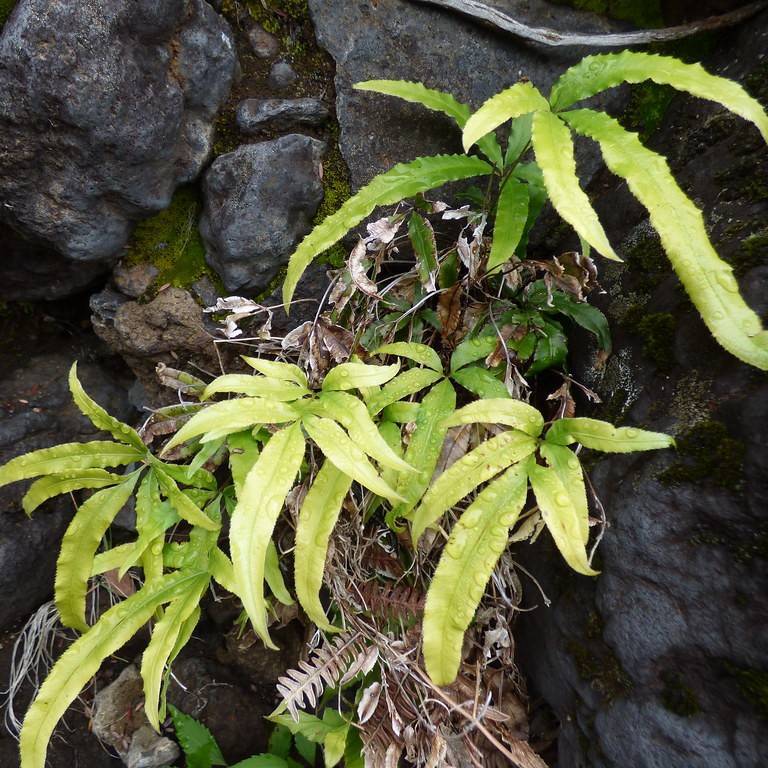
Cretan Brake
Pteris cretica
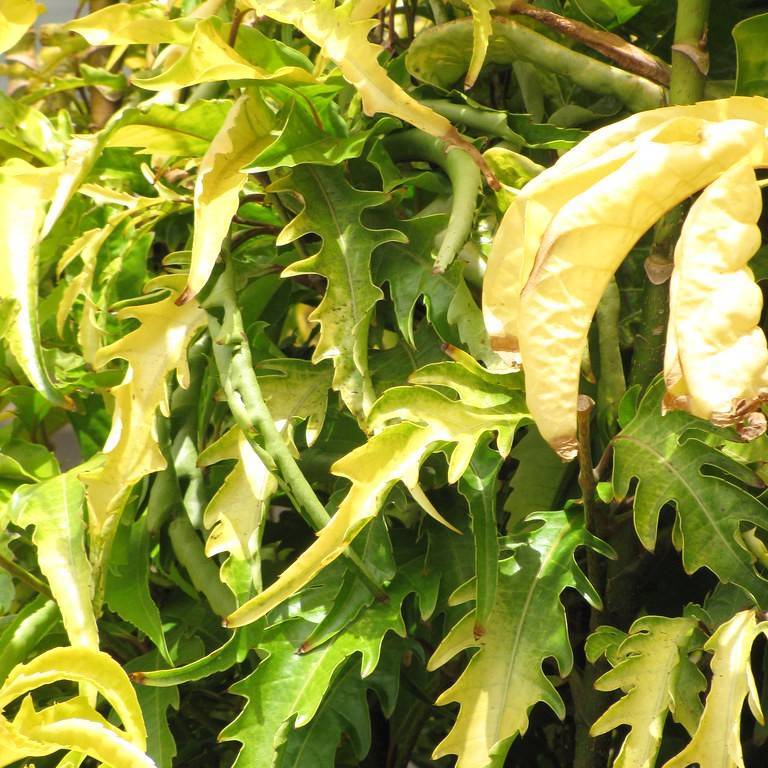
Fern Leaf Aralia
Polyscias filicifolia
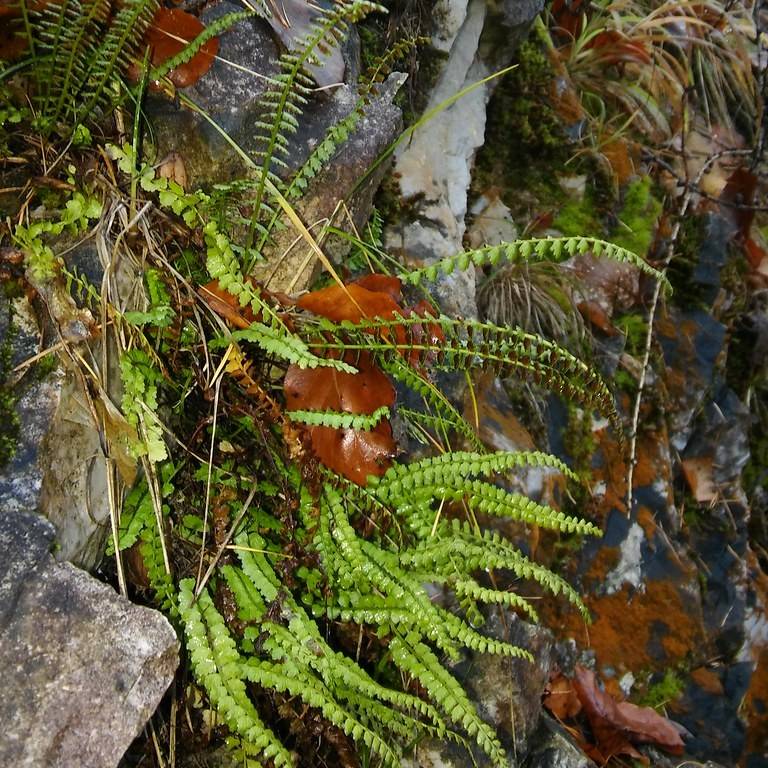
Green Spleenwort
Asplenium viride
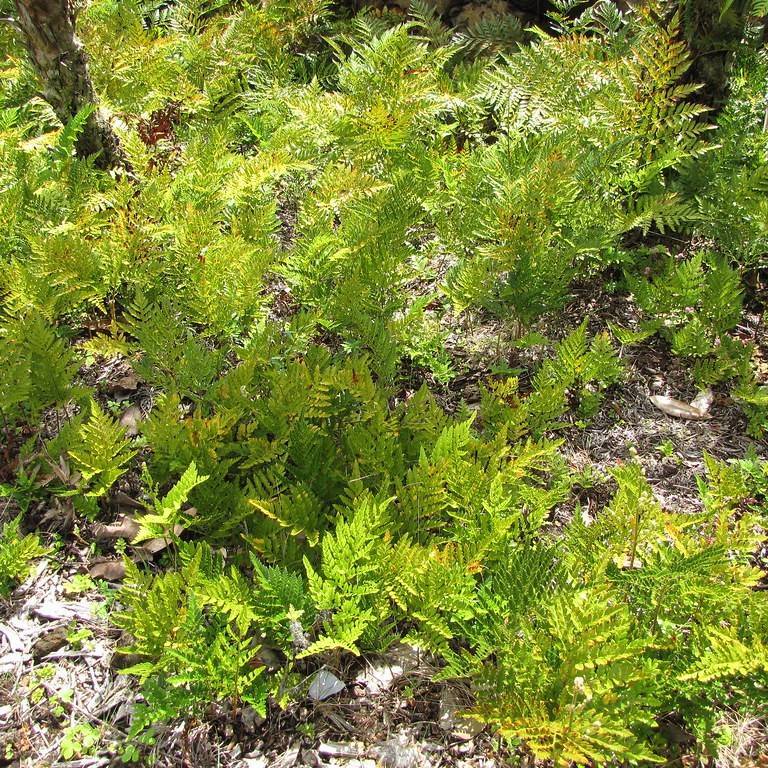
Leather Fern
Rumohra adiantiformis
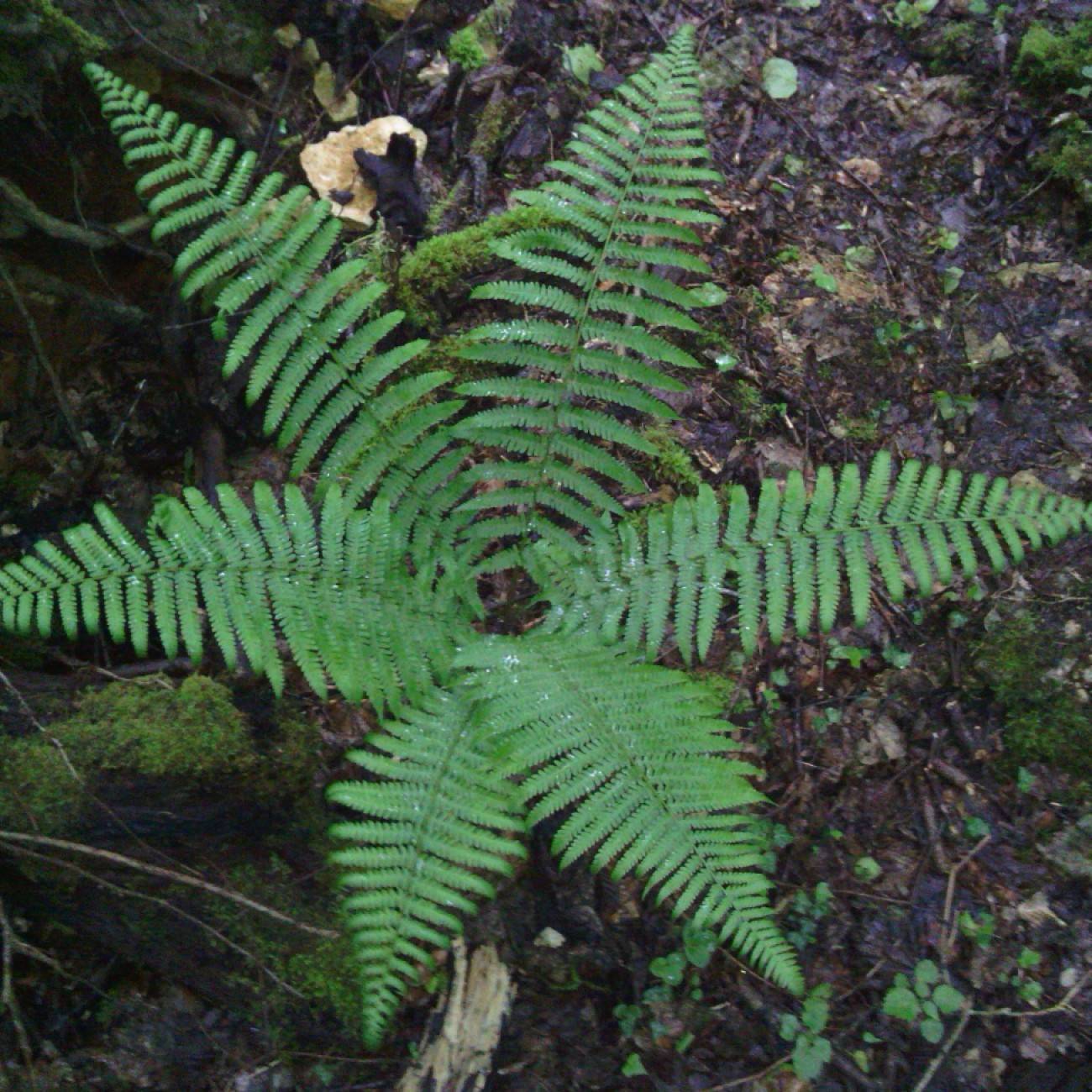
Dwarf Holly Fern
Cyrtomium falcatum 'Rochfordianum'
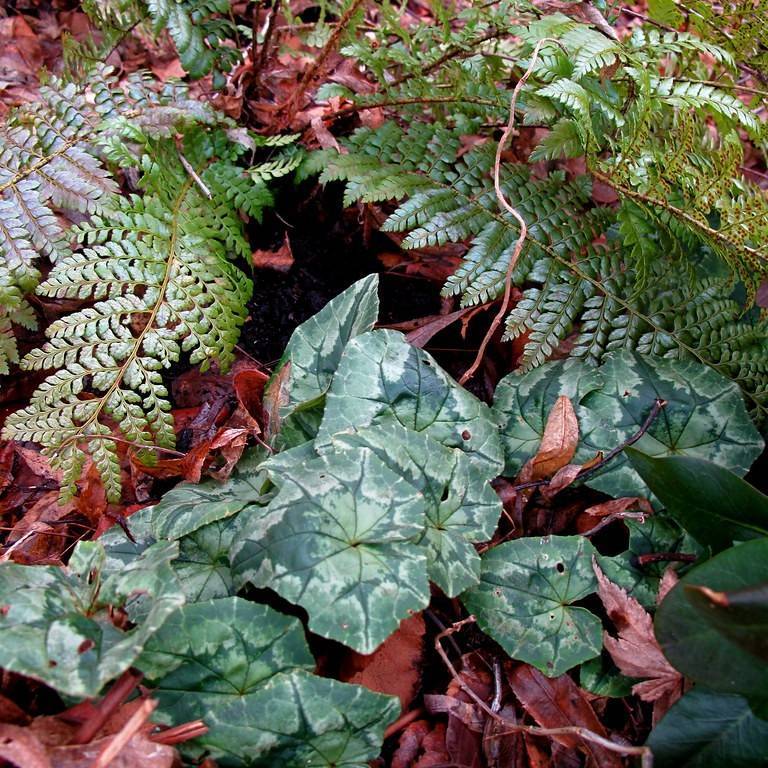
Dyce S Holly Fern
Cyrtomium fortunei 'Dycei'
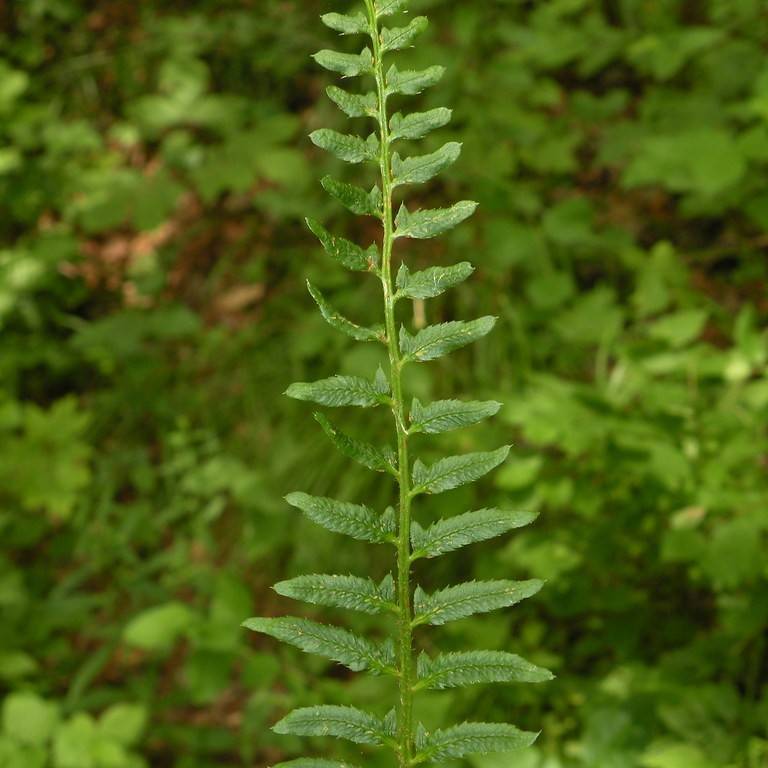
Christmas Fern
Polystichum acrostichoides
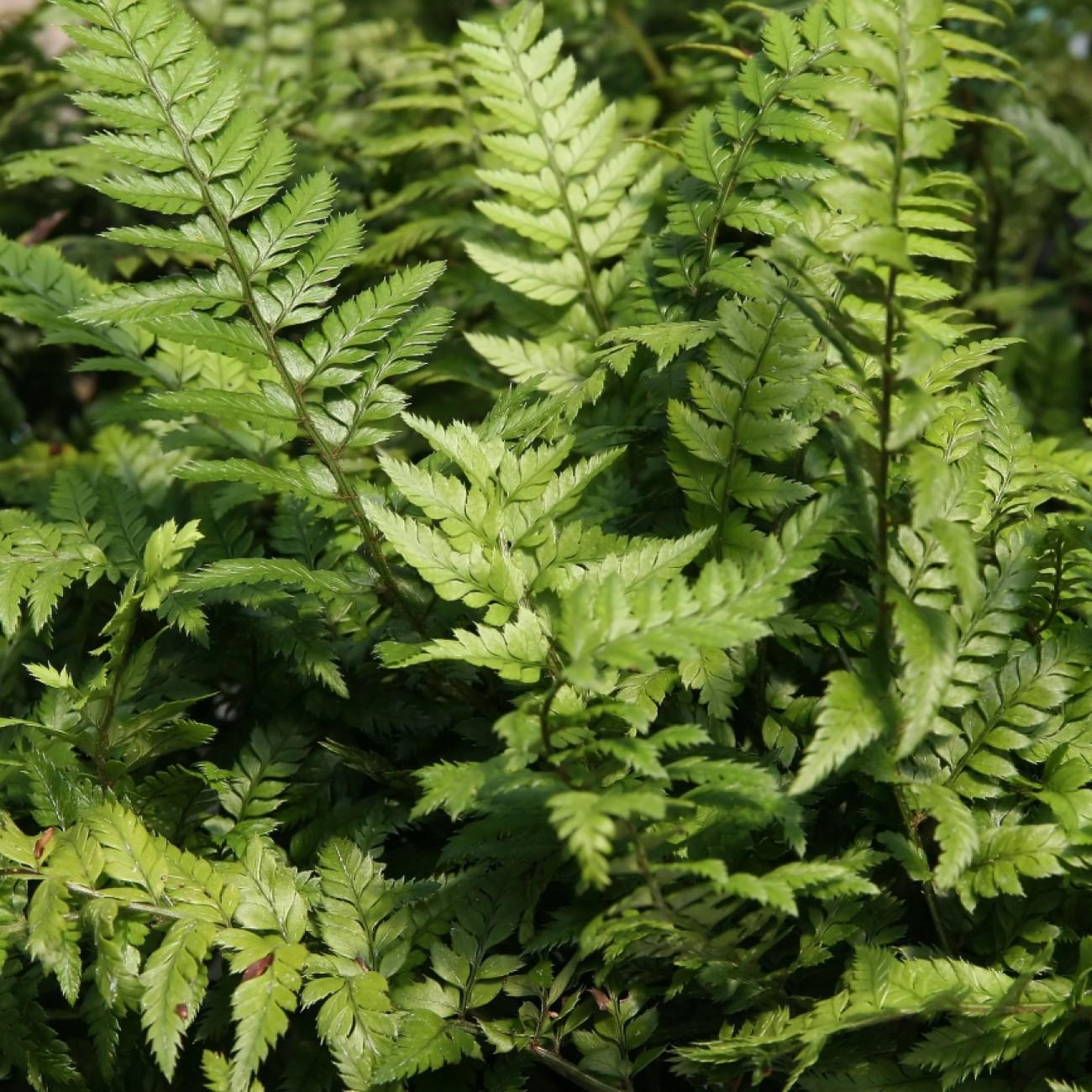
Korean Rock Fern
Polystichum tsus-simense