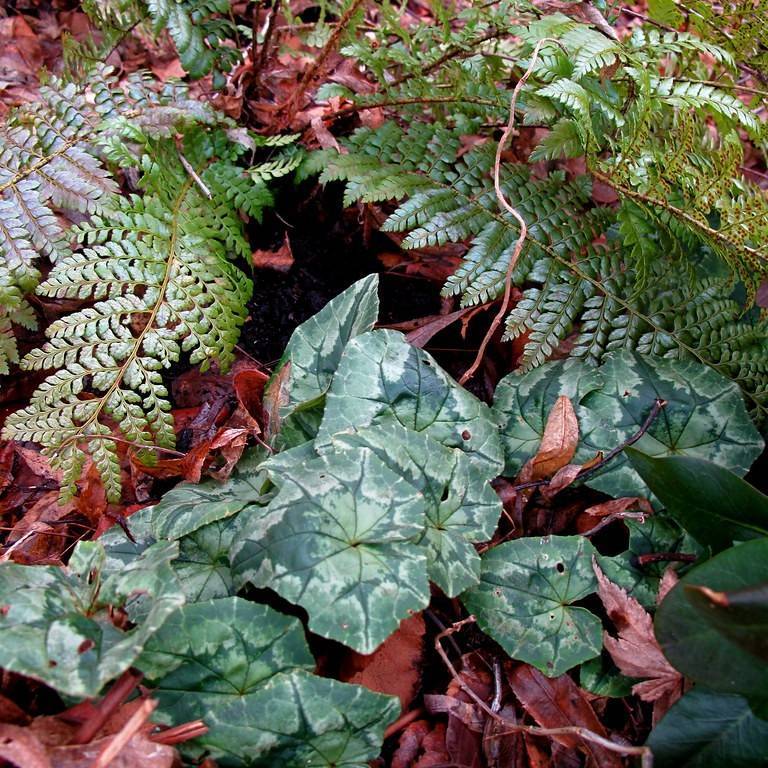
Dyce S Holly Fern
Cyrtomium fortunei 'Dycei'
Overview
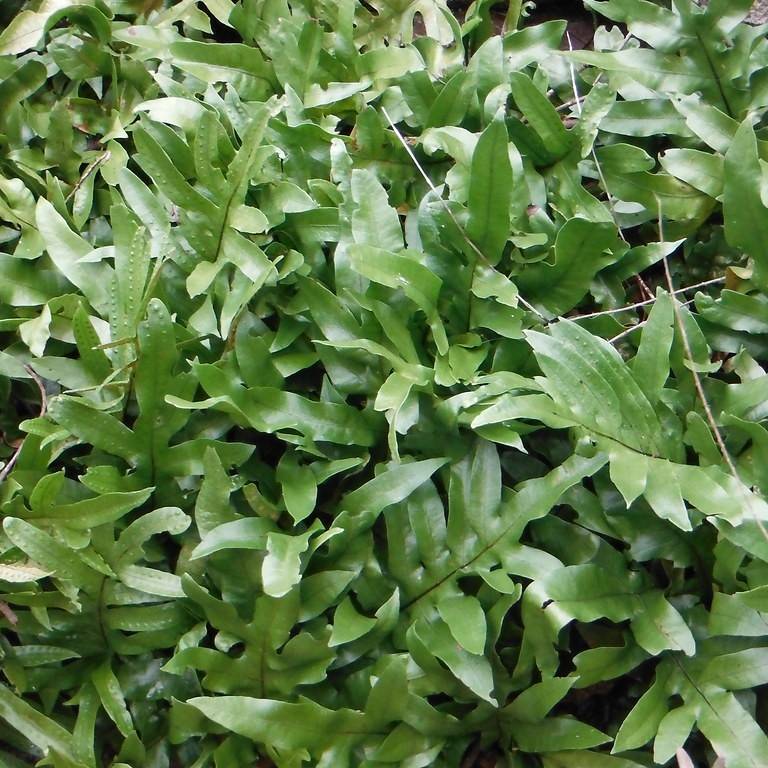
A selected cultivar of Fortune's holly fern, Dyce S Holly Fern features leathery, dark green fronds with spiny, holly-shaped leaflets that hold their color year-round in mild climates. It is more compact and cold-tolerant than the straight species, making it a popular choice for shaded borders, rock gardens, and underplanting beneath large trees. Adaptable to both outdoor and indoor growing conditions, it thrives in low-light environments where many other foliage plants struggle.
Care Guide
Watering
Water consistently to keep soil evenly moist but not waterlogged, allowing the top 1 inch (2.5 cm) of soil to dry out between waterings for indoor plants. Reduce watering frequency in winter when growth slows, avoiding prolonged sogginess that can cause root rot. Outdoors, supplemental watering is only needed during extended dry periods once established.
Light
Prefers partial to full shade, avoiding direct midday sun which can scorch its fronds and cause yellowing. Indoor specimens grow well in bright, indirect light such as a north or east-facing window, or under fluorescent grow lights if natural light is limited. It tolerates deep shade better than many common fern species, making it ideal for low-light garden spots.
Soil
Requires well-drained, humus-rich soil with a slightly acidic to neutral pH between 6.0 and 7.0. For potted plants, use a peat-based potting mix amended with perlite or pine bark to improve drainage and retain organic matter. Outdoors, amend heavy clay or sandy soils with compost or leaf mold to boost nutrient content and drainage before planting.
Fertilizer
Feed indoor plants with a balanced, diluted liquid houseplant fertilizer once every 4 to 6 weeks during the spring and summer growing season. Outdoor specimens benefit from a light application of slow-release, all-purpose fertilizer in early spring, or a topdressing of compost to provide gradual nutrients. Avoid overfertilizing, which can cause frond tip burn and weak, floppy growth.
Temperature
Hardy outdoors in USDA zones 5 to 9, tolerating winter temperatures as low as -20°F (-29°C) with light mulch protection. Indoor plants prefer average room temperatures between 60–75°F (16–24°C), avoiding drafts from heating vents, air conditioners, or cold windows in winter. Extended temperatures above 80°F (27°C) may cause frond browning without adequate moisture and shade.
Pruning
Remove brown, damaged, or dead fronds at the base in early spring before new growth emerges to improve air circulation and maintain a tidy appearance. Trim any yellowed or tattered fronds throughout the growing season as needed, using clean, sharp pruning shears to avoid tearing the plant tissue. No regular shaping is required, as the fern naturally forms a neat, mounded habit.
Propagation
Most commonly propagated by division in early spring before new fronds unfurl, carefully separating the root ball into smaller clumps each with several growing points and a healthy root system. Spore propagation is possible but slower and less reliable for this cultivar, as it may not come true from spores. Newly divided clumps should be planted at the same depth as the original plant and kept consistently moist until established.
Humidity
Tolerates average household humidity levels between 40–60% better than many tropical fern species, making it well-suited to indoor growing. If indoor air is excessively dry, mist fronds 2–3 times weekly, place the pot on a pebble tray filled with water, or use a small humidifier to boost moisture. Outdoors, it naturally adapts to the ambient humidity of its growing zone as long as soil moisture is consistent.
Repotting
Repot indoor plants every 2 to 3 years in spring, when roots begin to grow through the drainage holes or the plant becomes root-bound. Choose a pot only 1–2 inches (2.5–5 cm) larger than the current container to avoid excess soil that holds unnecessary moisture, and use fresh, well-draining potting mix. Outdoor plants grown in containers should also be repotted every 2–3 years, or transplanted into the garden once they outgrow their pots.
Uses & Symbolism
Dyce S Holly Fern is widely used as a low-maintenance groundcover in shaded garden beds, rock gardens, and woodland landscapes, where its evergreen foliage provides year-round interest. It is a popular houseplant for low-light rooms, offices, and bathrooms, adding lush, dark green foliage to indoor spaces without demanding high humidity. Its compact size and tolerance of urban pollution also make it suitable for container plantings on shaded patios and balconies.
Diseases & Pests
It is relatively pest and disease resistant, but overwatering and poor drainage can lead to root rot, crown rot, and fungal leaf spots. Common occasional pests include scale insects, mealybugs, and fern aphids, which can be controlled with insecticidal soap, neem oil, or a gentle stream of water to dislodge small infestations. Frond scorch or browning may occur from excessive direct sun, low humidity, or overfertilization, rather than pathogenic disease.
Related plants
Other plants you might like if you grow Dyce S Holly Fern.
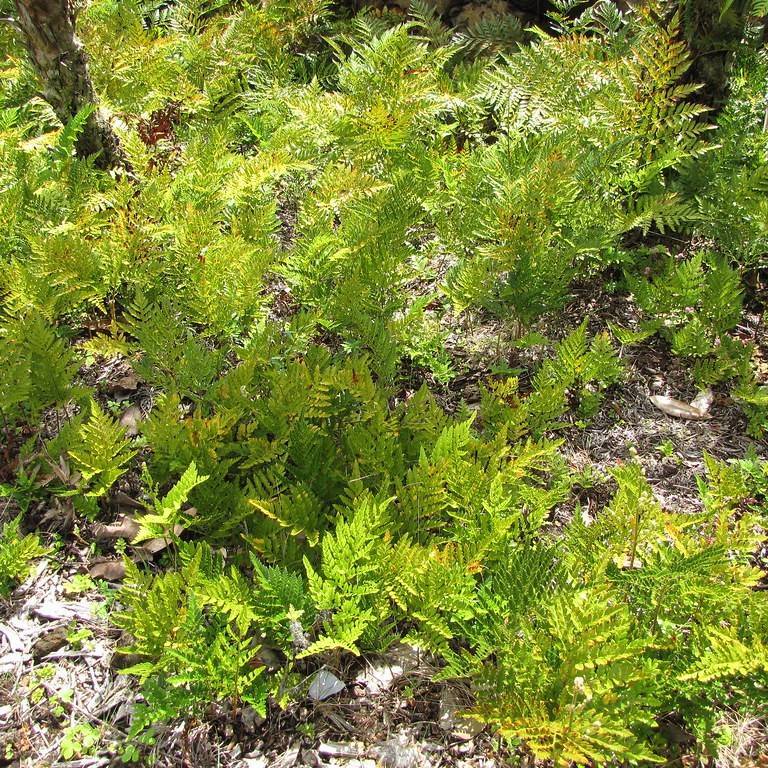
Leather Fern
Rumohra adiantiformis
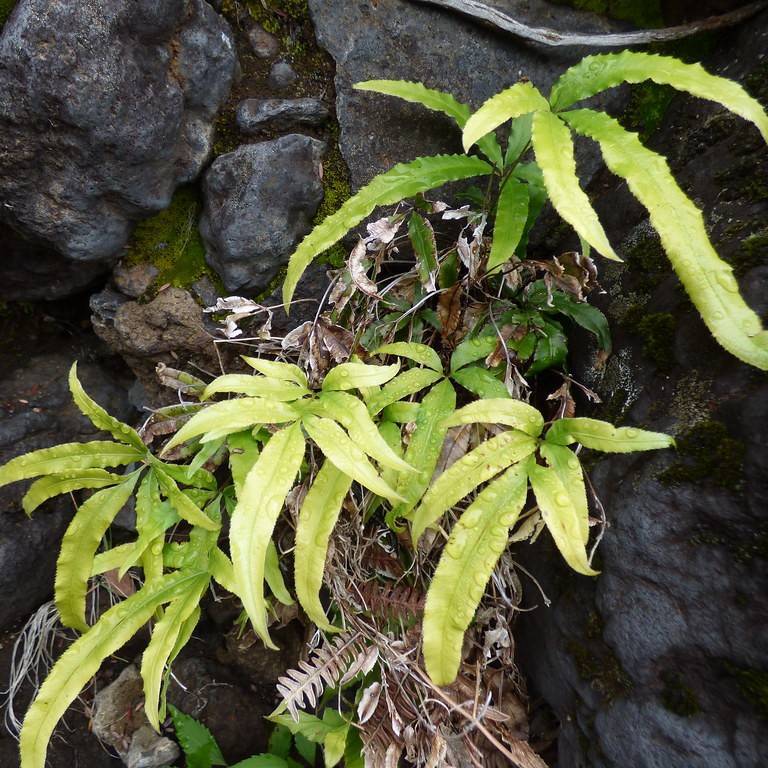
Cretan Brake
Pteris cretica
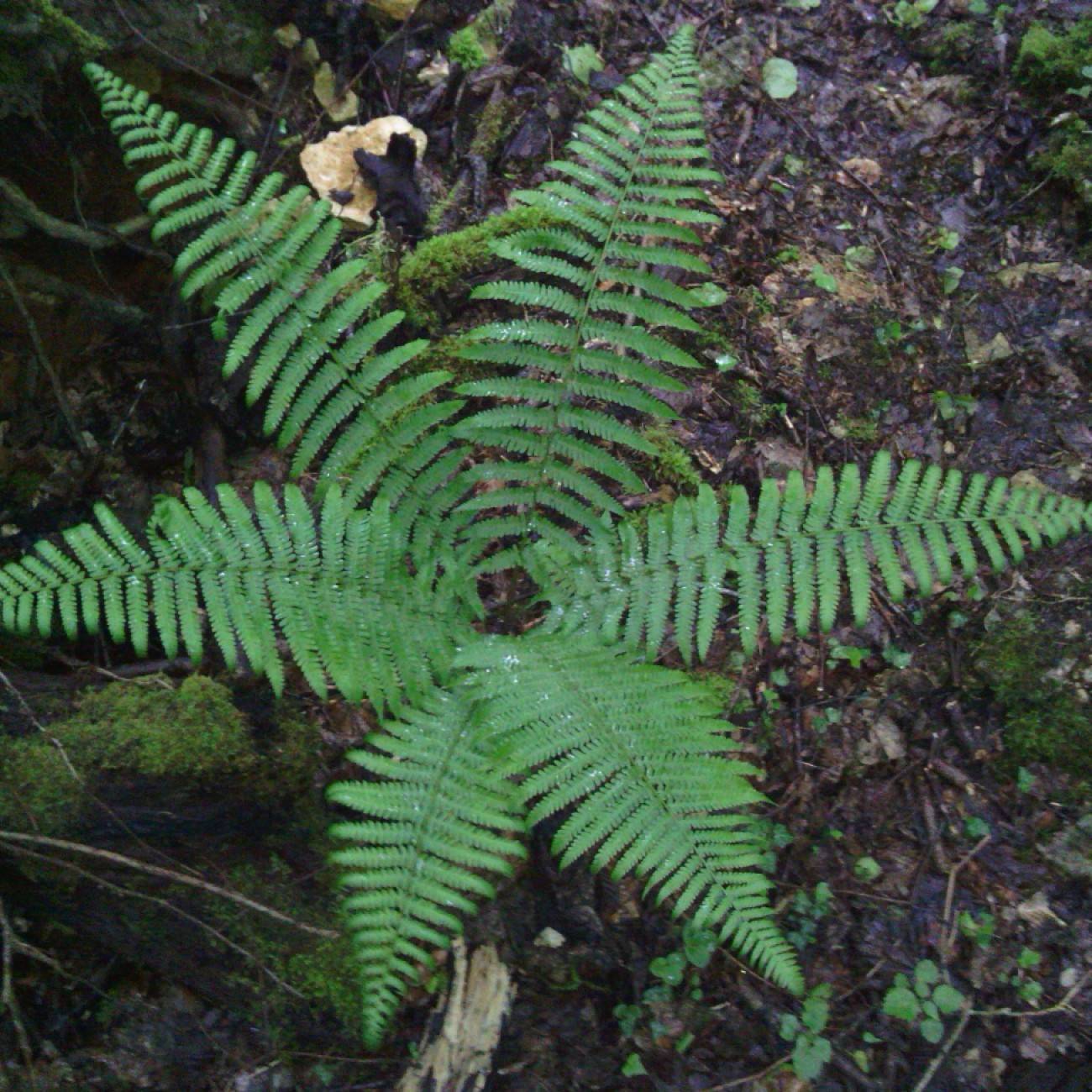
Dwarf Holly Fern
Cyrtomium falcatum 'Rochfordianum'
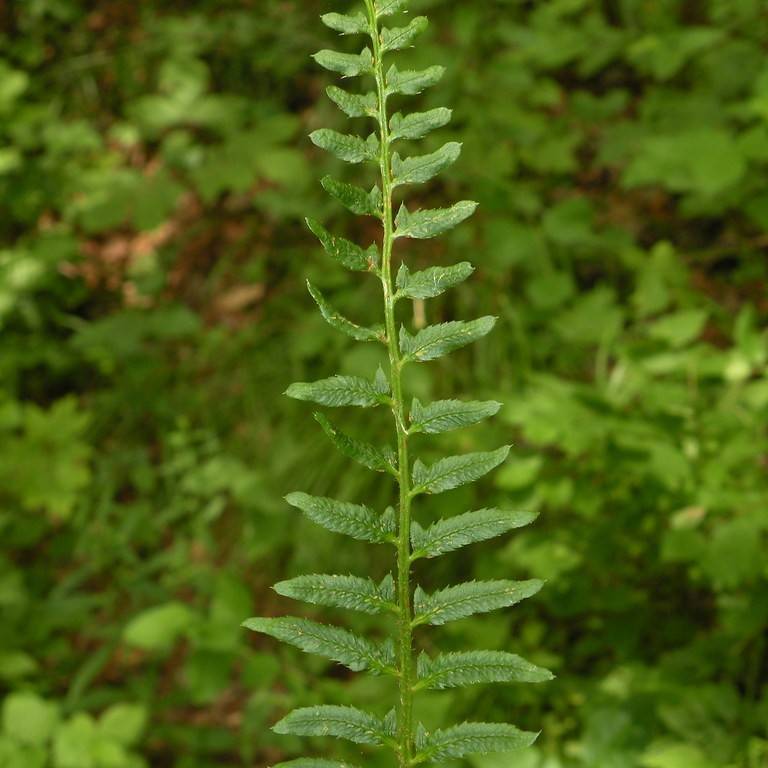
Christmas Fern
Polystichum acrostichoides
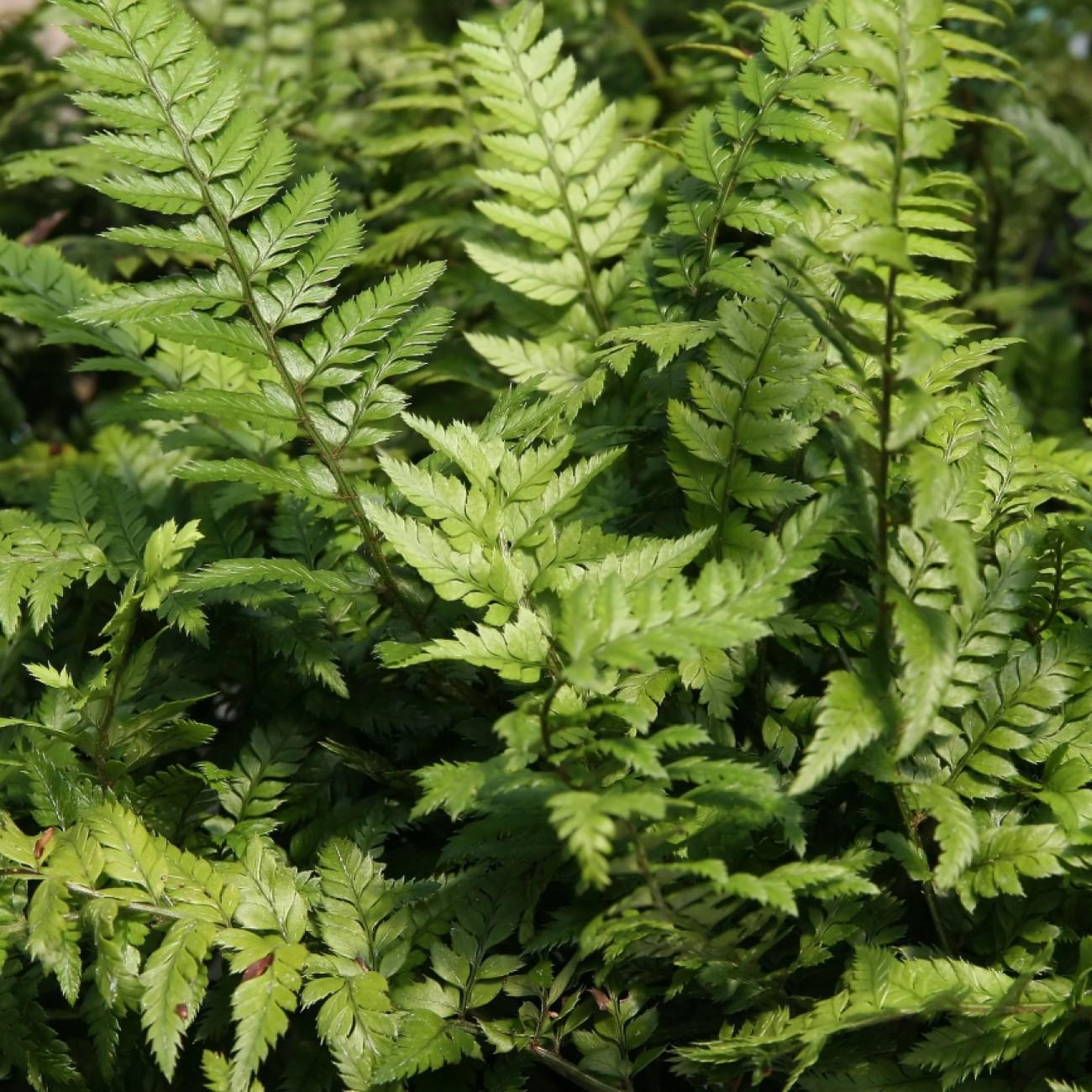
Korean Rock Fern
Polystichum tsus-simense
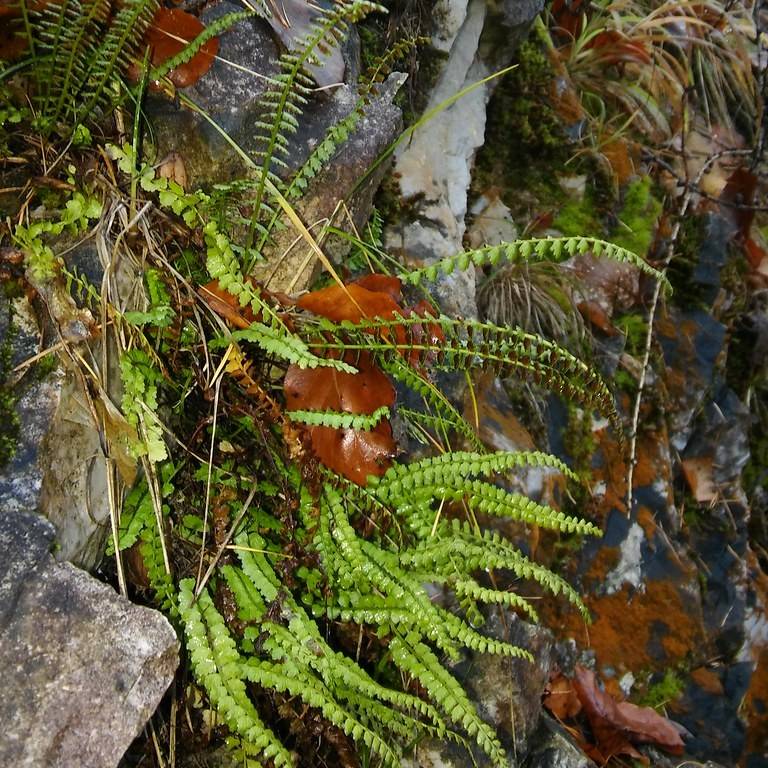
Green Spleenwort
Asplenium viride
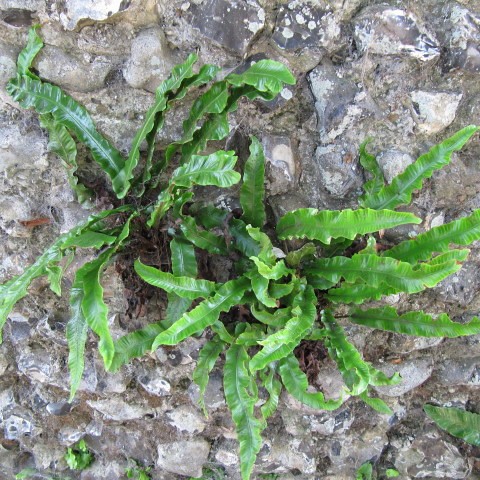
European Hart's Tongue Fern
Asplenium scolopendrium
Kangaroo Fern
Microsorum pustulatum