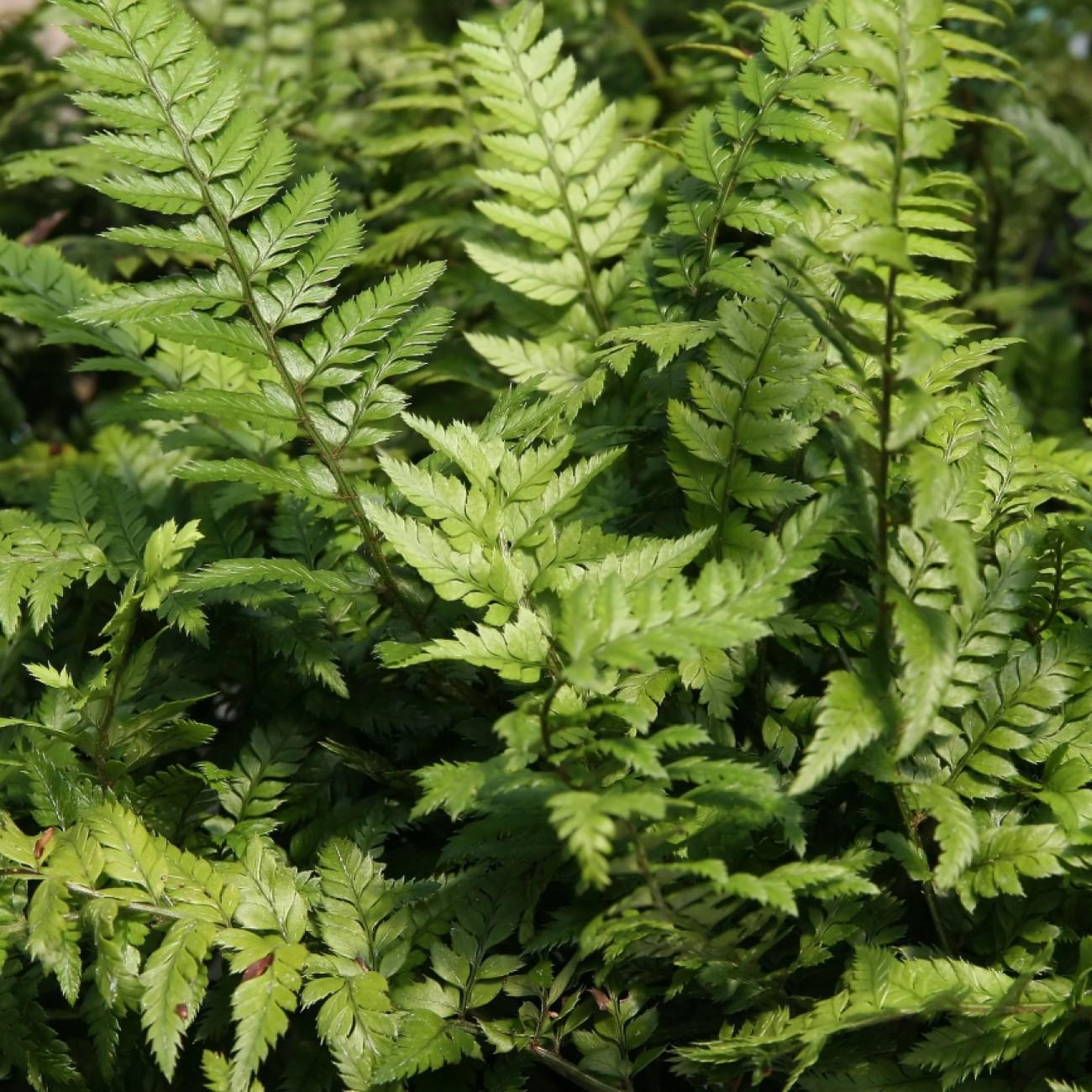
Korean Rock Fern
Polystichum tsus-simense
Overview
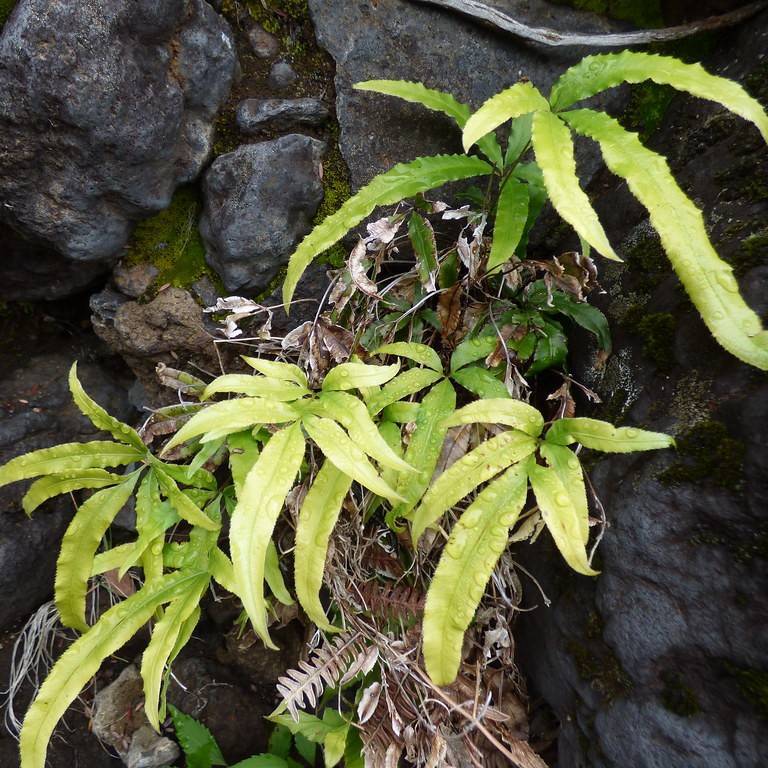
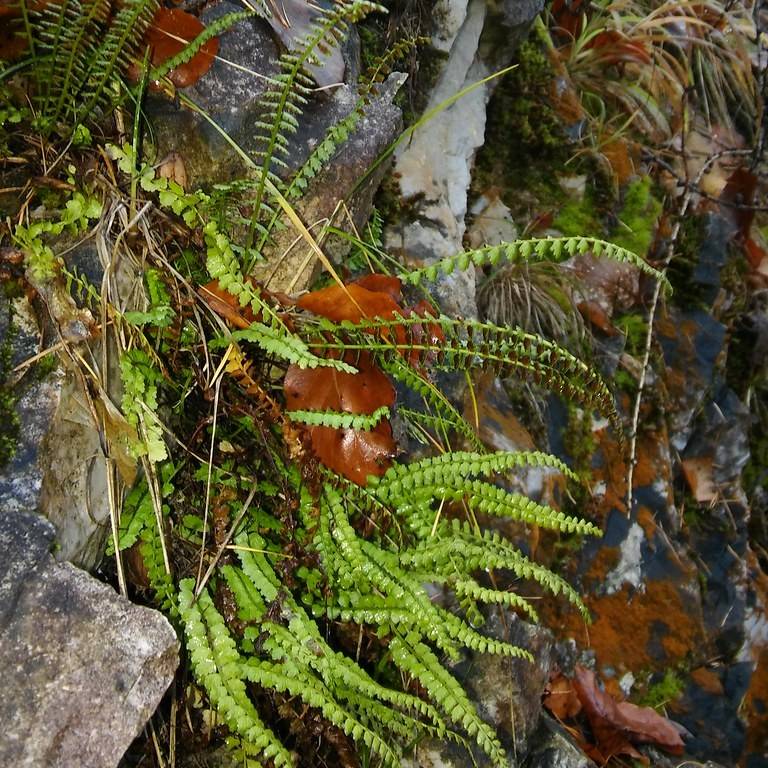
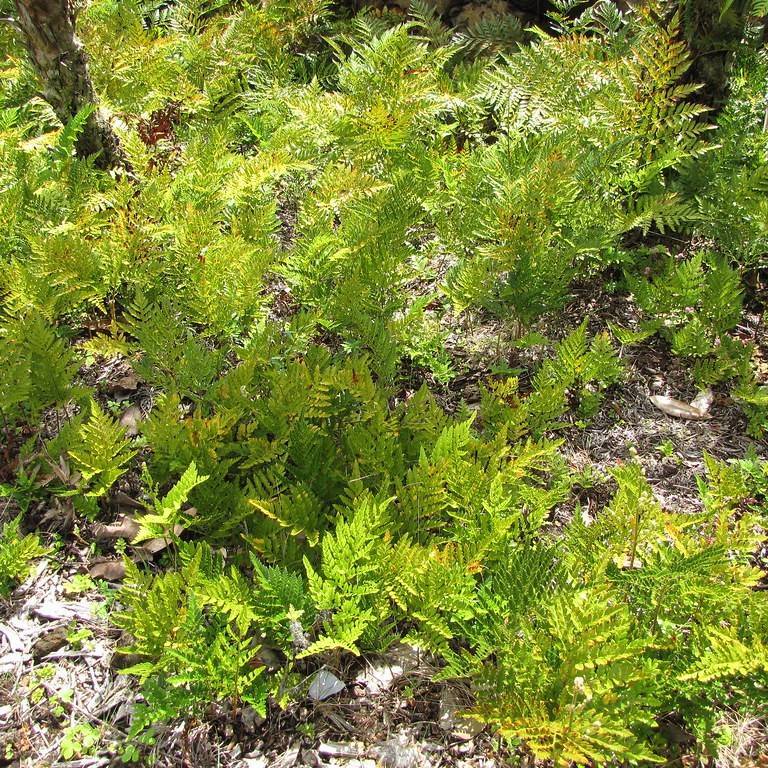
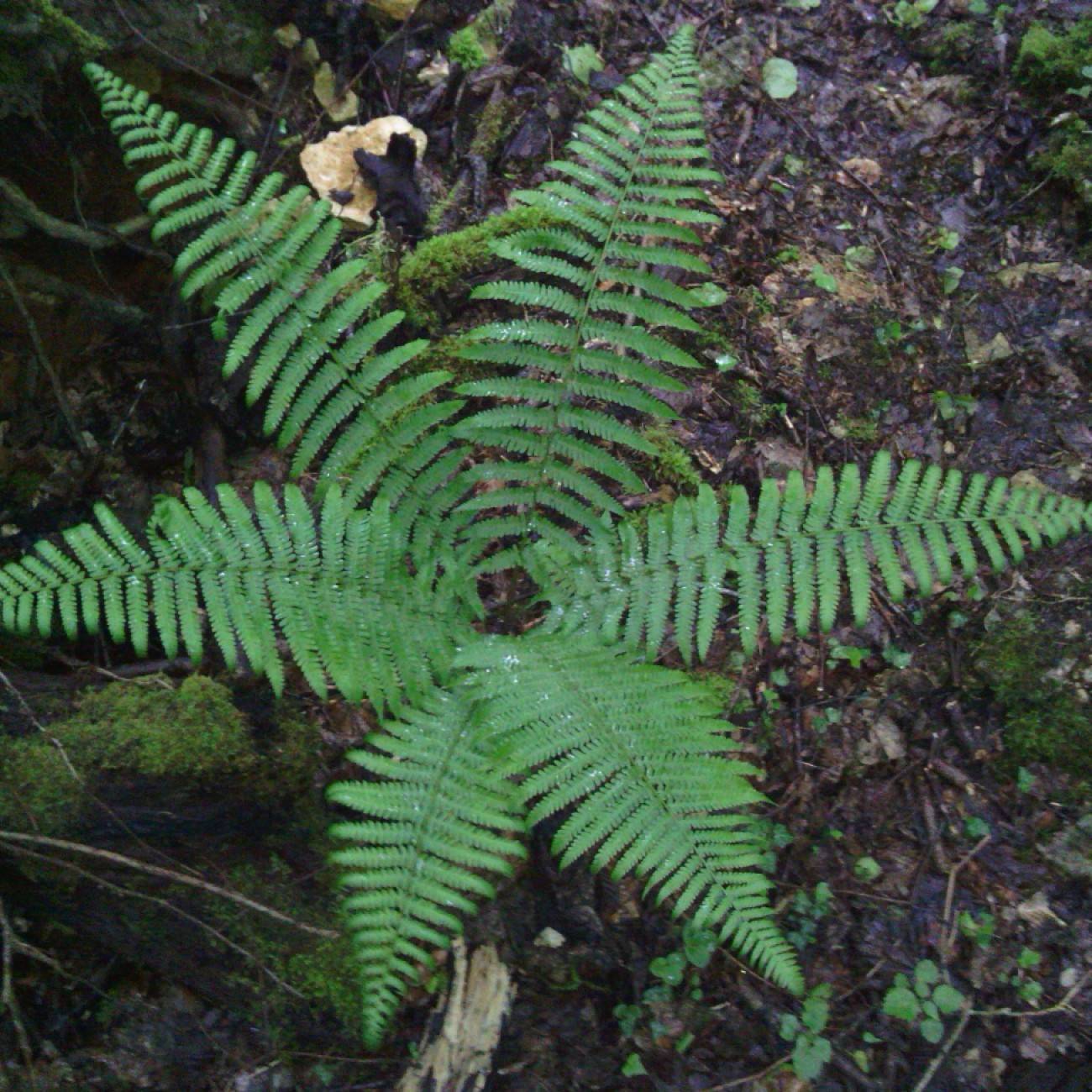
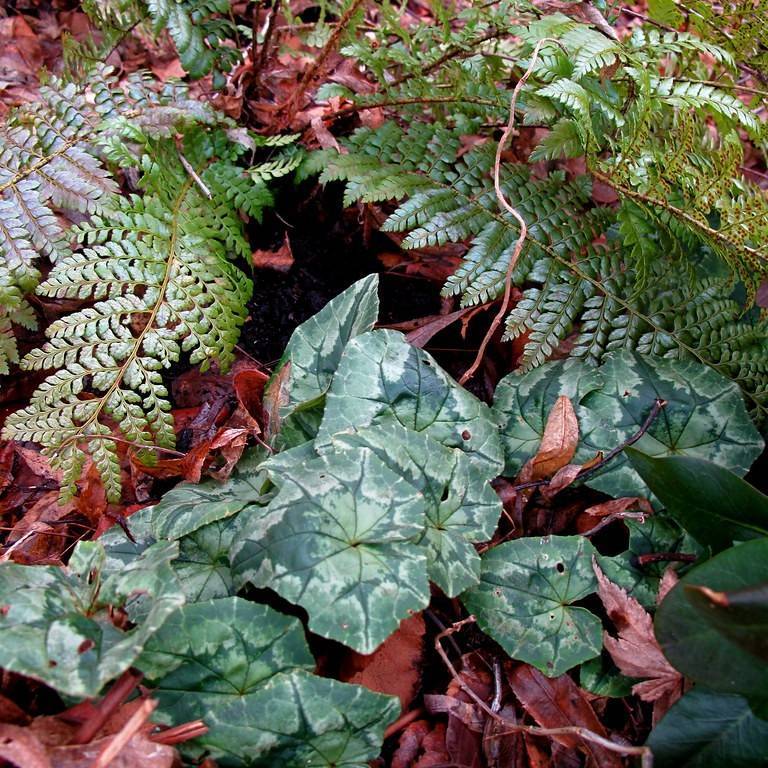
Korean Rock Fern is a small, clumping evergreen fern valued for its neat, symmetrical growth habit and year-round foliage interest. Its lacy, pinnate fronds emerge with a subtle bronze tint before maturing to a deep, glossy green, with contrasting dark brown to black stipes (frond stems) that add visual texture. Adaptable to rocky, well-drained sites, it naturally grows on shaded rock outcrops and forest slopes in its native range, making it a versatile choice for a range of growing environments.
Care Guide
Watering
Water consistently to keep the soil evenly moist but not waterlogged, allowing the top 1 inch of soil to dry out slightly between waterings to prevent root rot. Reduce watering frequency in winter when growth slows, taking care not to let the root ball dry out completely. Avoid overhead watering that saturates the frond crown, as this can increase the risk of fungal rot.
Light
Thrives in partial to full shade, with dappled, indirect light being ideal for healthy growth. Direct, intense sunlight will scorch its delicate fronds, causing yellowing or browning at the edges. When grown indoors, place it near a north or east-facing window where it receives gentle, filtered light throughout the day.
Soil
Requires well-drained, humus-rich soil with a slightly acidic to neutral pH between 5.5 and 7.0 for optimal growth. Amending planting sites with compost, leaf mold, or peat moss will improve soil structure, moisture retention, and nutrient content. For container growing, use a loose, porous potting mix designed for ferns or a mix of regular potting soil, perlite, and orchid bark to ensure adequate drainage.
Fertilizer
Feed lightly once per month during the active growing season (spring through early fall) with a balanced, water-soluble fertilizer diluted to half the recommended strength. Avoid over-fertilizing, as this can cause leaf tip burn and damage the fern’s sensitive root system. Skip fertilization entirely during the winter months when the plant is dormant.
Temperature
Prefers cool to moderate temperatures between 55–75°F (13–24°C), and is cold hardy down to -10°F (-23°C) when grown outdoors in USDA zones 5 through 8. Indoor plants should be kept away from drafty windows, heating vents, and air conditioning units that cause sudden temperature fluctuations. While it tolerates short periods of frost, prolonged freezing temperatures may damage evergreen fronds, which can be trimmed back in early spring to make way for new growth.
Pruning
Minimal pruning is required; simply snip off any brown, damaged, or dying fronds at the base in early spring before new growth emerges to maintain a tidy appearance. Remove any fallen debris from around the base of the plant regularly to improve air circulation and reduce the risk of fungal disease. Avoid cutting back healthy green fronds, as this can weaken the plant by reducing its ability to photosynthesize.
Propagation
Most easily propagated by division of established clumps in early spring, just before new fronds begin to unfurl. Carefully dig up the root ball, gently separate it into smaller sections with at least 3–4 healthy fronds and a portion of the root system attached, then replant each section at the same depth it was growing previously. It can also be grown from spores, but this method is slow and requires consistent high humidity and sterile growing conditions, making it less practical for most home gardeners.
Humidity
Thrives in moderate to high humidity levels between 40–60%, which mimics its native forest habitat. Indoor-grown plants benefit from regular misting with room-temperature water, placement on a pebble tray filled with water, or use of a small humidifier in dry indoor environments. Low humidity may cause frond tips to turn brown, so take extra steps to boost moisture levels during winter when indoor heating dries out the air.
Repotting
Repot container-grown Korean Rock Fern every 2–3 years in early spring, or when the roots begin to grow through the drainage holes at the bottom of the pot. Choose a pot that is only 1–2 inches larger in diameter than the current one, as excess soil can hold too much moisture and lead to root rot. When repotting, gently loosen the root ball, add fresh fern potting mix, and water thoroughly to settle the soil around the roots.
Uses & Symbolism
Korean Rock Fern is a popular choice for shaded rock gardens, woodland gardens, and border edges, where its compact size and evergreen foliage provide year-round interest. It also grows well in containers, both outdoors on shaded patios and indoors as a low-maintenance houseplant, adding lush greenery to low-light spaces. In traditional East Asian medicine, extracts from the plant have historically been used to treat a range of minor ailments, though it is not widely used for medicinal purposes in Western cultures.
Diseases & Pests
Korean Rock Fern is relatively pest and disease resistant, but it can be susceptible to common fern pests such as aphids, scale insects, and spider mites, especially in dry, low-humidity indoor conditions. Overwatering or poor drainage can lead to root rot, fungal leaf spots, and crown rot, which can be prevented by ensuring proper soil drainage and avoiding over-saturating the plant’s crown. Slugs and snails may occasionally feed on young, tender fronds in outdoor garden settings, so use organic slug bait or physical barriers to protect new growth in areas with high pest pressure.
Related plants
Other plants you might like if you grow Korean Rock Fern.