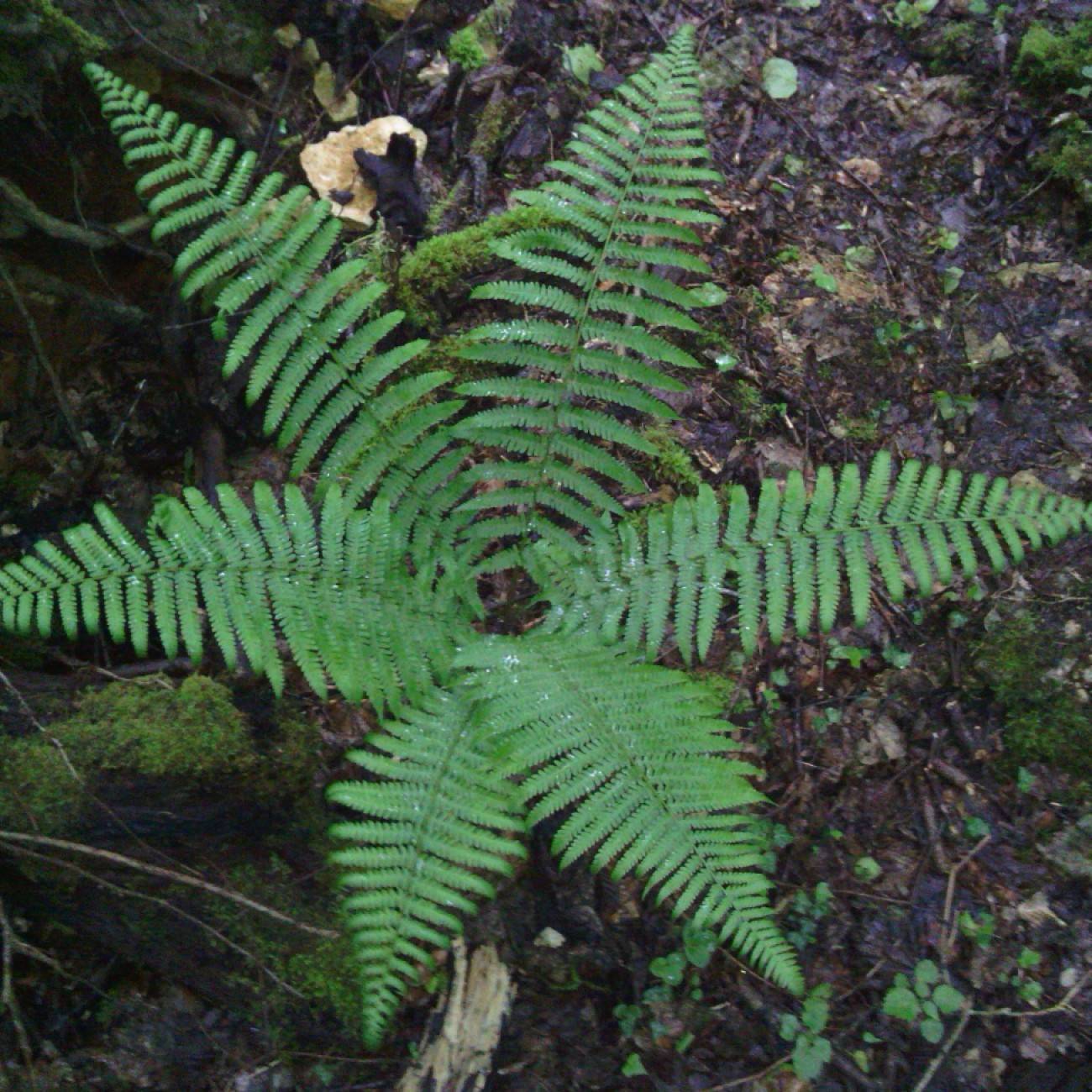
Dwarf Holly Fern
Cyrtomium falcatum 'Rochfordianum'
Overview
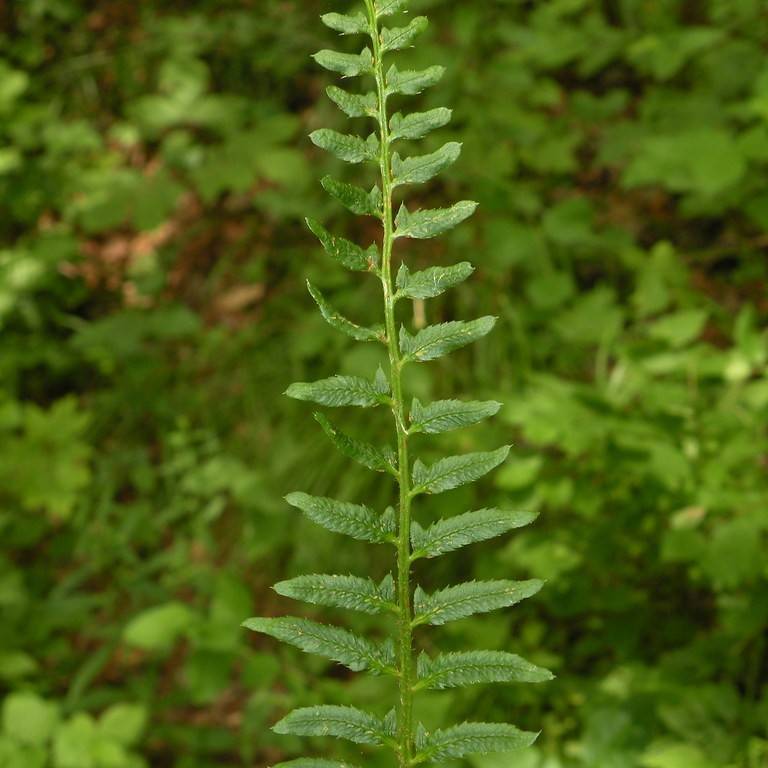
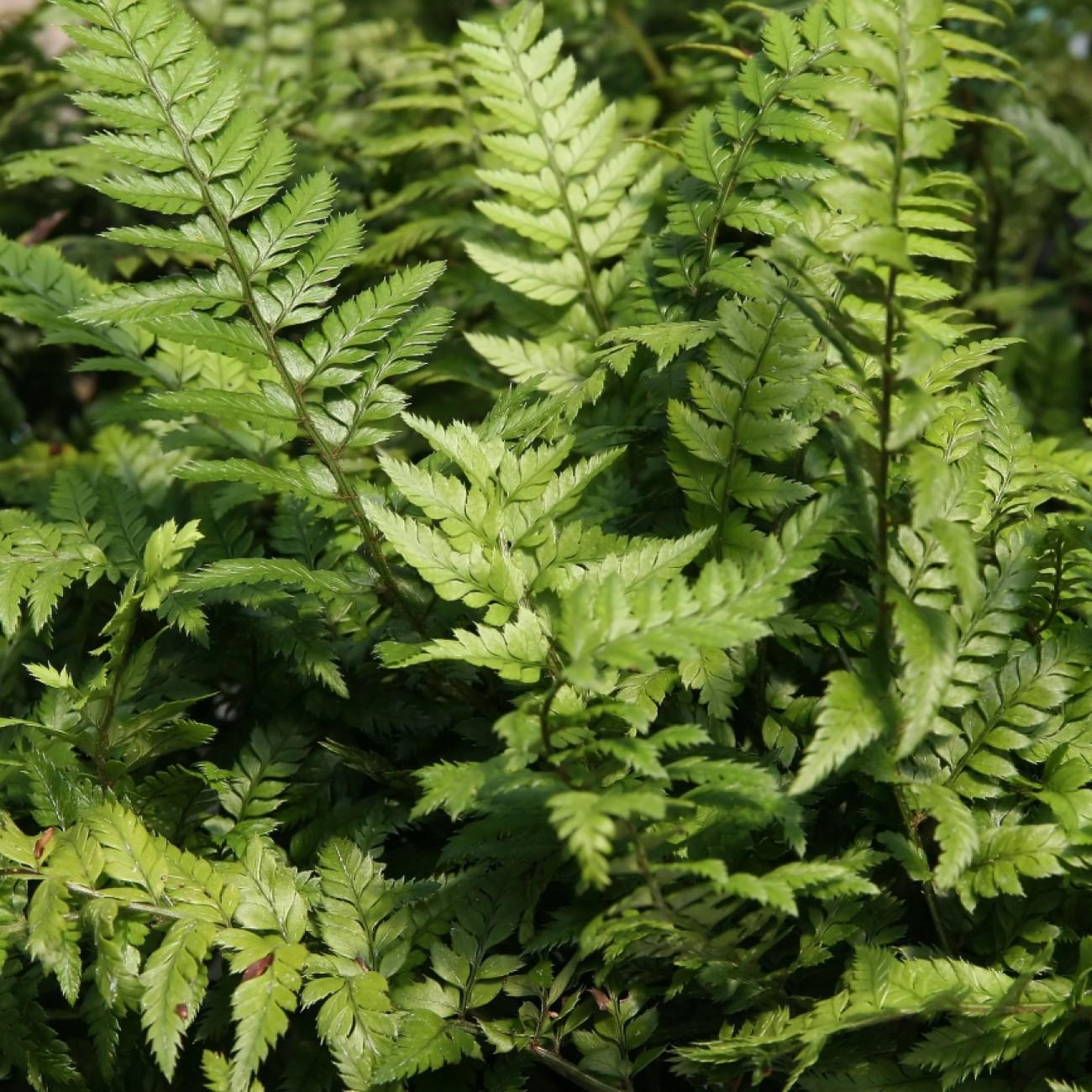
Dwarf Holly Fern is a compact cultivar of the Japanese holly fern, prized for its leathery, glossy dark green fronds with spiny, holly-shaped leaflets that set it apart from softer, more delicate fern varieties. It is a cold-hardy, shade-tolerant fern that thrives in understory plantings, shaded rock gardens, or as a year-round houseplant in temperate regions. Unlike many ferns, it tolerates occasional dry spells and lower humidity, making it a versatile choice for both beginner and experienced gardeners.
Care Guide
Watering
Water regularly to keep the soil consistently moist but not waterlogged, allowing the top 1 inch of soil to dry out slightly between waterings during the growing season. Reduce watering frequency in winter when growth slows, taking care not to let the root ball dry out completely for extended periods. Avoid overwatering, as soggy soil can lead to root rot, especially in cool, low-light conditions.
Light
Grow in partial to full shade, avoiding direct midday sunlight that can scorch its glossy fronds and cause leaf browning. When grown indoors, place it in a bright, indirectly lit location such as a north-facing window or a spot set back from an east or west-facing window. It tolerates lower light conditions better than many other fern varieties, though growth may be slower in deep shade.
Soil
Plant in well-draining, humus-rich soil with a slightly acidic to neutral pH between 5.5 and 7.0 for optimal growth. For indoor container growing, use a peat-based potting mix amended with perlite or orchid bark to improve drainage and aeration around the roots. Avoid heavy, compacted clay soils that retain excess moisture and can suffocate the fern's shallow root system.
Fertilizer
Feed with a diluted, balanced liquid houseplant fertilizer once a month during the spring and summer growing season, when new fronds are actively emerging. Do not fertilize during the fall and winter dormant period, as this can lead to salt buildup in the soil and damage sensitive fern roots. Over-fertilization can cause brown leaf tips and stunted growth, so always apply fertilizer at half the recommended strength.
Temperature
Thrives in average temperatures between 60-75°F (15-24°C), and can tolerate short periods of cold down to 10°F (-12°C) when grown outdoors in USDA hardiness zones 6-9. When grown indoors, protect it from cold drafts near windows, doors, or heating vents that can cause frond desiccation. Avoid exposing it to sustained temperatures above 85°F (29°C) without increased humidity to prevent leaf stress.
Pruning
Remove brown, yellowed, or damaged fronds at the base with clean, sharp pruning shears as they appear to maintain the plant's tidy appearance and encourage new growth. Prune back any dead or winter-damaged fronds in early spring before new fronds begin to unfurl for the growing season. Regular pruning also improves air circulation around the plant, reducing the risk of fungal diseases.
Propagation
Most easily propagated by division of mature clumps in early spring, before new growth begins, by carefully separating the root ball into smaller sections with at least 2-3 healthy fronds each. Each divided section can be potted up individually or replanted in a new garden location, kept consistently moist until new roots establish. Spore propagation is possible but much slower and less reliable for home gardeners, requiring sterile conditions and several months of growth to produce mature plants.
Humidity
Prefers moderate to high humidity levels between 50-70%, though it tolerates average household humidity better than many tropical fern varieties. To boost humidity for indoor plants, place the pot on a tray filled with pebbles and water, mist the fronds regularly, or use a small room humidifier near the plant during dry winter months or in arid climates. Low humidity can cause brown, crispy leaf edges, though this is rarely fatal to the hardy fern.
Repotting
Repot indoor dwarf holly ferns every 2-3 years in spring, or when the roots have filled the current pot and begin to grow through the drainage holes. Choose a pot that is 1-2 inches larger in diameter than the current one, with adequate drainage holes to prevent waterlogging. After repotting, water thoroughly and keep the plant in a shaded, humid location for a week to reduce transplant shock while new roots establish.
Uses & Symbolism
Dwarf Holly Fern is widely used as a groundcover in shaded woodland gardens, rock gardens, and under tree canopies where other plants struggle to grow, providing year-round evergreen foliage in mild climates. It is also a popular low-maintenance houseplant, well-suited for terrariums, shaded shelf displays, or bathroom spaces with indirect light and higher humidity. Its compact size and attractive, textured fronds make it a common choice for shaded container plantings on patios or porches, and its cut fronds are often used in floral arrangements for their long-lasting, glossy appearance.
Diseases & Pests
Dwarf Holly Fern is relatively pest and disease resistant, though it can be susceptible to common fern pests such as scale, mealybugs, and spider mites, especially in dry, low-humidity indoor conditions. Overwatering or poorly draining soil can lead to root rot, a fungal disease that causes yellowing fronds, wilting, and eventual plant death if not addressed quickly by adjusting watering practices and repotting in fresh, dry soil. Fungal leaf spot can occasionally occur if fronds are kept consistently wet with poor air circulation, which can be prevented by watering at the base of the plant and spacing garden specimens to allow airflow between plants.
Related plants
Other plants you might like if you grow Dwarf Holly Fern.