Leafy Goosefoot
Chenopodium foliosum
Overview
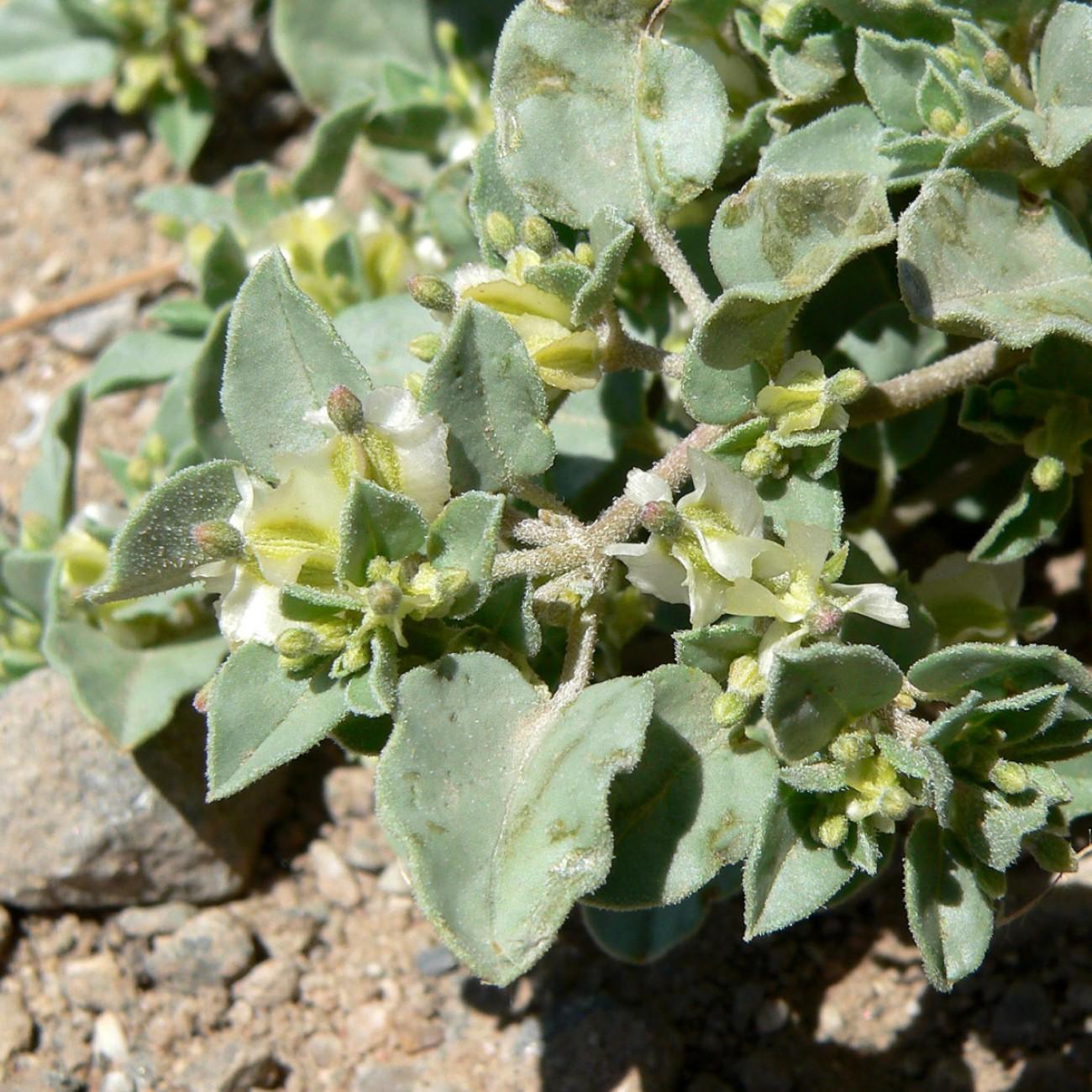
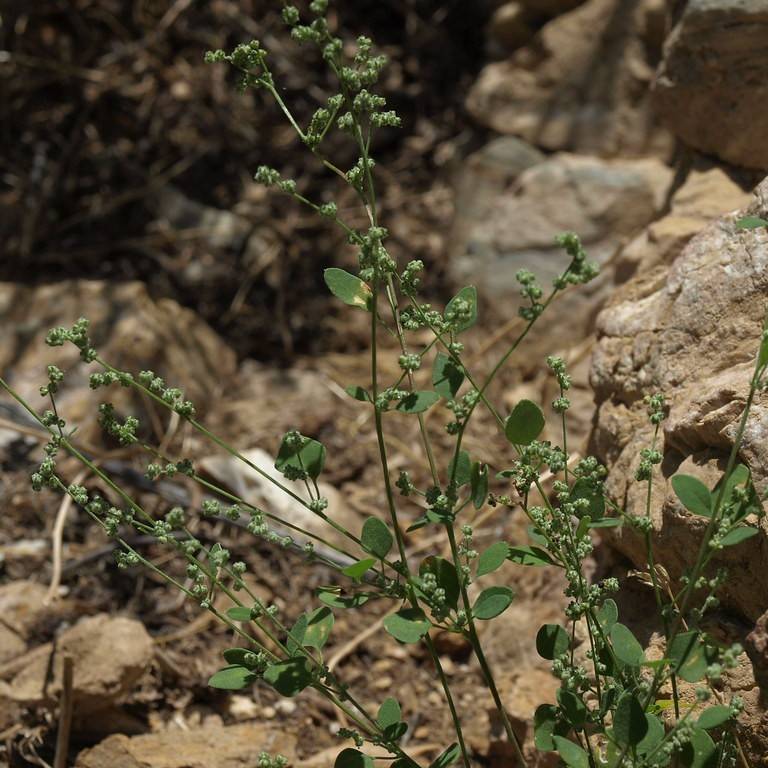
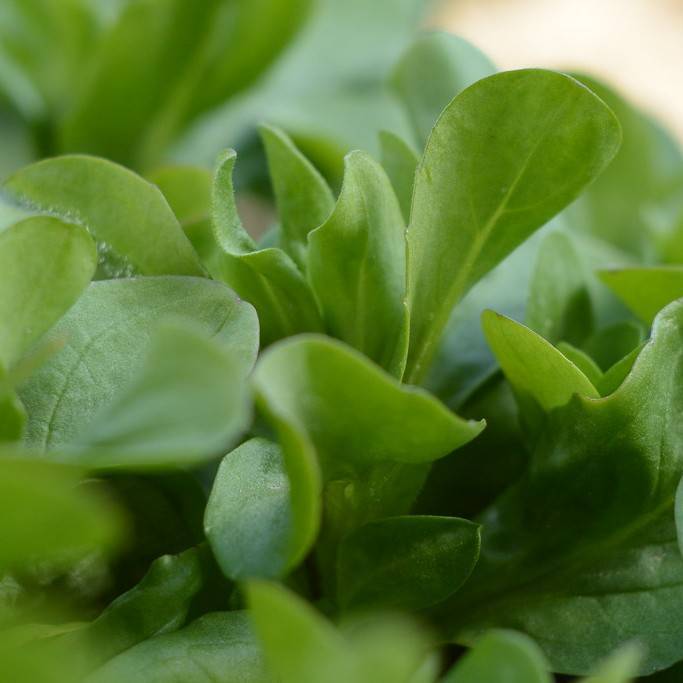
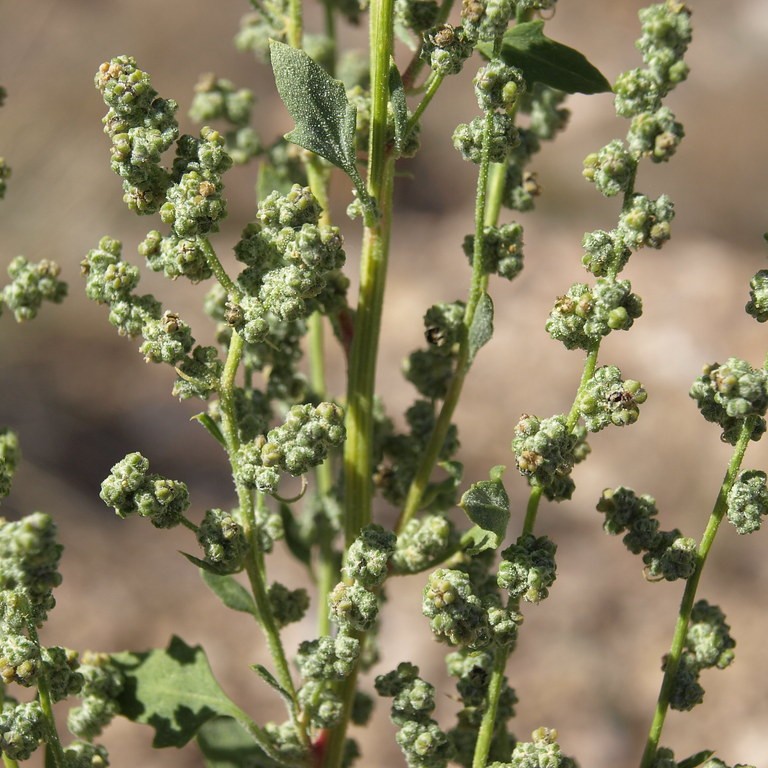
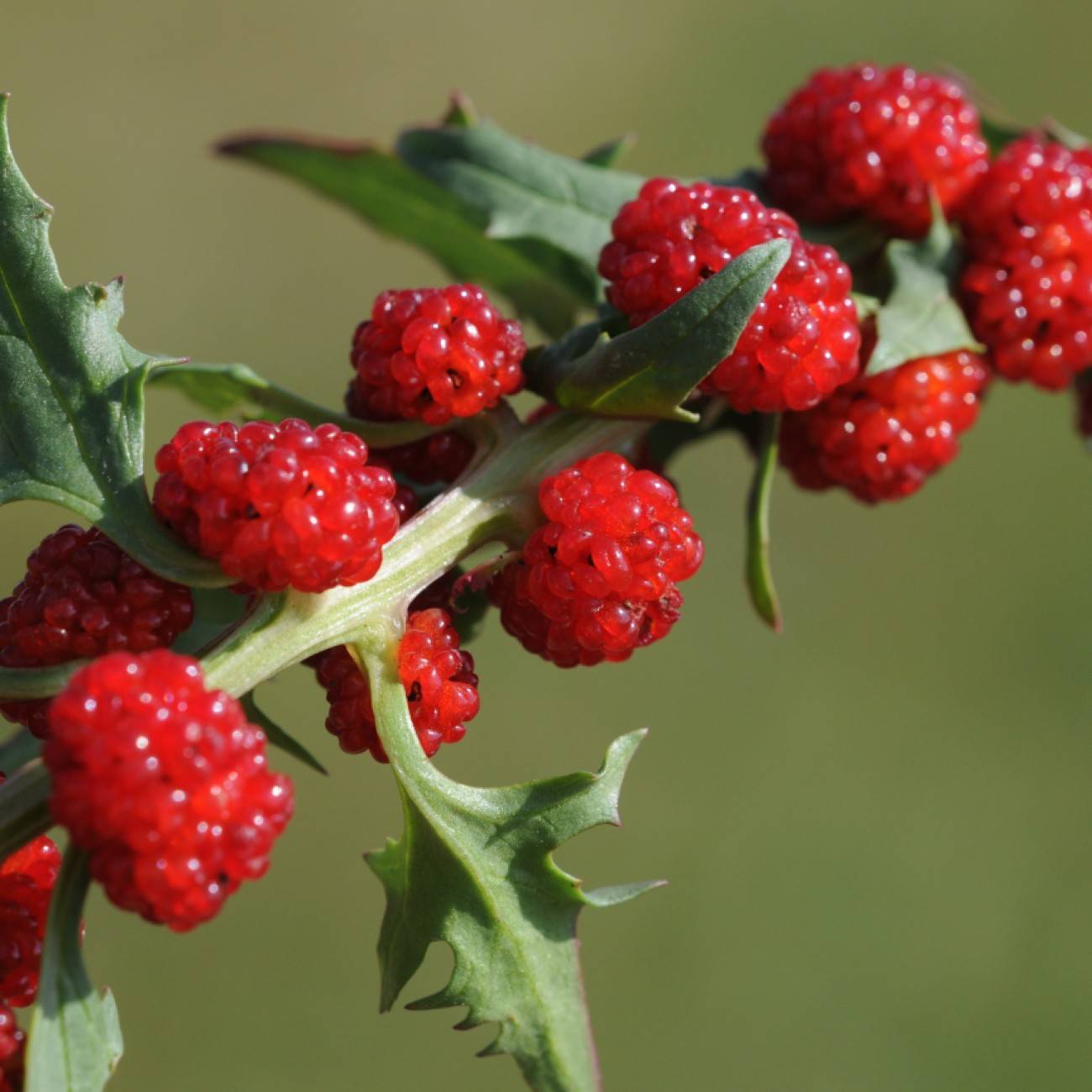
Leafy goosefoot, also sometimes called many-leaved goosefoot, is a hardy annual member of the amaranth family that thrives in disturbed soils, gardens, and semi-arid habitats across its native range. It produces tender, bright green, ovate leaves with slightly toothed edges, and small, inconspicuous greenish flower clusters that mature into tiny edible seeds. Though often considered a wild edible or minor crop in many regions, it is increasingly cultivated as a heat-tolerant alternative to spinach that resists bolting in warm summer conditions.
Care Guide
Watering
Leafy goosefoot has moderate water needs, requiring consistent moisture in the top 2 inches of soil to promote tender leaf growth, though it is highly drought-tolerant once established and can survive extended dry periods. Water deeply once or twice per week during dry spells, avoiding overwatering that can lead to root rot, and reduce watering frequency once plants are fully mature. Allow the top inch of soil to dry out between waterings for plants grown in containers to prevent soggy substrate.
Light
This species grows best in full sun, receiving 6 or more hours of direct sunlight daily, which encourages dense, lush leaf production and sturdy stem growth. It can tolerate partial shade, though growth will be leggier and leaf yields may be reduced, making full sun the preferred condition for cultivated edible crops. Avoid planting in heavily shaded locations, as this will increase susceptibility to fungal diseases and slow overall growth.
Soil
Leafy goosefoot is adaptable to a wide range of soil types, from sandy loam to clay, as long as the substrate is well-draining; it even thrives in poor, low-nutrient soils where other leafy greens struggle. It prefers a neutral to slightly alkaline pH between 6.5 and 8.0, though it can tolerate mildly acidic conditions down to pH 6.0 with no adverse effects. Amending heavy clay soils with a small amount of compost can improve drainage for container-grown plants, though additional soil enrichment is rarely necessary for in-ground specimens.
Fertilizer
As a low-nutrient adapted plant, leafy goosefoot requires very little fertilization, and excess nitrogen will lead to excessive stem growth and reduced leaf flavor. For poor, very depleted soils, apply a balanced, all-purpose organic fertilizer at half the recommended rate once at planting time to support initial establishment, with no additional feeding required for the rest of the growing season. Avoid high-nitrogen synthetic fertilizers entirely, as they can cause the plants to accumulate excess nitrates in their leaves.
Temperature
Leafy goosefoot is a cool-to-warm season annual that germinates best in soil temperatures between 50 and 75°F (10 and 24°C), and can tolerate light spring and fall frosts down to 28°F (-2°C) without damage. It is exceptionally heat-tolerant, continuing to produce tender leaves through temperatures above 90°F (32°C) when most spinach varieties bolt and turn bitter, making it an ideal summer green for warm climates. Plants will die back once hard freezes below 25°F (-4°C) occur in late fall.
Pruning
Pruning is minimal for leafy goosefoot, with regular harvesting of outer leaves acting as the primary pruning to encourage bushier, more productive growth. Pinch off any emerging flower stalks as soon as they appear if you are growing the plant solely for leaves, as flowering will cause leaves to become smaller and slightly bitter. Remove any yellowed or damaged lower leaves periodically to improve air circulation around the base of the plant and reduce the risk of fungal issues.
Propagation
Leafy goosefoot is most commonly propagated from seed, which can be directly sown outdoors in early spring, 2 to 3 weeks before the last expected frost date, as soon as soil can be worked. Sow seeds 1/4 inch deep, spaced 2 inches apart in rows 12 inches apart, and thin seedlings to 6 to 8 inches apart once they develop their second set of true leaves to give them room to mature. Plants readily self-seed in garden beds if allowed to flower and set seed, producing volunteer seedlings the following spring that can be transplanted or thinned as needed.
Humidity
Leafy goosefoot tolerates a wide range of humidity levels, from dry semi-arid conditions to moderate coastal humidity, with no special humidity requirements for healthy growth. Very high humidity above 70% combined with poor air circulation can increase the risk of powdery mildew on leaves, so space plants appropriately to allow for airflow between specimens. Indoor-grown plants do not require misting or humidity trays, and can thrive in the average humidity levels of most homes.
Repotting
Leafy goosefoot is rarely repotted, as it is a fast-growing annual that completes its entire lifecycle in a single growing season. If growing in containers, select a pot at least 6 inches deep with drainage holes at planting time, and plants will not require a larger container for the duration of their growth. If seedlings were started in small cell trays, transplant them to their final container or in-ground location once they develop 2 to 3 true leaves to avoid root disturbance later in growth.
Uses & Symbolism
Leafy goosefoot is primarily grown as an edible leaf vegetable, with young leaves eaten raw in salads, sandwiches, and wraps, or cooked like spinach in stir-fries, soups, stews, and sautés, offering a mild, slightly nutty flavor and high levels of vitamin A, vitamin C, iron, and calcium. The small, nutrient-dense seeds are also edible, and can be ground into flour, popped like popcorn, or added to granola and porridge, similar to the closely related quinoa. In some regions, it is also used as a fast-growing cover crop to suppress weeds and improve soil structure in vegetable beds between main crop plantings.
Diseases & Pests
Leafy goosefoot is relatively pest and disease resistant, with few serious issues affecting healthy plants, though it can occasionally be affected by aphids, which suck sap from young leaves and can be controlled with a strong spray of water or insecticidal soap. Powdery mildew may develop on leaves in warm, humid conditions with poor air circulation, which can be prevented by spacing plants appropriately and avoiding overhead watering; affected leaves should be removed and discarded to stop spread. It is also a host for the beet leafhopper, which can transmit curly top virus to related crops like beets and spinach, so avoid planting leafy goosefoot near these crops if the virus is a known issue in your region.
Related plants
Other plants you might like if you grow Leafy Goosefoot.