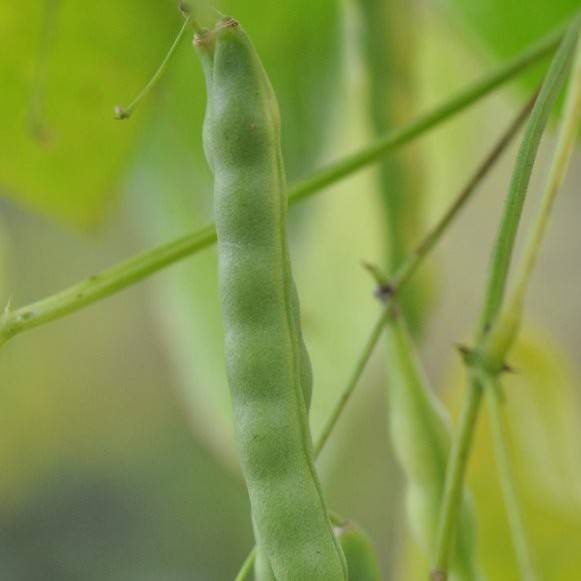
Common Bean
Phaseolus vulgaris
Overview
Phaseolus vulgaris, the common bean, is one of the most widely consumed legumes globally, with thousands of cultivated varieties ranging from compact bush types to climbing vining cultivars. It is a staple food crop in many regions, valued for its high protein, fiber, and micronutrient content including iron, folate, and potassium. Domesticated over 7,000 years ago in the Americas, it was spread worldwide following European colonization, adapting to diverse growing climates.
Care Guide
Watering
Bean plants require consistent, even moisture of 1-1.5 inches per week, with deep watering at the base to avoid wetting foliage and reduce fungal disease risk. Allow the top 1-2 inches of soil to dry slightly between waterings, and reduce watering frequency once pods begin to mature to prevent seed splitting.
Light
Beans thrive in full, direct sunlight, requiring a minimum of 6-8 hours of unobstructed sun daily to produce robust foliage and abundant pods. Insufficient light leads to leggy growth, reduced flowering, and lower yields, so avoid planting in shaded locations.
Soil
Plant beans in well-draining, loamy soil with a pH between 6.0 and 7.0, rich in organic matter such as compost or well-rotted manure. As legumes, they form symbiotic relationships with nitrogen-fixing bacteria in soil, so they do not require highly fertile soil; excess nitrogen will promote leaf growth over pod production.
Fertilizer
If soil is poor, apply a balanced, all-purpose fertilizer at planting time, prioritizing phosphorus and potassium over nitrogen to support flowering and pod development. Side-dress with compost mid-season for a mild nutrient boost, and avoid high-nitrogen fertilizers that will reduce yields.
Temperature
Beans are warm-season crops that grow best when air temperatures range between 65-85°F (18-29°C), and soil temperatures are at least 60°F (15°C) for successful germination. They are highly frost-sensitive, so plant seeds only after all risk of frost has passed, and protect young plants from unexpected cold snaps with row covers.
Pruning
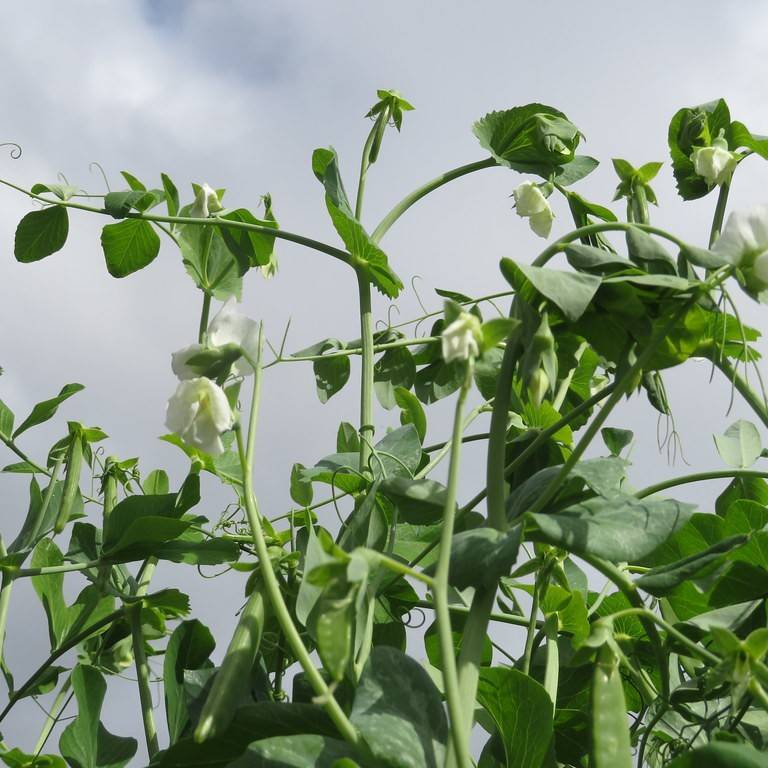
Bush bean varieties require minimal pruning, though you can remove yellowed lower leaves to improve air circulation around the base of the plant. For vining pole beans, pinch back the growing tip once the vine reaches the top of its support structure to redirect energy to pod production, and trim away any diseased or damaged foliage as needed.
Propagation
Beans are almost exclusively grown from seed, sown directly in the garden 1-2 inches deep, spaced 2-4 inches apart for bush varieties and 4-6 inches apart for pole varieties. They do not transplant well due to their fragile root systems, so direct sowing is preferred; you can pre-soak seeds for 2-4 hours before planting to speed germination, which typically occurs in 7-14 days under ideal conditions.
Humidity
Beans prefer moderate humidity levels between 40-70% for optimal growth; high humidity combined with poor air circulation increases the risk of fungal diseases like powdery mildew and rust. Avoid overhead watering to keep foliage dry, and space plants adequately to promote airflow and reduce moisture buildup around leaves.
Repotting
Beans are rarely grown in containers long-term, but if starting in pots for short periods, avoid repotting once seedlings have developed their first true leaves, as root disturbance will stunt growth or kill the plant. If growing in containers permanently, choose a pot at least 12 inches deep for bush varieties, and 18 inches deep for pole beans, to accommodate their root systems without needing repotting during their short growing season.
Uses & Symbolism
Immature green bean pods are eaten raw, steamed, sautéed, or canned as a popular fresh vegetable, while mature dry beans are a staple protein source used in soups, stews, curries, and side dishes across global cuisines. As a legume, beans are also used as a cover crop to fix nitrogen in soil, improve soil structure, and suppress weeds between growing seasons for other crops.
Diseases & Pests
Common fungal diseases affecting beans include powdery mildew, downy mildew, anthracnose, and bean rust, all of which thrive in wet, humid conditions and can be prevented by proper spacing, avoiding overhead watering, and rotating crops annually. Common pests include aphids, bean beetles, spider mites, and cutworms, which can be managed with neem oil, insecticidal soap, row covers, or companion planting with marigolds or garlic to repel pests.
Guides that mention Common Bean
Related plants
Other plants you might like if you grow Common Bean.