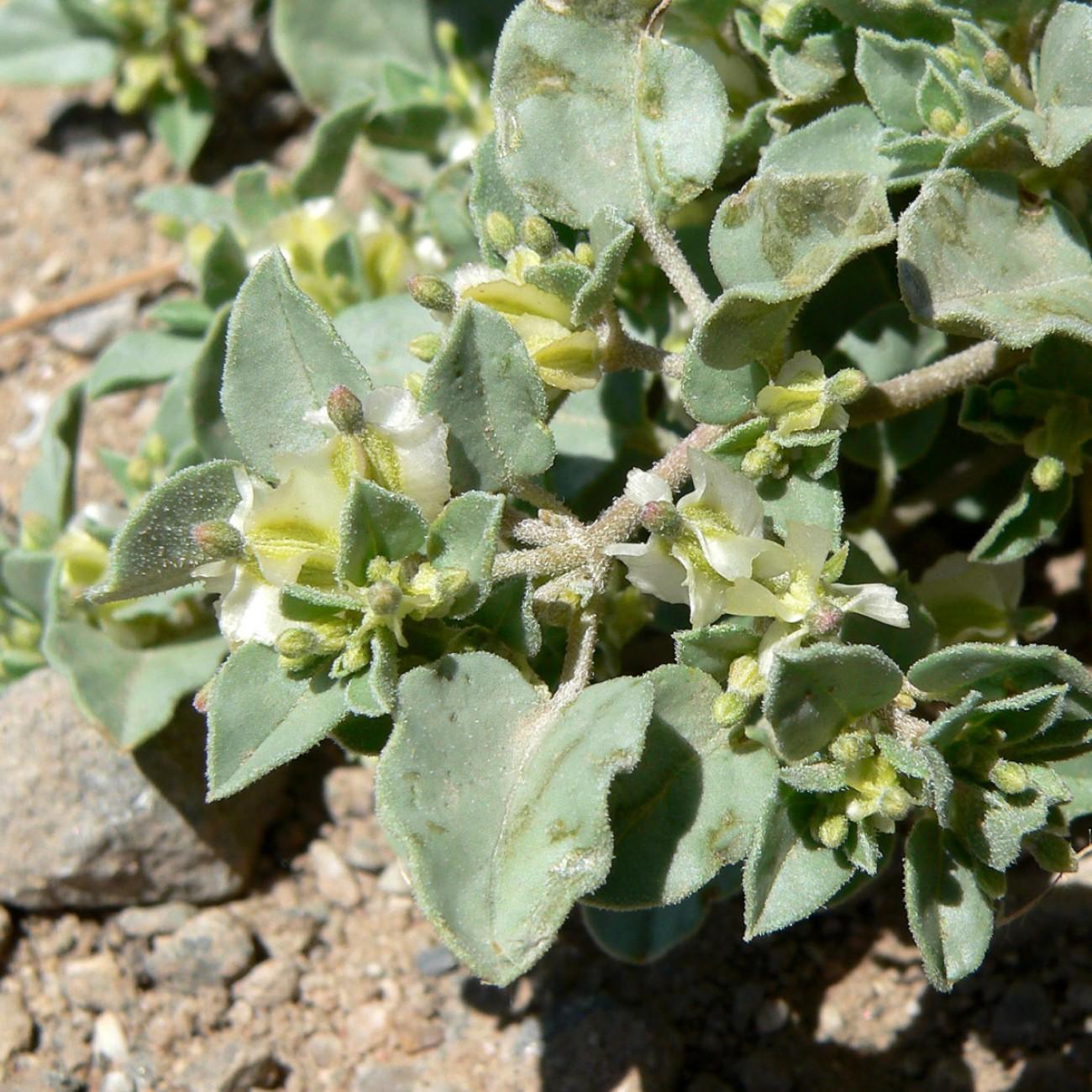
Belgian Saltbush
Atriplex hortensis var. rubra
Overview
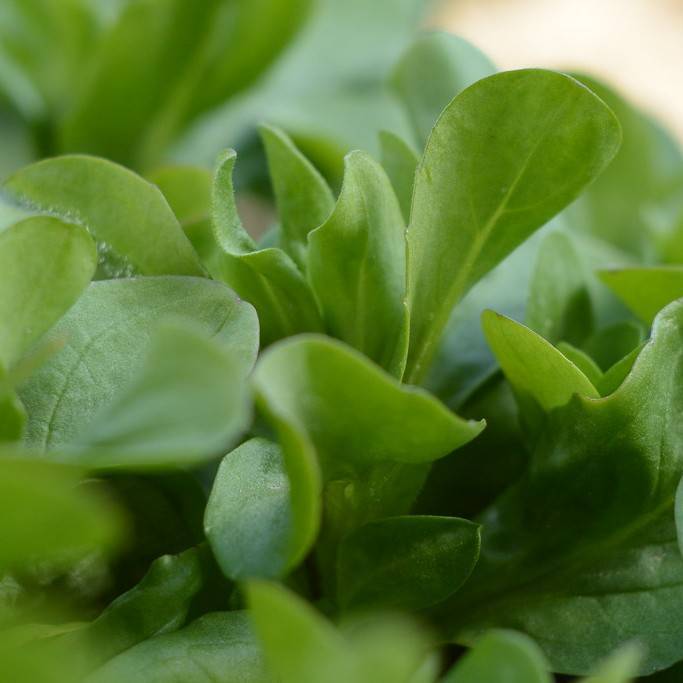
Belgian Saltbush, a red cultivar of garden orache, is a fast-growing annual valued for both its culinary utility and decorative appeal. Its tender, slightly salty leaves are a popular spinach substitute that holds up well to heat, avoiding the bitter taste spinach develops in warm weather. The plant’s striking red-purple foliage adds visual interest to vegetable gardens, ornamental borders, and container plantings, while its high salt tolerance makes it ideal for coastal or saline soil sites.
Care Guide
Watering
Belgian Saltbush is highly drought tolerant once established, requiring only occasional deep watering during extended dry periods. Avoid overwatering, as soggy soil can lead to root rot and reduce foliage flavor. Young plants need regular light watering to support root establishment, but can thrive with minimal supplemental moisture once mature.
Light
Grow Belgian Saltbush in full sun for the most vibrant foliage color and densest leaf production. It can tolerate partial shade, but plants will become leggy, produce fewer leaves, and have less intense red pigmentation. Ensure it receives a minimum of 6 hours of direct sunlight daily for optimal growth.
Soil
This adaptable plant grows well in a wide range of soil types, including poor, sandy, and saline soils that are unsuitable for most other leafy greens. It prefers well-drained soil with a pH between 6.0 and 8.0, and will even thrive in moderately alkaline conditions. Heavy clay soils can be amended with sand or organic matter to improve drainage and prevent root rot.
Fertilizer
Belgian Saltbush is a light feeder that rarely requires supplemental fertilization if grown in average garden soil. Excess nitrogen will lead to overly lush growth with reduced leaf flavor and less vibrant foliage color. For poor soils, apply a balanced, slow-release organic fertilizer at planting time to support initial growth, with no additional feeding needed for the rest of the growing season.
Temperature
It grows best in temperatures between 60–85°F (15–29°C), and can tolerate light frosts in both spring and fall without significant damage. Young seedlings are more sensitive to hard freezes, so plant outdoors after all risk of severe frost has passed. It tolerates heat far better than spinach, continuing to produce tender leaves through summer months when other leafy greens bolt.
Pruning
Regularly harvest outer leaves from mature plants to encourage bushier, more compact growth and prevent the plant from bolting prematurely. If flower stalks appear, pinch them back immediately to extend the leaf production season. At the end of the growing season, pull entire plants and compost them, as they will not regrow the following year.
Propagation
Belgian Saltbush is easily propagated from seed, sown directly in the garden 1–2 weeks before the last expected frost date. Sow seeds ¼ inch deep, spaced 2 inches apart in rows 18 inches apart, and thin seedlings to 12–18 inches apart once they develop their first set of true leaves. Successive sowing every 3–4 weeks from early spring to late summer will provide a continuous harvest of fresh leaves through the growing season.
Humidity
This plant tolerates a wide range of humidity levels, thriving in both dry arid climates and moderate humid temperate regions. Excessively high humidity combined with poor air circulation can increase the risk of foliar fungal diseases, so space plants appropriately to allow air flow around foliage. It has no special humidity requirements, making it adaptable to most growing regions.
Repotting
As a fast-growing annual, Belgian Saltbush is rarely repotted, and is typically grown either directly in the ground or in a sufficiently large container at planting time. If growing in a container, choose a pot at least 12 inches deep with drainage holes to accommodate its taproot, and avoid transplanting once it is established to prevent root shock. At the end of the growing season, discard the spent plant and refresh the soil for the next planting.
Uses & Symbolism
The tender young leaves of Belgian Saltbush are eaten raw in salads, cooked as a spinach substitute, or added to soups, stir fries, and savory baked goods, with a mild, slightly salty flavor that requires less added salt in recipes. Its vibrant red-purple foliage makes it a popular ornamental edging plant for vegetable gardens, mixed borders, and container displays, adding a pop of color while providing edible harvests. It is also used for phytoremediation of saline and heavy-metal contaminated soils, as it absorbs excess salts and toxins from growing media while remaining safe for culinary use when grown in non-contaminated sites.
Diseases & Pests
Belgian Saltbush is relatively pest and disease resistant, with few common issues in home gardens. Aphids and spider mites may occasionally infest young foliage, which can be controlled with a strong spray of water or insecticidal soap. Fungal diseases such as downy mildew and powdery mildew can occur in overly wet, poorly ventilated conditions, so avoid overhead watering and space plants properly to reduce risk.
Related plants
Other plants you might like if you grow Belgian Saltbush.