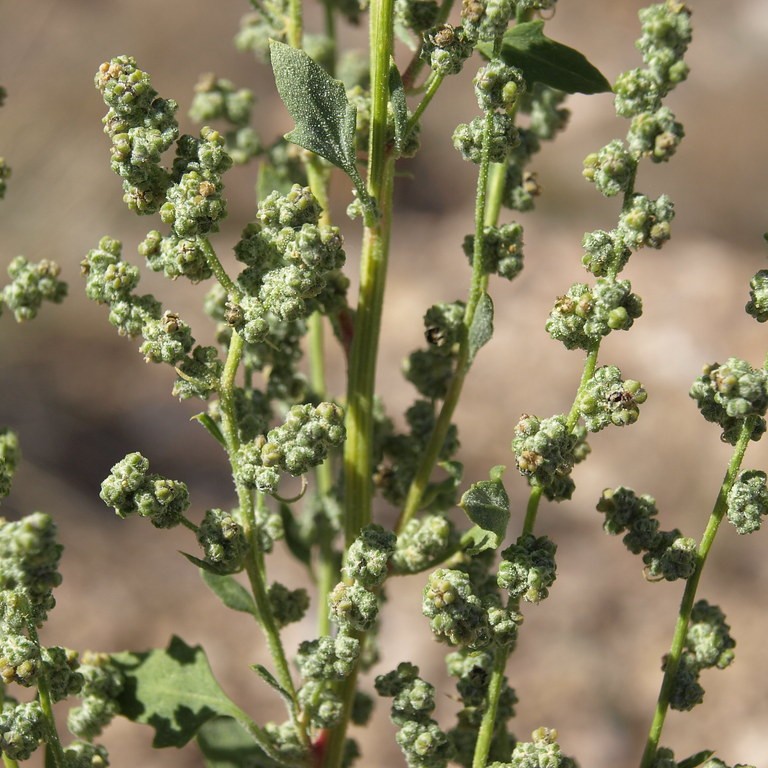
Bush S Goosefoot
Chenopodium bushianum
Overview
Bush S Goosefoot, also called Bush's goosefoot, is a upright, branching annual native to prairies, old fields, and disturbed sites across eastern and central North America. It bears triangular, slightly fuzzy gray-green leaves and small clusters of greenish flowers that mature into small, nutrient-dense black seeds. Closely related to quinoa and lamb's quarters, it has a long history of use as a wild food source by Indigenous peoples of North America.
Care Guide
Watering
Bush S Goosefoot is drought-tolerant once established, requiring only occasional deep watering during prolonged dry spells; avoid overwatering to prevent root rot. It thrives in evenly moist but well-drained soil, and will tolerate short periods of water scarcity far better than soggy conditions. Seedlings need consistent light moisture to germinate and establish, but mature plants can thrive with minimal supplemental irrigation.
Light
This plant grows best in full sun, receiving at least 6 hours of direct sunlight daily for optimal leaf and seed production. It can tolerate partial shade, though growth will be leggier and seed yields may be reduced. It adapts well to a range of light conditions, making it suitable for both open garden beds and partially shaded edge plantings.
Soil
Bush S Goosefoot is highly adaptable to most soil types, including poor, compacted, or nutrient-deficient soils where other crops struggle. It prefers a neutral to slightly alkaline pH between 6.0 and 7.5, but will tolerate slightly acidic conditions as well. Well-drained loam is ideal, but it will grow readily in clay, sandy, or gravelly soils with minimal amendment.
Fertilizer
This low-maintenance plant rarely requires supplemental fertilizer, as it can obtain all necessary nutrients from even poor quality soil. If grown in extremely depleted soil, a light application of balanced all-purpose fertilizer at planting time will support healthy growth. Over-fertilization will lead to excessive leafy growth at the expense of seed production, so avoid regular feeding.
Temperature
Bush S Goosefoot is a warm-season annual that germinates best when soil temperatures are between 60 and 75°F (15 and 24°C). It tolerates high summer temperatures well, and can survive light frosts in fall, though hard freezes will kill the plant entirely. It is adapted to USDA hardiness zones 3 through 9 as an annual, growing during the warm frost-free months.
Pruning
Pruning is generally unnecessary for Bush S Goosefoot, though you can pinch back the top growth of young plants to encourage bushier, more compact growth. Remove any yellowed or damaged lower leaves throughout the growing season to improve air circulation and reduce risk of fungal disease. If you want to prevent self-seeding, cut back flower heads before they mature and release seeds.
Propagation
Bush S Goosefoot is almost exclusively propagated from seed, which can be direct sown outdoors in spring after all risk of frost has passed. Scatter seeds lightly on the soil surface and cover with a thin 1/8 inch layer of soil, as light aids germination, which typically occurs within 7 to 14 days. It readily self-seeds in garden settings, with volunteer seedlings often appearing year after year if allowed to drop seed.
Humidity
This plant tolerates a wide range of humidity levels, thriving in both the dry conditions of the Great Plains and the humid summers of the eastern United States. High humidity paired with poor air circulation can increase risk of foliar fungal diseases, so space plants 12 to 18 inches apart to allow for airflow. It has no specific humidity requirements, making it adaptable to most temperate and continental climates.
Repotting
Bush S Goosefoot is almost always grown directly in garden beds rather than in containers, so repotting is rarely required. If grown in pots, transplant seedlings to larger containers only if roots begin to emerge from the drainage holes, using a standard well-drained potting mix. Mature plants do not respond well to root disturbance, so avoid repotting once they have begun flowering.
Uses & Symbolism
The young leaves of Bush S Goosefoot are edible raw in salads or cooked like spinach, with a mild, slightly earthy flavor similar to lamb's quarters. The small, black seeds are nutrient-dense, high in protein and fiber, and can be ground into flour, popped like popcorn, or cooked as a grain similar to quinoa. It is also used as a cover crop to improve soil structure and suppress weeds, and provides food for native birds and pollinators.
Diseases & Pests
Bush S Goosefoot is relatively pest and disease resistant, though it can be susceptible to aphids, spider mites, and leaf miners, which can be controlled with insecticidal soap or neem oil if infestations are severe. Fungal diseases such as powdery mildew and downy mildew may occur in humid, poorly ventilated conditions, which can be prevented by spacing plants properly and avoiding overhead watering. It is also a host for some beet leafhopper species, which can spread viral diseases to nearby vegetable crops, so monitor plantings if growing near beets or spinach.
Related plants
Other plants you might like if you grow Bush S Goosefoot.
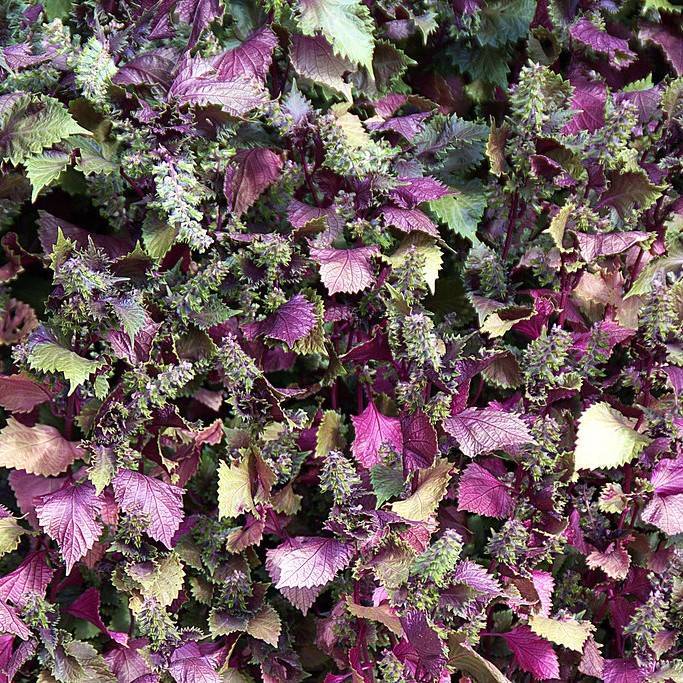
Beefsteak Plant
Perilla frutescens var. crispa
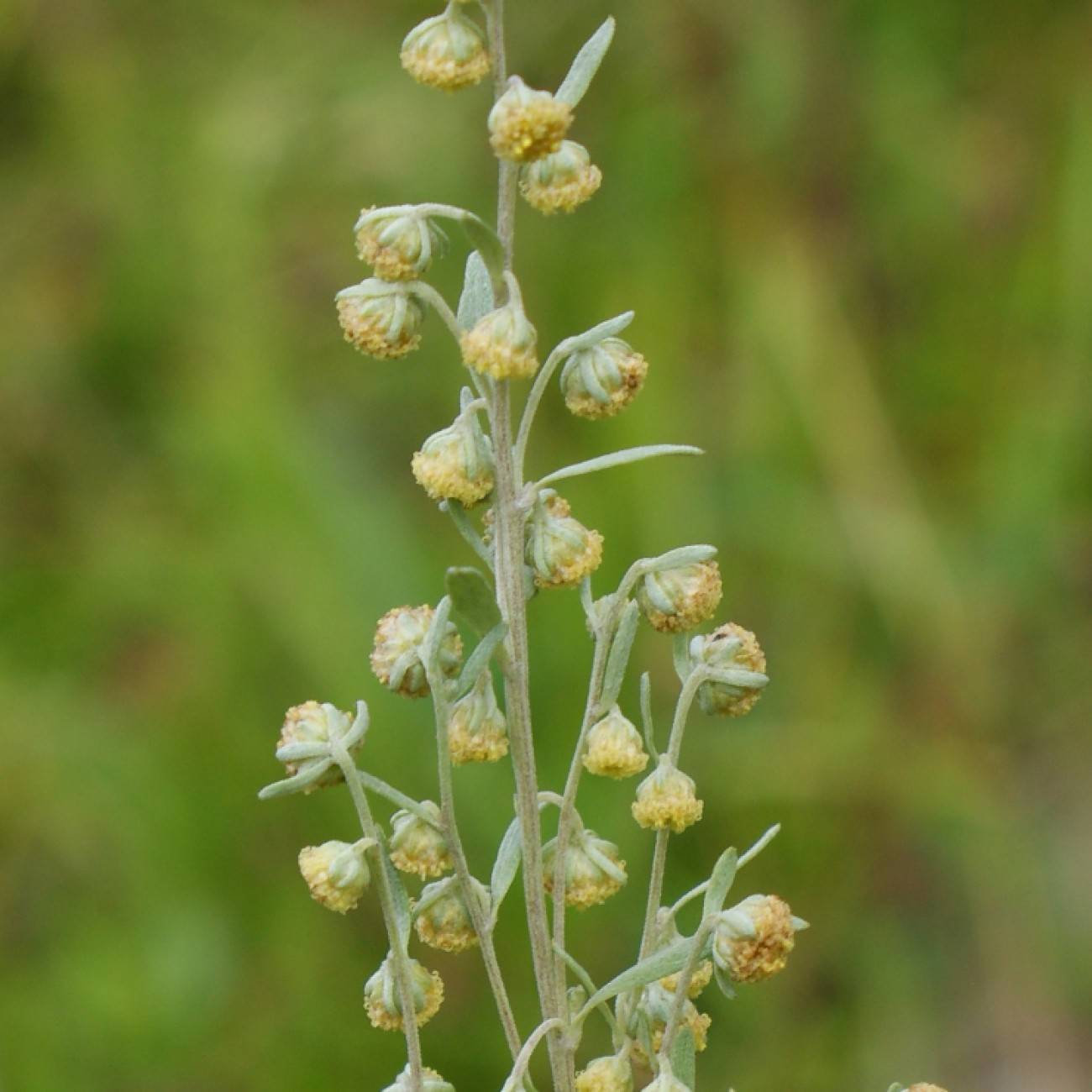
Desert Goosefoot
Chenopodium pratericola
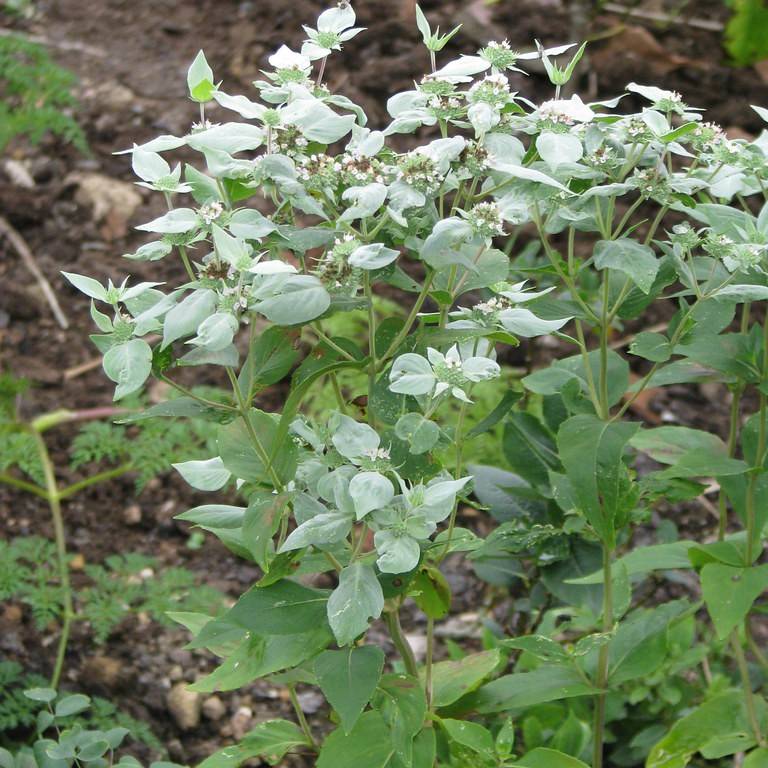
Blunt Mountainmint
Pycnanthemum muticum
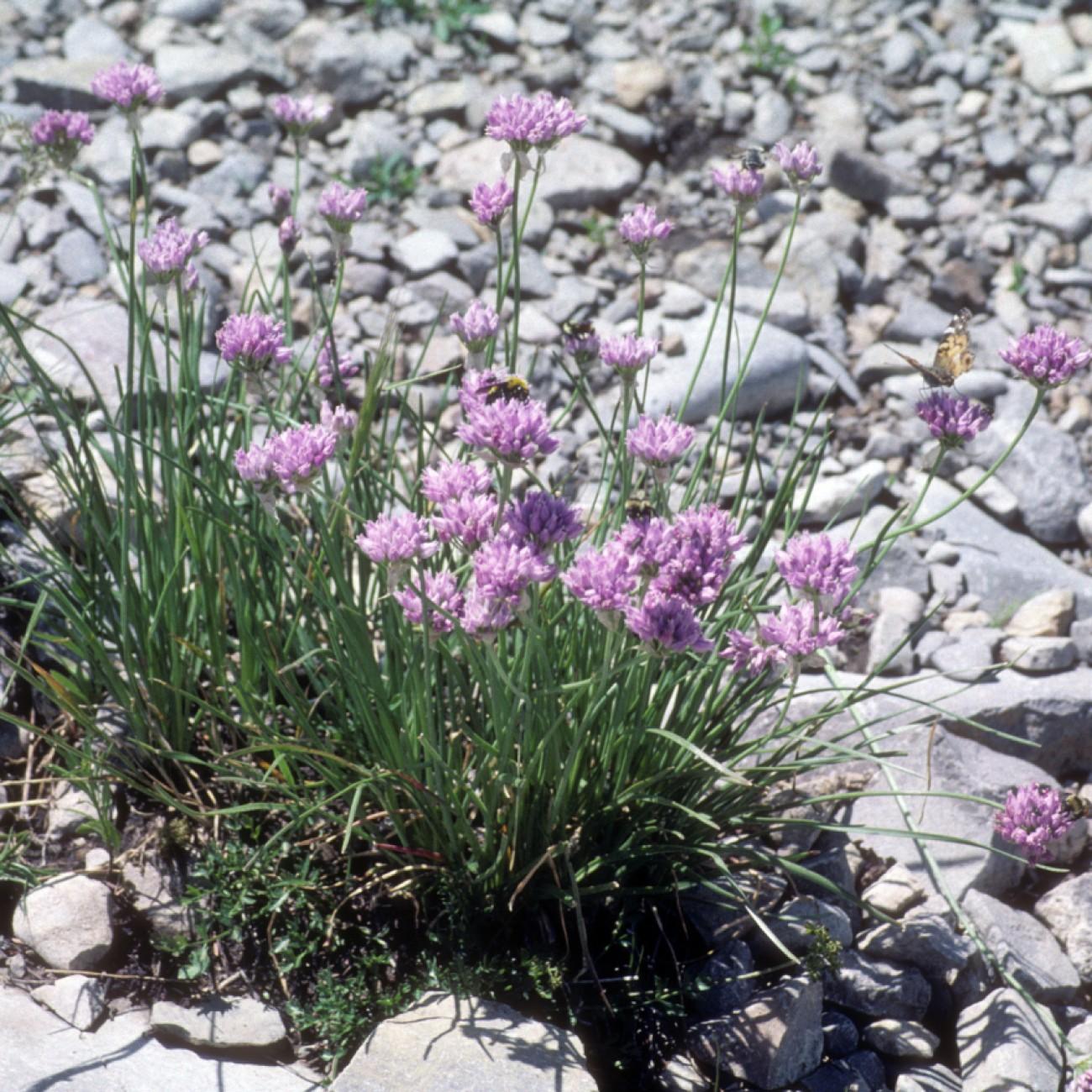
Geyer's Onion
Allium geyeri
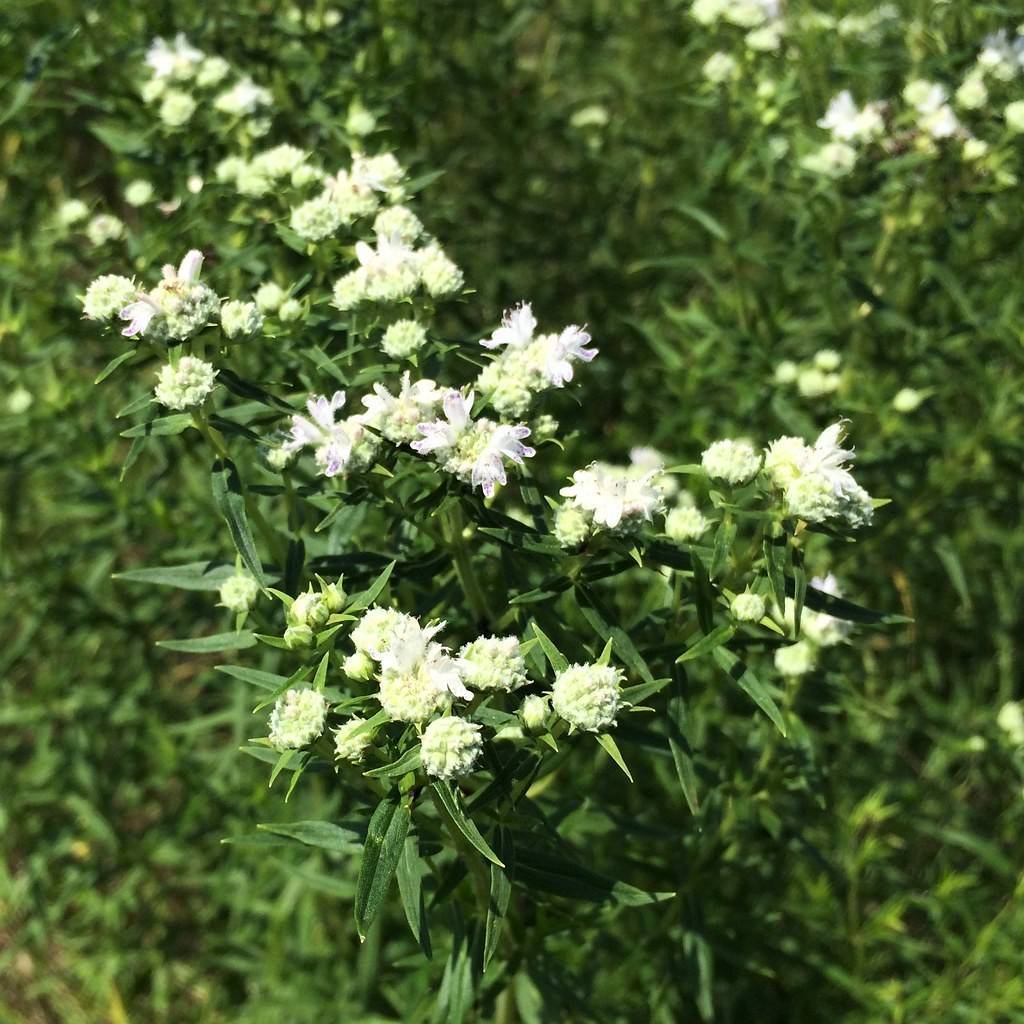
American Mountain Mint
Pycnanthemum virginianum
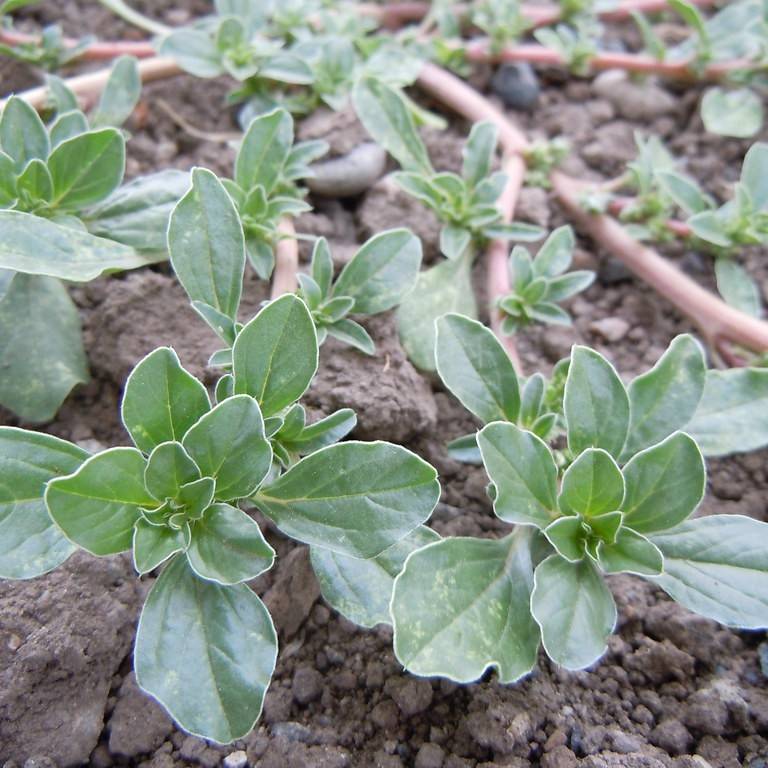
California Amaranth
Amaranthus californicus
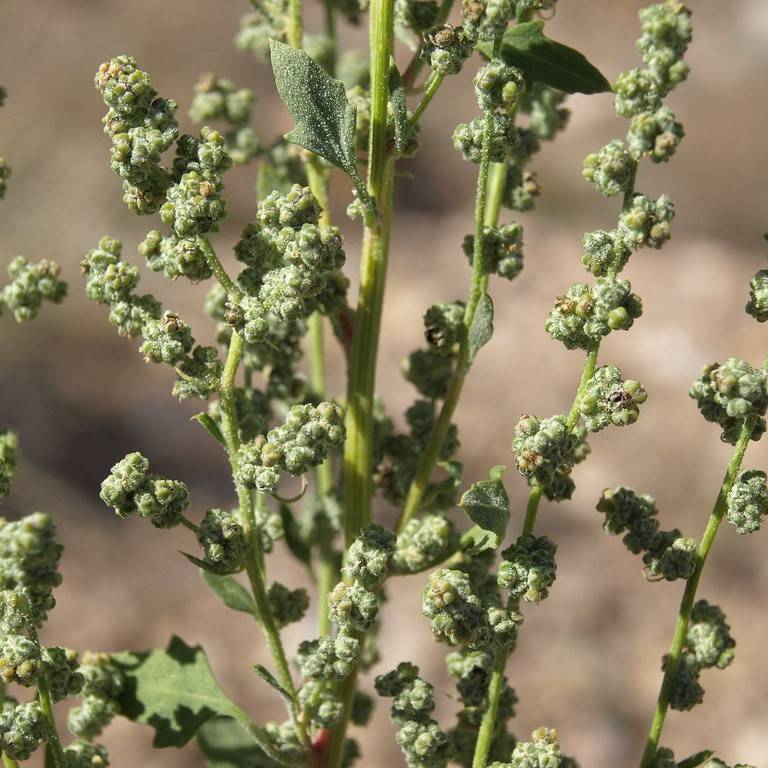
Fogg's Goosefoot
Chenopodium foggii
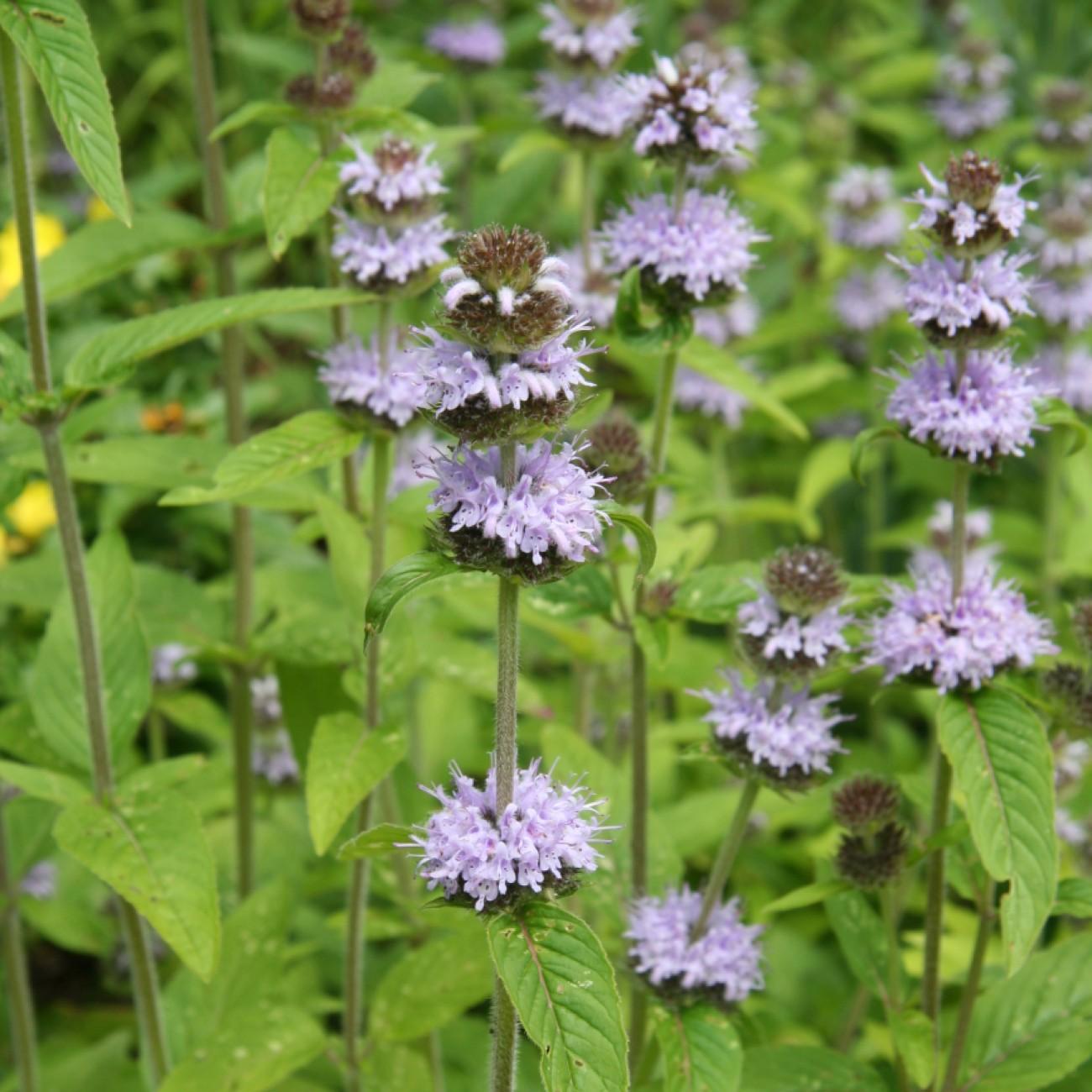
Downy Wood Mint
Blephilia ciliata