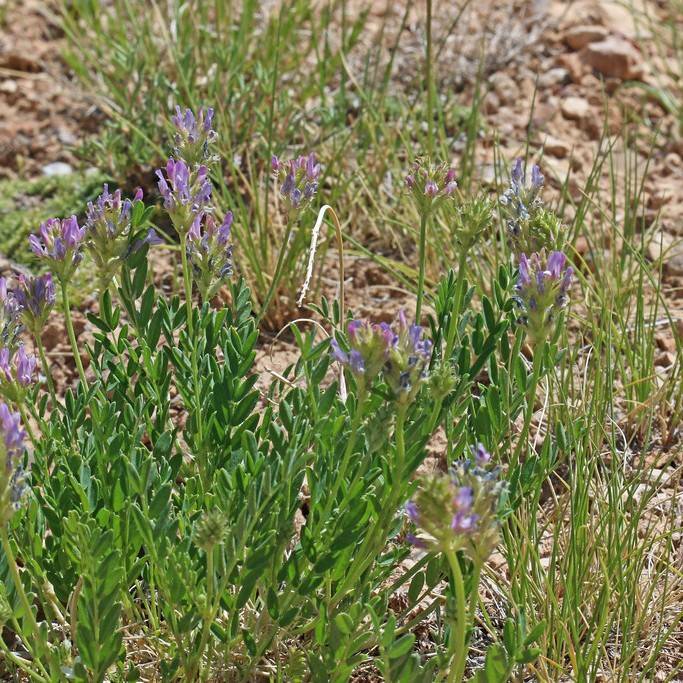
Laxmann's Milk Vetch
Astragalus laxmannii
Overview
Laxmann's Milk Vetch is a drought-tolerant perennial legume that thrives in open steppes, rocky slopes, and sandy grasslands across its native cold Asian range. It produces dense spikes of pale lavender to purple pea-like flowers from early to mid-summer, followed by small, curved seed pods covered in fine hairs. The plant forms a low, spreading clump with pinnately compound, silvery-green foliage that provides ground cover in poor, well-drained soils, and it forms symbiotic relationships with soil bacteria to fix atmospheric nitrogen, improving soil fertility in its native habitat.
Care Guide
Watering
Laxmann's Milk Vetch is highly drought-tolerant once established, requiring only occasional deep watering during prolonged dry spells; overwatering, especially in heavy soils, will quickly lead to root rot. Young plants need regular, light watering to establish root systems for the first growing season, but after that, natural precipitation is typically sufficient in most temperate regions. Avoid allowing standing water to pool around the base of the plant at any time of year.
Light
This species requires full, direct sunlight for a minimum of 6 hours per day to thrive and produce abundant blooms. It will tolerate very light partial shade, but growth will become leggy, flowering will be reduced, and the plant will be more susceptible to fungal diseases in low-light conditions. Avoid planting it in shaded locations near taller shrubs or structures that block consistent sunlight.
Soil
Laxmann's Milk Vetch adapts to a wide range of poor, well-drained soils including sandy, loamy, and rocky substrates, and it tolerates neutral to slightly alkaline pH levels from 6.5 to 8.0. It cannot survive in heavy, compacted clay soils or soils with poor drainage, as these trap moisture around the roots. Amending heavy soils with coarse sand or grit before planting will improve drainage and support healthy root development.
Fertilizer
As a nitrogen-fixing legume, Laxmann's Milk Vetch does not require regular fertilization, as it produces its own nitrogen supply via symbiotic soil bacteria. Applying a balanced, low-nitrogen fertilizer once in early spring can support growth in extremely nutrient-poor soils, but high-nitrogen fertilizers will encourage excessive foliage growth at the expense of flowering. Over-fertilization will also weaken the plant's natural drought tolerance and make it more susceptible to pest infestations.
Temperature
This cold-hardy species tolerates extreme winter temperatures down to -40°F (-40°C), making it suitable for USDA hardiness zones 3 through 8. It thrives in warm summer temperatures between 60°F and 85°F (15°C to 29°C), but it will go dormant early if exposed to prolonged temperatures above 90°F (32°C). It does not require winter protection in most of its suitable growing range, but a light layer of mulch can insulate roots in regions with minimal snow cover.
Pruning
Pruning is minimal for Laxmann's Milk Vetch; spent flower spikes can be deadheaded after blooming to encourage a second, lighter flush of flowers later in the season and prevent unwanted self-seeding. Cut back all dead foliage to the ground in late fall or early spring before new growth emerges to improve air circulation and reduce the risk of fungal pathogens overwintering on plant debris. Avoid heavy pruning of live foliage, as this can stress the plant and reduce its nitrogen-fixing capacity.
Propagation
Laxmann's Milk Vetch is most commonly propagated from seed, which requires scarification (nicking the hard seed coat) or cold stratification for 30 to 60 days to break dormancy and improve germination rates. Sow seeds directly outdoors in early spring after the last frost, or start them indoors 6 to 8 weeks before the last frost date, transplanting seedlings outdoors once they have developed 2 to 3 sets of true leaves. It can also be propagated via root division in early spring, though the plant's deep taproot makes division difficult and less reliable than seed propagation.
Humidity
This species prefers low to moderate humidity levels between 30% and 50%, typical of its native steppe and mountain habitats. It does not tolerate high humidity for extended periods, as excess moisture in the air can encourage foliar fungal diseases such as powdery mildew. Ensure plants are spaced adequately to promote air circulation around the foliage, especially in regions with humid summer weather.
Repotting
Laxmann's Milk Vetch is rarely grown in containers, as its deep taproot requires ample space to develop, and it will quickly become root-bound in even large pots. If grown in a container, repot only once every 2 to 3 years in early spring, moving it to a pot at least 2 inches larger in diameter than the previous one, using a fast-draining, sandy potting mix. Avoid disturbing the taproot as much as possible during repotting, as damage to the taproot can cause the plant to decline or die.
Uses & Symbolism
In its native range, Laxmann's Milk Vetch is used as a forage crop for livestock in low-rainfall regions, though it must be managed carefully to avoid toxic overconsumption. It is also planted for erosion control on degraded, sloped sites, as its deep taproot stabilizes soil and its nitrogen-fixing ability improves soil fertility for surrounding plants. In traditional Mongolian and Tibetan medicine, small, controlled doses of the plant are used to treat fatigue, respiratory conditions, and kidney ailments, though medicinal use requires expert guidance to avoid poisoning.
Diseases & Pests
Laxmann's Milk Vetch is relatively pest and disease resistant, but it can be susceptible to fungal root rot in poorly drained, overly moist soils, which causes yellowing foliage, wilting, and eventual plant death. Powdery mildew may develop on foliage in humid, low-airflow conditions, appearing as a white, powdery coating on leaves; this can be treated with organic fungicides and by improving spacing between plants. Aphids and spider mites may occasionally infest new growth, especially during hot, dry weather, and can be controlled with insecticidal soap or neem oil sprays.
Related plants
Other plants you might like if you grow Laxmann's Milk Vetch.
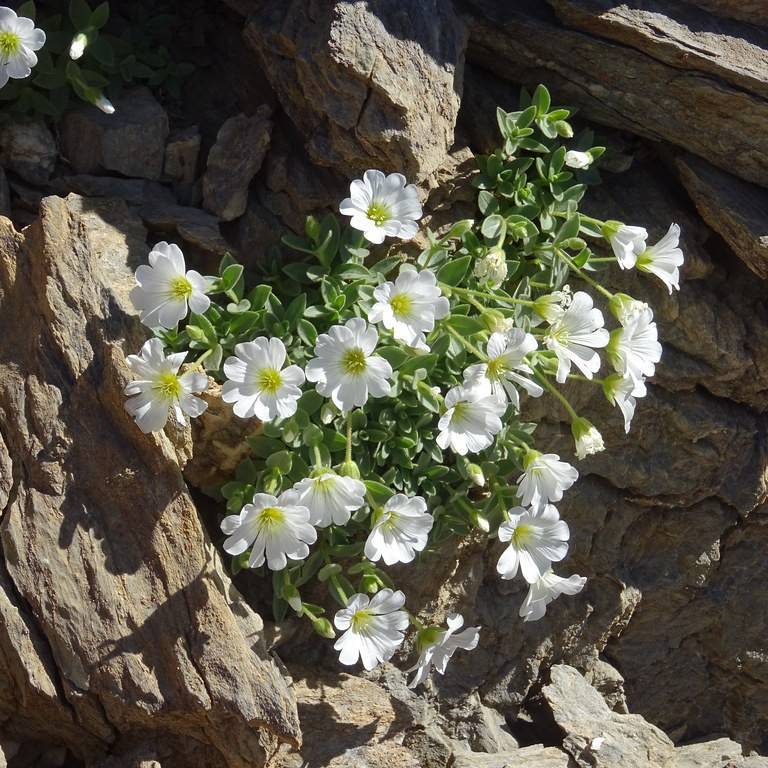
Alpine Mouse Ear Chickweed
Cerastium alpinum
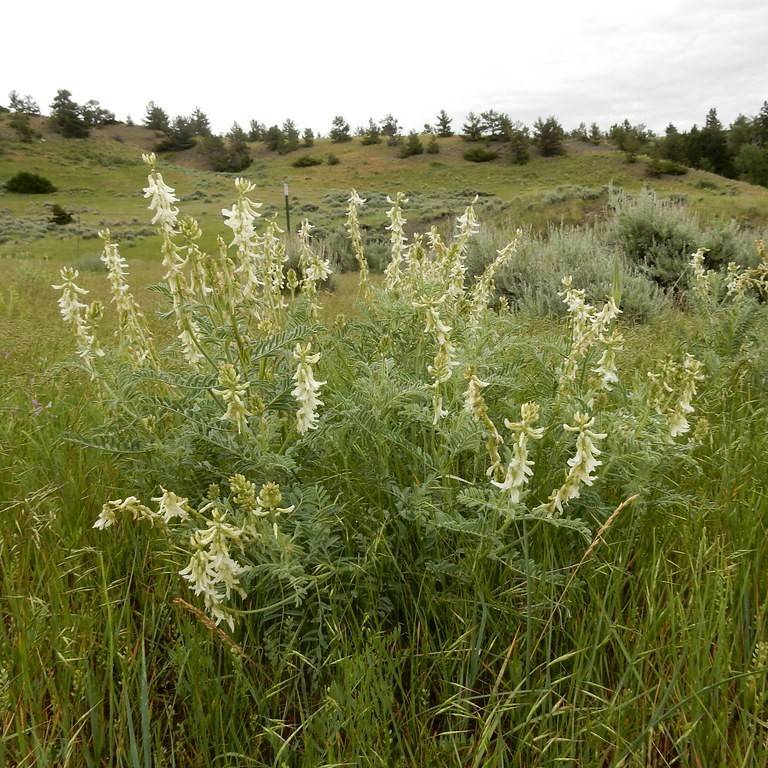
Drummond's Milk Vetch
Astragalus drummondii
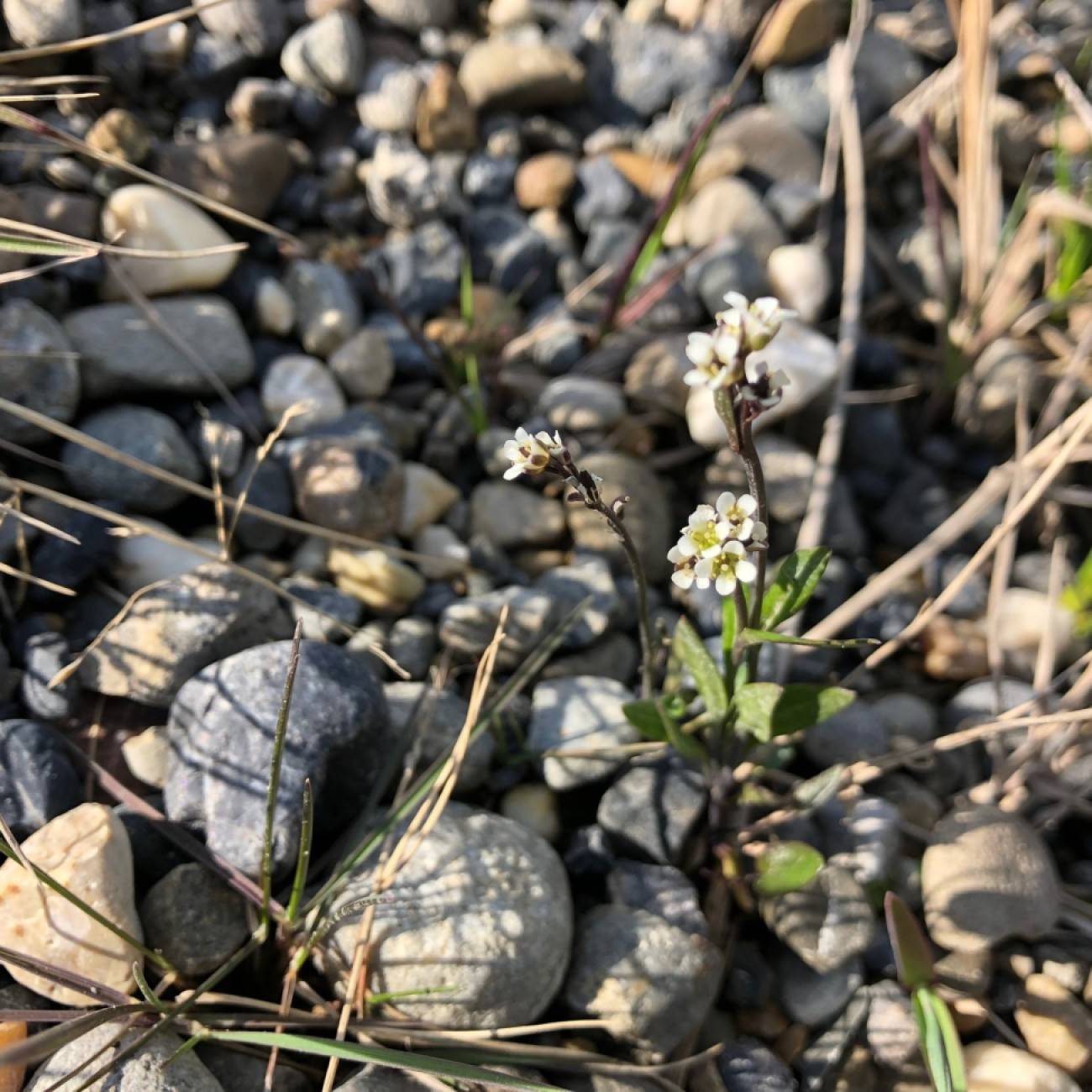
Greenland Rockcress
Boechera groenlandica
%22%2F%3E%0A%20%20%20%20%20%20%3Ccircle%20cx%3D%22920%22%20cy%3D%22180%22%20r%3D%2290%22%20fill%3D%22%23cfe8d5%22%2F%3E%0A%20%20%20%20%20%20%3Cpath%20d%3D%22M600%20590c-90-180-215-255-310-280%200%20165%20118%20296%20270%20296h40z%22%20fill%3D%22%2379b88e%22%2F%3E%0A%20%20%20%20%20%20%3Cpath%20d%3D%22M600%20590c80-150%20198-212%20302-228-8%20142-123%20255-270%20255h-32z%22%20fill%3D%22%235c9f73%22%2F%3E%0A%20%20%20%20%20%20%3Cpath%20d%3D%22M600%20610V360%22%20stroke%3D%22%234f8c64%22%20stroke-width%3D%2218%22%20stroke-linecap%3D%22round%22%2F%3E%0A%20%20%20%20%20%20%3Ctext%20x%3D%22600%22%20y%3D%22700%22%20text-anchor%3D%22middle%22%20font-family%3D%22Arial%2C%20sans-serif%22%20font-size%3D%2244%22%20fill%3D%22%23365c45%22%3E%0A%20%20%20%20%20%20%20%20Plant%20image%20coming%20soon%0A%20%20%20%20%20%20%3C%2Ftext%3E%0A%20%20%20%20%3C%2Fsvg%3E%0A%20%20)
Bent Flowered Milk Vetch
Astragalus flexuosus
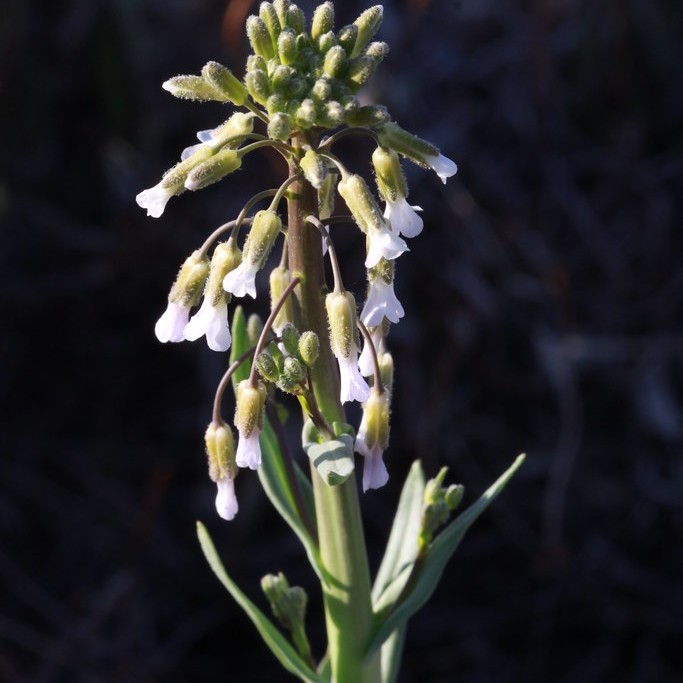
Holboell's Rockcress
Boechera holboellii
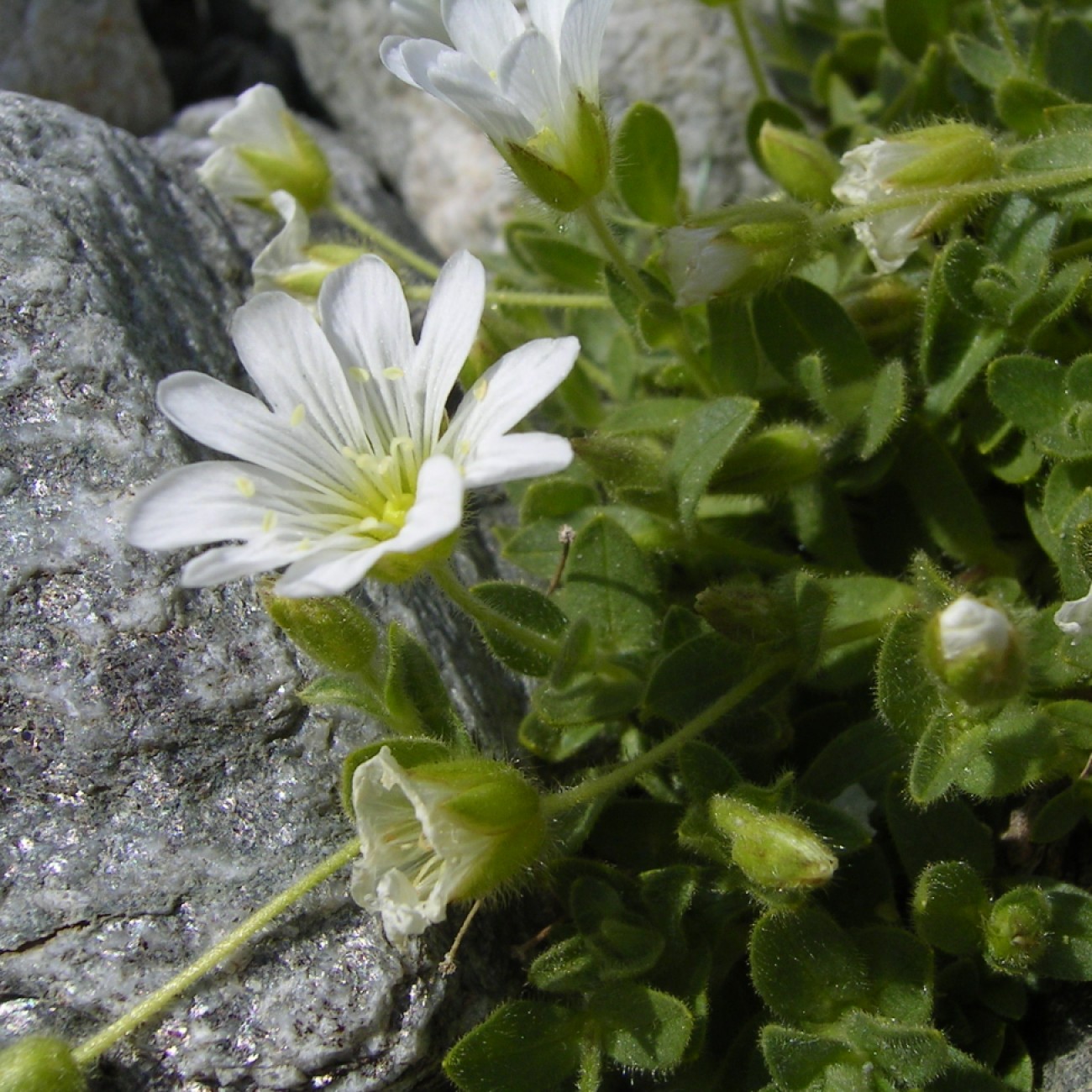
Alpine Chickweed
Cerastium alpinum
Least Bladdery Milk Vetch
Astragalus leptocarpus
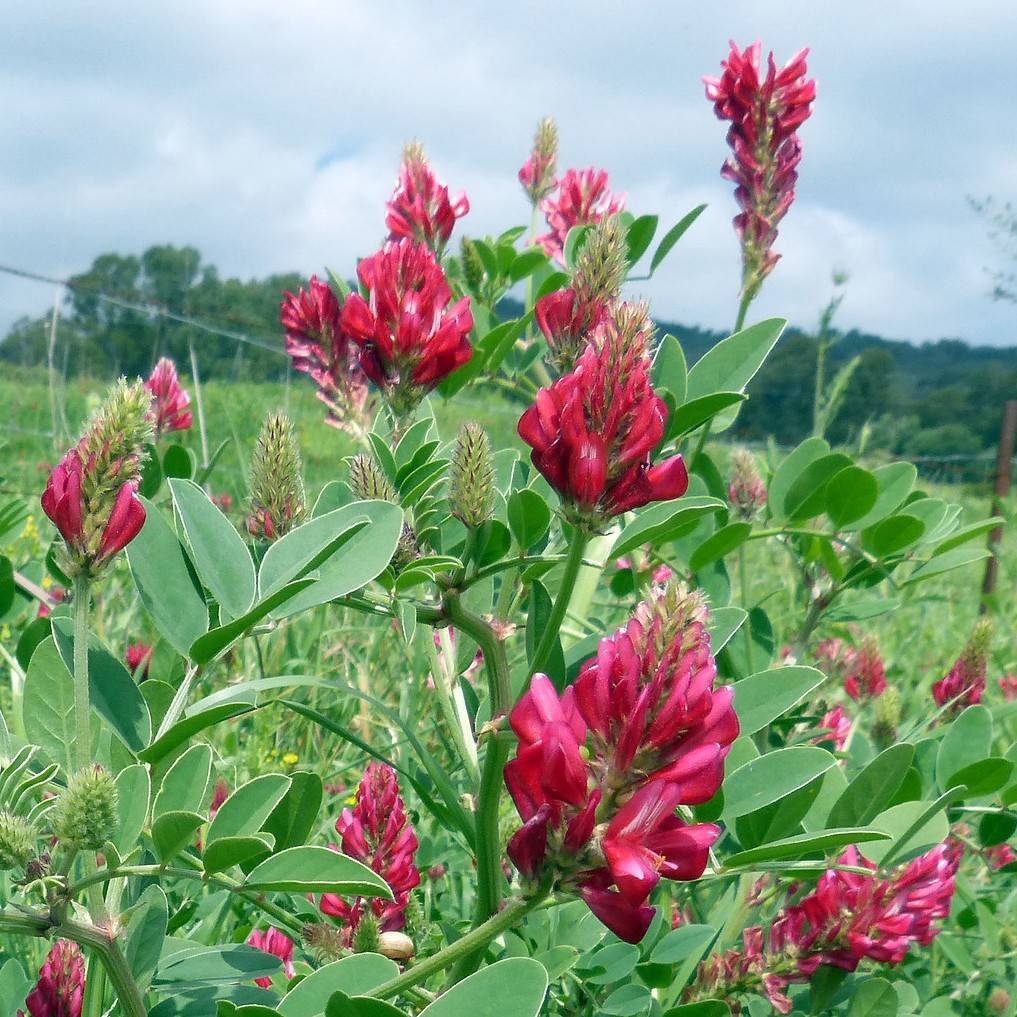
French Honeysuckle
Hedysarum coronarium