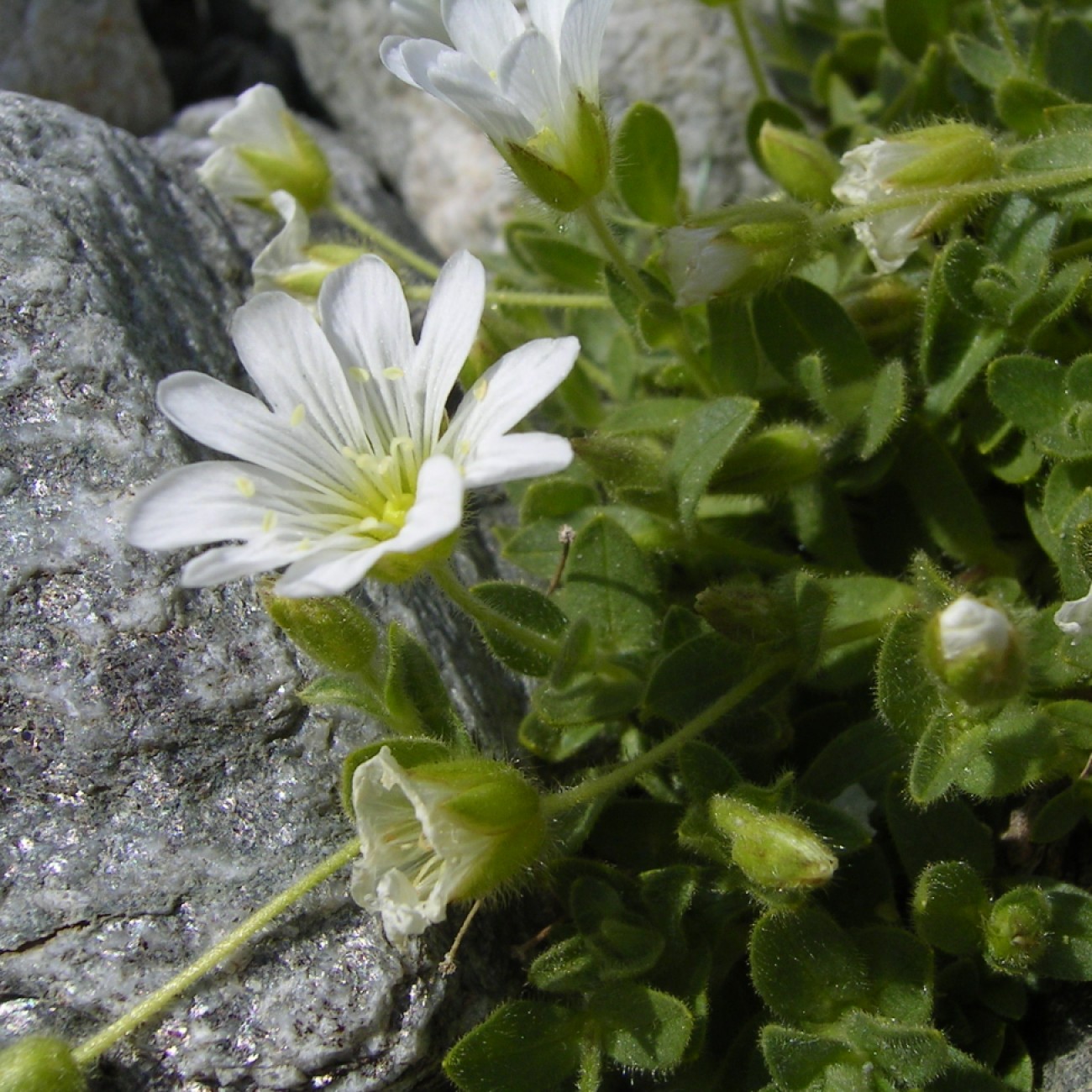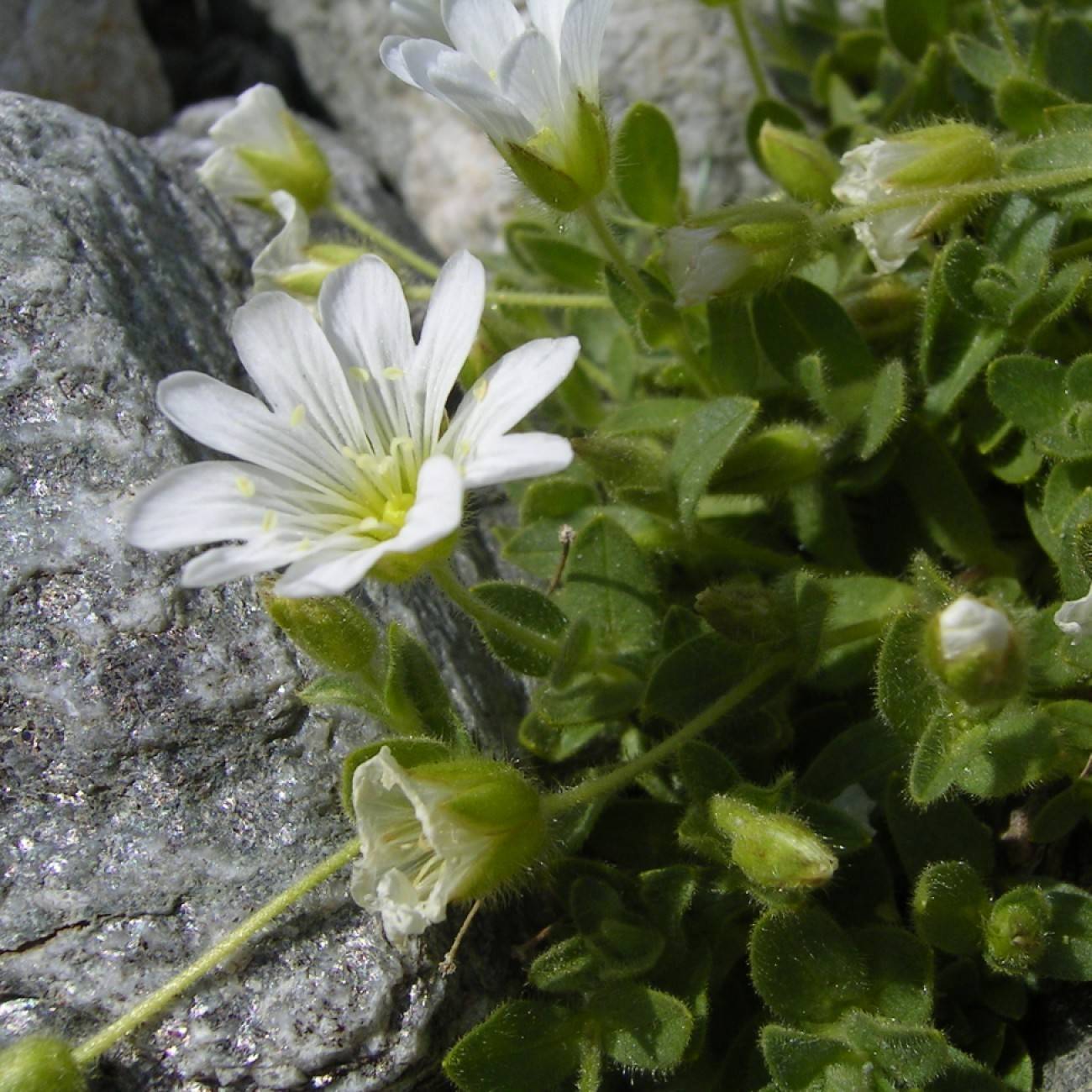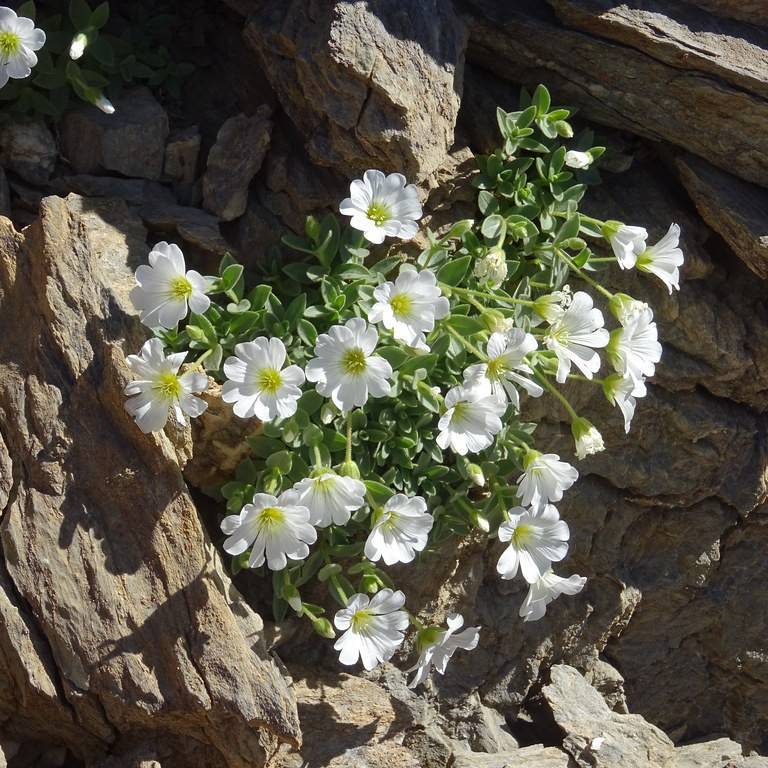
Alpine Mouse Ear Chickweed
Cerastium alpinum
Overview
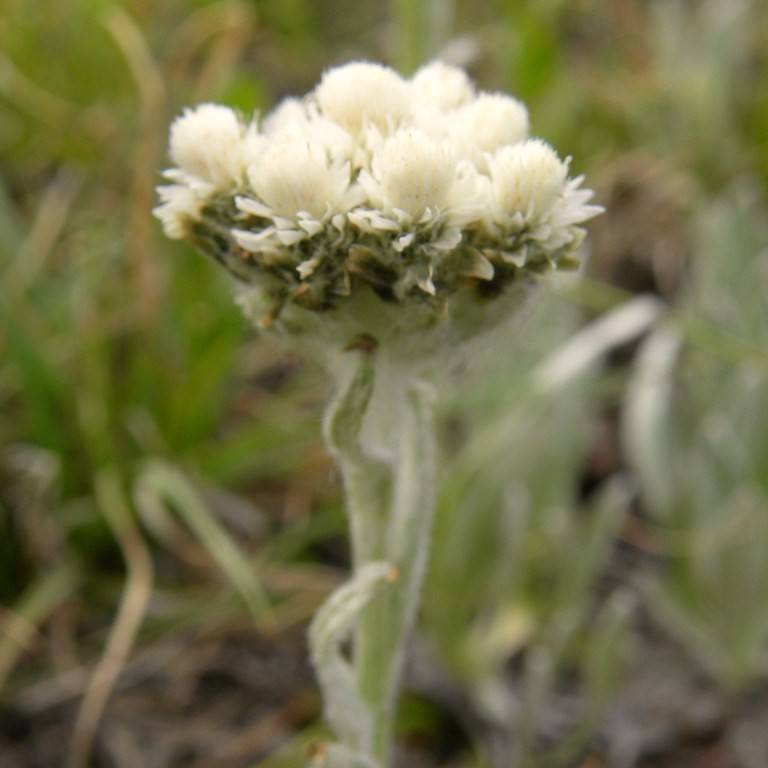
Alpine Mouse Ear Chickweed is a hardy, mat-forming perennial adapted to high-altitude and arctic cold environments, recognized for its soft, silvery-green fuzzy foliage and delicate white notched flowers that bloom in late spring to early summer. It thrives in exposed, rocky locations where many other plants struggle to establish, forming dense, low carpets that suppress weeds and stabilize thin alpine soils. The species is highly cold-tolerant, surviving temperatures well below freezing, and is often cultivated in temperate rock gardens, alpine troughs, and as a ground cover for dry, sunny slopes.
Care Guide
Watering
Water moderately during the active growing season in spring and early summer, allowing the top 1-2 inches of soil to dry out completely between waterings to prevent root rot. Reduce watering significantly in fall and winter, providing only enough moisture to keep the root ball from desiccating, as the plant is highly drought-tolerant once established. Avoid overhead watering if possible, as prolonged moisture on the fuzzy foliage can encourage fungal leaf spot diseases.
Light
Requires full sun, at least 6 hours of direct unobstructed sunlight daily, to maintain its compact growth habit and abundant flowering. It can tolerate very light partial shade in extremely hot lowland climates, but too much shade will cause it to become leggy, reduce flowering, and make it more susceptible to pest infestations. For indoor alpine trough cultivation, place it in a south-facing window or under grow lights providing 10-12 hours of bright light daily.
Soil
Prefers sharply drained, low-fertility, sandy or gravelly soil with a neutral to slightly alkaline pH between 6.5 and 7.5. Heavy, water-retentive clay soils are lethal to this species, as they cause rapid root rot during cool, wet periods. When planting in garden beds, amend the soil with equal parts coarse sand or crushed granite to improve drainage, and avoid adding rich compost or manure that raises nutrient levels too high.
Fertilizer
Requires very little fertilization, as high nutrient levels cause leggy, floppy growth that reduces the plant’s cold hardiness and flowering output. A single light application of balanced, slow-release 10-10-10 fertilizer at half the recommended rate in early spring is sufficient for the entire growing season. Skip fertilization entirely for plants growing in nutrient-poor rock gardens or alpine troughs, as the existing soil will provide all necessary nutrients.
Temperature
Thrives in cool to cold temperatures, with an ideal growing range of 40-65°F (4-18°C), and is hardy to USDA zone 2, surviving winter temperatures as low as -50°F (-46°C) when planted in well-drained soil. It does not tolerate high heat and humidity well, and in regions with summer temperatures above 80°F (27°C), it will benefit from light afternoon shade and extra soil drainage to prevent heat stress. Winter wetness is far more damaging to this species than cold temperatures, so ensure snowmelt drains away quickly from planting sites.
Pruning
Minimal pruning is required; simply snip off spent flower stalks after blooming to encourage a tidier growth habit and prevent unwanted self-seeding if desired. In early spring, trim back any dead or damaged foliage from winter to make room for new growth, taking care not to cut into the woody base of the plant. If the mat becomes overly thick or spreads beyond its intended area, you can shear it back by up to one-third after flowering to maintain its compact shape.
Propagation
Easily propagated by seed sown directly outdoors in late fall or early spring, as the seeds require a 4-6 week cold stratification period to germinate successfully. It can also be propagated by division in early spring or right after flowering, by carefully pulling apart the dense mat into smaller sections with intact roots and replanting them immediately in well-drained soil. Softwood cuttings taken from new growth in late spring will root quickly in sandy, moist potting mix kept in bright, indirect light.
Humidity
Prefers low to moderate humidity levels between 30% and 50%, and is well-adapted to the dry, windy conditions of alpine and arctic habitats. High humidity above 60%, especially combined with warm temperatures, increases the risk of fungal diseases and root rot, so ensure good air circulation around plants in more humid climates. For indoor cultivation, avoid placing the plant near humidifiers or in steamy rooms like bathrooms, and use a small fan to provide consistent air movement if needed.
Repotting
For alpine trough or container-grown plants, repot every 2-3 years in early spring, just as new growth begins to emerge. Use a shallow pot with plenty of drainage holes, and a potting mix formulated for alpine plants, consisting of equal parts potting soil, coarse sand, and perlite or crushed gravel. When repotting, gently tease apart any circling roots and remove any rotted or dead root tissue before planting at the same depth it was growing in its previous pot.
Uses & Symbolism
Alpine Mouse Ear Chickweed is primarily used as a low-growing ground cover for rock gardens, alpine troughs, crevice gardens, and dry, sunny slopes where it forms attractive silvery mats that contrast well with bright flowering alpine plants. It is also used in erosion control projects in high-altitude or cold climate regions, as its dense root system stabilizes thin, rocky soils that are prone to washing away during spring snowmelt. Some alpine gardeners grow it in container displays alongside other cold-hardy succulents and small alpine species for patio or windowsill decoration.
Diseases & Pests
The most common issue is root rot, caused by overwatering or planting in poorly drained soil, which leads to yellowing foliage, wilting, and eventual death of the plant if drainage is not improved immediately. Fungal leaf spot and powdery mildew can occur in humid, poorly ventilated conditions, appearing as brown or white spots on the fuzzy foliage; these can be prevented by ensuring good air circulation and avoiding overhead watering. Aphids and spider mites may occasionally infest stressed plants, especially those grown indoors or in partial shade, and can be controlled with insecticidal soap sprays or a strong jet of water to dislodge the pests.
Related plants
Other plants you might like if you grow Alpine Mouse Ear Chickweed.