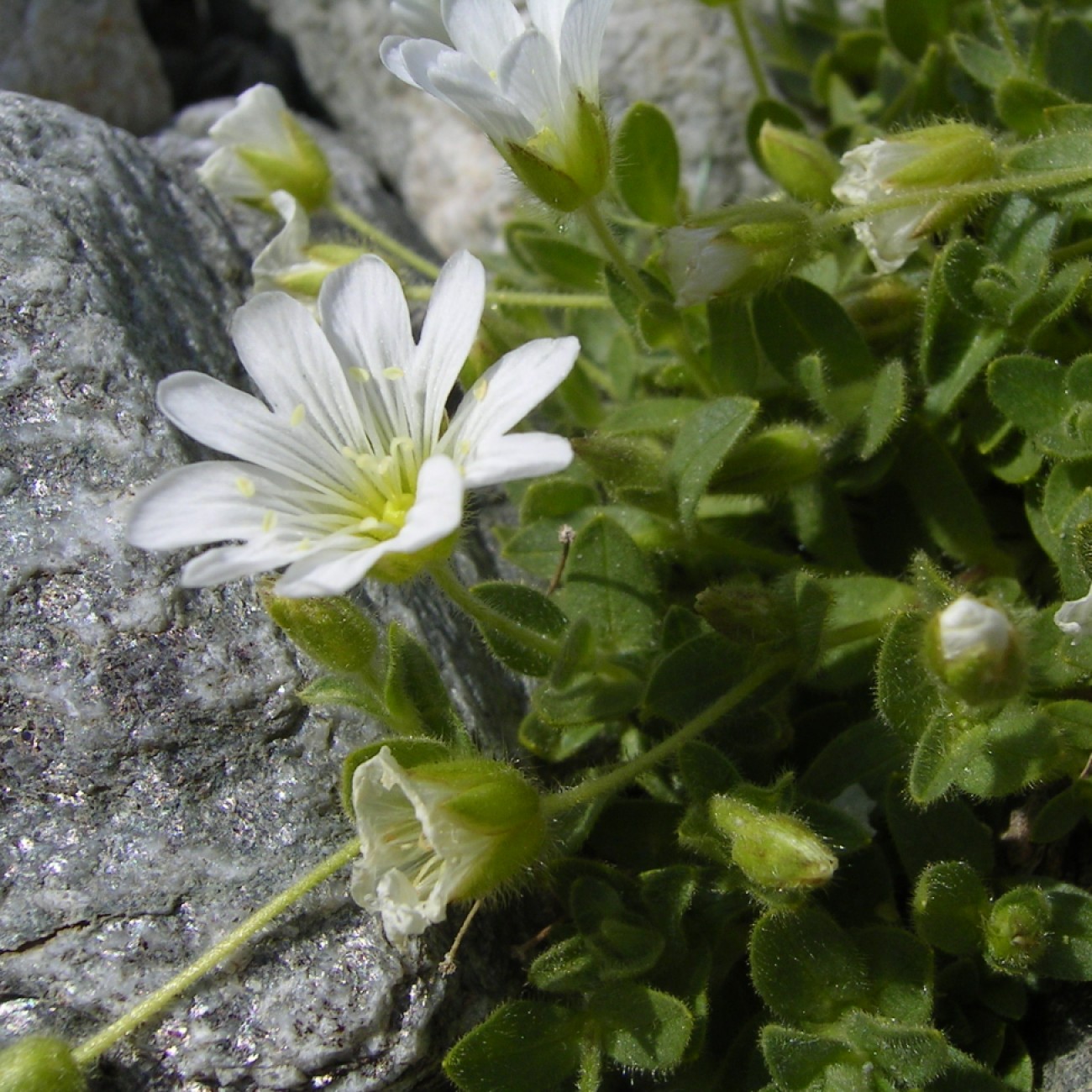
Alpine Chickweed
Cerastium alpinum
Overview
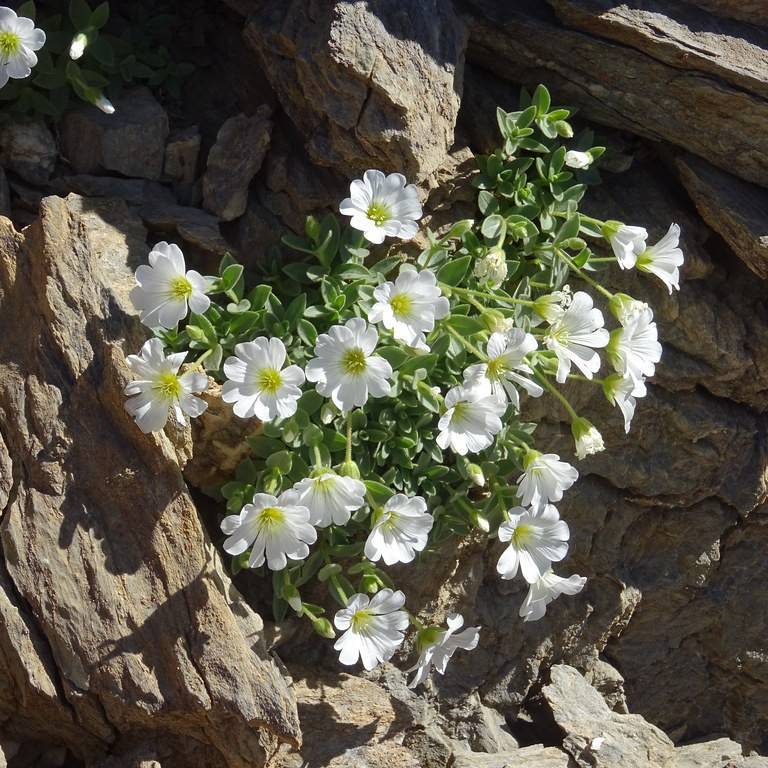
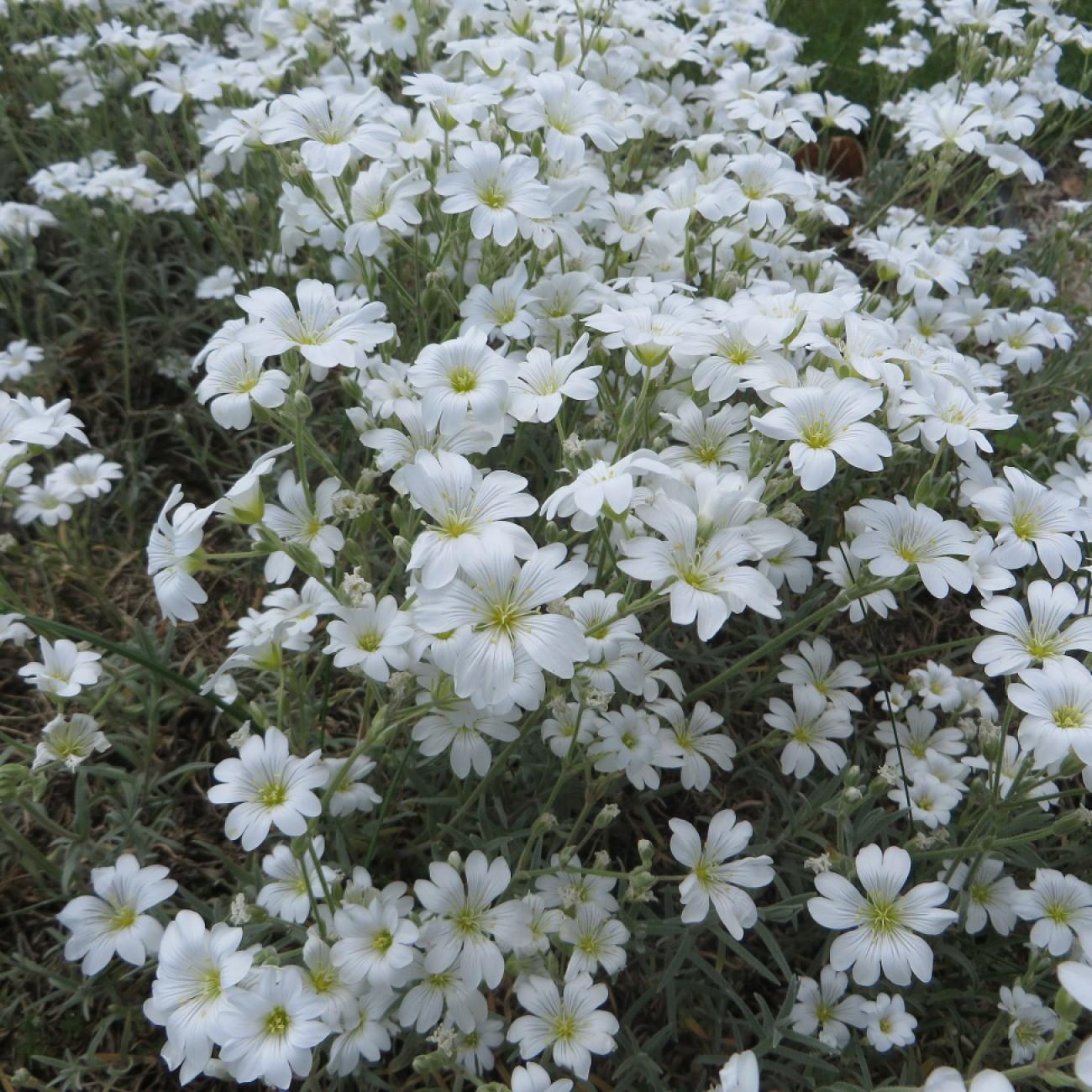
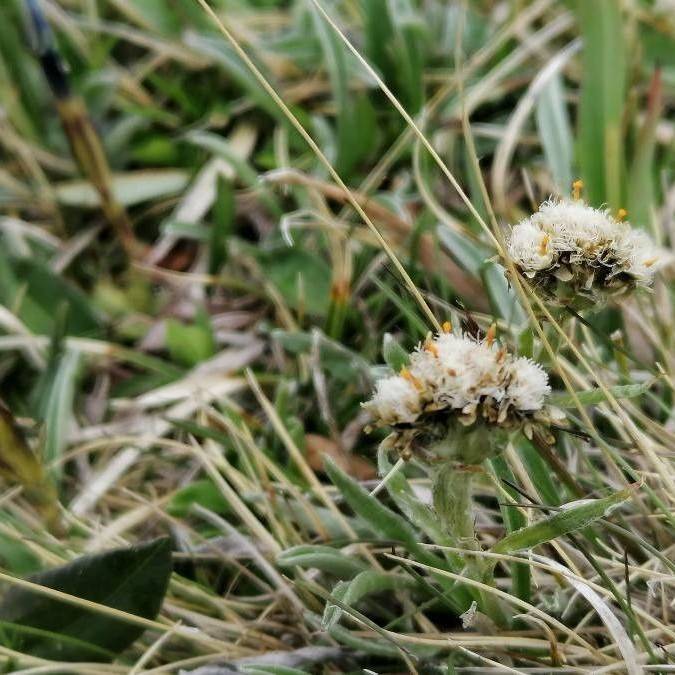
Alpine Chickweed is a hardy, mat-forming perennial adapted to harsh, high-altitude and arctic environments, distinguished by its soft, fuzzy gray-green leaves that help it retain moisture and withstand cold winds. In late spring to early summer, it produces clusters of small, star-shaped white flowers with notched petals that attract small pollinators like native bees and butterflies. It naturally grows in rocky, well-drained soils, making it a popular choice for rock gardens, alpine troughs, and ground cover in cold climate gardens.
Care Guide
Watering
Alpine Chickweed is drought-tolerant once established, requiring only occasional watering during prolonged dry periods; overwatering, especially in heavy soils, will quickly lead to root rot. In its native habitat, it receives moisture from melting snow in spring, so avoid letting the soil stay saturated for extended periods, particularly in winter.
Light
This species thrives in full sun, requiring at least 6 hours of direct sunlight daily to produce dense foliage and abundant blooms. It can tolerate very light, dappled shade, but too much shade will cause it to grow leggy and produce fewer flowers.
Soil
Alpine Chickweed needs extremely well-drained, gritty, low-fertility soil, similar to the rocky, gravelly slopes it grows on natively. It prefers a neutral to slightly alkaline pH, and will not survive in heavy, clay-heavy soils that retain moisture.
Fertilizer
This plant is adapted to low-nutrient environments, so it requires very little fertilization; an annual light application of a balanced, slow-release fertilizer in early spring is sufficient. Over-fertilizing will cause excessive, leggy growth and reduce its cold hardiness, so avoid high-nitrogen formulas entirely.
Temperature
Alpine Chickweed is exceptionally cold-hardy, surviving temperatures as low as -40°F (-40°C) in USDA hardiness zones 2 through 7. It does not tolerate high heat and humidity well, so it will struggle in regions with hot, humid summers, particularly if nighttime temperatures stay above 70°F (21°C) for extended periods.
Pruning
Pruning is rarely needed, but you can shear back spent flower stems after blooming to encourage denser foliage growth and prevent unwanted self-seeding if desired. Remove any brown, dead foliage in early spring to make room for new growth and improve air circulation around the plant.
Propagation
Alpine Chickweed is most easily propagated by division in early spring, when you can pull apart small sections of the mat and replant them in well-drained soil. It can also be grown from seed sown directly outdoors in late fall or early spring, as the seeds require a period of cold stratification to germinate successfully.
Humidity
This species prefers low to moderate humidity levels, and is highly susceptible to fungal diseases in high humidity environments. Ensure good air circulation around plants if grown in areas with higher than average summer humidity to prevent foliage rot.
Repotting
If grown in alpine troughs or containers, repot every 2-3 years in early spring using a gritty, well-drained cactus or alpine potting mix. Choose a shallow container with ample drainage holes, as this plant has a shallow root system and does not need deep soil to thrive.
Uses & Symbolism
Alpine Chickweed is primarily used as a low-growing ground cover in rock gardens, alpine troughs, and gravel gardens, where its spreading mat of foliage and white blooms add texture and color to rocky, hard-to-plant areas. It is also a popular choice for green roofs in cold climates, as it is low-maintenance, drought-tolerant, and can withstand exposure to wind and harsh weather. In its native range, it has been used occasionally in traditional folk medicine as a topical treatment for minor skin irritations, though this use is not widespread today.
Diseases & Pests
The most common issues for Alpine Chickweed are root rot and fungal leaf spots, both caused by overwatering or poorly drained soil. In humid conditions, powdery mildew may also develop if air circulation around the plant is inadequate. It is rarely bothered by pests, though aphids may occasionally feed on new growth, which can be controlled with a strong spray of water or insecticidal soap.
Related plants
Other plants you might like if you grow Alpine Chickweed.