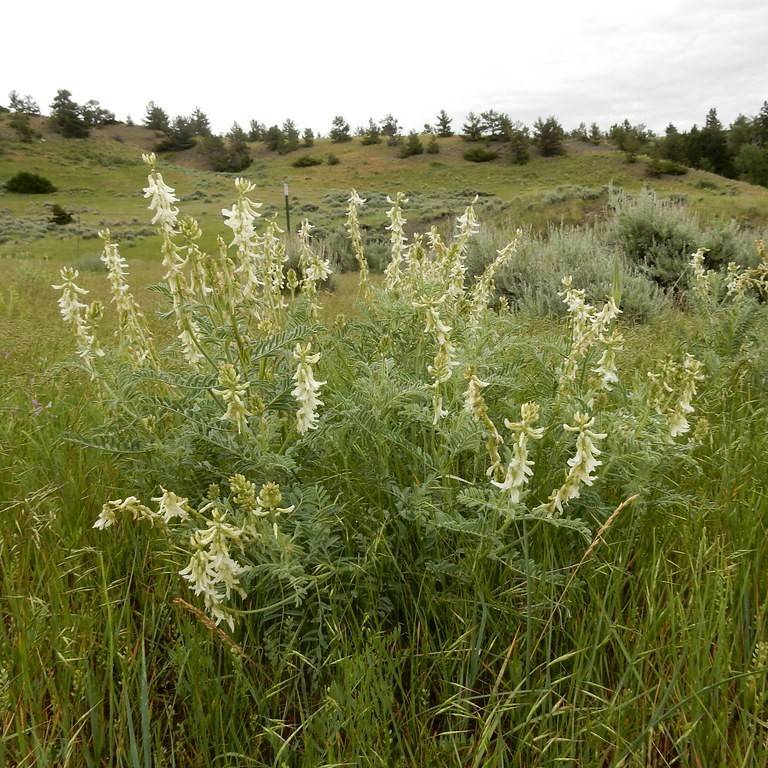
Drummond's Milk Vetch
Astragalus drummondii
Overview
Drummond's Milk Vetch is a robust, drought-tolerant herbaceous perennial native to the prairies, foothills, and open woodlands of central and western North America. It features pinnately compound, fuzzy gray-green leaves and upright spikes of pea-shaped flowers that bloom from late spring to mid-summer, drawing in native bees, butterflies, and other pollinators. As a member of the Fabaceae family, it forms symbiotic relationships with soil bacteria to fix atmospheric nitrogen, improving soil fertility for surrounding plants.
Care Guide
Watering
This drought-adapted species prefers infrequent, deep watering once established, thriving in dry to medium moisture conditions. Overwatering, especially in heavy, poorly drained soils, can lead to root rot, so allow the top several inches of soil to dry out completely between waterings. Newly planted specimens require regular light watering for the first 2-3 months to encourage root establishment, but reduce frequency once the plant is settled.
Light
Drummond's Milk Vetch requires full sun, meaning at least 6 hours of direct, unfiltered sunlight per day to grow vigorously and produce abundant blooms. It can tolerate very light partial shade, but reduced sun exposure will lead to leggy growth, fewer flowers, and increased susceptibility to fungal diseases. Plant it in an open, unobstructed location for best performance.
Soil
It adapts well to a wide range of soil types, including sandy, loamy, and even gravelly or rocky soils, as long as drainage is excellent. It tolerates neutral to slightly alkaline pH levels and is well-suited to poor, low-nutrient soils where many other plants struggle to grow. Avoid heavy clay soils that hold standing water, as this will quickly cause fatal root rot.
Fertilizer
As a nitrogen-fixing legume, Drummond's Milk Vetch does not require regular fertilization, as it produces its own nitrogen supply via symbiotic soil bacteria. If grown in extremely depleted soil, a light application of balanced, slow-release fertilizer in early spring can support initial growth, but over-fertilization will lead to excessive foliage growth at the expense of flowers. Avoid high-nitrogen fertilizers entirely, as they will disrupt the plant's natural nitrogen-fixing ability.
Temperature
It is extremely cold-hardy, thriving in USDA zones 3 through 8, tolerating winter temperatures as low as -40°F (-40°C). It is highly heat and drought tolerant once established, handling summer temperatures well above 90°F (32°C) without supplemental water in its native range. Prolonged periods of high humidity combined with cool temperatures can increase the risk of foliar fungal diseases.
Pruning
Pruning is minimal for Drummond's Milk Vetch; spent flower spikes can be deadheaded after blooming if you wish to prevent self-seeding, though many gardeners leave seed heads intact to provide food for native birds. Cut back dead, wilted foliage to the ground in late fall or early spring before new growth emerges to keep the planting area tidy and reduce overwintering pest and disease habitat. Avoid heavy pruning during the active growing season, as this can stress the plant.
Propagation
It is most easily propagated from seed, which requires cold stratification for 30-60 days to break dormancy; sow seeds directly outdoors in late fall, or stratify them in a refrigerator before sowing in early spring. Seedlings have a deep taproot and do not transplant well, so sow seeds in their permanent location to avoid root disturbance. Vegetative propagation is not commonly practiced, as cuttings root very poorly and the taproot makes division difficult and often fatal to the parent plant.
Humidity
Drummond's Milk Vetch prefers low to moderate humidity levels, matching its native prairie and foothill habitats. It can tolerate average household humidity if grown indoors, but requires very good air circulation to prevent fungal growth on foliage. Avoid placing it in overly humid, poorly ventilated areas, as this will lead to leaf spot and powdery mildew issues.
Repotting
Drummond's Milk Vetch is rarely grown in containers, as it develops a long, deep taproot that requires ample space to grow, making pot culture impractical for mature specimens. If grown in a pot temporarily, use a deep, tall container at least 12 inches deep to accommodate the taproot, and repot only when roots are visibly growing out of the drainage holes, taking extreme care not to damage the taproot during the process. For long-term growth, plant it directly in the ground for best results.
Uses & Symbolism
Drummond's Milk Vetch is widely used in prairie restoration, native plant gardens, and xeriscaping projects, as it stabilizes soil, improves soil fertility via nitrogen fixation, and supports native pollinators and wildlife. Its seed heads provide food for small birds and granivorous small mammals through the fall and winter months, while its foliage serves as a host plant for several species of native butterfly larvae. Historically, some Indigenous North American groups used small, carefully prepared amounts of the plant for medicinal purposes, though its toxicity makes unregulated consumption unsafe.
Diseases & Pests
Drummond's Milk Vetch is relatively pest and disease resistant when grown in its preferred conditions, but overwatering and poor drainage can lead to root rot, the most common fatal issue for this species. Foliar diseases such as powdery mildew and leaf spot can occur in humid, poorly ventilated conditions, especially if the foliage remains wet for extended periods. Aphids and spider mites may occasionally infest new growth, but these can be controlled with insecticidal soap or a strong stream of water, and rarely cause serious damage to healthy, established plants.
Related plants
Other plants you might like if you grow Drummond's Milk Vetch.
%22%2F%3E%0A%20%20%20%20%20%20%3Ccircle%20cx%3D%22920%22%20cy%3D%22180%22%20r%3D%2290%22%20fill%3D%22%23cfe8d5%22%2F%3E%0A%20%20%20%20%20%20%3Cpath%20d%3D%22M600%20590c-90-180-215-255-310-280%200%20165%20118%20296%20270%20296h40z%22%20fill%3D%22%2379b88e%22%2F%3E%0A%20%20%20%20%20%20%3Cpath%20d%3D%22M600%20590c80-150%20198-212%20302-228-8%20142-123%20255-270%20255h-32z%22%20fill%3D%22%235c9f73%22%2F%3E%0A%20%20%20%20%20%20%3Cpath%20d%3D%22M600%20610V360%22%20stroke%3D%22%234f8c64%22%20stroke-width%3D%2218%22%20stroke-linecap%3D%22round%22%2F%3E%0A%20%20%20%20%20%20%3Ctext%20x%3D%22600%22%20y%3D%22700%22%20text-anchor%3D%22middle%22%20font-family%3D%22Arial%2C%20sans-serif%22%20font-size%3D%2244%22%20fill%3D%22%23365c45%22%3E%0A%20%20%20%20%20%20%20%20Plant%20image%20coming%20soon%0A%20%20%20%20%20%20%3C%2Ftext%3E%0A%20%20%20%20%3C%2Fsvg%3E%0A%20%20)
Bent Flowered Milk Vetch
Astragalus flexuosus
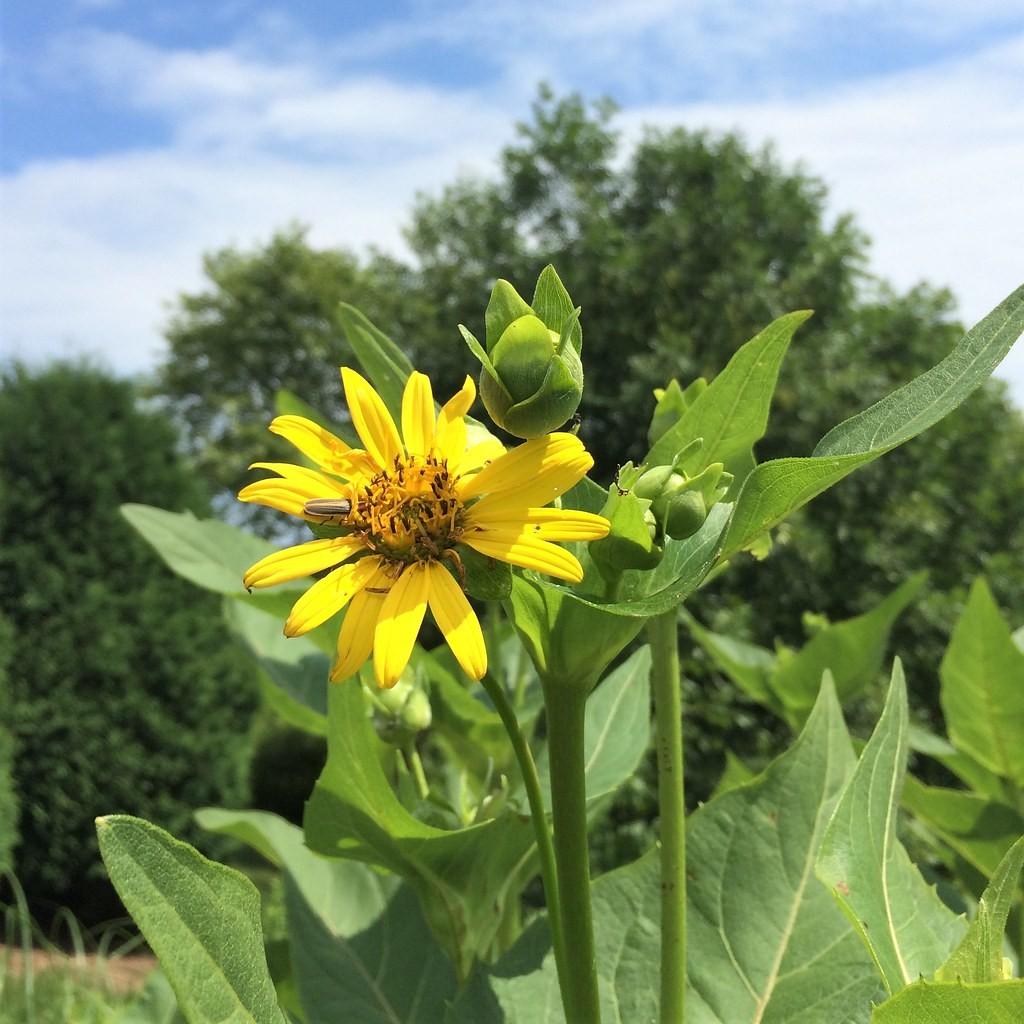
Compass Plant
Silphium laciniatum
Least Bladdery Milk Vetch
Astragalus leptocarpus
Flexile Milkvetch
Astragalus flexuosus
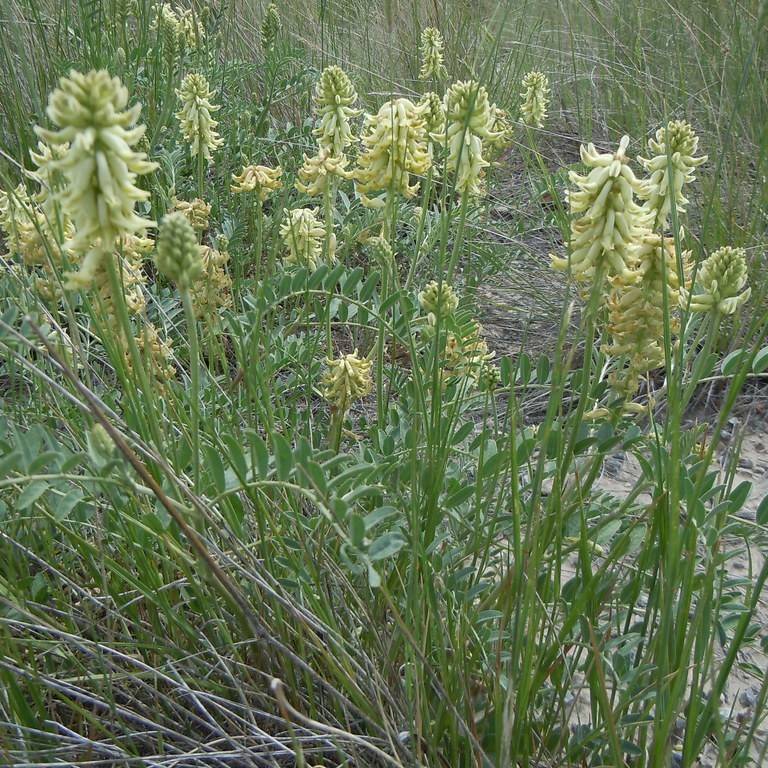
Cooper's Milkvetch
Astragalus neglectus
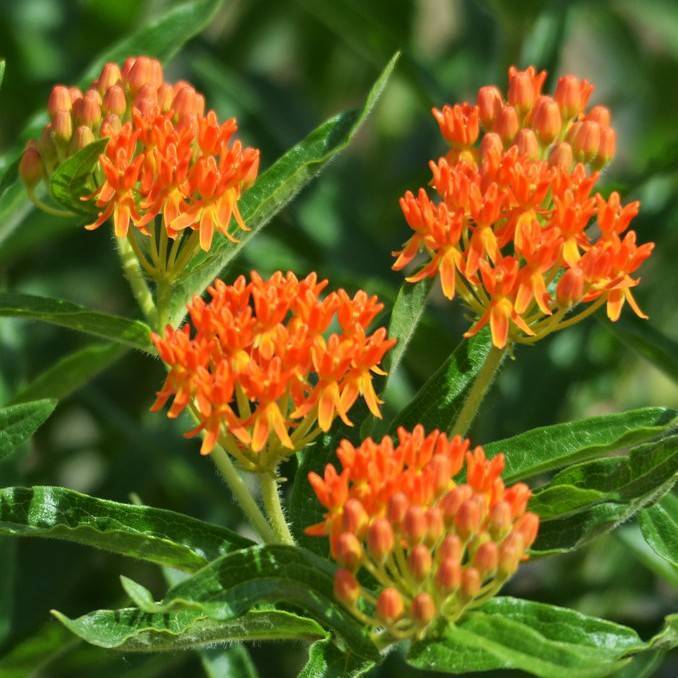
Butterfly Milkweed
Asclepias tuberosa
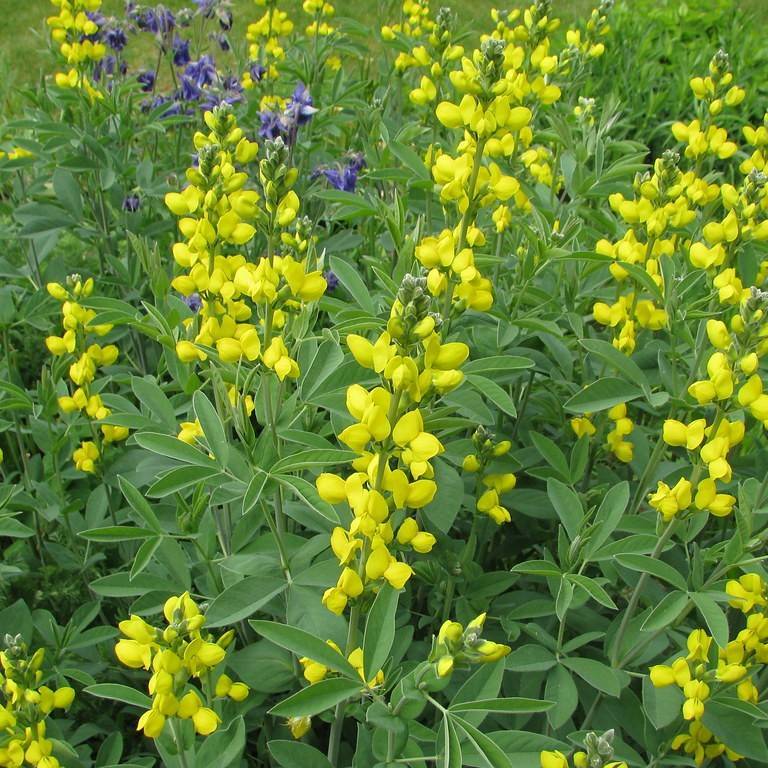
Carolina Lupine
Thermopsis villosa
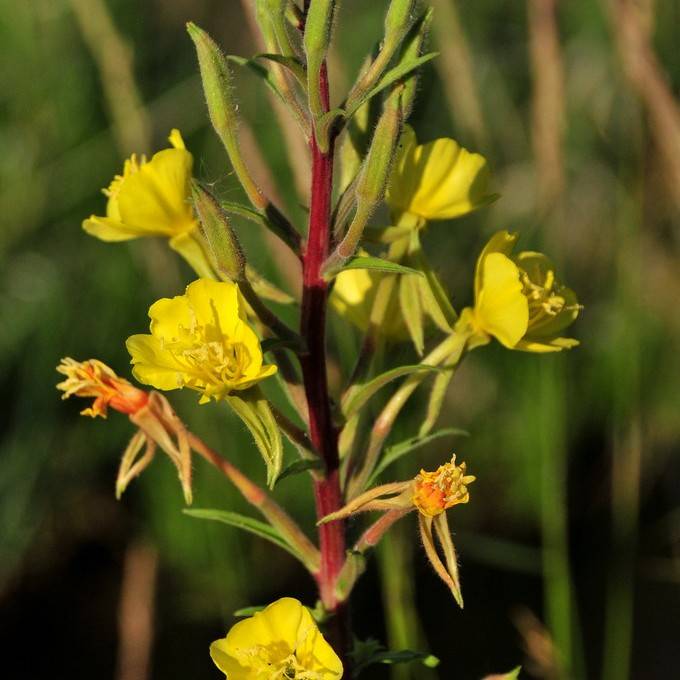
Dwarf Evening Primrose
Oenothera macrocarpa subsp. incana