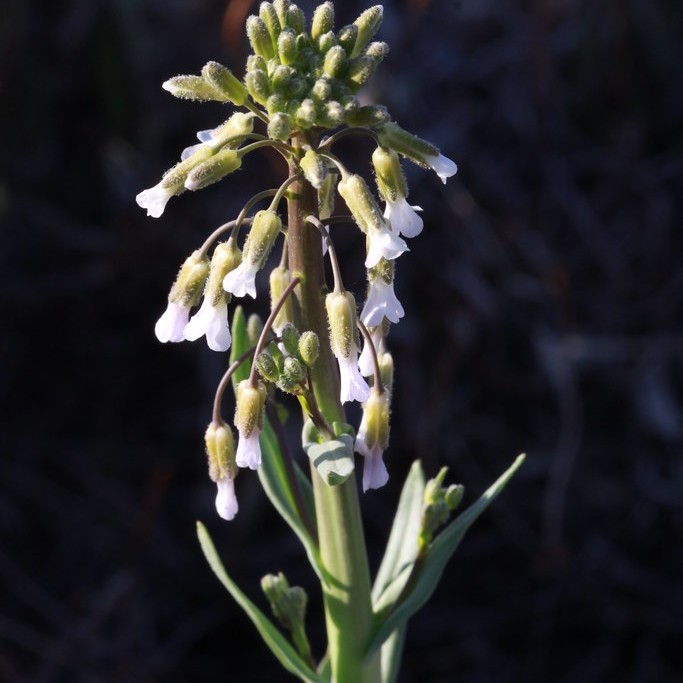
Holboell's Rockcress
Boechera holboellii
Overview
Holboell's Rockcress is a hardy, mat-forming alpine perennial native to cold, rocky arctic and high-altitude regions across the Northern Hemisphere. It produces loose clusters of four-petaled, pale lavender to white flowers in early spring, which attract small native pollinators like solitary bees. Following blooming, it develops slender, upright seed pods that add subtle textural interest to rock gardens and alpine plantings. Its compact, low-growing habit makes it well suited for shallow, rocky growing spaces where larger plants cannot thrive.
Care Guide
Watering
Holboell's Rockcress is drought-tolerant once established, requiring only occasional watering during extended dry periods. Avoid overwatering, as saturated soil will quickly cause root rot; allow the top several inches of soil to dry out completely between waterings. During winter dormancy, reduce watering to minimal amounts to prevent cold, wet soil conditions that damage roots.
Light
This alpine species thrives in full sun, requiring at least 6 hours of direct sunlight daily to produce abundant blooms and maintain a compact growth habit. It can tolerate very light, dappled shade, but too much shade will cause leggy growth and reduced flowering. In regions with extremely hot summer sun, light afternoon shade can prevent foliage scorch without impeding growth.
Soil
Holboell's Rockcress requires sharply drained, low-fertility soil with a neutral to slightly alkaline pH, mimicking its native rocky mountain habitats. Sandy or gravelly loam soils are ideal; heavy clay soils should be amended with coarse sand, grit, or crushed limestone to improve drainage and adjust pH levels. It can grow successfully in shallow soil and rocky crevices where topsoil is minimal.
Fertilizer
This species is adapted to low-nutrient environments and requires very little fertilizer to thrive. An annual light application of a balanced, slow-release fertilizer in early spring, at half the recommended strength, is sufficient to support healthy growth and blooming. Over-fertilization will cause excessive, leggy foliage growth at the expense of flowers, and may reduce the plant's cold hardiness.
Temperature
Holboell's Rockcress is extremely cold-hardy, tolerating winter temperatures as low as -40°F (-40°C) in USDA hardiness zones 3 through 7. It prefers cool summer temperatures between 50-75°F (10-24°C), and will struggle in regions with prolonged, hot, humid summer conditions above 85°F (29°C). It requires a period of cold winter dormancy to bloom reliably the following spring.
Pruning
Pruning needs are minimal for this low-growing species. After flowering is complete, you can snip off spent flower stalks to tidy the plant's appearance and prevent unwanted self-seeding if desired. Avoid cutting back the evergreen basal foliage, as it provides energy for the plant to overwinter and produce new growth the following spring.
Propagation
Holboell's Rockcress is most easily propagated from seed, which can be sown directly outdoors in fall to allow natural cold stratification over winter, or sown indoors after 4-6 weeks of cold stratification in a refrigerator. Established clumps can also be divided in early spring before new growth begins, carefully separating small sections with intact roots to replant in well-drained soil. Cuttings taken from basal shoots in early summer can also root successfully if kept in moist, gritty medium under bright light.
Humidity
This alpine species prefers low to moderate humidity levels, and is well adapted to the dry air common in mountain and arctic regions. High humidity, especially combined with warm temperatures, can increase the risk of foliar fungal diseases and root rot. Ensure good air circulation around plants to reduce humidity buildup at the foliage level.
Repotting
If grown in containers, Holboell's Rockcress only needs repotting every 3-4 years, when it outgrows its current pot or the soil becomes compacted and drains poorly. Repot in early spring, using a sharply draining gritty potting mix formulated for alpine plants, and choose a pot with ample drainage holes to prevent standing water. Avoid using overly large pots, as excess soil will hold unnecessary moisture that can damage roots.
Uses & Symbolism
Holboell's Rockcress is a popular choice for rock gardens, alpine troughs, crevice gardens, and green roof plantings, where its compact habit and early spring flowers provide bright seasonal color. It is also used in native plant and pollinator gardens in cold regions, as it provides an early nectar source for emerging native bees and other small pollinators. Its tolerance for shallow, poor soil makes it ideal for erosion control on rocky slopes in cold, mountainous areas.
Diseases & Pests
Holboell's Rockcress is largely pest and disease resistant when grown in appropriate well-drained soil and full sun. Overly wet, poorly drained soil will lead to root rot, the most common issue affecting this species, while high humidity and poor air circulation can cause minor foliar fungal diseases like powdery mildew or downy mildew. Aphids may occasionally feed on new growth, but they can be easily controlled with a strong spray of water or insecticidal soap if infestations occur.
Related plants
Other plants you might like if you grow Holboell's Rockcress.
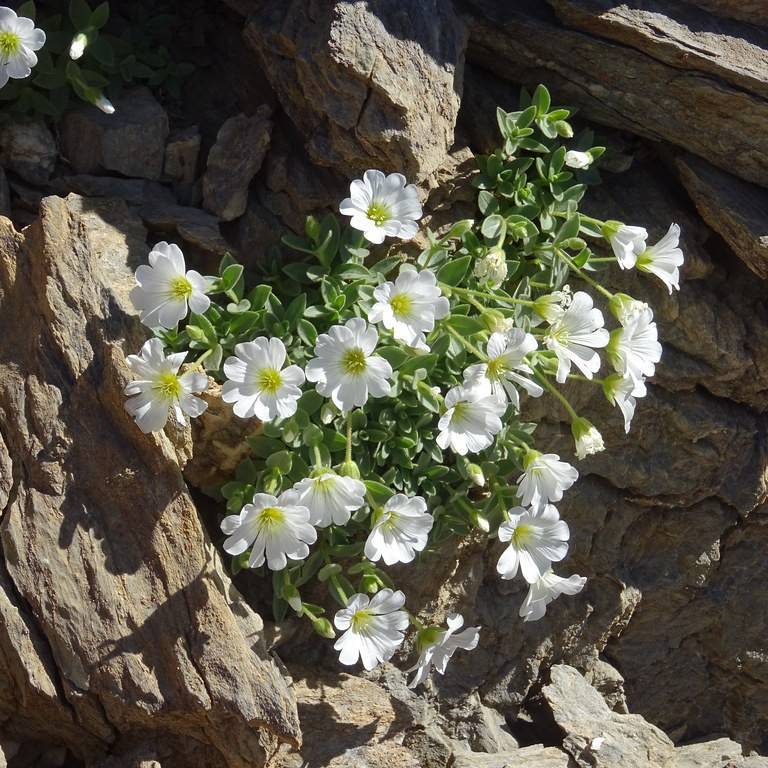
Alpine Mouse Ear Chickweed
Cerastium alpinum
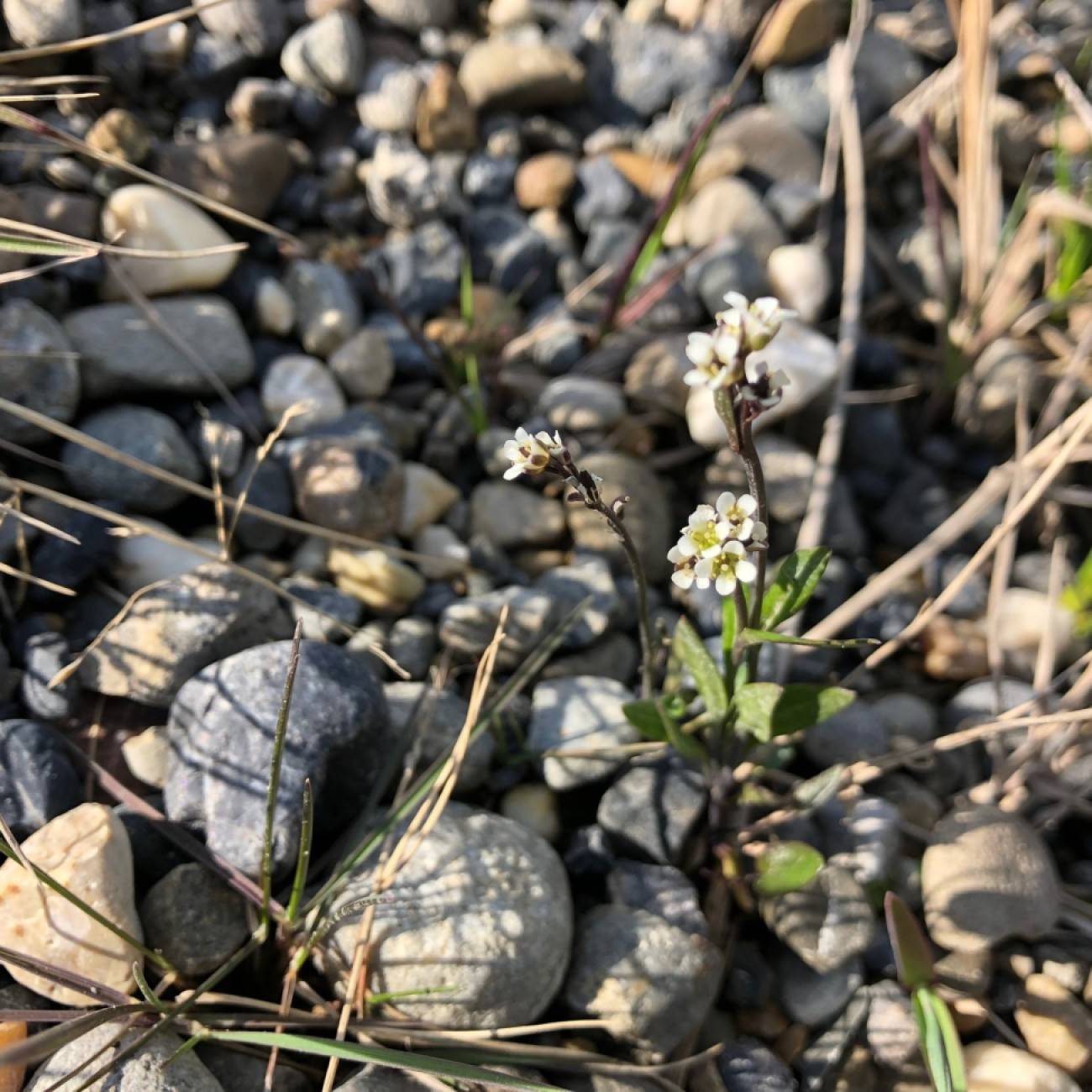
Greenland Rockcress
Boechera groenlandica
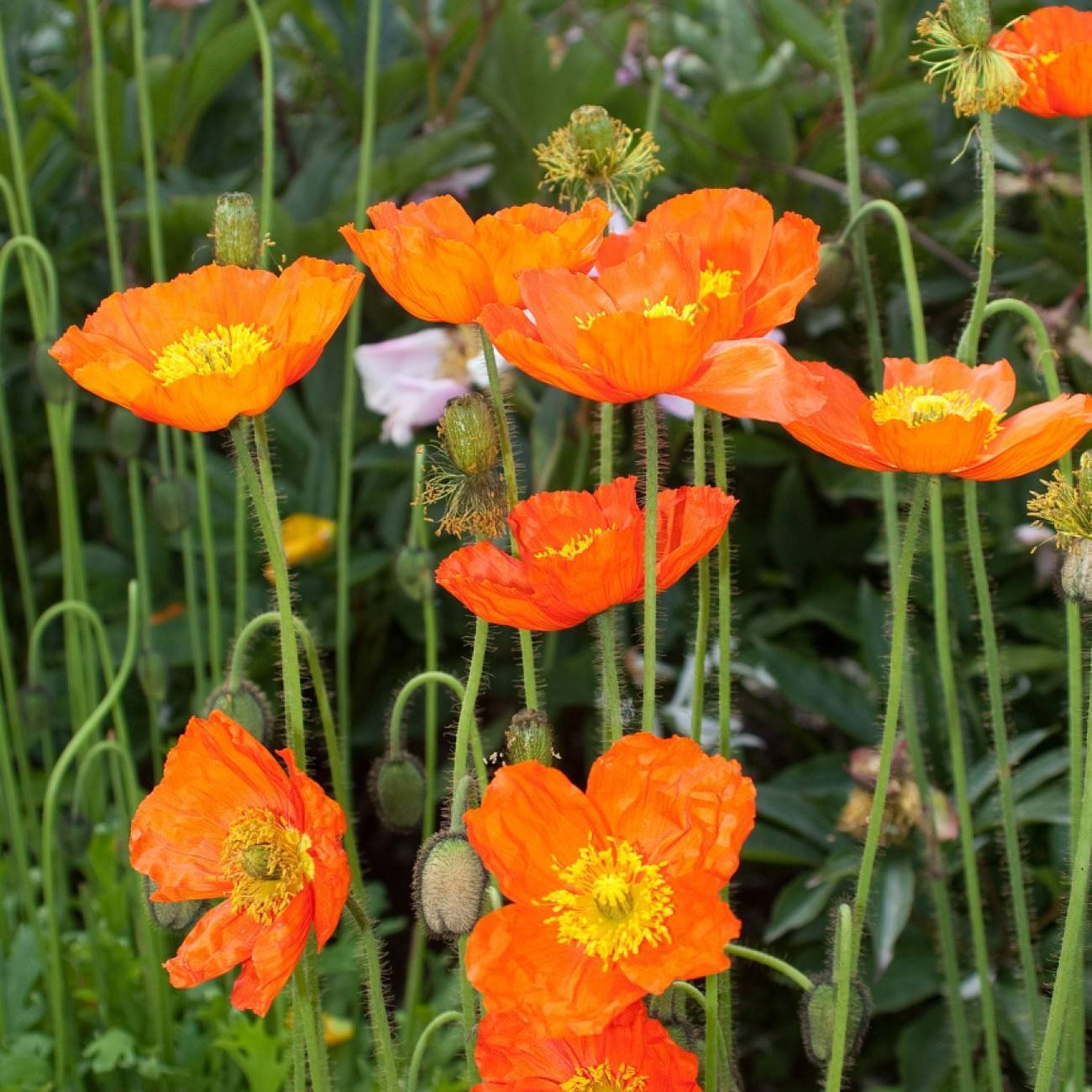
Arctic Poppy
Papaver radicatum
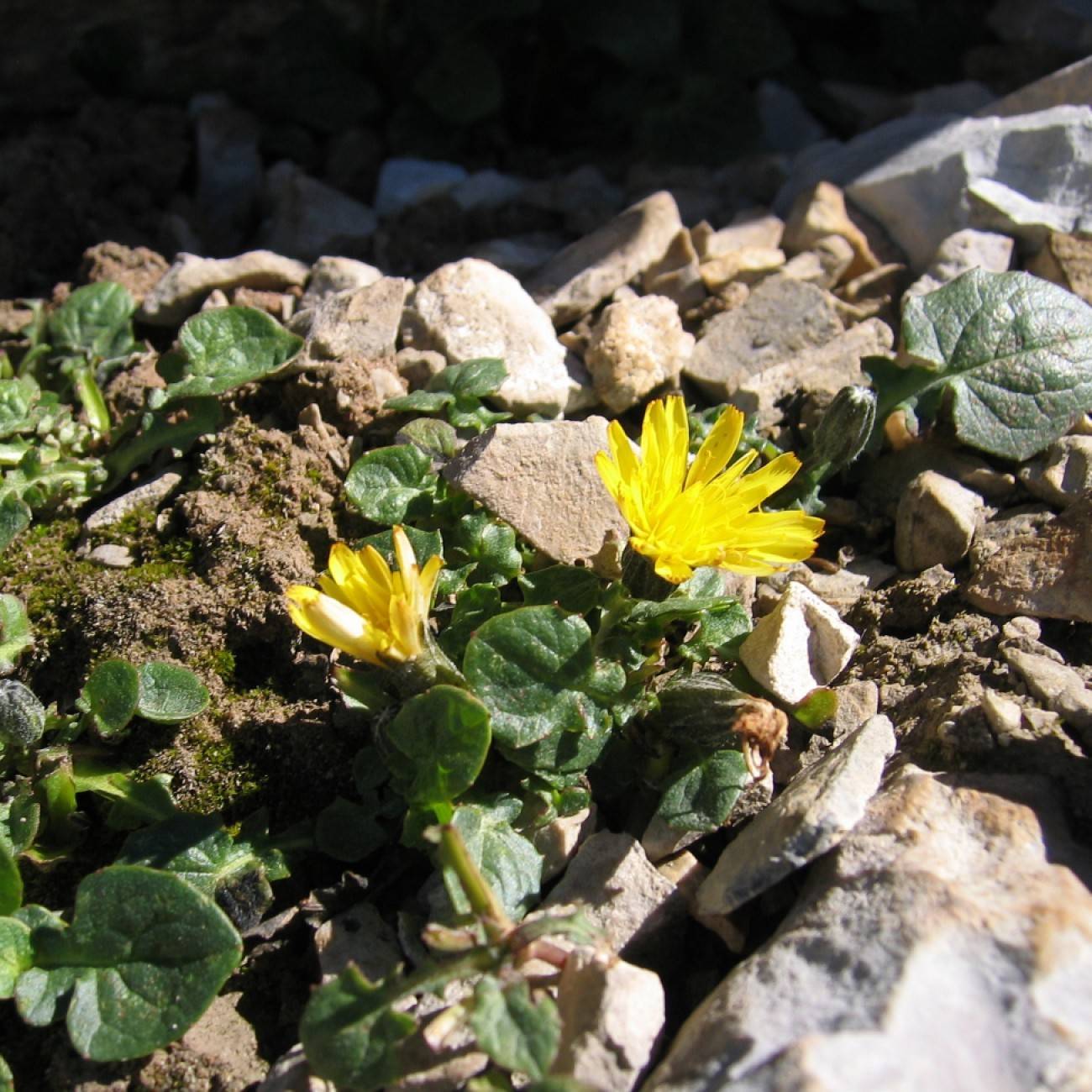
Dwarf Alpine Hawksbeard
Crepis pygmaea
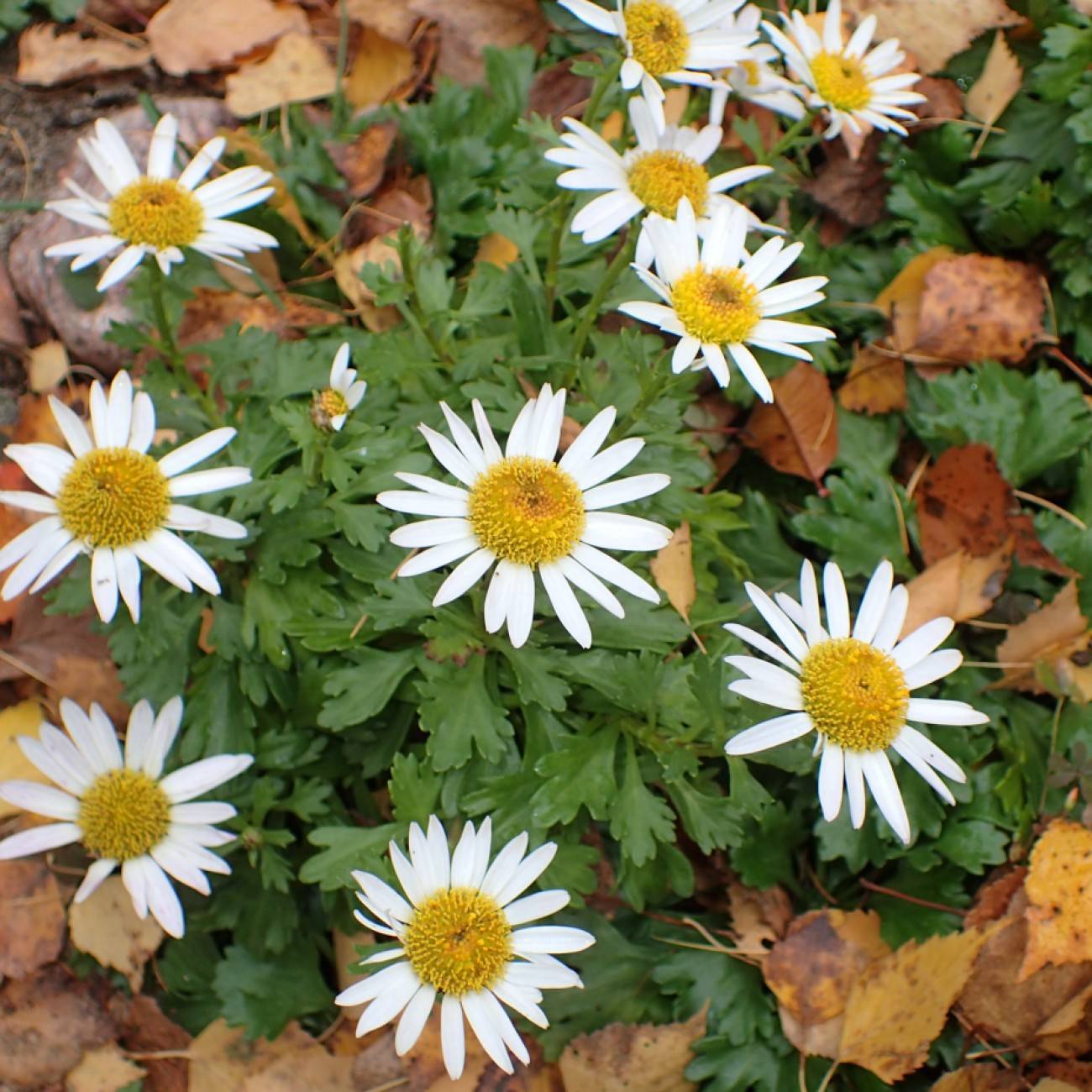
Arctic Daisy
Arctanthemum arcticum (syn. Chrysanthemum arcticum)
Alpine Pussytoes
Antennaria alpina
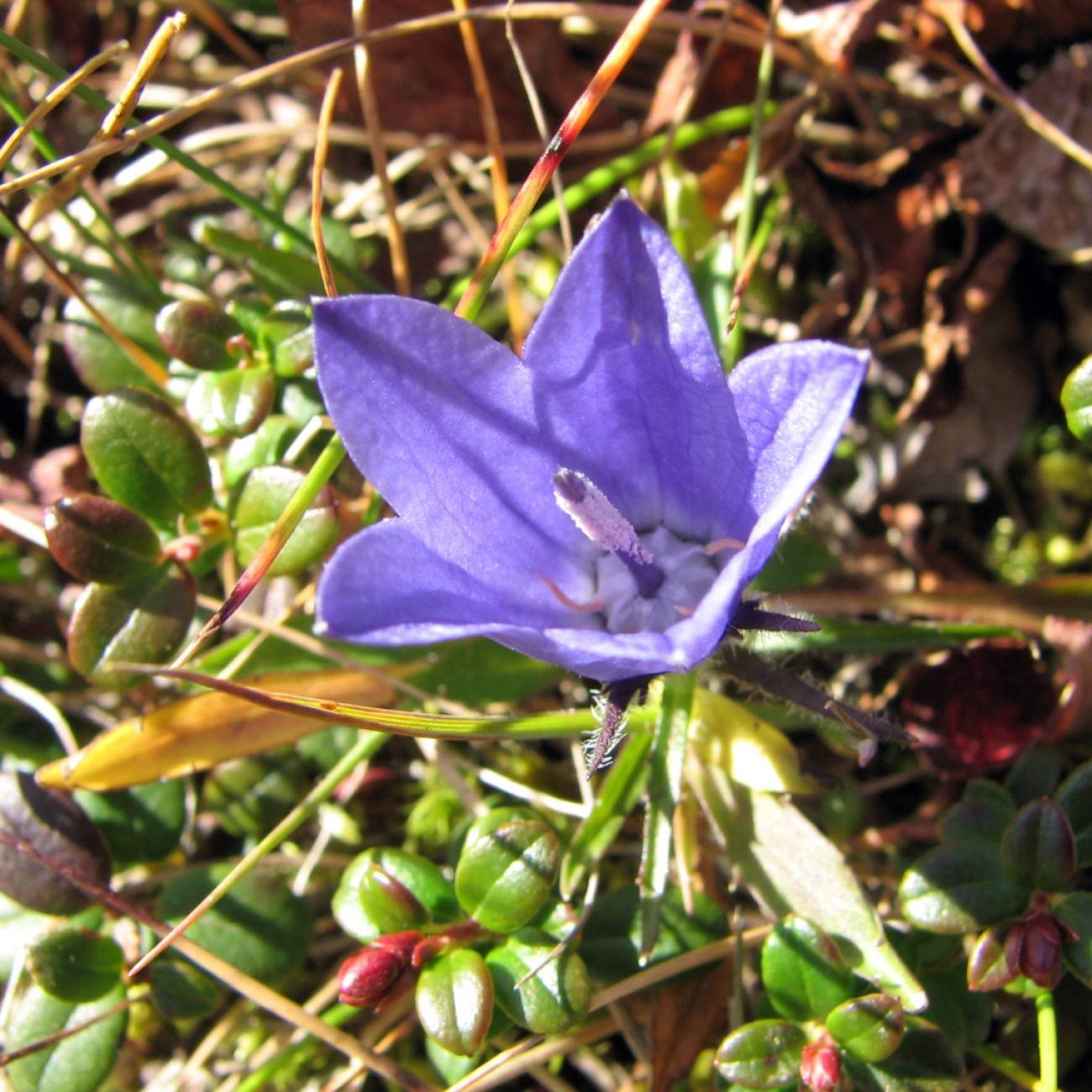
Alaska Bellflower
Campanula alaskana
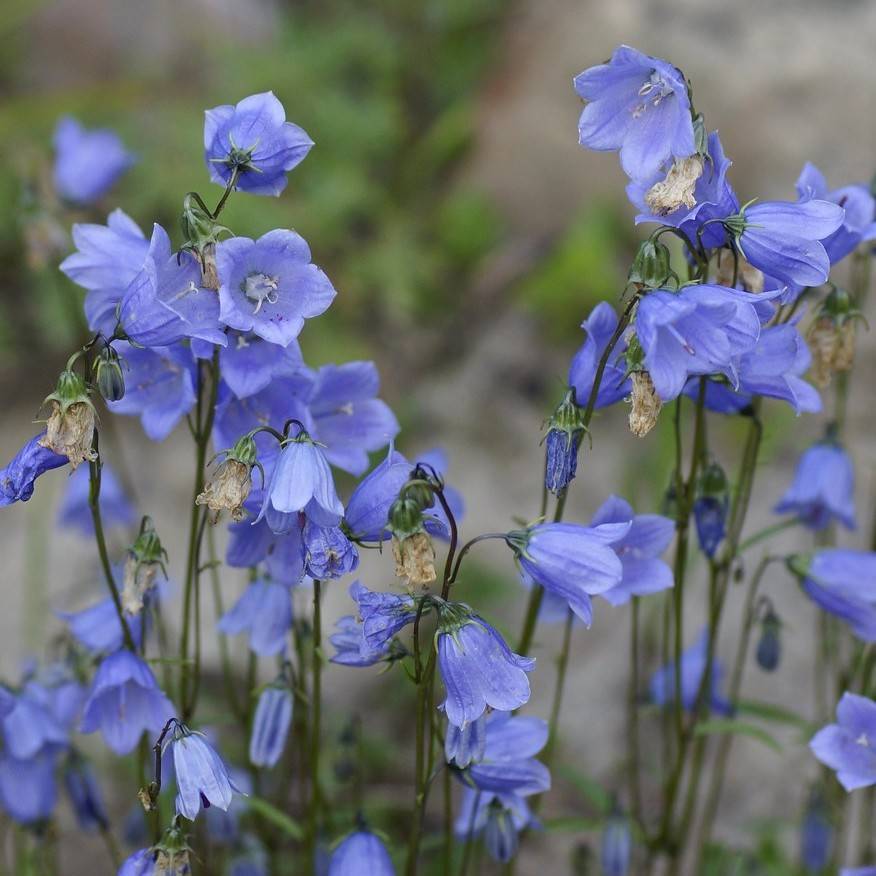
Ear Leaved Bellflower
Campanula cochleariifolia