%22%2F%3E%0A%20%20%20%20%20%20%3Ccircle%20cx%3D%22920%22%20cy%3D%22180%22%20r%3D%2290%22%20fill%3D%22%23cfe8d5%22%2F%3E%0A%20%20%20%20%20%20%3Cpath%20d%3D%22M600%20590c-90-180-215-255-310-280%200%20165%20118%20296%20270%20296h40z%22%20fill%3D%22%2379b88e%22%2F%3E%0A%20%20%20%20%20%20%3Cpath%20d%3D%22M600%20590c80-150%20198-212%20302-228-8%20142-123%20255-270%20255h-32z%22%20fill%3D%22%235c9f73%22%2F%3E%0A%20%20%20%20%20%20%3Cpath%20d%3D%22M600%20610V360%22%20stroke%3D%22%234f8c64%22%20stroke-width%3D%2218%22%20stroke-linecap%3D%22round%22%2F%3E%0A%20%20%20%20%20%20%3Ctext%20x%3D%22600%22%20y%3D%22700%22%20text-anchor%3D%22middle%22%20font-family%3D%22Arial%2C%20sans-serif%22%20font-size%3D%2244%22%20fill%3D%22%23365c45%22%3E%0A%20%20%20%20%20%20%20%20Plant%20image%20coming%20soon%0A%20%20%20%20%20%20%3C%2Ftext%3E%0A%20%20%20%20%3C%2Fsvg%3E%0A%20%20)
Bent Flowered Milk Vetch
Astragalus flexuosus
Overview
Astragalus flexuosus, commonly called Bent Flowered Milk Vetch, is a herbaceous perennial legume named for its distinctive arching, flexuous stems and drooping clusters of pea-like flowers. It is adapted to dry prairies, rocky slopes, and open woodland edges across its native range, forming spreading clumps with fuzzy, pinnately compound leaves. It blooms from late spring to mid summer, producing small, curved seed pods following pollination, and plays a key role in supporting native pollinator populations.
Care Guide
Watering
This drought-tolerant species thrives in dry to medium moisture conditions, requiring only occasional watering during extended periods of extreme heat or drought once established. Overwatering or consistently soggy soil will quickly lead to root rot, so allow the top several inches of soil to dry out completely between waterings.
Light
Bent Flowered Milk Vetch grows best in full, direct sunlight, requiring at least 6 hours of unobstructed sun per day to produce healthy foliage and abundant blooms. It can tolerate very light, dappled shade, but will become leggy, produce fewer flowers, and be more susceptible to pest issues in shadier conditions.
Soil
It adapts well to a wide range of well-drained soil types, including sandy, loamy, gravelly, and even poor, nutrient-deficient soils typical of its native prairie and rocky habitats. It prefers a neutral to slightly alkaline pH, and cannot survive in heavy, clay-heavy soils that retain moisture for long periods after rainfall.
Fertilizer
As a nitrogen-fixing legume, Bent Flowered Milk Vetch naturally adds nitrogen to the soil and does not require regular fertilization to thrive. Excess fertilizer, particularly high-nitrogen blends, will encourage excessive leafy growth at the expense of flower production, and should be avoided entirely in most garden settings.
Temperature
This hardy species is adapted to continental climate extremes, tolerating winter temperatures as low as -30°F (-34°C) and thriving in summer highs up to 100°F (38°C) as long as soil drainage is good. It does not perform well in regions with high humidity and consistently warm winter temperatures, as these conditions promote fungal disease and root rot.
Pruning
Minimal pruning is required for this low-maintenance perennial; cut back dead stems to the ground in late winter or early spring before new growth emerges to promote a tidy appearance and healthy new foliage. Deadheading spent flowers during the blooming season can encourage a second, lighter flush of blooms, but leave some seed pods on the plant if you want it to self-sow in the garden.
Propagation
Bent Flowered Milk Vetch is most easily propagated from seed, which requires a 30-day cold stratification period or scarification to break hard seed coat dormancy before sowing in either fall or early spring. It can also be propagated via root division in early spring, though it has a deep taproot that makes division difficult, so this method is less commonly used than seed propagation.
Humidity
This species prefers low to moderate humidity levels, typical of its native prairie and semi-arid habitats, and struggles in regions with sustained high humidity above 70% for extended periods. Good air circulation around the plant is critical to prevent fungal leaf spot and powdery mildew issues in areas with higher than ideal humidity.
Repotting
Bent Flowered Milk Vetch is rarely grown in containers due to its deep taproot, but if potted, it will need repotting every 2 to 3 years in early spring before new growth begins. Use a deep container with ample drainage holes and a well-drained, sandy potting mix to accommodate the taproot, and avoid disturbing the root system as much as possible during repotting to prevent transplant shock.
Uses & Symbolism
Bent Flowered Milk Vetch is a valuable addition to native pollinator gardens, prairie restorations, and xeriscapes, providing nectar for native bees, butterflies, and other beneficial insects, while its foliage serves as a host plant for several skipper butterfly species. It is also used for erosion control on dry, sloped sites, as its deep taproot stabilizes soil and its nitrogen-fixing root nodules improve soil fertility for neighboring plants. Historically, some Indigenous groups used small amounts of the plant for medicinal purposes, though its toxicity makes any internal use unsafe without expert guidance.
Diseases & Pests
Bent Flowered Milk Vetch is relatively pest and disease resistant when grown in its preferred conditions, but overwatering or poor drainage can lead to root rot, a fungal infection that causes wilting, yellowing foliage, and eventual plant death. In high humidity or crowded growing conditions, it may develop fungal leaf spots or powdery mildew, which can be managed by improving air circulation and avoiding overhead watering. Rare pest issues include aphids and spider mites, which can be controlled with a strong spray of water or insecticidal soap if infestations become severe.
Related plants
Other plants you might like if you grow Bent Flowered Milk Vetch.
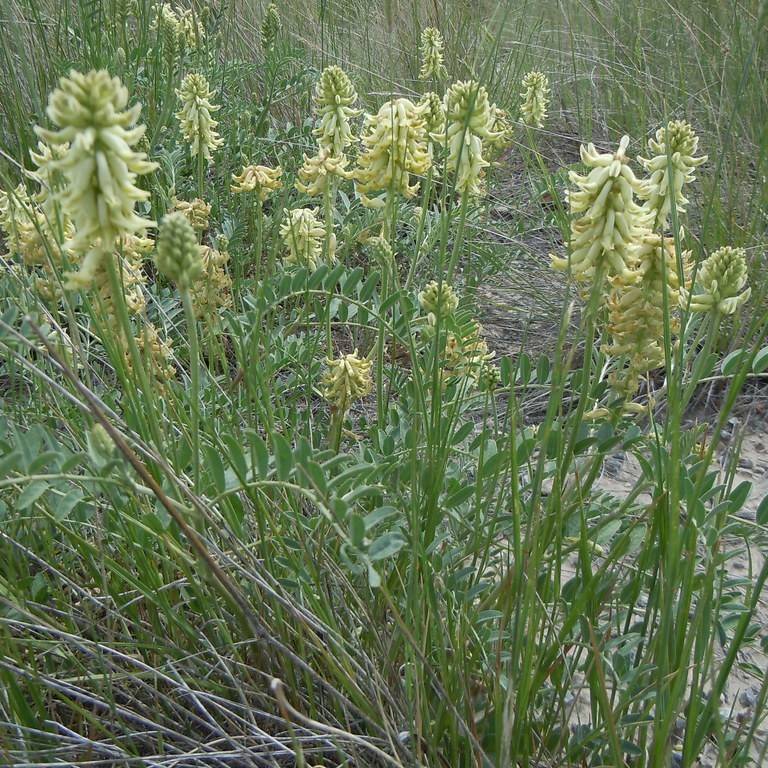
Flexile Milkvetch
Astragalus flexuosus
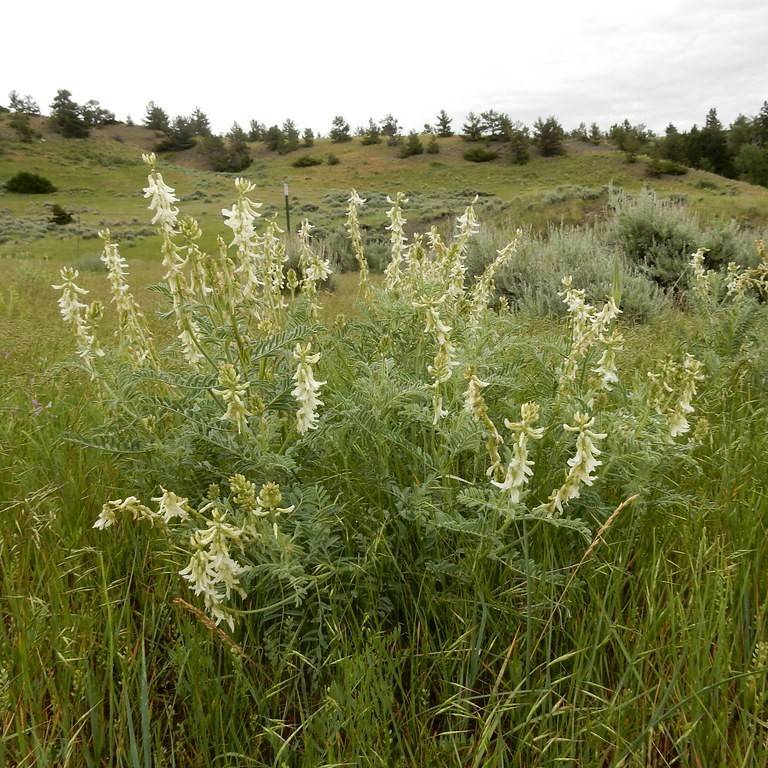
Cooper's Milkvetch
Astragalus neglectus
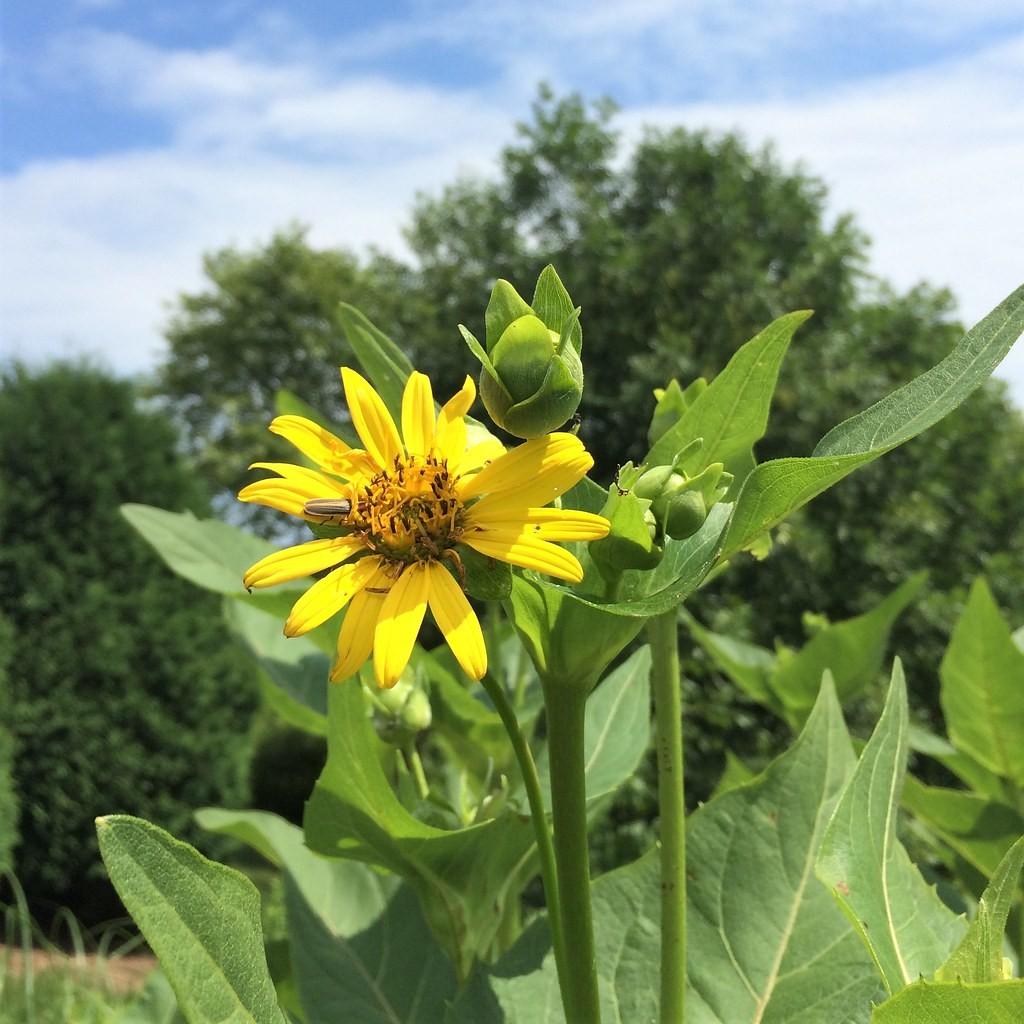
Drummond's Milk Vetch
Astragalus drummondii
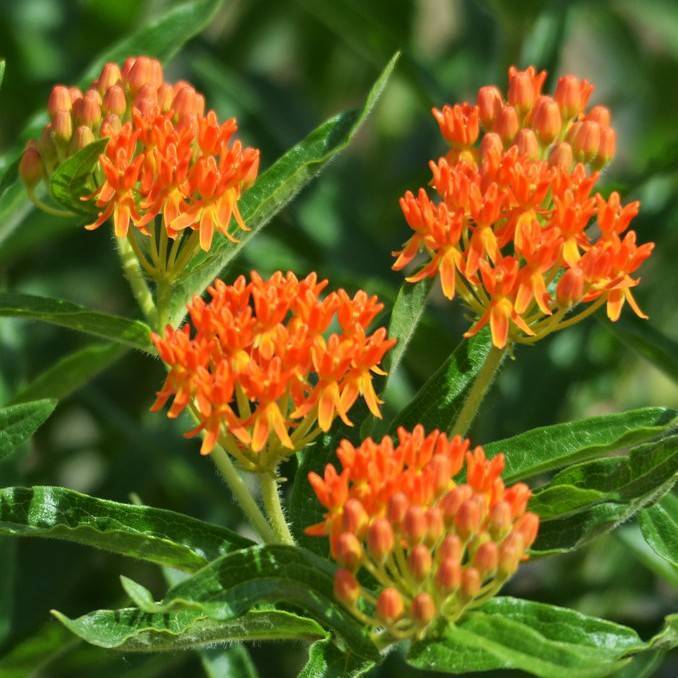
Compass Plant
Silphium laciniatum
Butterfly Milkweed
Asclepias tuberosa
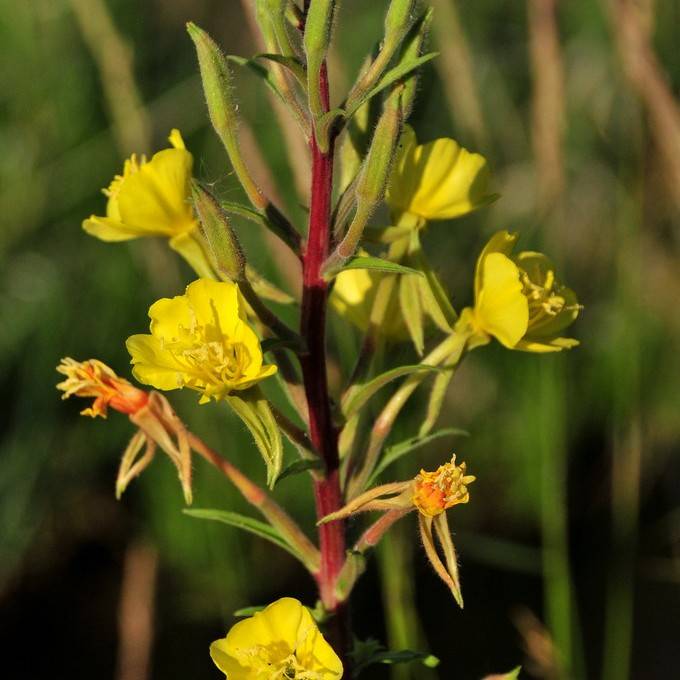
Dwarf Evening Primrose
Oenothera macrocarpa subsp. incana
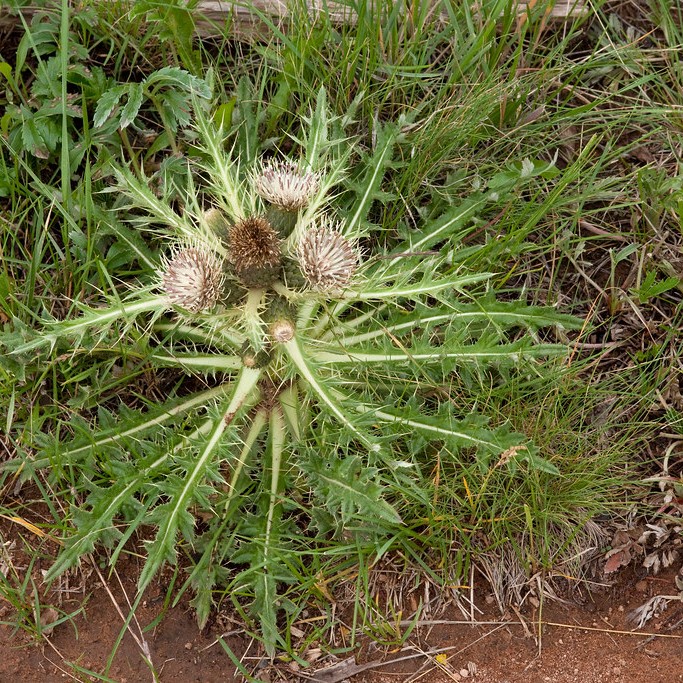
Drummond's Thistle
Cirsium drummondii
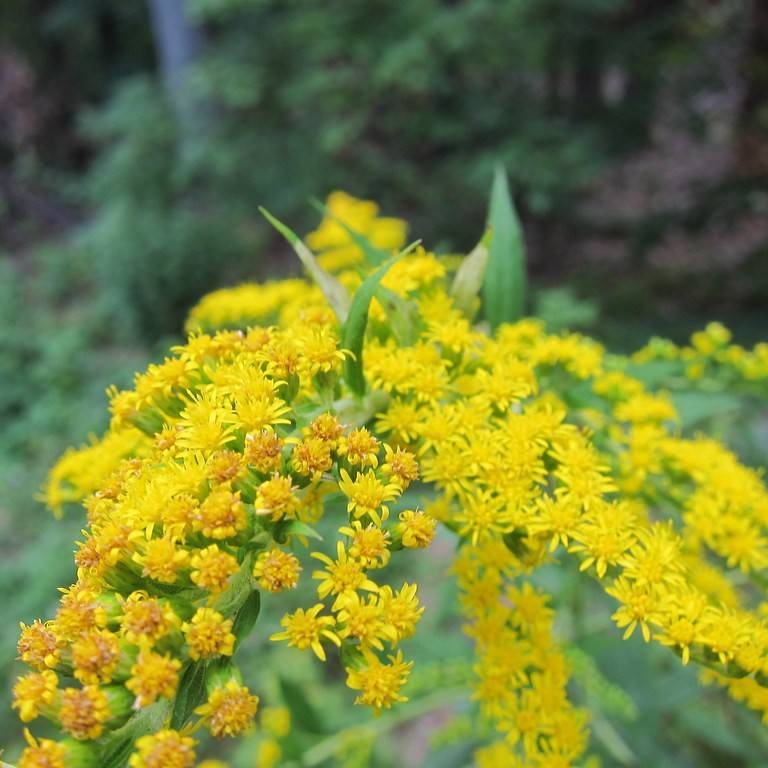
Early Goldenrod
Solidago juncea