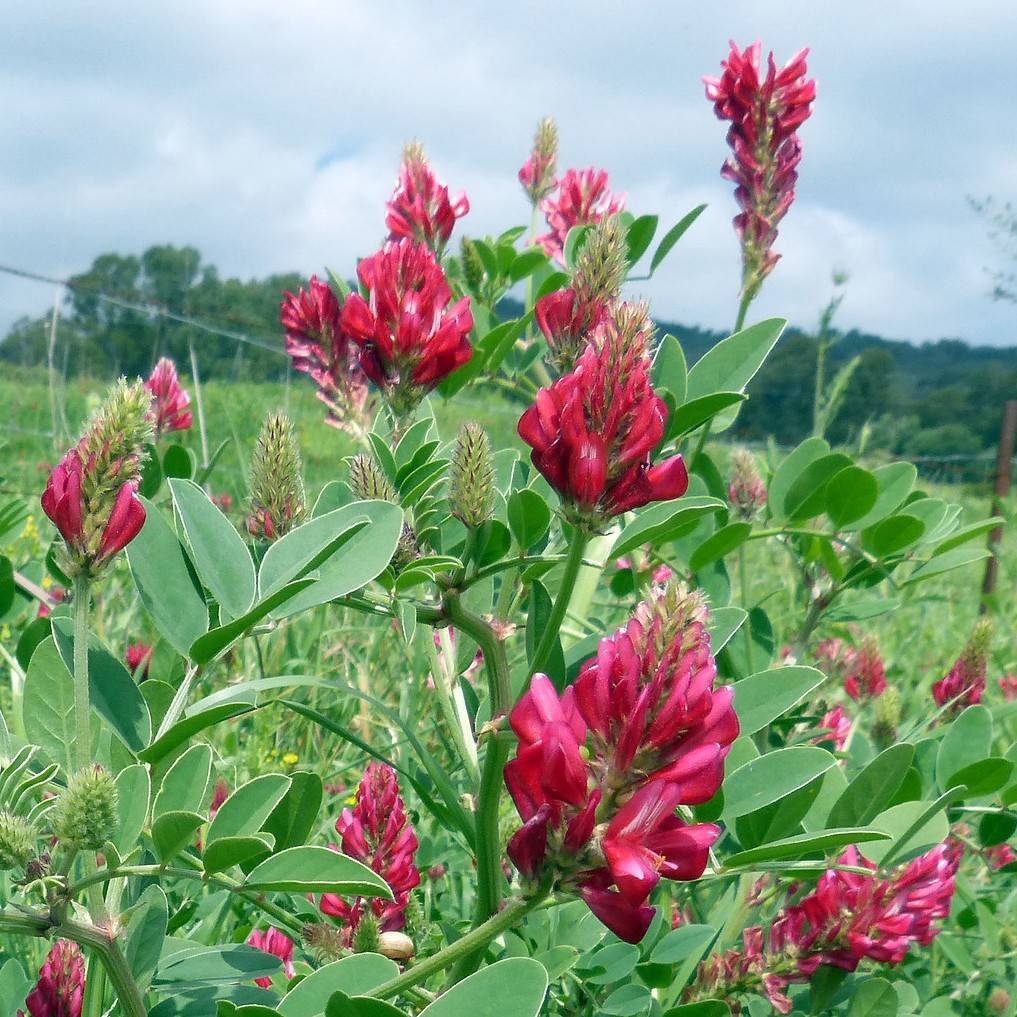
French Honeysuckle
Hedysarum coronarium
Overview
French Honeysuckle, also called sulla or sweet vetch, is a clumping herbaceous legume that produces dense, upright spikes of vivid red, pea-like flowers from late spring to mid-summer. Its deep taproot makes it highly drought-tolerant, and it fixes atmospheric nitrogen to improve soil fertility in growing areas. Though not a true honeysuckle (Lonicera), its sweetly scented blooms draw in bees, butterflies, and other beneficial pollinators throughout its flowering period.
Care Guide
Watering
French Honeysuckle is highly drought-tolerant once established, requiring only occasional deep watering during prolonged dry spells. Overwatering, especially in poorly drained soil, will lead to root rot, so allow the top several inches of soil to dry out completely between waterings. Newly planted specimens need regular, light watering for the first 2-3 months to support root establishment.
Light
This plant thrives in full, direct sunlight, requiring a minimum of 6 hours of unobstructed sun per day to produce abundant blooms and maintain a compact growth habit. It can tolerate very light partial shade, but reduced sun will lead to leggy growth, fewer flowers, and increased susceptibility to fungal diseases.
Soil
French Honeysuckle prefers well-drained, alkaline to neutral loamy or sandy soil, and can tolerate poor, rocky soils where many other ornamental plants struggle. It does not perform well in heavy, waterlogged clay soils or highly acidic growing mediums. As a nitrogen-fixing legume, it naturally enriches low-fertility soils without requiring heavy amendments.
Fertilizer
This plant rarely needs supplemental fertilization, as it fixes its own nitrogen from the atmosphere to support growth. Applying a balanced, slow-release fertilizer once in early spring is only necessary for specimens growing in extremely nutrient-poor, sandy soils. Avoid high-nitrogen fertilizers, which will encourage excessive leaf growth at the expense of flower production.
Temperature
French Honeysuckle grows best in moderate to warm temperatures between 60-85°F (15-29°C), and is hardy in USDA zones 4-9. It can tolerate light frosts down to 20°F (-7°C) once established, though prolonged hard freezes will kill back above-ground growth, with plants resprouting from the root system in spring. It performs well in hot, dry summer conditions where many flowering perennials wilt or go dormant.
Pruning
Prune back spent flower spikes immediately after blooming to encourage a second, lighter flush of flowers later in the season and prevent unwanted self-seeding in garden beds. In late winter or early spring, cut back all dead, woody stems to 4-6 inches above the soil line to promote fresh, vigorous new growth. Remove any weak, damaged, or crossing stems throughout the growing season to improve air circulation and reduce fungal disease risk.
Propagation
French Honeysuckle is most easily propagated from seed, which can be sown directly outdoors in fall or early spring after a 24-hour cold stratification period to improve germination rates. Semi-hardwood cuttings taken from healthy, non-flowering stems in mid-summer can also be rooted in well-drained propagation medium with consistent moisture. Division of mature clumps is possible in early spring, but can be challenging due to the plant’s deep taproot, so it is less commonly used.
Humidity
This plant is adapted to low to moderate humidity levels common in its native Mediterranean range, and tolerates dry air very well. High humidity combined with poor air circulation can increase the risk of powdery mildew and other fungal leaf diseases, so ensure plants are spaced adequately to allow airflow around foliage. It does not require misting or supplemental humidity measures in most growing environments.
Repotting
French Honeysuckle is rarely grown in containers, as its deep taproot requires ample room to spread, making it better suited for in-ground garden planting. If grown in a pot, use a deep, wide container at least 18 inches in diameter to accommodate root growth, and repot every 2-3 years in early spring before new growth emerges. Use a well-drained, sandy loam potting mix, and avoid disturbing the taproot as much as possible during repotting to prevent transplant shock.
Uses & Symbolism
French Honeysuckle is widely planted as an ornamental in cottage gardens, pollinator borders, and xeriscapes for its showy, fragrant red blooms and low-maintenance care requirements. It is also used as a high-quality forage crop for livestock, as it is high in protein and palatable to cattle, sheep, and goats, and is often grown as a cover crop to improve soil fertility and prevent erosion. Historically, it has been used in traditional medicine to treat digestive issues and inflammatory conditions, though modern medicinal use is limited.
Diseases & Pests
French Honeysuckle is relatively pest and disease resistant, but can be susceptible to powdery mildew in high-humidity conditions with poor air circulation, which presents as a white, powdery coating on leaf surfaces. Root rot can occur in poorly drained, waterlogged soils, leading to yellowing foliage, wilting, and eventual plant death. Aphids may occasionally feed on new growth, though they rarely cause significant damage and can be controlled with insecticidal soap or natural predators like ladybugs.
Related plants
Other plants you might like if you grow French Honeysuckle.
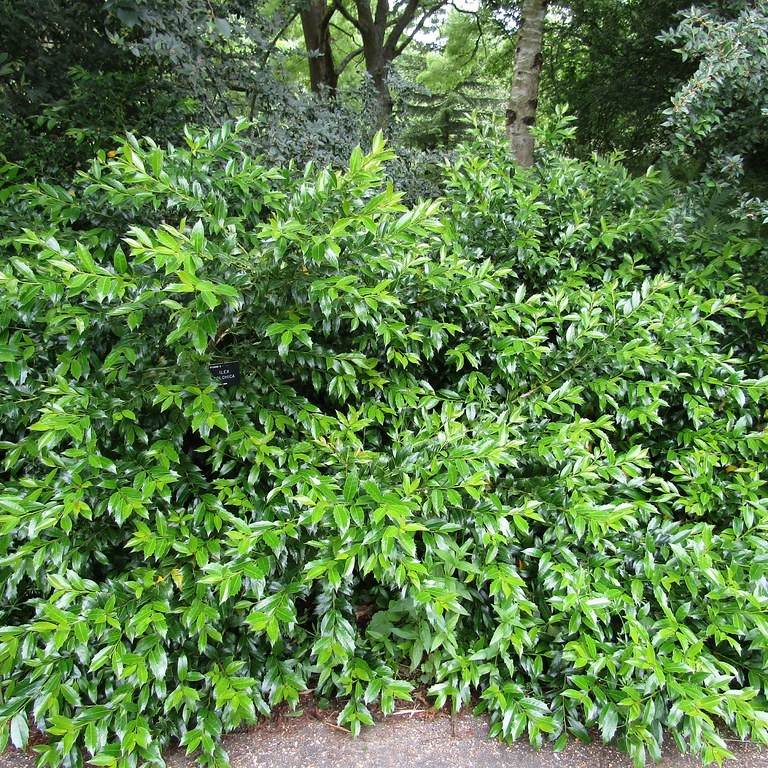
Black Sea Holly
Eryngium x tripartitum
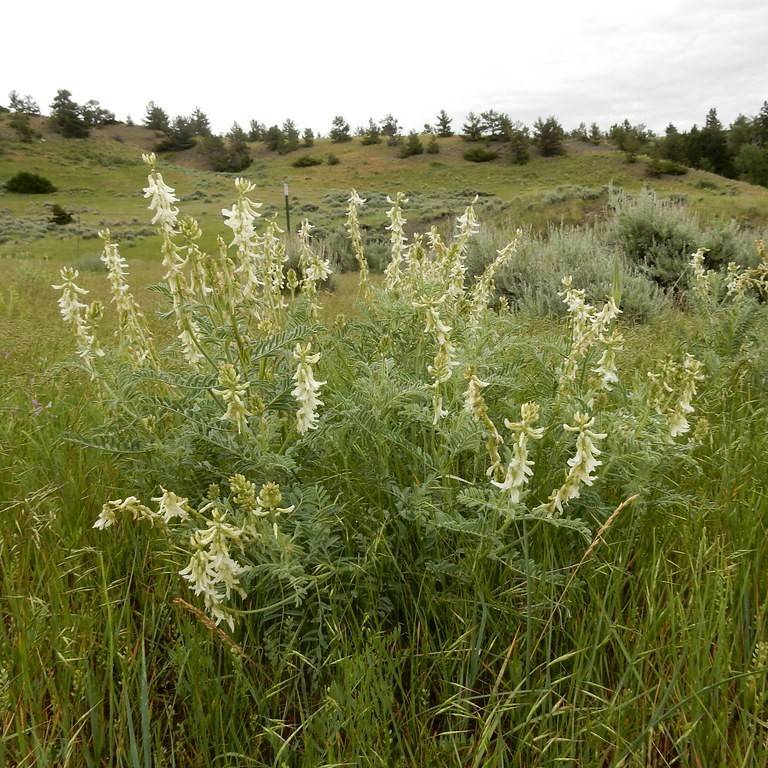
Drummond's Milk Vetch
Astragalus drummondii
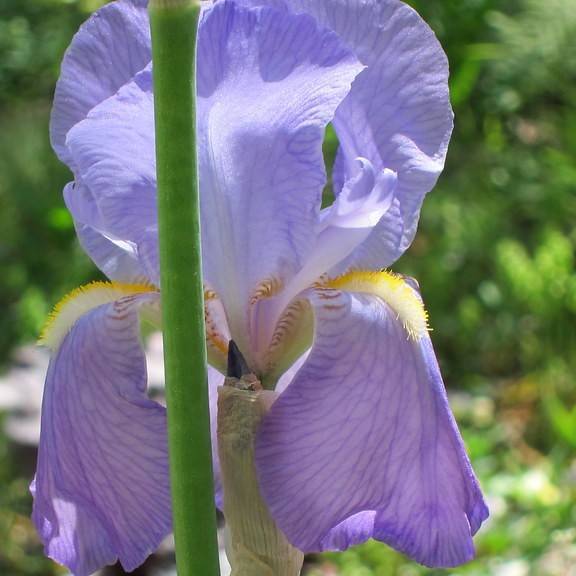
Dalmatian Iris
Iris pallida subsp. pallida
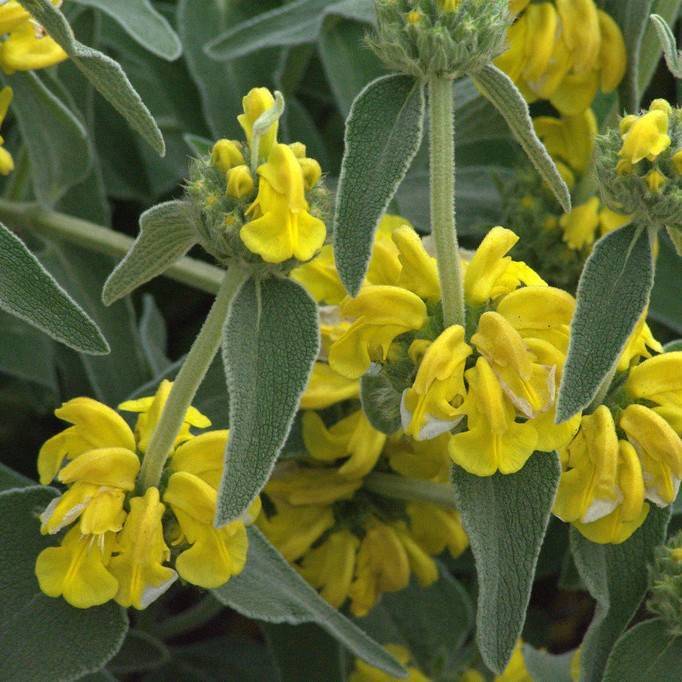
Jerusalem Sage
Phlomis fruticosa
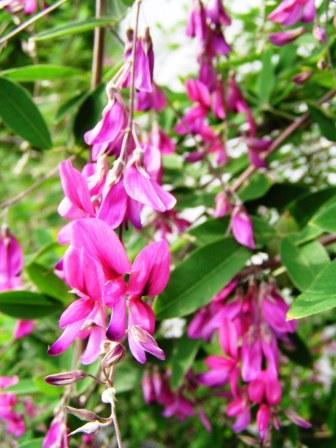
Bush Clover
Lespedeza thunbergii
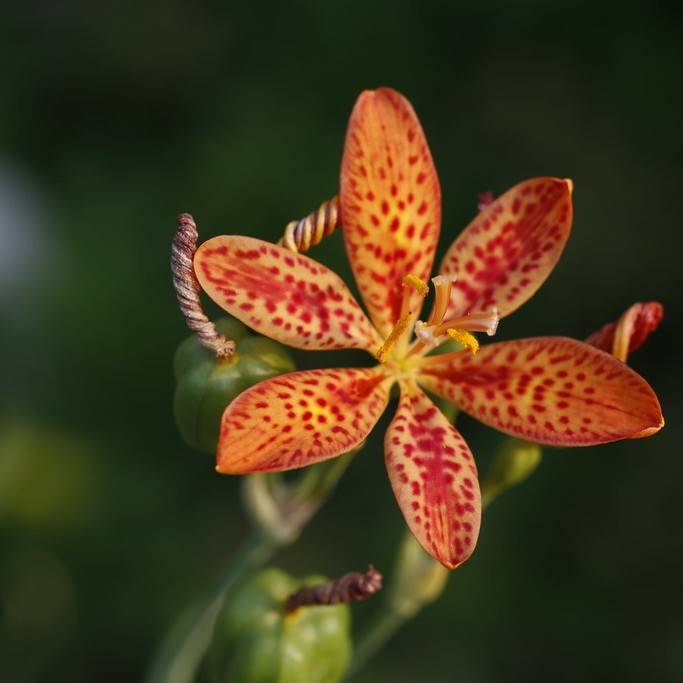
Blackberry Lily
Iris domestica (syn. Belamcanda chinensis)
%22%2F%3E%0A%20%20%20%20%20%20%3Ccircle%20cx%3D%22920%22%20cy%3D%22180%22%20r%3D%2290%22%20fill%3D%22%23cfe8d5%22%2F%3E%0A%20%20%20%20%20%20%3Cpath%20d%3D%22M600%20590c-90-180-215-255-310-280%200%20165%20118%20296%20270%20296h40z%22%20fill%3D%22%2379b88e%22%2F%3E%0A%20%20%20%20%20%20%3Cpath%20d%3D%22M600%20590c80-150%20198-212%20302-228-8%20142-123%20255-270%20255h-32z%22%20fill%3D%22%235c9f73%22%2F%3E%0A%20%20%20%20%20%20%3Cpath%20d%3D%22M600%20610V360%22%20stroke%3D%22%234f8c64%22%20stroke-width%3D%2218%22%20stroke-linecap%3D%22round%22%2F%3E%0A%20%20%20%20%20%20%3Ctext%20x%3D%22600%22%20y%3D%22700%22%20text-anchor%3D%22middle%22%20font-family%3D%22Arial%2C%20sans-serif%22%20font-size%3D%2244%22%20fill%3D%22%23365c45%22%3E%0A%20%20%20%20%20%20%20%20Plant%20image%20coming%20soon%0A%20%20%20%20%20%20%3C%2Ftext%3E%0A%20%20%20%20%3C%2Fsvg%3E%0A%20%20)
Least Bladdery Milk Vetch
Astragalus leptocarpus
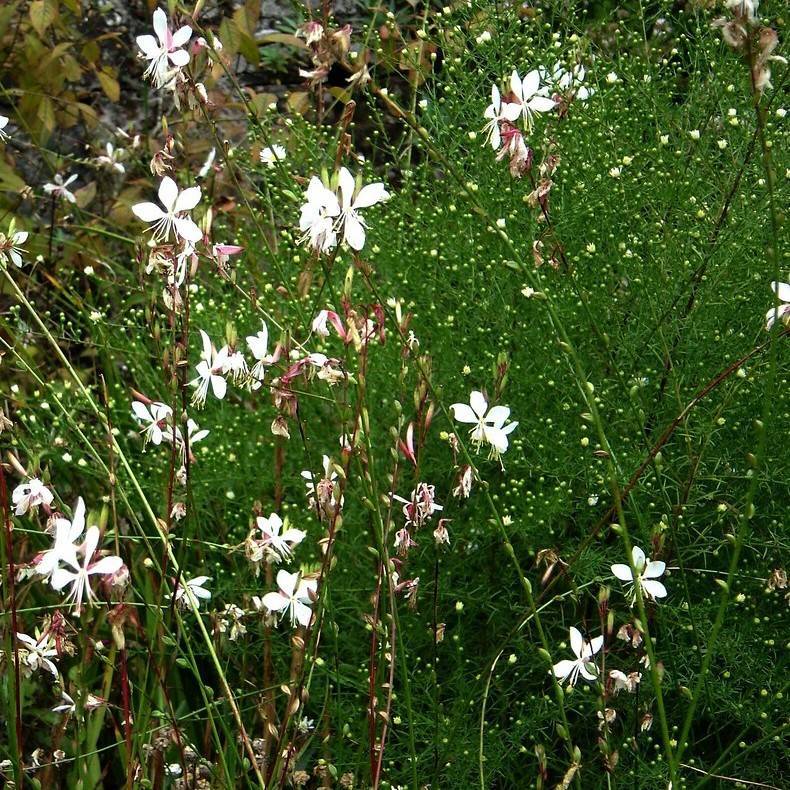
Gaura
Oenothera lindheimeri