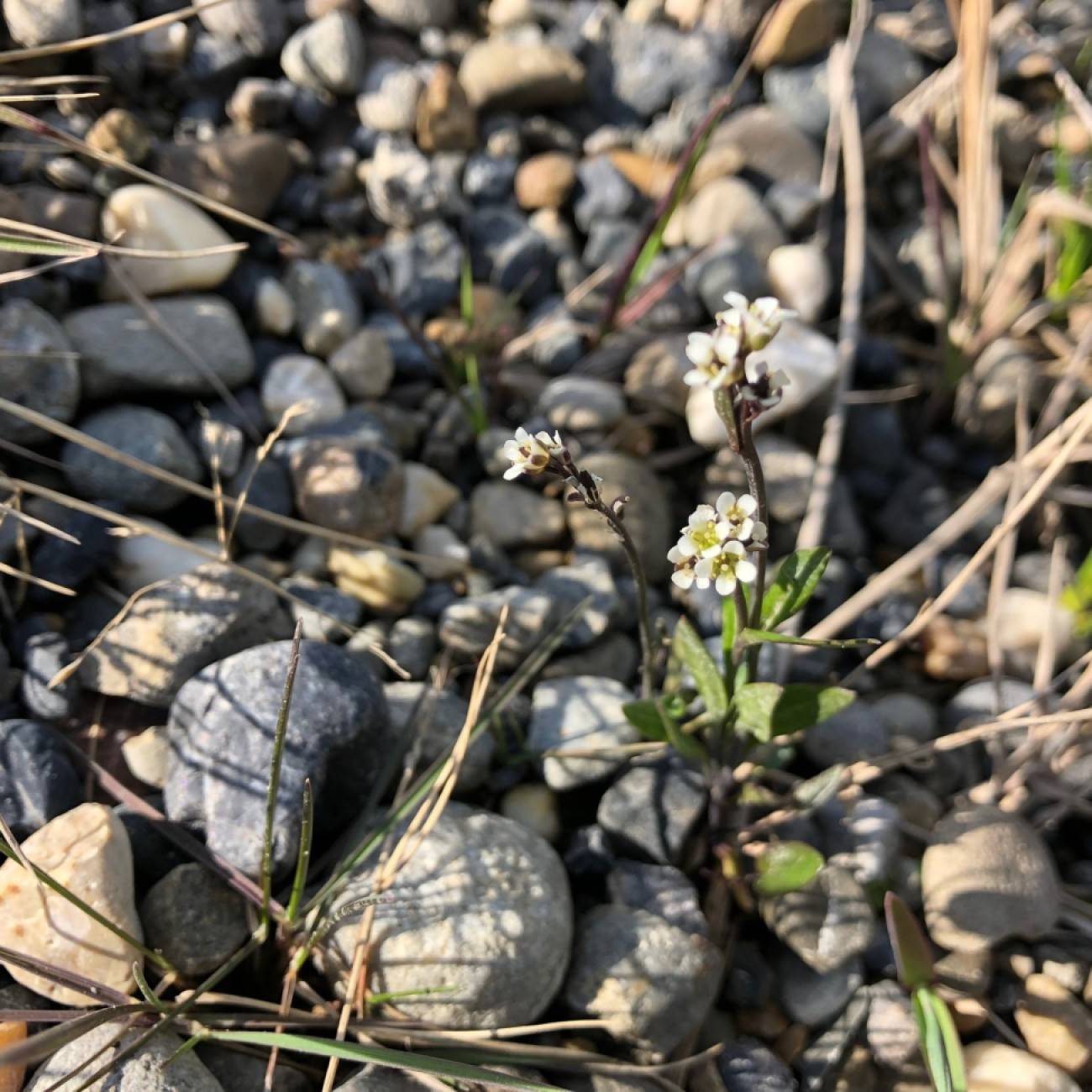
Greenland Rockcress
Boechera groenlandica
Overview
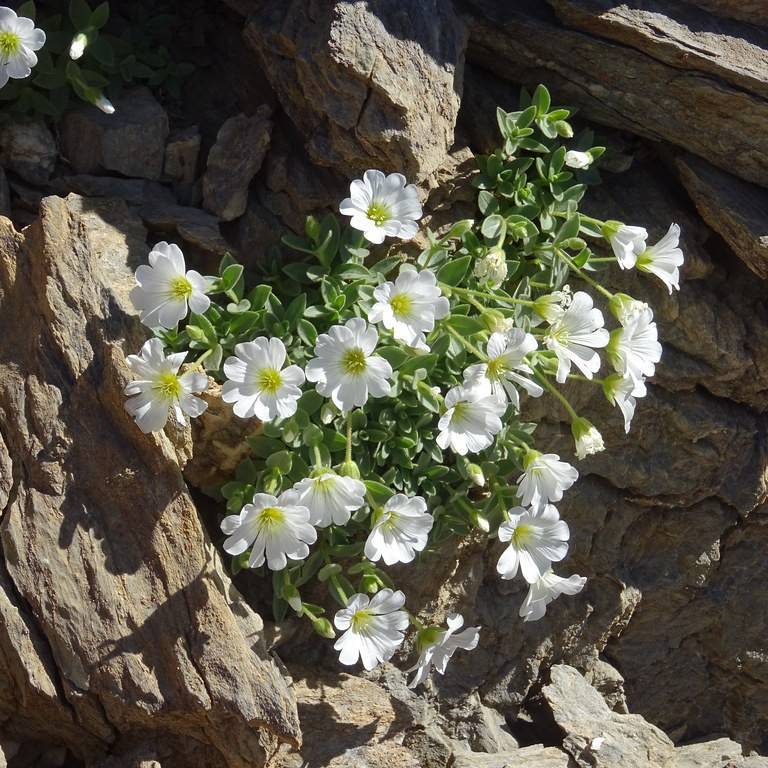
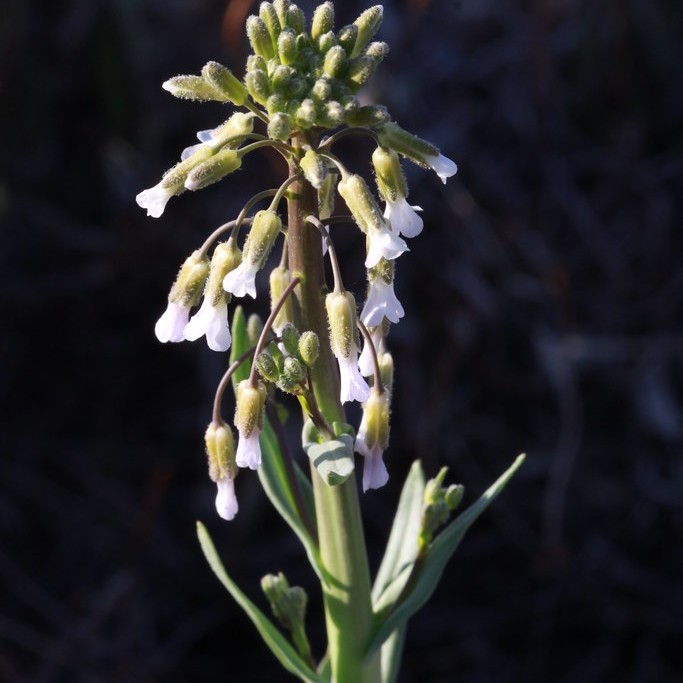
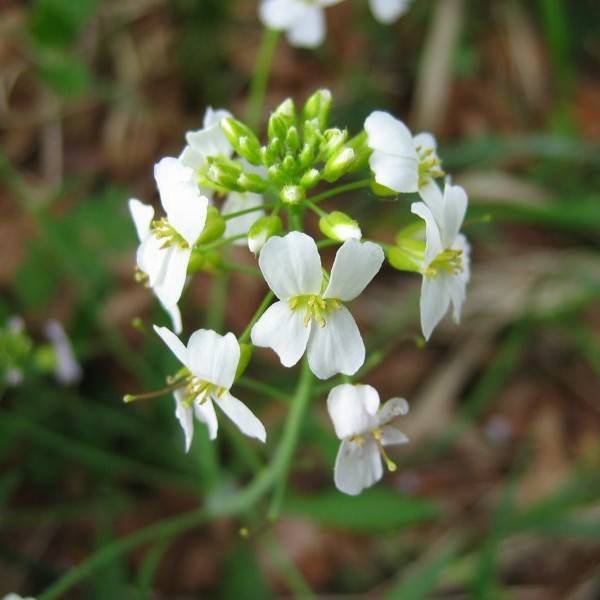
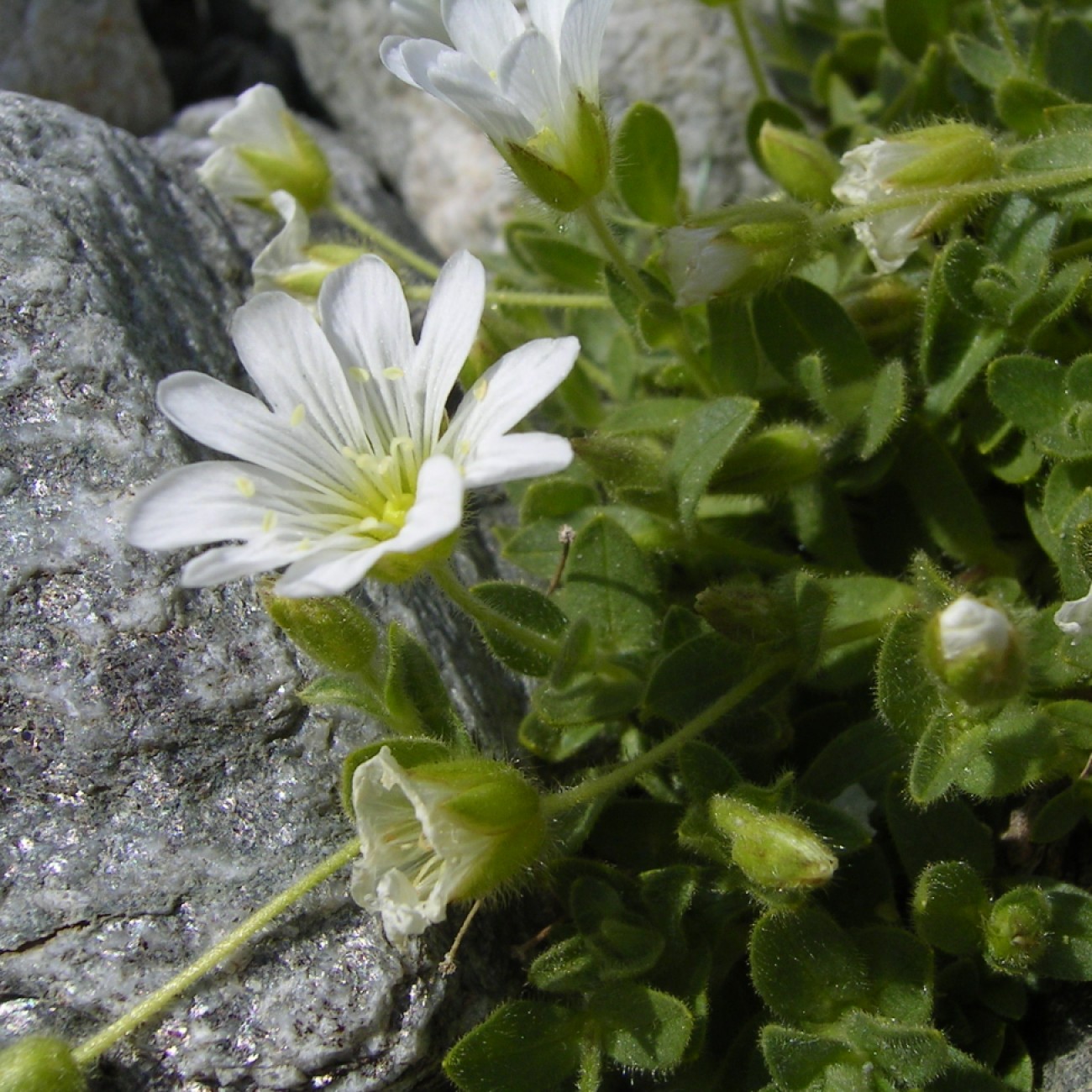
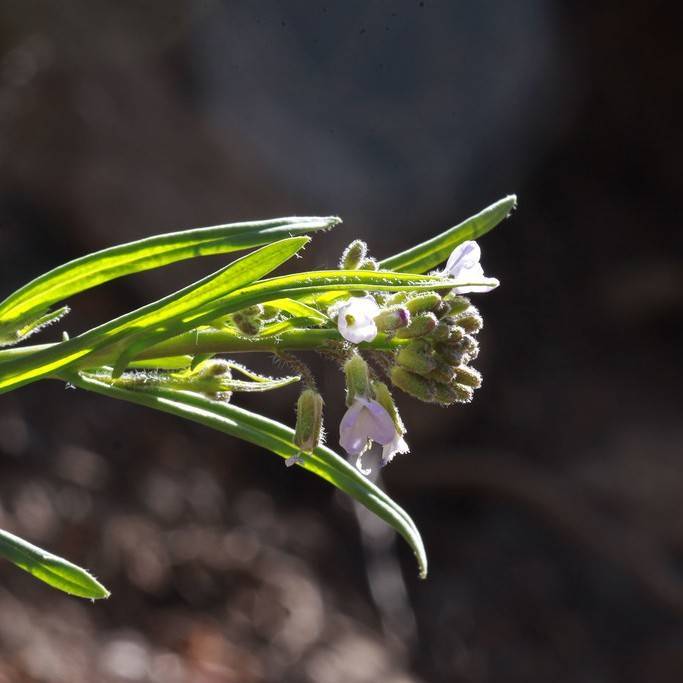
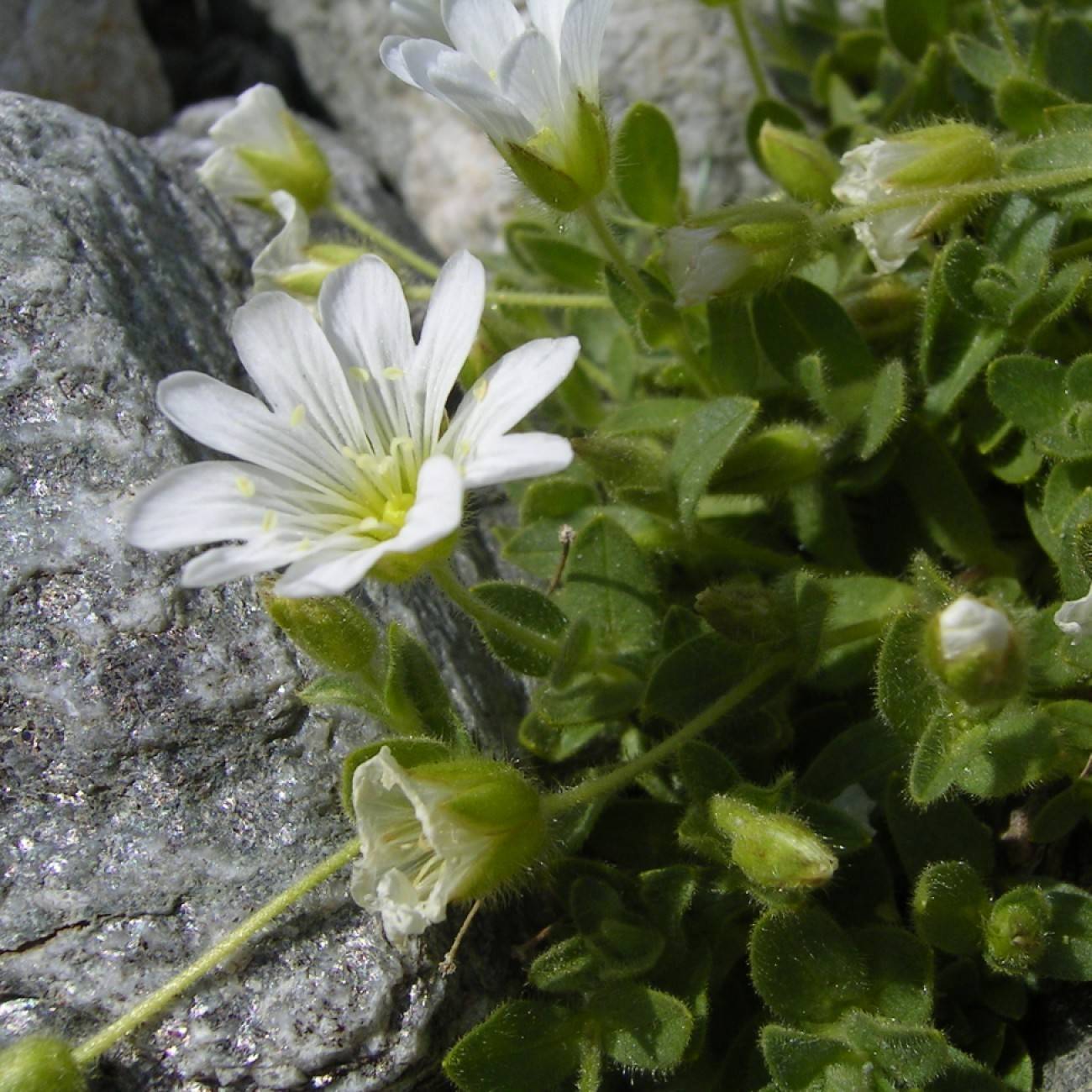
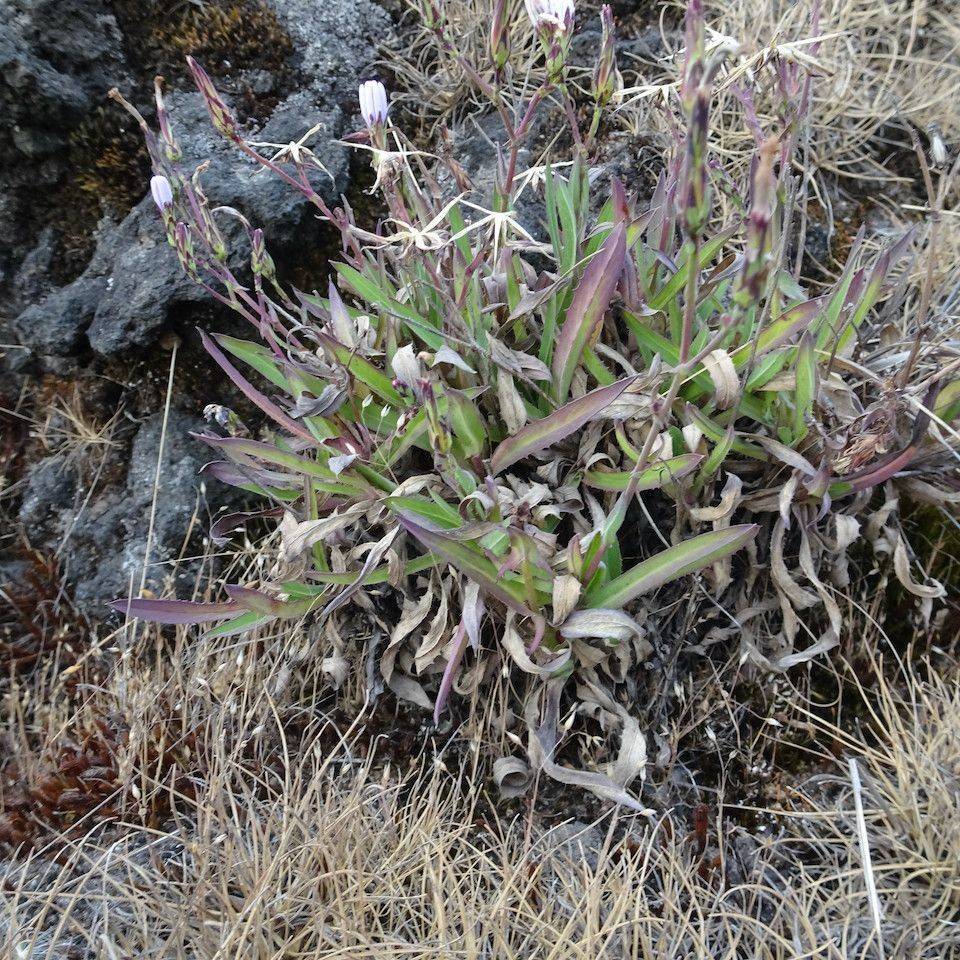
Greenland Rockcress is a compact, mat-forming perennial native to harsh arctic and subarctic habitats, where it thrives in exposed rocky slopes, tundra, and gravelly shorelines. It produces loose clusters of four-petaled white or pale lavender flowers in late spring to early summer, held above low rosettes of fuzzy, gray-green lanceolate leaves. Extremely cold-tolerant, it is a popular choice for alpine gardens, rock gardens, and xeriscapes in cool climate regions.
Care Guide
Watering
Greenland Rockcress requires well-drained conditions and is highly drought-tolerant once established; water infrequently, only when the top several inches of soil are completely dry. Avoid overwatering, especially in winter, as sitting in saturated soil will quickly cause root rot. In its native habitat, it receives most of its moisture from melting snow in spring, so supplemental watering is rarely needed in cool, temperate climates.
Light
This species thrives in full, direct sunlight, requiring a minimum of 6 hours of unobstructed sun per day to produce abundant flowers and maintain a compact growth habit. It can tolerate very light partial shade in warmer growing zones, but too much shade will lead to leggy growth and reduced flowering. In alpine and subarctic regions, it adapts to long summer daylight hours with no adverse effects.
Soil
Greenland Rockcress prefers sharply drained, gravelly or sandy soil with a neutral to slightly alkaline pH, mimicking its native rocky tundra and slope habitats. It tolerates poor, low-nutrient soils very well, and will struggle in heavy clay or loamy soils that retain moisture. Adding grit, perlite, or crushed rock to planting sites will improve drainage significantly for optimal growth.
Fertilizer
This low-nutrient adapted plant requires very little fertilization; an annual light application of balanced, slow-release fertilizer in early spring is sufficient for the entire growing season. Avoid high-nitrogen fertilizers, as these will promote excessive soft, leggy foliage growth at the expense of flowers and cold hardiness. No supplemental feeding is needed for plants growing in unimproved rock garden or alpine soil.
Temperature
Greenland Rockcress is exceptionally cold-hardy, surviving temperatures as low as -40°F (-40°C) in USDA hardiness zones 2 through 7. It prefers cool growing conditions and will struggle in regions with hot, humid summers, where high temperatures above 85°F (29°C) combined with moisture can cause crown rot. Winter dormancy is triggered by shortening day lengths and cold temperatures, with foliage dying back to the root crown to overwinter.
Pruning
Pruning requirements are minimal for Greenland Rockcress; spent flower stalks can be trimmed back after blooming to maintain a neat, compact appearance and prevent unwanted self-seeding if desired. In late fall or early spring, remove any dead or damaged foliage from the rosette to improve air circulation and reduce the risk of fungal disease. No heavy pruning is necessary, as the plant naturally maintains a low, mat-forming growth habit.
Propagation
Greenland Rockcress is most easily propagated from seed, which can be sown directly outdoors in fall for cold stratification, or started indoors 6-8 weeks before the last frost date after a 4-week period of cold, moist stratification. It can also be propagated by division of established mats in early spring, just as new growth begins to emerge, taking care to keep root disturbance to a minimum. Cuttings of healthy basal shoots can be taken in early summer and rooted in gritty, well-drained medium under cool, bright conditions.
Humidity
This species prefers low to moderate humidity levels, and is highly adapted to the dry air of arctic and alpine environments. High humidity, especially combined with warm temperatures, increases the risk of fungal leaf spot and crown rot, so good air circulation around plants is critical in more humid climates. It does not require any misting or supplemental humidity to thrive.
Repotting
For Greenland Rockcress grown in containers, repot only every 3-4 years, when the plant has completely outgrown its current pot and root bound, as it prefers to be slightly root bound. Use a shallow container with ample drainage holes, filled with a gritty, fast-draining cactus or alpine potting mix, to replicate its preferred rocky soil conditions. Repot in early spring before new growth begins, taking care not to damage the shallow, delicate root system during the process.
Uses & Symbolism
Greenland Rockcress is a popular ornamental plant for alpine gardens, rock gardens, rock walls, and xeriscapes, where its low mat-forming habit and delicate spring flowers add textural and seasonal interest. It is also used in ecological restoration projects for disturbed cold-region sites, as it stabilizes rocky soil and provides early spring nectar for native pollinators including solitary bees and butterflies. Historically, Indigenous Arctic peoples used small amounts of the leaves raw or cooked as a bitter, vitamin C-rich green to prevent scurvy, though it is not commonly consumed today.
Diseases & Pests
Greenland Rockcress is relatively pest and disease free when grown in its preferred well-drained, sunny conditions; the most common issue is root rot caused by overwatering or poorly draining soil. In humid, warm conditions, it may be susceptible to fungal leaf spot and powdery mildew, which can be prevented by ensuring good air circulation and avoiding overhead watering. Aphids and flea beetles may occasionally feed on young foliage, but infestations are rarely severe and can be controlled with insecticidal soap or neem oil if needed.
Related plants
Other plants you might like if you grow Greenland Rockcress.