%22%2F%3E%0A%20%20%20%20%20%20%3Ccircle%20cx%3D%22920%22%20cy%3D%22180%22%20r%3D%2290%22%20fill%3D%22%23cfe8d5%22%2F%3E%0A%20%20%20%20%20%20%3Cpath%20d%3D%22M600%20590c-90-180-215-255-310-280%200%20165%20118%20296%20270%20296h40z%22%20fill%3D%22%2379b88e%22%2F%3E%0A%20%20%20%20%20%20%3Cpath%20d%3D%22M600%20590c80-150%20198-212%20302-228-8%20142-123%20255-270%20255h-32z%22%20fill%3D%22%235c9f73%22%2F%3E%0A%20%20%20%20%20%20%3Cpath%20d%3D%22M600%20610V360%22%20stroke%3D%22%234f8c64%22%20stroke-width%3D%2218%22%20stroke-linecap%3D%22round%22%2F%3E%0A%20%20%20%20%20%20%3Ctext%20x%3D%22600%22%20y%3D%22700%22%20text-anchor%3D%22middle%22%20font-family%3D%22Arial%2C%20sans-serif%22%20font-size%3D%2244%22%20fill%3D%22%23365c45%22%3E%0A%20%20%20%20%20%20%20%20Plant%20image%20coming%20soon%0A%20%20%20%20%20%20%3C%2Ftext%3E%0A%20%20%20%20%3C%2Fsvg%3E%0A%20%20)
Least Bladdery Milk Vetch
Astragalus leptocarpus
Overview
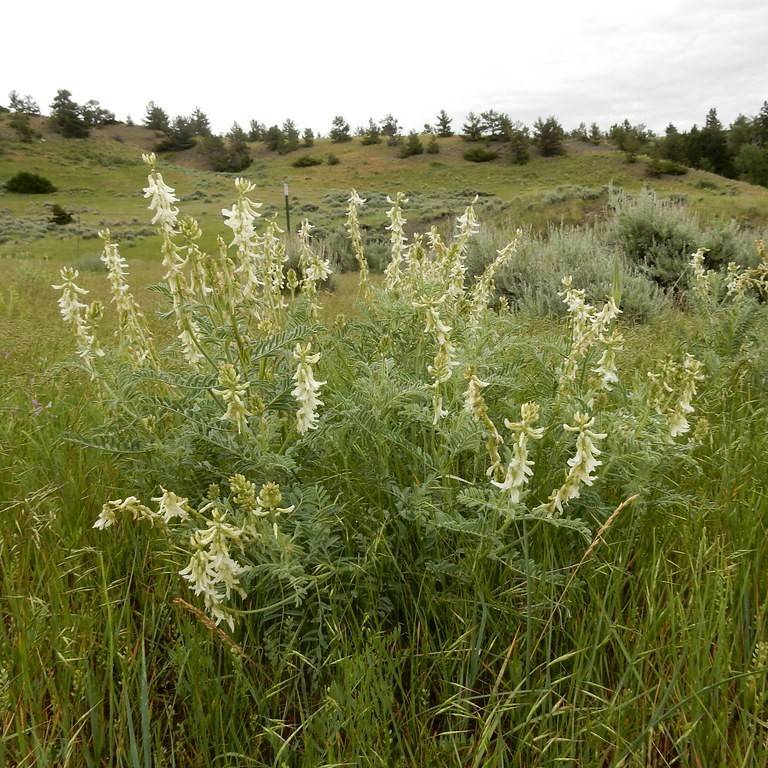
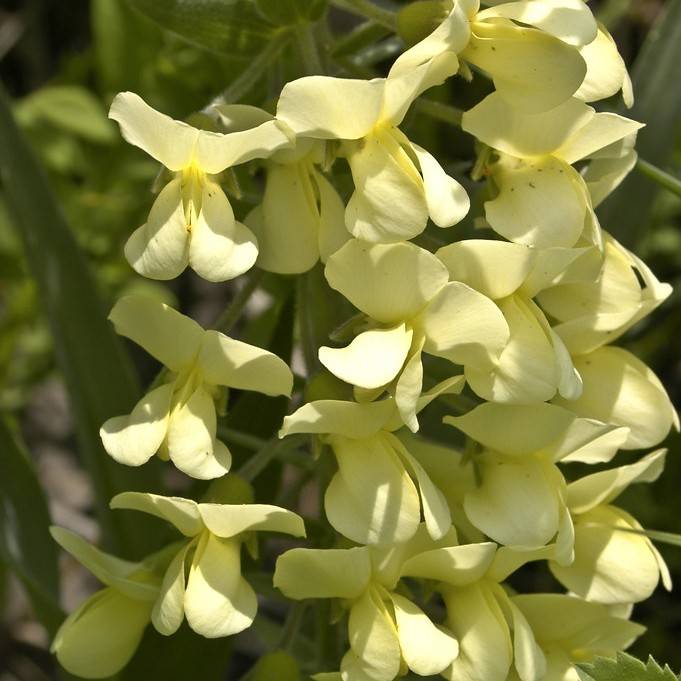
Least bladdery milk vetch is a compact, mat-forming wild legume native to dry, open prairies, rocky slopes, and sagebrush steppes across western North America. It produces clusters of small, pea-like pale yellow to cream flowers in late spring, followed by distinctive thin-walled, inflated seed pods that give the species its common name. As a nitrogen-fixing plant, it improves soil fertility in its native habitats and supports a range of native pollinators, including bumblebees and solitary bees.
Care Guide
Watering
This drought-tolerant species is adapted to low-moisture environments, requiring only occasional deep watering during extended periods of extreme drought once established. Overwatering, especially in heavy or poorly draining soils, will quickly cause root rot, so allow the entire root zone to dry out completely between irrigation events. Avoid overhead watering to minimize foliar disease risk.
Light
Least bladdery milk vetch thrives in full, direct sunlight, requiring a minimum of 6 hours of unobstructed sun per day to produce abundant flowers and maintain its compact growth habit. It can tolerate very light, dappled shade for short periods, but reduced light will lead to leggy growth, fewer blooms, and increased susceptibility to pest infestations.
Soil
This species prefers well-drained, sandy, loamy, or gravelly soils with a neutral to slightly alkaline pH, mimicking its native rocky prairie and slope habitats. It can tolerate poor, low-nutrient soils due to its nitrogen-fixing root nodules, but will not survive in heavy clay soils or sites that hold standing water after precipitation. Amend heavy soils with coarse sand or gravel to improve drainage before planting.
Fertilizer
As a nitrogen-fixing legume, least bladdery milk vetch does not require regular fertilization, as it produces its own nitrogen to support growth. Excess nitrogen from fertilizer applications will encourage lush, soft foliage growth at the expense of flowers and seed pod production, and may reduce the plant’s drought tolerance. If grown in extremely nutrient-depleted soils, a single application of a low-nitrogen, balanced slow-release fertilizer in early spring is sufficient.
Temperature
This hardy species is adapted to a wide range of temperature extremes, thriving in USDA hardiness zones 4 through 8, withstanding winter lows as low as -30°F (-34°C) and summer highs above 100°F (38°C). It is well-adapted to large diurnal temperature fluctuations common in its native Intermountain West habitats. Young seedlings may require light protection from unexpected late spring frosts, but mature plants are fully cold-hardy.
Pruning
Pruning is rarely required for least bladdery milk vetch, though spent flower stems can be trimmed back after blooming if you wish to prevent self-seeding and maintain a neat, compact growth habit. In late fall or early spring, cut back any dead or damaged foliage to make way for new growth, taking care not to damage the crown of the plant. Avoid heavy pruning, as this can stress the plant and reduce bloom production in the following season.
Propagation
Least bladdery milk vetch is most easily propagated from seed, which requires a 2 to 3 month cold stratification period to break dormancy, or scarification with sandpaper to nick the hard seed coat before sowing. Sow seeds directly outdoors in late fall, so they receive natural winter stratification, or start stratified seeds indoors 6 to 8 weeks before the last expected spring frost. It can also be propagated via root division in early spring, though the plant has a deep taproot that makes division more challenging than seed propagation.
Humidity
This species prefers low to moderate humidity levels, typical of its native arid and semi-arid prairie and foothill habitats. It does not tolerate high humidity for extended periods, as moist conditions can encourage fungal foliar diseases and root rot. Ensure good air circulation around plants if grown in more humid regions to reduce disease risk.
Repotting
Least bladdery milk vetch is rarely grown in containers, as it develops a deep taproot that requires ample room to grow, and it thrives best when planted directly in its permanent outdoor location. If grown in a container, choose a deep pot at least 12 inches deep to accommodate the taproot, and repot only when roots begin to emerge from the drainage holes, typically every 2 to 3 years. Use a fast-draining cactus or succulent potting mix amended with gravel to ensure adequate drainage when repotting.
Uses & Symbolism
Least bladdery milk vetch is widely used in native pollinator gardens, xeriscapes, and prairie restoration projects, providing a valuable nectar source for native bees, butterflies, and other beneficial insects. Its nitrogen-fixing root system improves soil fertility, and its mat-forming growth habit helps stabilize soil on erodible slopes and disturbed sites. It is also occasionally used as a low-maintenance groundcover in dry, low-traffic areas where other plants struggle to survive.
Diseases & Pests
The most common diseases affecting least bladdery milk vetch are root rot and fungal leaf spots, which occur almost exclusively in poorly draining soils or overwatered conditions. Aphids and spider mites may occasionally infest stressed plants, especially in hot, dry weather, though these pests rarely cause significant damage to healthy, well-established specimens. It is also a host for the larvae of some native butterfly species, which cause minor foliage feeding that is generally considered beneficial for supporting local biodiversity.
Related plants
Other plants you might like if you grow Least Bladdery Milk Vetch.