Lavalle Hawthorn
Crataegus × lavallei
Overview
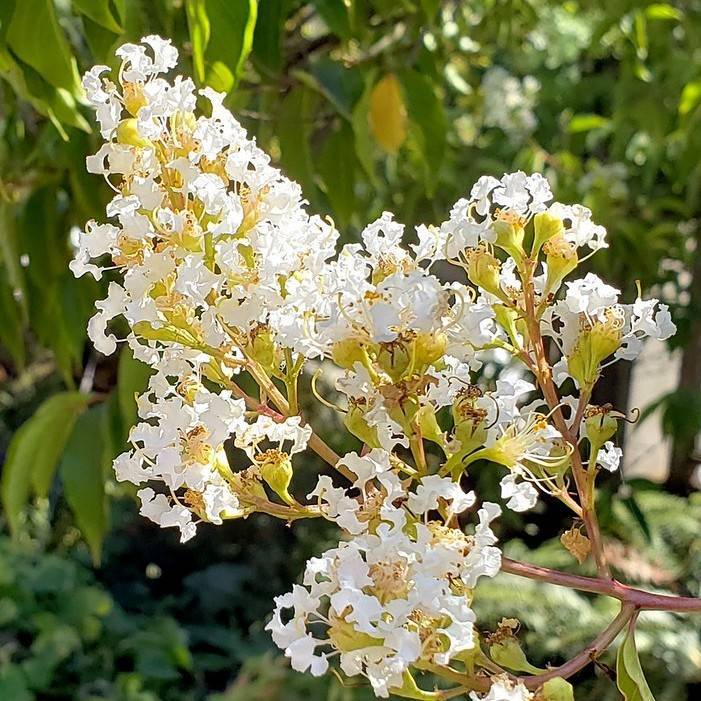
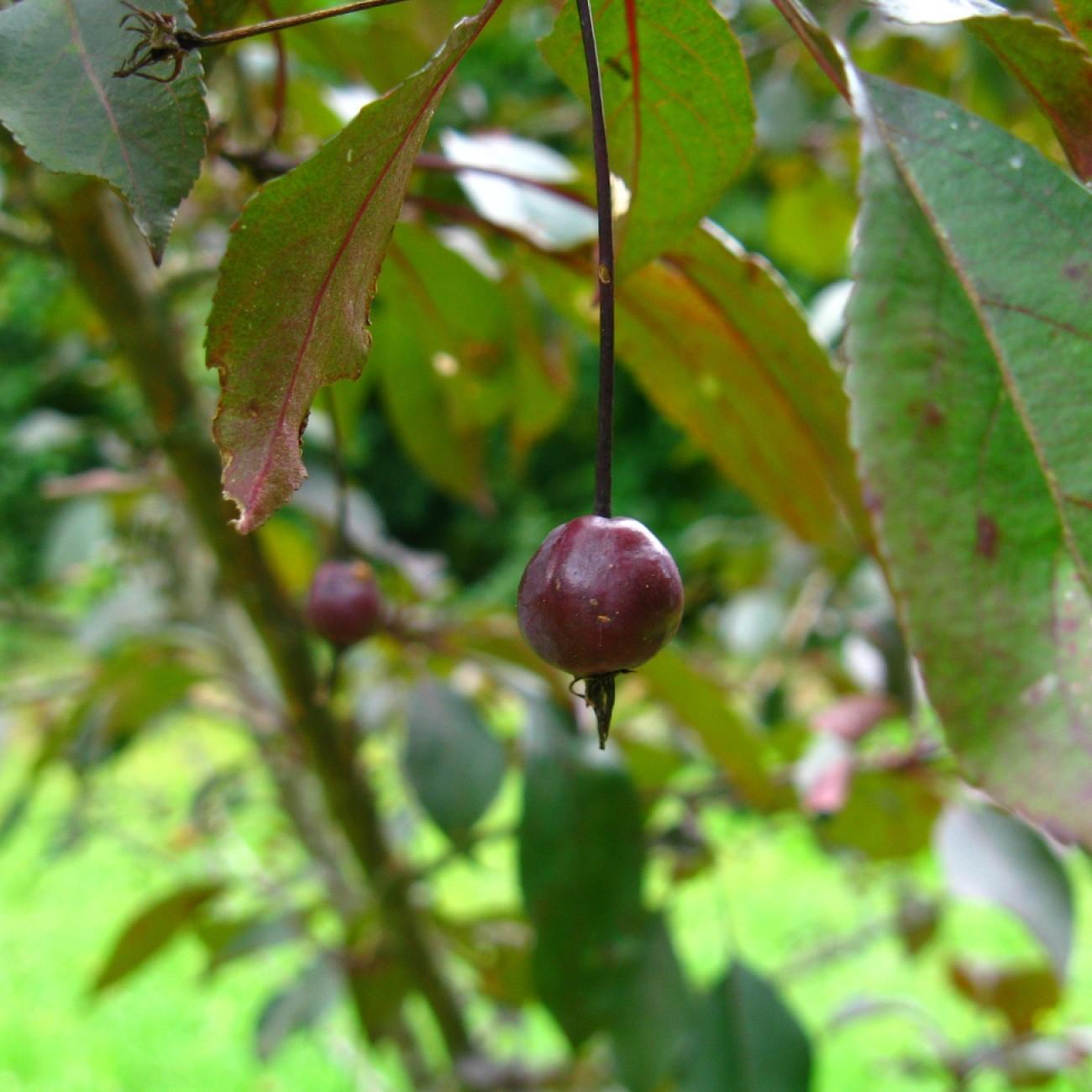
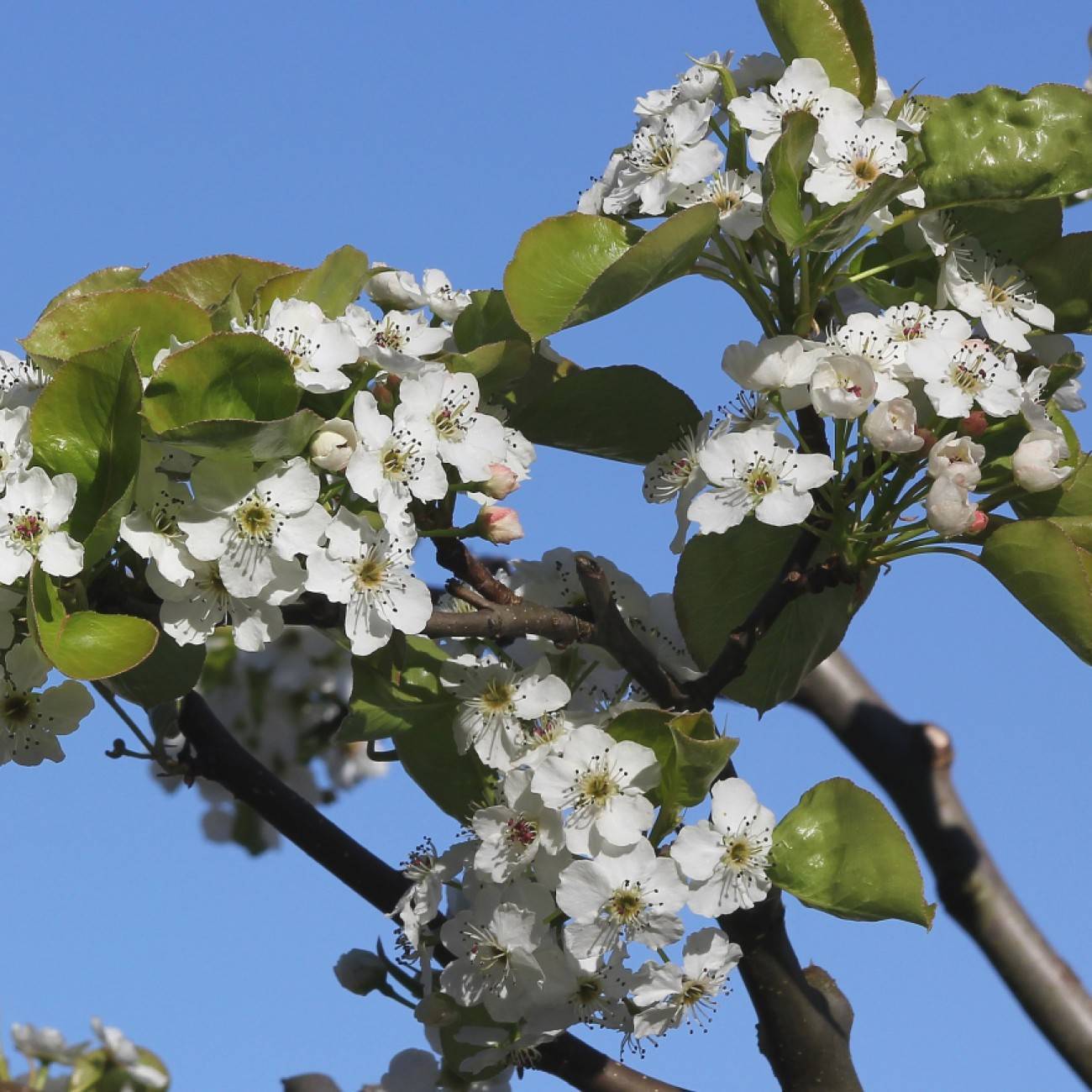
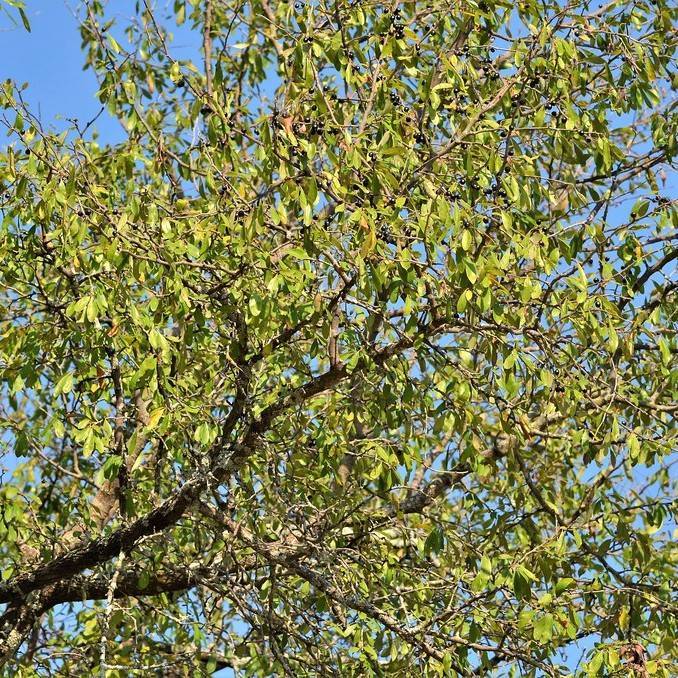
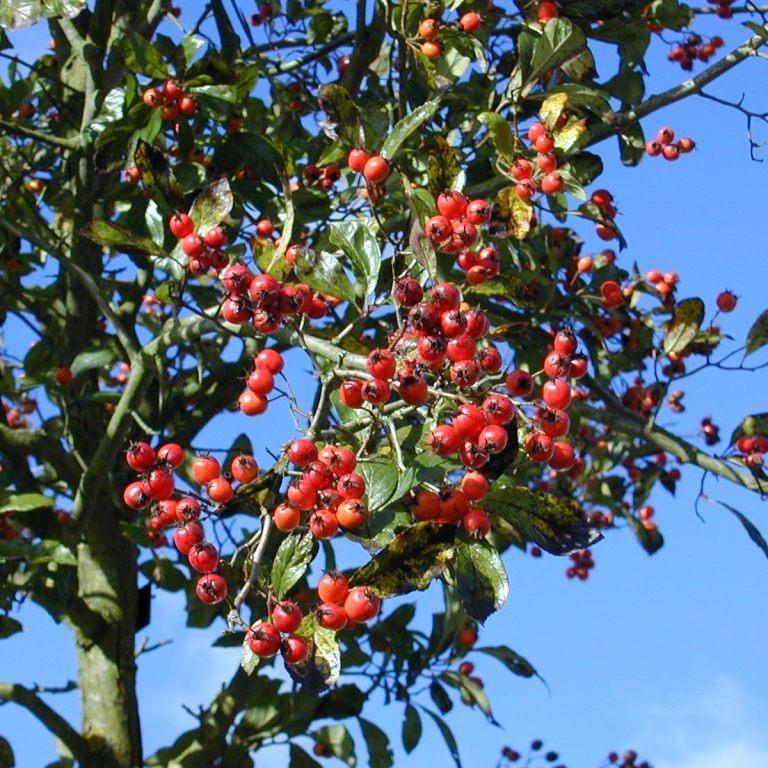
Lavalle Hawthorn is a popular ornamental hybrid hawthorn, developed in the 19th century at the Lavallée nursery in France from crosses between Crataegus mexicana and Crataegus calodendrum. It forms a dense, rounded canopy with dark, leathery leaves that resist common hawthorn foliar diseases, making it a low-maintenance landscape choice. In spring, it produces clusters of fragrant white flowers, followed by abundant small, apple-like fruit that persists through winter, providing food for wild birds.
Care Guide
Watering
Water newly planted Lavalle Hawthorn deeply once or twice weekly for the first growing season to establish a robust root system, keeping soil evenly moist but not waterlogged. Mature specimens are highly drought-tolerant, requiring supplemental watering only during extended periods of extreme heat or prolonged dryness. Avoid overwatering, as saturated soil can lead to root rot in this species.
Light
Plant Lavalle Hawthorn in full sun, defined as at least 6 hours of direct, unfiltered sunlight per day, to encourage optimal flowering, fruit production, and dense, healthy foliage growth. It can tolerate very light partial shade, but plants grown in shadier conditions will produce fewer blooms, sparser fruit, and may develop a leggy, open growth habit over time.
Soil
This adaptable hawthorn thrives in well-drained, loamy soils with a slightly acidic to neutral pH range of 6.0 to 7.5, but will tolerate a wide range of soil types including clay, sand, and compacted urban soils. It exhibits excellent tolerance for occasional wet conditions and moderate salt exposure, making it suitable for roadside and coastal plantings. Avoid heavy, perpetually waterlogged soils to prevent root health issues.
Fertilizer
Feed young Lavalle Hawthorn annually in early spring, before new growth emerges, with a balanced, slow-release 10-10-10 fertilizer to support steady vegetative growth and flower development. Mature established plants require only light fertilization every 2 to 3 years, as excessive nitrogen can make the tree more susceptible to fire blight and reduce fruit production. Always spread fertilizer evenly over the root zone, keeping it at least 6 inches away from the trunk to avoid burn.
Temperature
Lavalle Hawthorn is extremely cold-hardy, thriving in USDA hardiness zones 4 through 7, withstanding winter temperatures as low as -30°F (-34°C) without significant damage. It tolerates summer heat well, though prolonged temperatures above 90°F (32°C) may cause temporary leaf scorch if the tree is not watered adequately. It is highly resistant to frost damage, even during its spring bloom period, making it reliable in regions with late cold snaps.
Pruning
Prune Lavalle Hawthorn during the dormant winter season, when the tree is leafless, to remove dead, damaged, diseased, or crossing branches, improve air circulation through the canopy, and maintain its desired rounded shape. Thin out crowded inner branches to reduce moisture retention within the canopy, which lowers the risk of fungal diseases and fire blight infection. Always sanitize pruning tools between cuts to prevent the spread of bacterial and fungal pathogens, and avoid heavy pruning, as this species is slow to heal from large wounds.
Propagation
Lavalle Hawthorn is most commonly propagated via softwood cuttings taken in early summer, when new growth is still partially flexible, treated with rooting hormone, and placed in a well-drained propagation medium under consistent moisture and indirect light. As a hybrid, it does not grow true from seed, so seed propagation is only used for developing new cultivars, not for replicating the parent plant’s desirable traits. Grafting onto hardy Crataegus rootstock is also common in commercial nurseries to produce consistent, disease-resistant plants.
Humidity
This hawthorn tolerates a wide range of humidity levels, growing well in both the moderately humid conditions of its native range and the drier climates of inland North America. Average ambient humidity of 40 to 70 percent is optimal for healthy growth, though it can withstand occasional periods of very low or very high humidity without adverse effects. Good air circulation around the canopy is more important than specific humidity levels, as stagnant, humid air increases the risk of foliar fungal diseases.
Repotting
Lavalle Hawthorn is rarely grown as a container plant long-term, as it develops a deep, extensive root system best suited to in-ground landscape planting. Young saplings grown in nursery pots should be transplanted to their permanent landscape location in early spring or fall, digging a hole twice as wide as the root ball and at the same depth as the pot to avoid burying the root crown. If temporarily kept in a container, repot annually into a slightly larger pot with well-drained potting mix until it is ready for in-ground planting.
Uses & Symbolism
Lavalle Hawthorn is primarily planted as an ornamental landscape tree for residential yards, street plantings, and public parks, valued for its attractive foliage, spring blooms, and persistent winter fruit that supports local bird populations. Its dense, thorny branching structure makes it an effective choice for privacy screens, windbreaks, or security hedges that deter unwanted foot traffic. Historically, its hard, dense wood has been used for small woodworking projects, and its fruit is occasionally used to make jams and jellies after removing the toxic seeds.
Diseases & Pests
Lavalle Hawthorn is notably resistant to most common hawthorn diseases, including leaf spot, cedar-hawthorn rust, and powdery mildew, which plague many other Crataegus species. The primary disease risk is fire blight, a bacterial infection that causes blackened, scorched-looking foliage and branch dieback, most common in warm, wet spring weather; infected branches should be removed immediately to prevent spread. Common pests include aphids, spider mites, and scale insects, which can be controlled with horticultural oil or insecticidal soap when infestations are severe.
Related plants
Other plants you might like if you grow Lavalle Hawthorn.