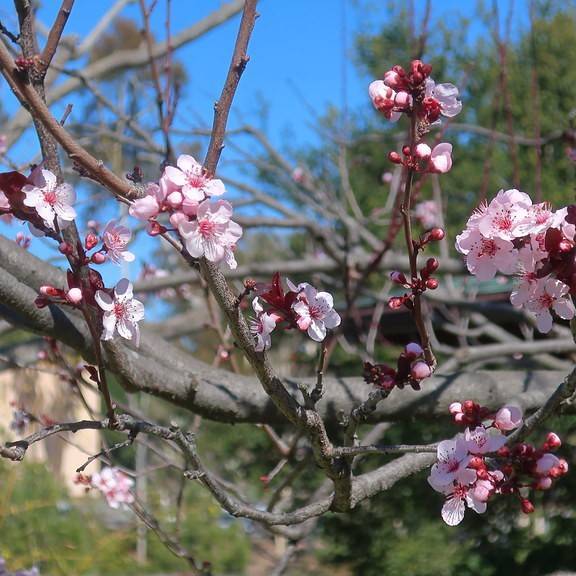
Cherry Plum
Prunus cerasifera
Overview
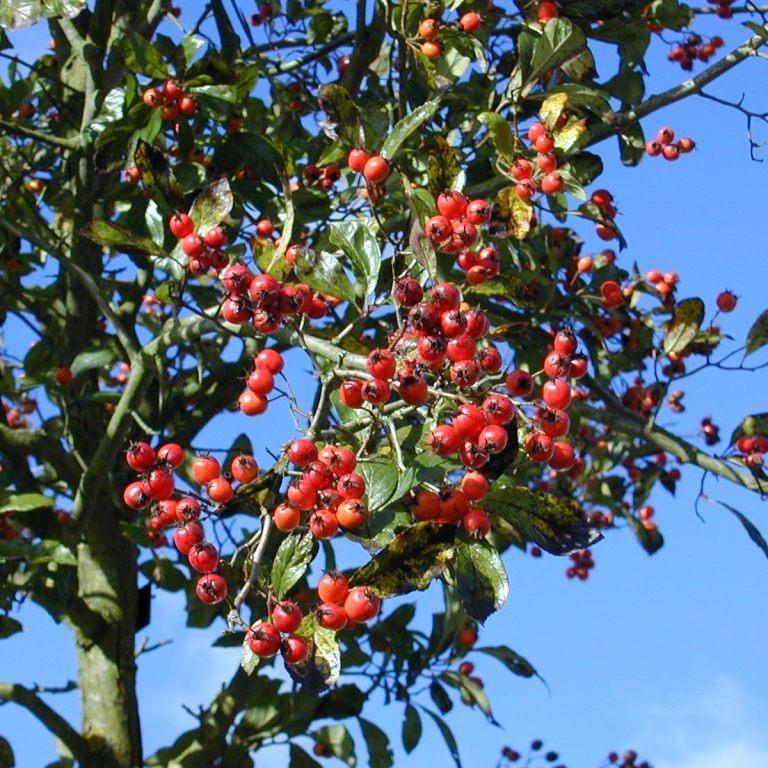
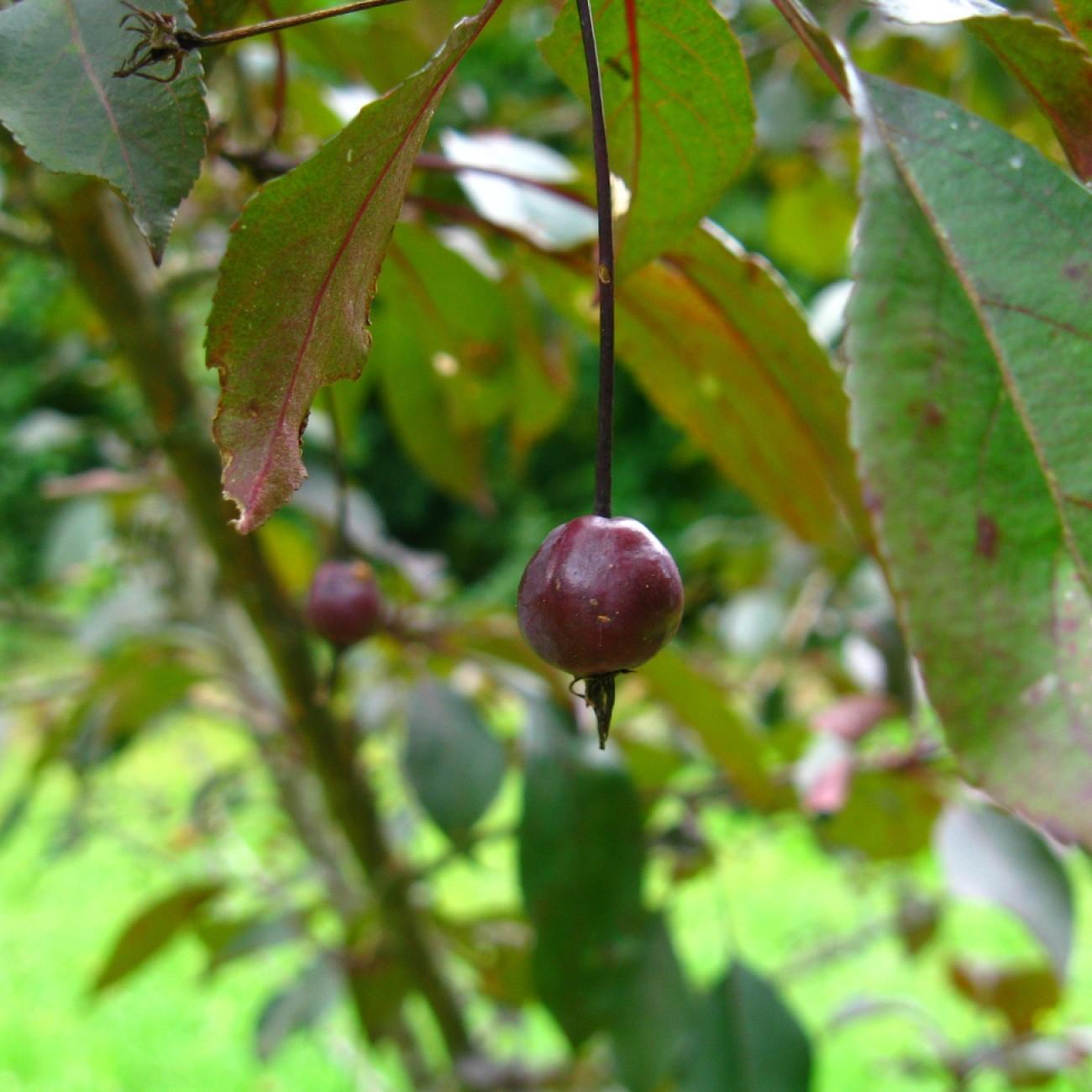
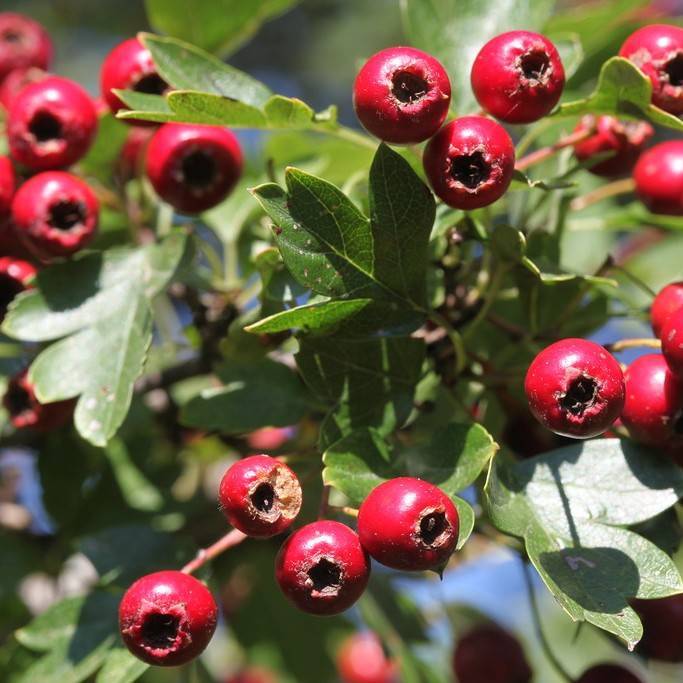
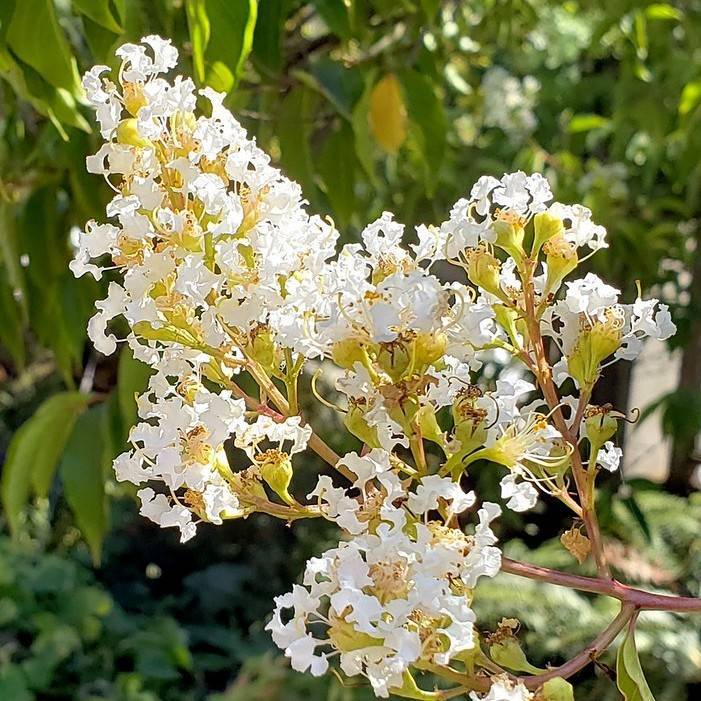
Cherry plum is a popular ornamental landscape tree valued for its profuse, fragrant early spring blooms that appear before its foliage emerges, creating a striking cloud of color for several weeks. Many cultivated varieties feature deep purple or bronze foliage that retains its hue throughout the growing season, adding long-lasting visual interest to yards and streetscapes. The small, round fruits ripen in mid to late summer, ranging in flavor from tart to sweet depending on the cultivar, and are a favorite food source for birds and small wildlife.
Care Guide
Watering
Water newly planted cherry plum trees deeply once or twice per week for the first growing season to establish a robust root system, allowing the top 2-3 inches of soil to dry out between waterings. Mature trees are moderately drought tolerant, requiring supplemental watering only during extended periods of hot, dry weather to prevent fruit drop and leaf scorch. Avoid overwatering or planting in areas with standing water, as this can lead to root rot and other fungal issues.
Light
Cherry plum trees thrive in full sun, requiring a minimum of 6 hours of direct, unfiltered sunlight per day to produce abundant blooms, dense foliage, and quality fruit. Trees grown in partial shade will have sparser blooms, less vibrant foliage color in purple-leaved cultivars, and reduced fruit production. They can tolerate light dappled shade for a small portion of the day, but prolonged shade will weaken the tree and make it more susceptible to pests and disease.
Soil
This adaptable tree grows well in a wide range of soil types, including loam, sand, and clay, as long as the soil is well-draining with a pH range between 6.0 and 7.5. It can tolerate moderately alkaline soils and occasional compacted conditions, making it suitable for urban planting sites where soil quality is often poor. Amend heavy clay soils with compost or well-rotted manure at planting time to improve drainage and provide initial nutrients for root growth.
Fertilizer
Apply a balanced, slow-release 10-10-10 fertilizer in early spring before new growth emerges, spreading it evenly around the dripline of the tree and watering thoroughly to help nutrients penetrate the soil. Young trees benefit from a second light application of fertilizer in late spring to support vigorous foliage and root development during their first few years of growth. Avoid fertilizing after mid-summer, as this can stimulate tender new growth that is vulnerable to damage from early fall frosts.
Temperature
Cherry plum trees are hardy in USDA zones 4 through 9, tolerating winter temperatures as low as -30°F (-34°C) once fully established. They require a minimum of 700-1000 chill hours (temperatures between 32°F and 45°F / 0°C and 7°C) during the winter to break dormancy and produce consistent blooms and fruit the following spring. Extreme summer heat above 100°F (38°C) can cause leaf scorch if the tree is not provided with adequate water during heatwaves.
Pruning
Prune cherry plum trees in late winter while they are dormant, removing any dead, damaged, or crossing branches to improve air circulation and reduce the risk of fungal disease. Thin out crowded inner branches to allow sunlight to penetrate the canopy, which promotes more even foliage color, better bloom production, and healthier fruit development. Avoid heavy pruning, as this can trigger excessive suckering from the root system and reduce bloom production for one to two growing seasons.
Propagation
Cherry plum is most commonly propagated from softwood cuttings taken in early summer, treated with rooting hormone, and placed in a well-draining propagation medium under consistent moisture and indirect light until roots develop, usually within 4-6 weeks. Named cultivars are typically grafted onto compatible Prunus rootstocks to preserve specific traits such as purple foliage, dwarf growth habit, or improved fruit quality. It can also be grown from seed, but seeds require 90-120 days of cold stratification to germinate, and resulting seedlings will not retain the exact characteristics of the parent plant.
Humidity
Cherry plum trees adapt well to a wide range of humidity levels, thriving in both the moderate humidity of its native range and the drier conditions of inland growing regions. High humidity combined with poor air circulation can increase the risk of fungal diseases such as powdery mildew and leaf spot, so proper pruning to improve airflow through the canopy is recommended in humid climates. It does not require any supplemental humidity when grown outdoors, as long as its watering needs are met.
Repotting
Cherry plum is rarely grown in containers long-term, but young saplings can be kept in large containers for 1-2 years before being transplanted to a permanent outdoor location. Repot container-grown saplings in late winter before new growth emerges, using a well-draining potting mix and a container that is 2-3 inches larger in diameter than the previous one to accommodate root growth. Ensure containers have ample drainage holes to prevent waterlogging, and monitor soil moisture closely, as potted trees dry out much faster than those planted in the ground.
Uses & Symbolism
Cherry plum is widely planted as an ornamental landscape tree for its early spring blooms, colorful foliage, and compact size, making it suitable for small yards, street plantings, and privacy screens. The ripe fruit is edible raw when fully sweet, and is often used to make jams, jellies, pies, and fermented beverages such as wine and cider. It is also a valuable species for wildlife gardens, providing nectar for early pollinators in spring and food for birds and small mammals in late summer.
Diseases & Pests
Cherry plum is susceptible to a range of common Prunus diseases, including brown rot, a fungal infection that causes blossom blight and fruit rot, especially in warm, wet spring conditions, and powdery mildew, which forms a white coating on leaves and stems in high humidity. Common pests include aphids, which suck sap from new growth and excrete honeydew that leads to sooty mold, Japanese beetles, which skeletonize leaves in summer, and tent caterpillars, which can defoliate entire branches if left untreated. Bacterial canker, which causes sunken, oozing lesions on branches and trunk, is a more serious disease that can kill young trees if not addressed promptly by removing infected branches.
Related plants
Other plants you might like if you grow Cherry Plum.