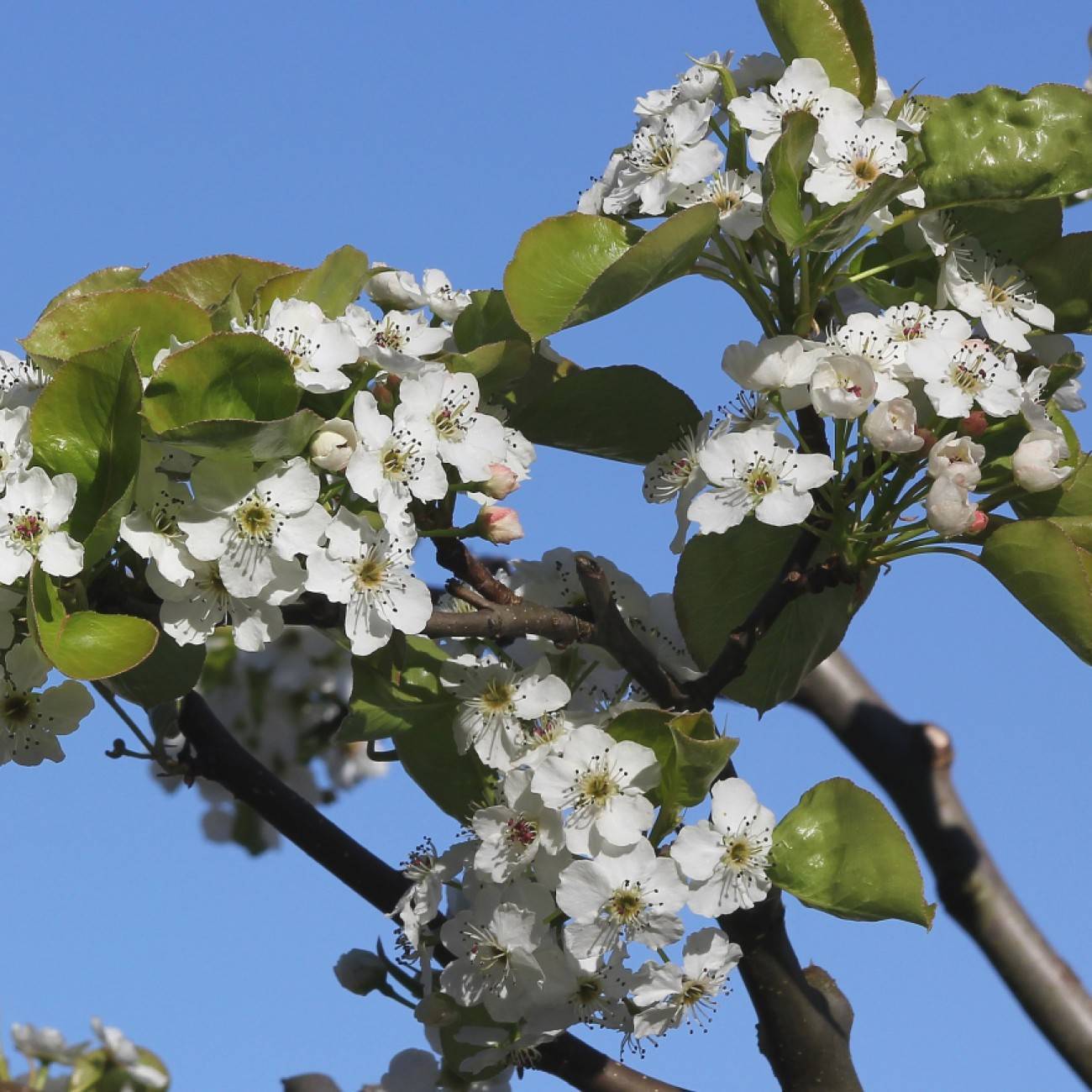
Callery Pear
Pyrus calleryana
Overview
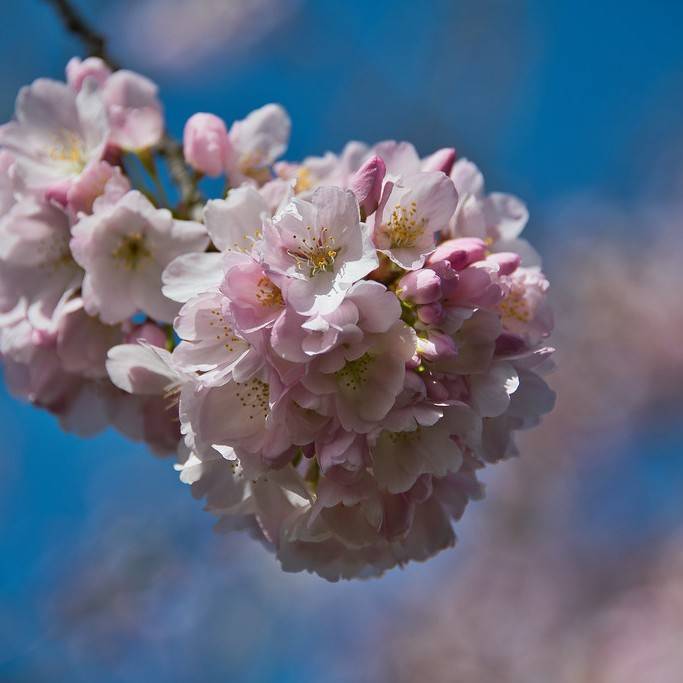
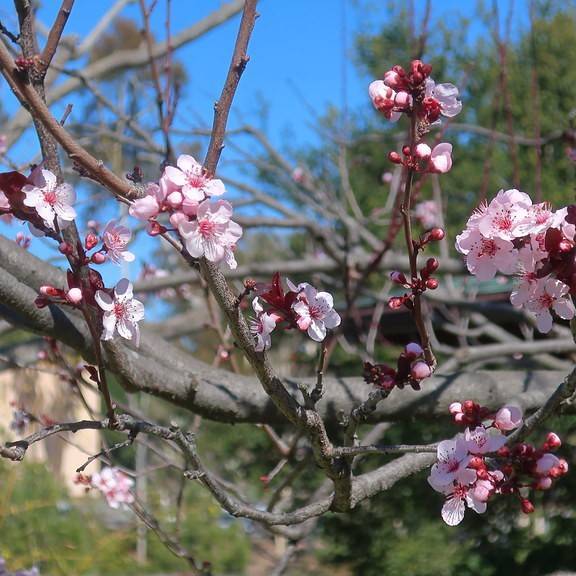
The Callery pear is a deciduous tree first introduced to the United States in the early 1900s as an ornamental landscape plant and for rootstock use in commercial pear cultivation. Popular cultivated varieties, including 'Bradford', were widely planted for their symmetrical shape, tolerance of urban conditions, and eye-catching seasonal displays. However, cross-pollination between different cultivars has led to the spread of wild, invasive populations that outcompete native plant species in many parts of North America.
Care Guide
Watering
Water young Callery pear trees deeply once per week during their first two growing seasons to establish a strong root system, reducing frequency to once every 10 to 14 days once mature. Established trees are moderately drought tolerant, though supplemental watering during extended dry periods will support healthy foliage and bloom production. Avoid overwatering or planting in waterlogged sites, as this can trigger root rot and weaken the tree’s structure.
Light
Callery pears thrive in full sun, requiring a minimum of six hours of direct, unfiltered sunlight daily to produce abundant spring blooms and maintain their characteristic dense, rounded canopy. They can tolerate partial shade, but growth will be sparser, flowering will be reduced, and the tree may develop a weaker, more irregular structure that is more prone to storm damage. Plant in an open, unshaded location for best performance and structural integrity.
Soil
This adaptable tree grows well in a wide range of soil types, including clay, loam, sand, and alkaline or acidic substrates, as long as the site provides adequate drainage. It tolerates compacted soils, road salt, and urban pollution exceptionally well, making it a popular historic choice for street plantings and parking lot landscapes. For optimal growth, amend heavy clay soils with organic matter at planting time to improve drainage and reduce the risk of root-related stress.
Fertilizer
Apply a balanced, slow-release 10-10-10 fertilizer in early spring before new foliage emerges, spreading it evenly around the dripline of the tree rather than piling it against the trunk to avoid burn. Young, actively growing trees benefit from annual fertilization to support healthy canopy development, while mature established trees only need feeding once every two to three years if growth appears stunted or foliage is pale. Avoid fertilizing late in the growing season, as this can stimulate tender new growth that is vulnerable to frost damage.
Temperature
Callery pears are cold hardy in USDA zones 5 through 9, tolerating winter temperatures as low as -20°F (-29°C) without significant damage. They adapt well to a wide range of summer temperatures, thriving in both cool temperate and warm subtropical climates as long as they receive sufficient chill hours (approximately 800 to 1,200 hours below 45°F / 7°C) during winter to support proper bloom and leaf out. Late spring frosts can damage emerging flower buds, but the tree typically recovers quickly with minimal impact on overall health.
Pruning
Prune Callery pear trees during late winter dormancy to remove weak, crossing, or damaged branches, and to thin dense growth to improve air circulation and reduce the risk of storm breakage. Many cultivars, especially 'Bradford', have narrow, weak branch crotches that are prone to splitting under heavy wind, snow, or ice load, so structural pruning when the tree is young is critical to extend its lifespan and reduce safety hazards. Always use clean, sharp pruning tools, and make cuts just outside the branch collar to support fast, healthy healing and minimize the risk of disease entry.
Propagation
Most cultivated Callery pear varieties are propagated via grafting onto compatible Pyrus rootstock to preserve the specific growth habit, flowering, and foliage traits of the parent cultivar. Wild Callery pears can be propagated from seed, though seeds require a 90 to 120 day period of cold stratification in moist, cool conditions to break dormancy and germinate successfully. Softwood cuttings taken in early summer can also root under high humidity and consistent moisture, though grafting remains the most reliable method for producing true-to-type ornamental varieties.
Humidity
Callery pears tolerate a wide range of humidity levels, thriving in both the humid southeastern United States and the drier midwestern and western regions of its hardiness range. Average ambient humidity levels between 30% and 70% are ideal for healthy growth, though the tree shows no significant negative effects from short periods of very low or high humidity. Ensure good air circulation around the canopy to prevent fungal leaf spot issues in persistently high-humidity environments.
Repotting
Callery pears are landscape trees that are not suitable for long-term container growth, though young saplings may be grown in large pots for one to two years before permanent outdoor planting. When transplanting a potted sapling to the landscape, dig a hole twice as wide as the root ball and the same depth, gently loosening tangled roots before backfilling with native soil amended with compost. Water thoroughly after transplanting and stake the tree for the first growing season to stabilize it in windy sites until its root system is established.
Uses & Symbolism
Historically, Callery pears were widely planted as ornamental street, park, and residential landscape trees for their attractive spring blooms, glossy summer foliage, bright red and orange autumn color, and tolerance of harsh urban conditions. The tree’s dense wood is occasionally used for small woodworking projects, musical instruments, and wood turning, as it has a fine, even grain that polishes well. While the small, hard, gritty fruits are not palatable to humans, they provide a food source for birds and small wildlife in late fall and early winter.
Diseases & Pests
Callery pears are susceptible to fire blight, a bacterial disease that causes blackened, wilted shoots and branch dieback, especially in warm, wet spring conditions. Common fungal issues include leaf spot, powdery mildew, and root rot, which occur most frequently in poorly drained soils or overly shaded sites with poor air circulation. Pests such as aphids, pear psylla, scale insects, and borers may infest stressed trees, causing foliage damage, stunted growth, and structural weakening if left untreated.
Related plants
Other plants you might like if you grow Callery Pear.