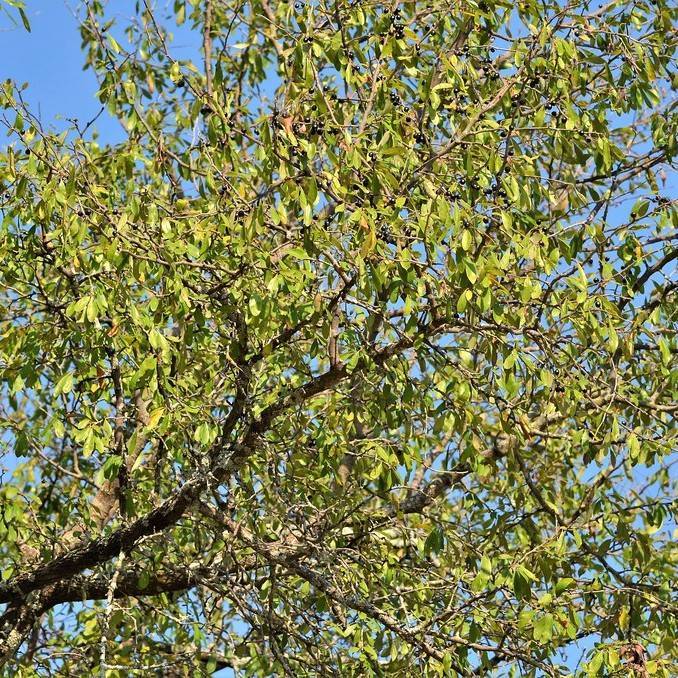
Chittamwood
Sideroxylon lanuginosum
Overview
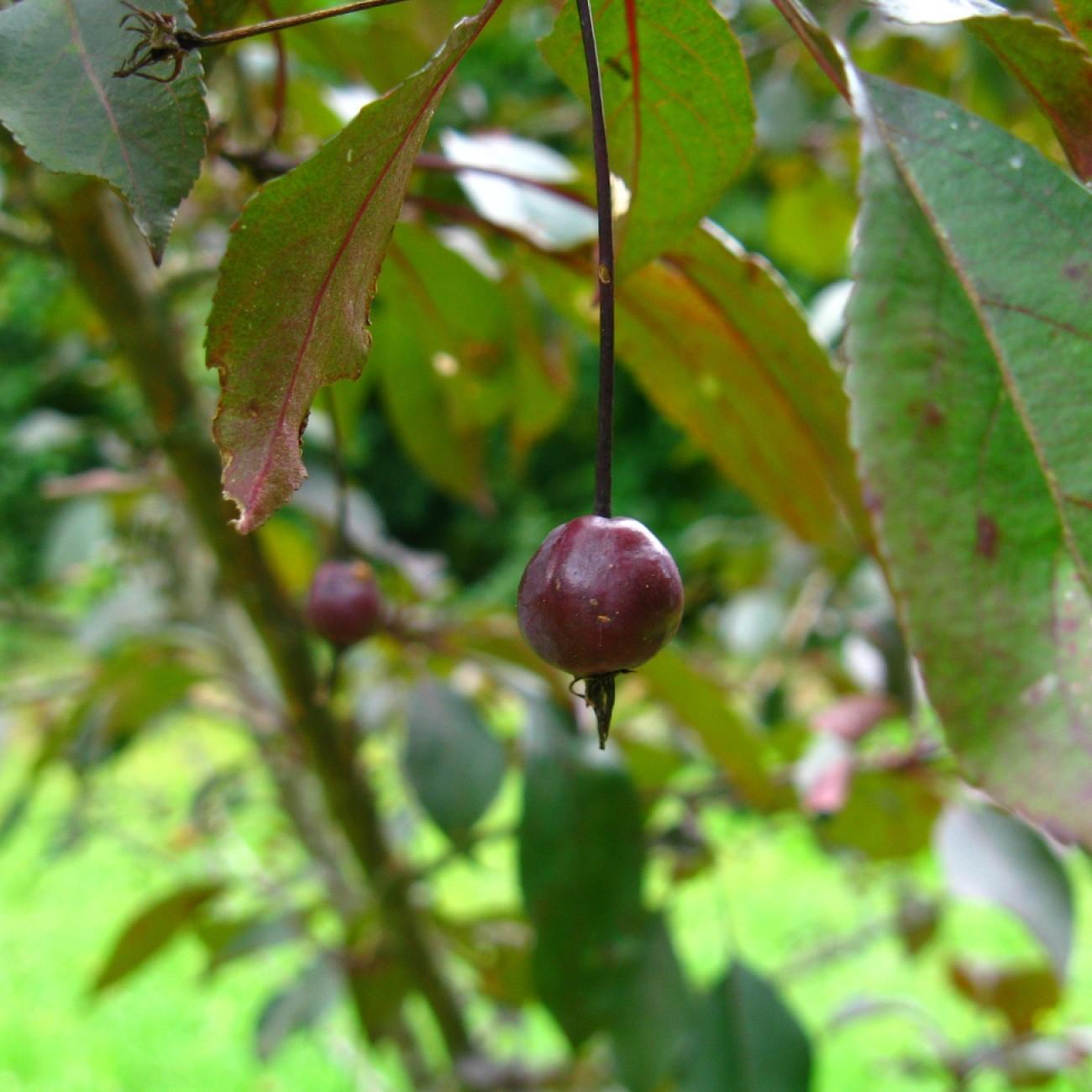
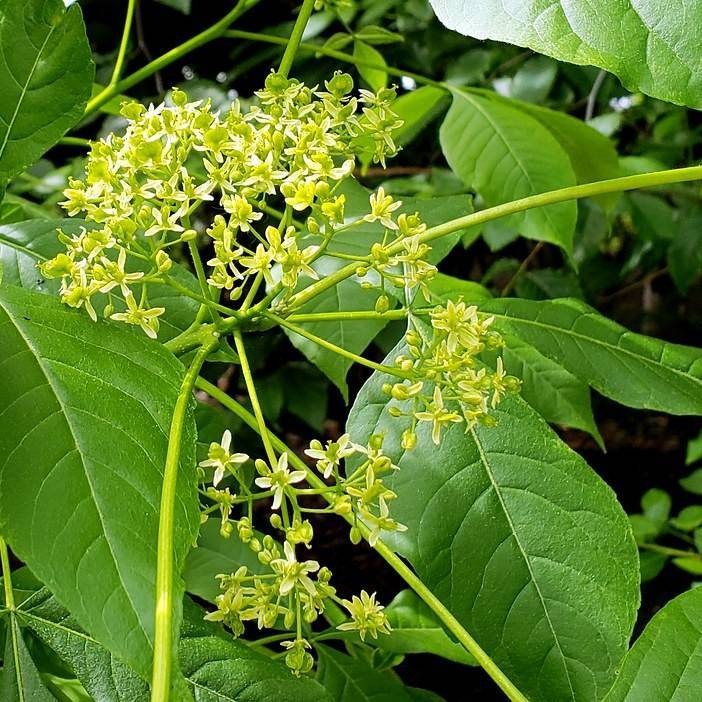
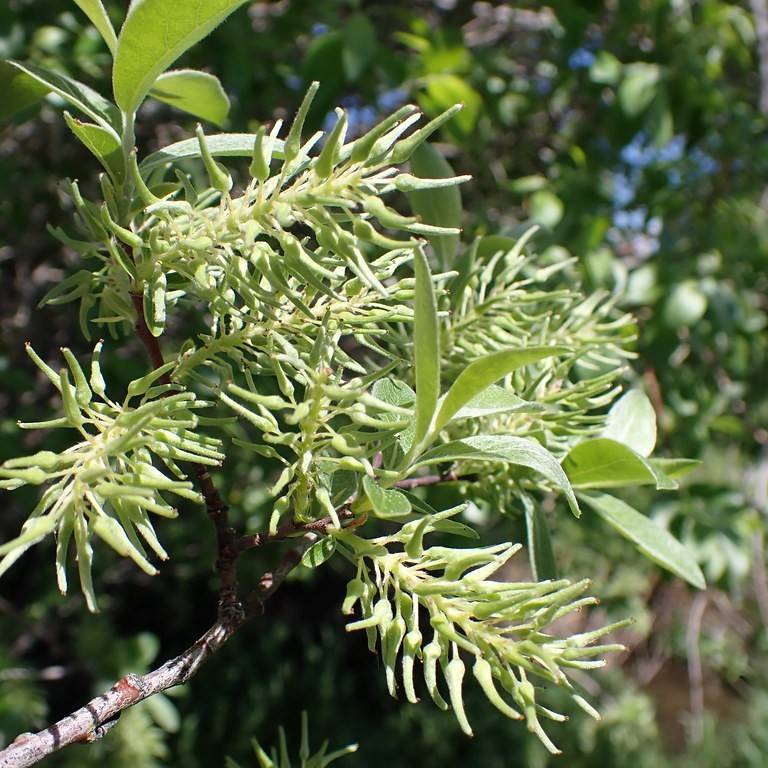
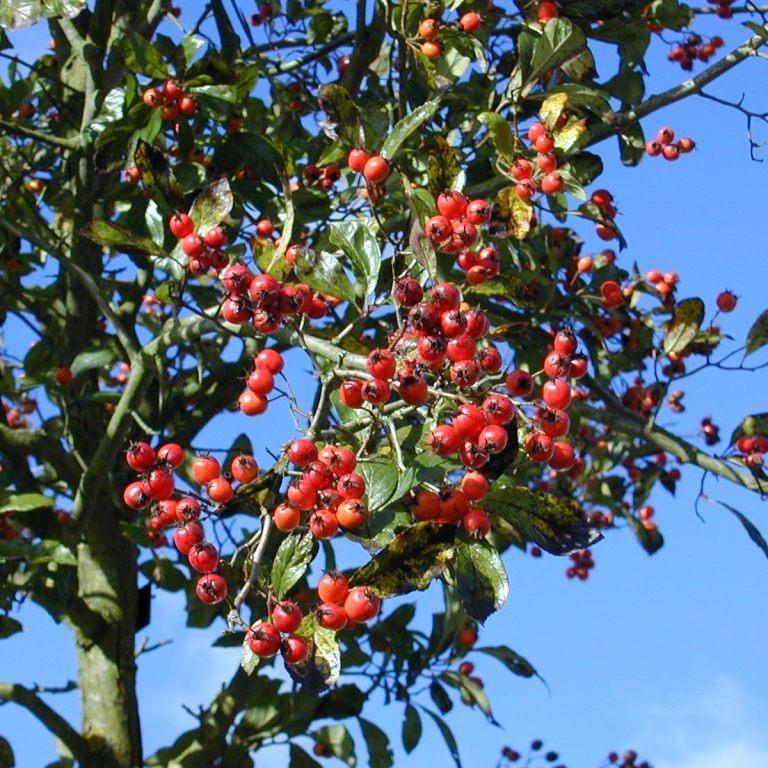
Chittamwood, also called gum bumelia or woolly buckthorn, is a hardy, deciduous to semi-evergreen woody plant native to dry prairies, rocky slopes, and open woodlands of the southern Great Plains and Mexico. It features rough, furrowed gray bark, glossy dark green leaves with fuzzy pale undersides, and small, fragrant white blooms that appear in late spring. The plant’s dense, thorny branching structure creates excellent shelter for birds and small wildlife, while its dark blue, fleshy fruits are a valuable food source for a range of native species.
Care Guide
Watering
Chittamwood is exceptionally drought-tolerant once established, requiring only occasional deep watering during extended periods of extreme heat or dryness. Avoid overwatering, as soggy soil can lead to root rot, particularly in poorly draining sites. Newly planted specimens should be watered weekly for the first growing season to help develop a strong, deep root system.
Light
This species thrives in full sun, requiring at least 6 hours of direct, unfiltered sunlight daily to produce healthy foliage, abundant blooms, and a full, dense growth habit. It can tolerate partial shade, but plants grown in shadier conditions will become sparse, produce fewer flowers and fruits, and may develop weak, leggy branching.
Soil
Chittamwood adapts to a wide range of soil types, including sandy, loamy, clay, and rocky soils, as long as the site has good drainage. It tolerates alkaline, neutral, and slightly acidic pH levels, and even thrives in poor, nutrient-deficient soils where many other woody plants struggle to survive. Avoid heavy, compacted soils that hold standing water for long periods after rainfall.
Fertilizer
This hardy plant has very low nutrient requirements and typically does not need regular fertilization to thrive, especially when grown in its native habitat. If growth is stunted or foliage appears unusually pale, apply a balanced, slow-release general-purpose fertilizer in early spring before new growth emerges. Avoid over-fertilizing, as this can promote excessive soft growth that is more susceptible to winter damage and pest infestations.
Temperature
Chittamwood is well-adapted to hot, dry climates, tolerating summer temperatures up to 110°F (43°C) without additional care. It is cold hardy to USDA zones 6 through 9, able to withstand winter lows down to -10°F (-23°C) once fully established. Young specimens may benefit from a layer of mulch around the base in late fall to protect roots from extreme temperature fluctuations in colder parts of its range.
Pruning
Prune chittamwood in late winter while the plant is dormant to remove dead, damaged, or crossing branches, and to shape it to the desired form. Wear protective gloves when pruning, as the plant’s sharp thorns can cause painful puncture wounds. Avoid heavy pruning, as this can stimulate excessive, uneven new growth; remove no more than 25% of the plant’s live tissue in a single year.
Propagation
Chittamwood is most commonly propagated from seed, which requires a 3-month period of cold stratification to break dormancy before sowing in well-draining potting mix. It can also be propagated from semi-hardwood cuttings taken in late summer, treated with rooting hormone, and kept in a humid, warm environment until roots develop, though this method has a lower success rate than seed propagation. Wild specimens often spread via root suckers, which can be dug up and transplanted in early spring before new growth begins.
Humidity
This species is adapted to the low to moderate humidity levels of its native arid and semi-arid range, tolerating dry air without any supplemental humidity. It can survive in higher humidity regions, but may be more prone to fungal leaf spot diseases if foliage stays consistently wet for long periods. Ensure good air circulation around the plant to reduce moisture-related issues in more humid climates.
Repotting
Chittamwood is almost exclusively grown as an outdoor landscape plant and rarely needs repotting, though young specimens grown in containers can be repotted every 2 to 3 years in early spring before new growth emerges. Use a fast-draining cactus or succulent potting mix for container-grown plants, and select a pot with ample drainage holes to prevent waterlogged soil. Once the plant reaches its desired container size, top-dress with fresh soil annually instead of repotting to avoid root disturbance.
Uses & Symbolism
Chittamwood’s extremely dense, hard, durable wood is used for woodworking, fence posts, and tool handles, while its thorny, dense branching makes it an effective, low-maintenance security hedge or windbreak in dry landscapes. The small, sweet fruits are edible for humans, often eaten raw or made into jellies, and are a critical food source for native birds, squirrels, and other wildlife. It is also planted in xeriscape and native plant gardens for its drought tolerance, low care needs, and ability to support local ecosystems.
Diseases & Pests
Chittamwood is relatively pest and disease resistant, though it may occasionally be affected by scale insects, which can be treated with horticultural oil or insecticidal soap in early spring before new growth emerges. Fungal leaf spot and powdery mildew may occur in overly wet, poorly ventilated conditions, which can be prevented by avoiding overhead watering and ensuring good air circulation around the plant. Root rot is the most serious issue, occurring almost exclusively in poorly draining soils that stay consistently saturated, so proper site selection is critical to avoid this problem.
Related plants
Other plants you might like if you grow Chittamwood.