Dwarf Hackberry
Celtis tenuifolia
Overview
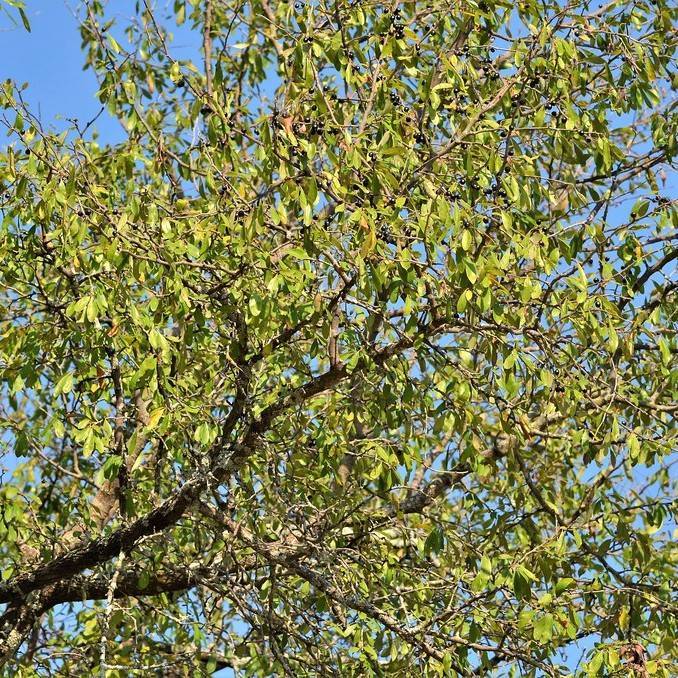
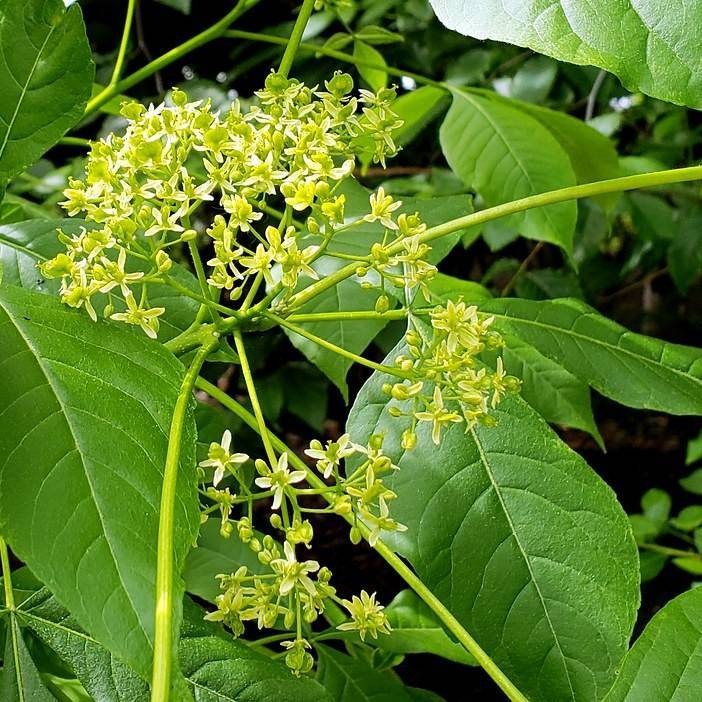
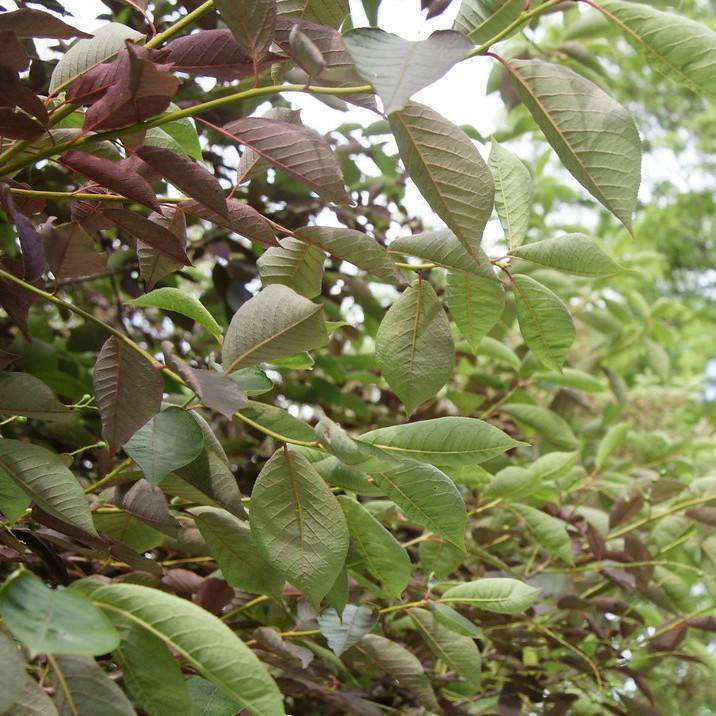
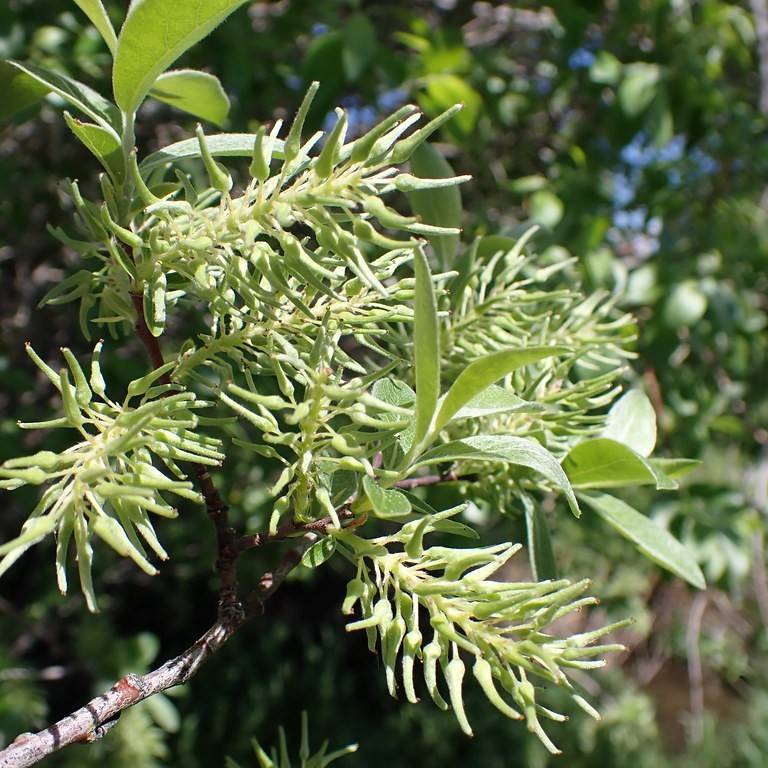
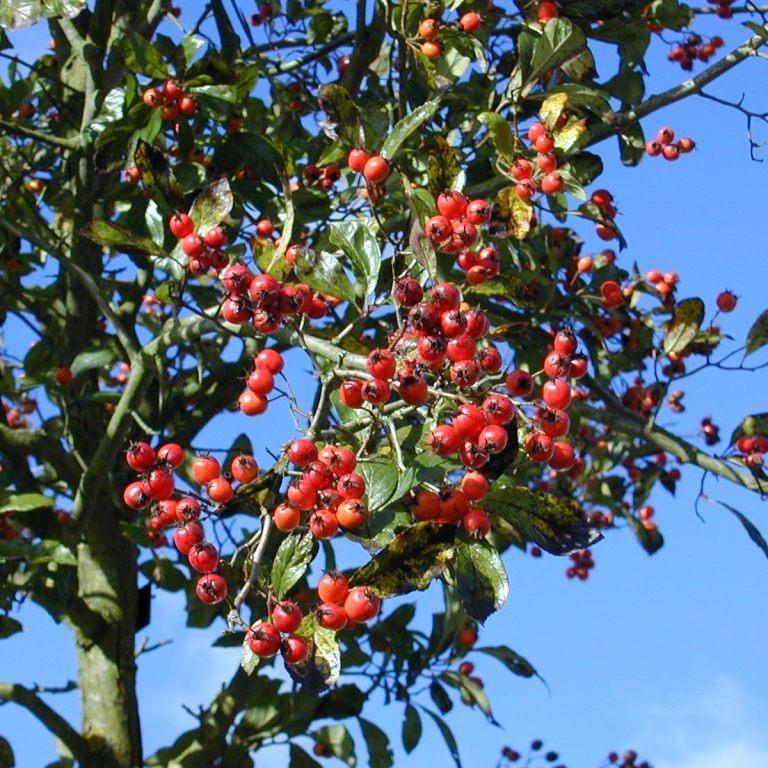
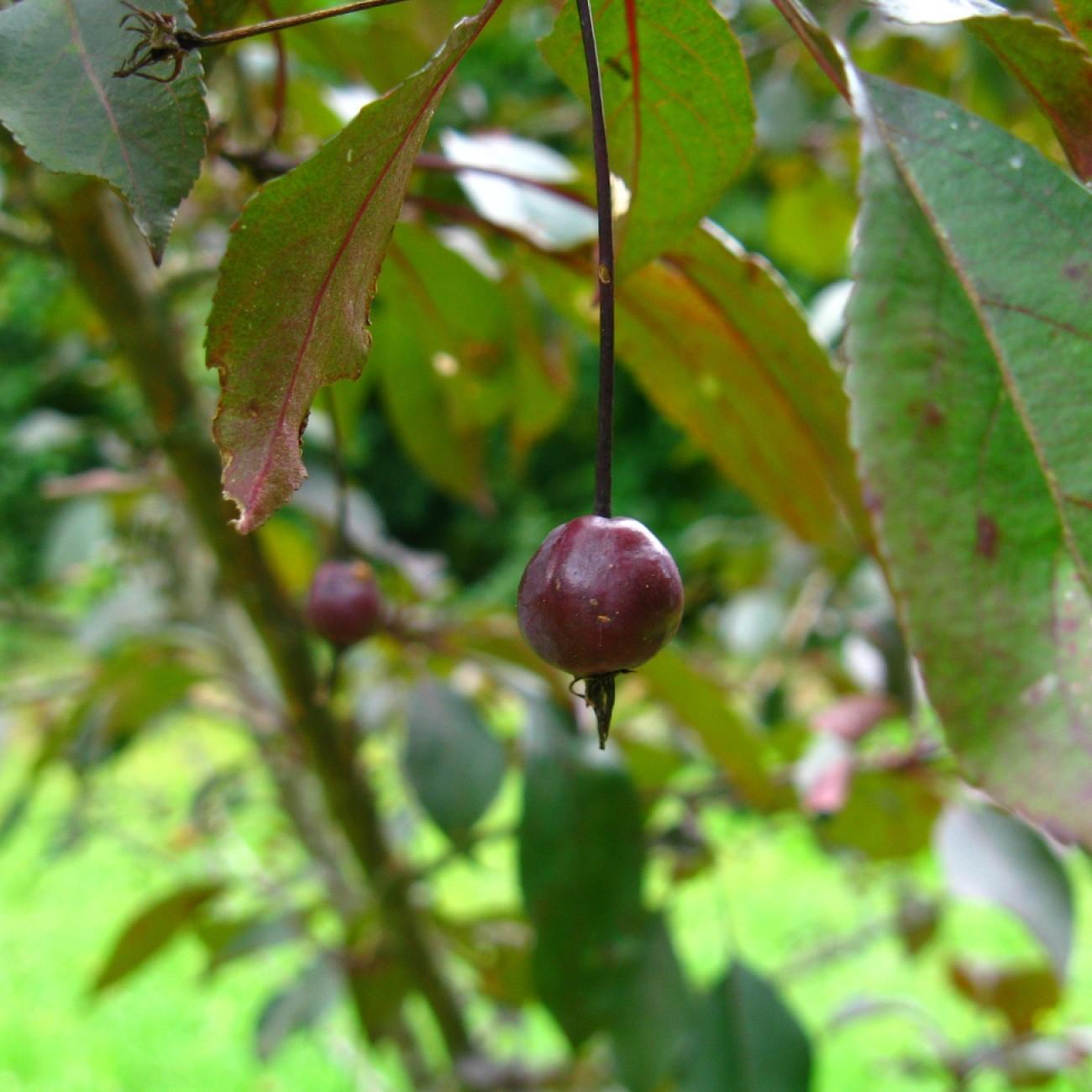
Dwarf hackberry is a hardy, adaptable deciduous woody plant smaller than its common hackberry relative, distinguished by rough, textured bark, glossy oval leaves, and small, round orange to purple berries that ripen in late fall. It thrives in poor, dry soils where many other woody plants struggle, making it a staple of prairie edges, rocky slopes, and open woodland habitats across its native range. This species supports a wide range of native wildlife, providing food and shelter for birds, small mammals, and pollinator insects.
Care Guide
Watering
Dwarf hackberry is highly drought-tolerant once established, requiring only occasional deep watering during extended periods of extreme heat or drought. Newly planted specimens need regular, consistent moisture for the first 1-2 growing seasons to develop a strong root system, but overwatering or planting in waterlogged soil will cause root rot. Avoid frequent shallow watering, as this encourages weak, surface-level root growth that reduces the plant’s long-term hardiness.
Light
This species grows best in full sun, receiving at least 6 hours of direct unfiltered sunlight daily, which supports robust growth, heavy berry production, and a dense, well-shaped canopy. It can tolerate partial shade, though growth may become more leggy and berry yields will be significantly reduced in low-light conditions. Full sun also helps minimize the risk of foliar fungal diseases that can occur in damp, shaded sites.
Soil
Dwarf hackberry adapts to a remarkably wide range of soil types, including sandy, rocky, loamy, and clay soils, and thrives in both neutral and slightly alkaline pH levels. It prefers well-drained soil but can tolerate periodic dryness and low nutrient availability far better than most ornamental trees and shrubs. It will not survive in consistently saturated, poorly drained soils, so avoid planting in low-lying areas that collect standing water.
Fertilizer
This low-maintenance species rarely requires supplemental fertilization, as it is adapted to thrive in low-nutrient soils. If growth is exceptionally stunted or foliage appears pale, apply a balanced, slow-release 10-10-10 fertilizer once in early spring before new leaf growth emerges, taking care not to over-fertilize, which can lead to excessive weak growth and reduced drought tolerance. Organic mulch applied around the root zone annually will provide sufficient nutrients for most plants as it decomposes.
Temperature
Dwarf hackberry is exceptionally cold-hardy, tolerating winter temperatures as low as -30°F (-34°C), corresponding to USDA hardiness zones 4 through 9. It also tolerates high summer heat and humidity common across its native range, with no adverse effects when grown in full sun and well-drained soil. Young plants may benefit from a light layer of winter mulch around the root zone in the coldest parts of its range to protect shallow roots from freeze-thaw cycles.
Pruning
Prune dwarf hackberry in late winter while the plant is dormant, removing any dead, damaged, or crossing branches to improve air circulation and maintain a desired shape. This species naturally grows with a rounded, bushy form, so minimal pruning is required unless you are training it to a single-trunk small tree form. Avoid heavy pruning in spring and summer, as this can remove developing flower buds and reduce the year’s berry crop.
Propagation
Dwarf hackberry is most commonly propagated from seed, which requires 2-3 months of cold stratification at 33-40°F (0-4°C) to break dormancy before sowing in spring. It can also be propagated from semi-hardwood cuttings taken in mid to late summer, treated with rooting hormone, and kept in consistently moist, well-drained growing medium until roots develop. Suckers that grow from the root system of established plants can be dug up and transplanted in early spring before new growth starts for easy vegetative propagation.
Humidity
This species adapts well to a wide range of humidity levels, thriving in both the dry, continental climates of the central U.S. and the humid, subtropical conditions of the southeastern U.S. It has no specific humidity requirements, though good air circulation around the foliage helps prevent minor fungal leaf spots in areas with high summer humidity. Mature plants are unaffected by short periods of low humidity or drought stress.
Repotting
Dwarf hackberry is rarely grown in containers long-term, as it develops a deep, extensive root system that requires ample space to grow. If grown in a pot for the first 1-2 years before transplanting to the landscape, repot annually in early spring before new growth emerges, using a well-drained potting mix and a container at least 2 inches larger in diameter than the previous pot. Once planted in the landscape, it should not be dug up and repotted, as this can damage the deep root system and kill the plant.
Uses & Symbolism
The sweet, high-sugar berries of dwarf hackberry are edible raw, cooked, or dried, and have been used as a food source by Indigenous peoples across North America for centuries. It is a popular species for native landscaping, erosion control on rocky or sloped sites, and wildlife gardens, as its berries feed dozens of bird species and its foliage supports the larvae of several native butterfly species. Its small size and tolerance for poor, dry soils also make it an excellent low-maintenance shade tree for small urban yards or roadside plantings.
Diseases & Pests
Dwarf hackberry is relatively resistant to most pests and diseases, though it may occasionally develop cosmetic nipple galls on its leaves caused by psyllid insects, which do not harm the overall health of the plant and do not require treatment. Fungal leaf spots and powdery mildew can occur in very wet, poorly ventilated conditions, but these are rarely fatal and can be minimized by planting in full sun and spacing plants to improve air circulation. Root rot is the most serious potential issue, occurring only when the plant is grown in consistently waterlogged, poorly drained soil.
Related plants
Other plants you might like if you grow Dwarf Hackberry.