Eastern Hop Hornbeam
Ostrya virginiana
Overview
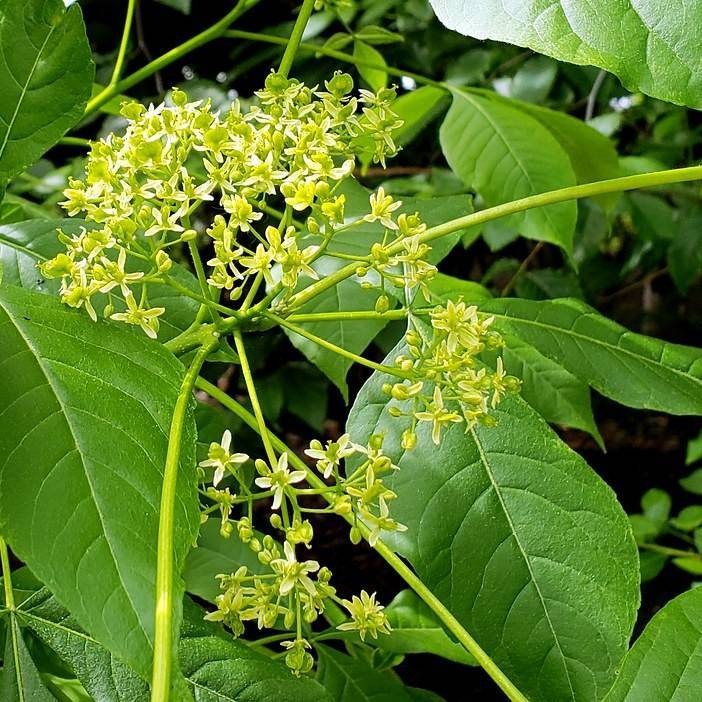
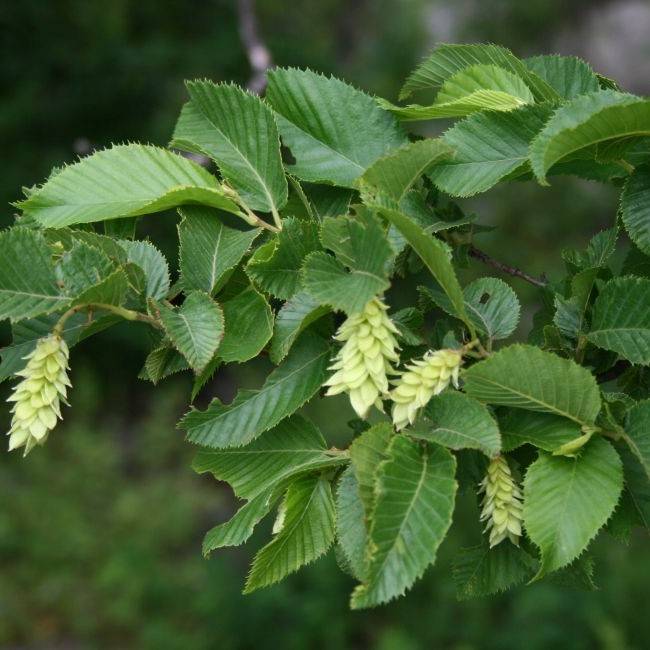
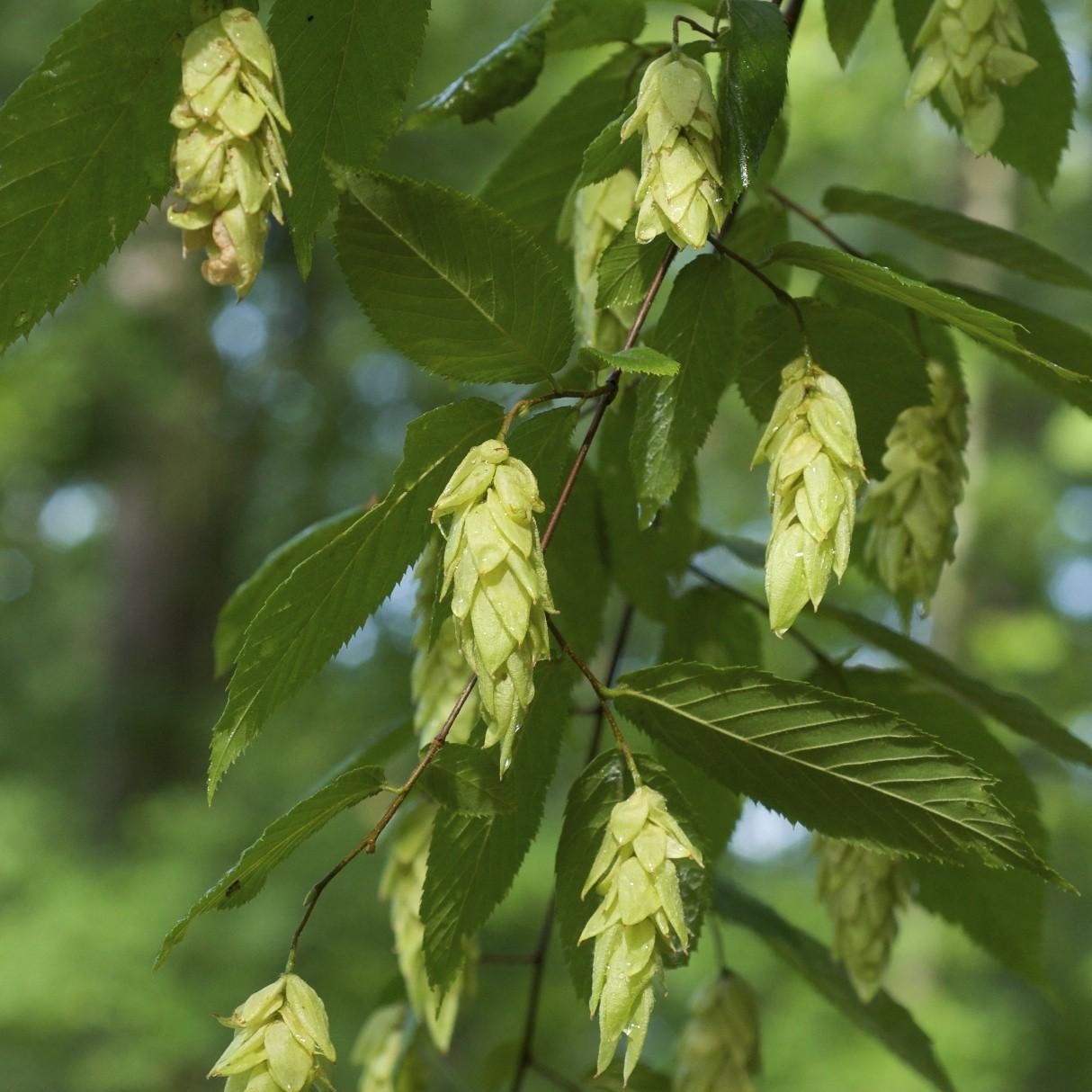
Eastern hop hornbeam is a small to medium deciduous tree recognizable by its shaggy, exfoliating brown-gray bark, serrated oval leaves, and drooping clusters of papery, hop-like seed pods that mature in late summer. It is often confused with American hornbeam (Carpinus caroliniana) but distinguished by its rougher bark and hop-shaped fruit structures. This understory tree thrives in forested landscapes and adapts well to urban plantings, making it a versatile native landscape choice.
Care Guide
Watering
Eastern hop hornbeam prefers consistently moist, well-drained soil, tolerating short periods of drought once established. Water young trees regularly during dry spells for the first 2-3 years to support root development, reducing supplemental watering once the tree is mature. Avoid overwatering or allowing the root system to sit in saturated soil, as this can cause root rot.
Light
This tree grows well in full sun to partial shade, with young specimens tolerating heavier understory shade in their natural forest habitat. Full sun encourages denser foliage and more abundant fruit production, while partial shade is suitable for slower-growing landscape specimens in hotter southern regions. Avoid deep, permanent shade, as this can stunt growth over time.
Soil
Eastern hop hornbeam adapts to a wide range of soil types, including loam, sand, clay, and rocky substrates, preferring a neutral to slightly acidic pH between 5.0 and 7.5. It thrives in well-aerated, fertile soils but tolerates poor, low-nutrient conditions better than many other native hardwood trees. Ensure good drainage, as standing water around the root zone can harm the tree.
Fertilizer
Young trees benefit from a balanced, slow-release granular fertilizer applied in early spring before new foliage emerges for the first 3-5 years after planting. Mature established specimens rarely require fertilization, as they draw sufficient nutrients from surrounding soil, though a light application of nitrogen-rich fertilizer can support growth in poor, low-nutrient substrates. Avoid over-fertilizing, as this can lead to excessive weak foliage growth that is susceptible to pest damage.
Temperature
Eastern hop hornbeam is cold hardy in USDA zones 3 through 9, tolerating winter temperatures as low as -40°F (-40°C) and summer highs up to 100°F (38°C). It is well-adapted to the variable seasonal temperatures of its native eastern North American range, requiring a period of cold winter dormancy to support healthy spring growth. It tolerates moderate heat and humidity, though young specimens may benefit from light afternoon shade in the hottest parts of its southern range.
Pruning
Prune eastern hop hornbeam during late winter dormancy to remove dead, damaged, or crossing branches, and to shape the tree’s structure if desired. Avoid heavy pruning, as the tree has a naturally neat, rounded crown that rarely requires extensive trimming, and over-pruning can stress the slow-growing specimen. Sterilize pruning tools before use to prevent the spread of fungal pathogens to the tree’s vascular system.
Propagation
Eastern hop hornbeam is most commonly propagated from seed, which requires 60-90 days of cold stratification to break dormancy before sowing in moist, well-drained potting mix. Seeds can be collected from mature hop-like fruit clusters in late summer or early fall, cleaned of papery husks, and stored in a cool, moist environment until stratification. Softwood cuttings taken in early summer can also root successfully if treated with rooting hormone and kept under consistent high humidity, though seed propagation is more reliable for long-term healthy growth.
Humidity
This tree tolerates a wide range of humidity levels, from the dry winters of northern zones to the high summer humidity of the southeastern United States. Average ambient humidity levels between 40% and 70% are ideal for healthy growth, though it can tolerate brief periods of lower or higher humidity without damage. Young potted specimens may benefit from occasional misting in very dry indoor or greenhouse conditions, though outdoor plants require no supplemental humidity adjustment.
Repotting
Eastern hop hornbeam is rarely grown in containers long-term, as it develops a deep taproot that requires ample space to spread. Young saplings intended for landscape planting can be kept in 5-10 gallon containers for 1-2 years, repotting in early spring before new growth emerges if roots begin to circle the container. Once planted in the landscape, the tree does not require root disturbance, as it establishes a permanent root system in its permanent location.
Uses & Symbolism
The extremely hard, dense wood of eastern hop hornbeam is used for tool handles, fence posts, mallets, and other items requiring high impact resistance, earning it the common name 'ironwood'. It is planted as a shade tree or ornamental specimen in native landscapes, wildlife gardens, and urban areas, as its seed pods provide food for songbirds, squirrels, and grouse, while its foliage supports native butterfly larvae. It is also used in erosion control plantings on slopes and degraded sites due to its deep root system and tolerance of poor soil conditions.
Diseases & Pests
Eastern hop hornbeam is relatively disease and pest resistant, with occasional infestations of aphids, scale insects, and birch leafminer that cause minor foliage damage but rarely threaten the tree’s health. Fungal diseases including leaf spot, canker, and powdery mildew may occur in overly wet, poorly ventilated conditions, but can be prevented by ensuring proper spacing between specimens and avoiding overwatering. It has no major serious pest or disease threats, making it a low-maintenance native tree for landscape use.
Related plants
Other plants you might like if you grow Eastern Hop Hornbeam.