Chinese Pistache
Pistacia chinensis
Overview
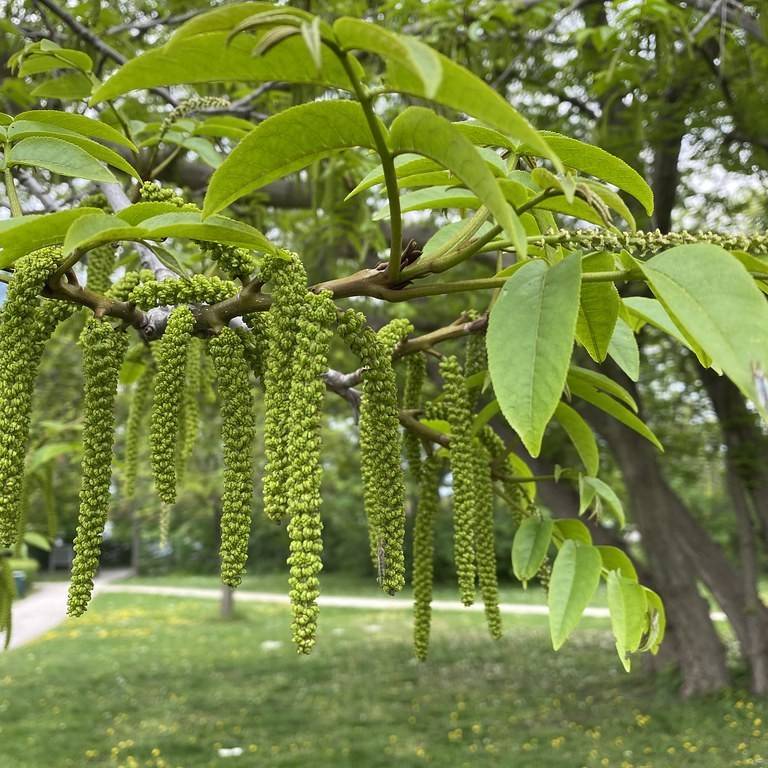
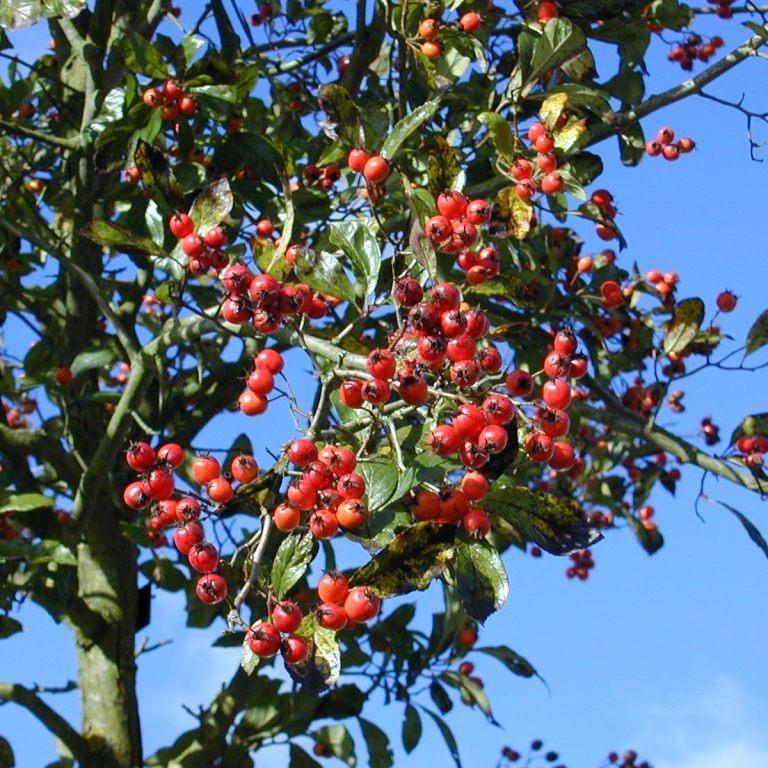
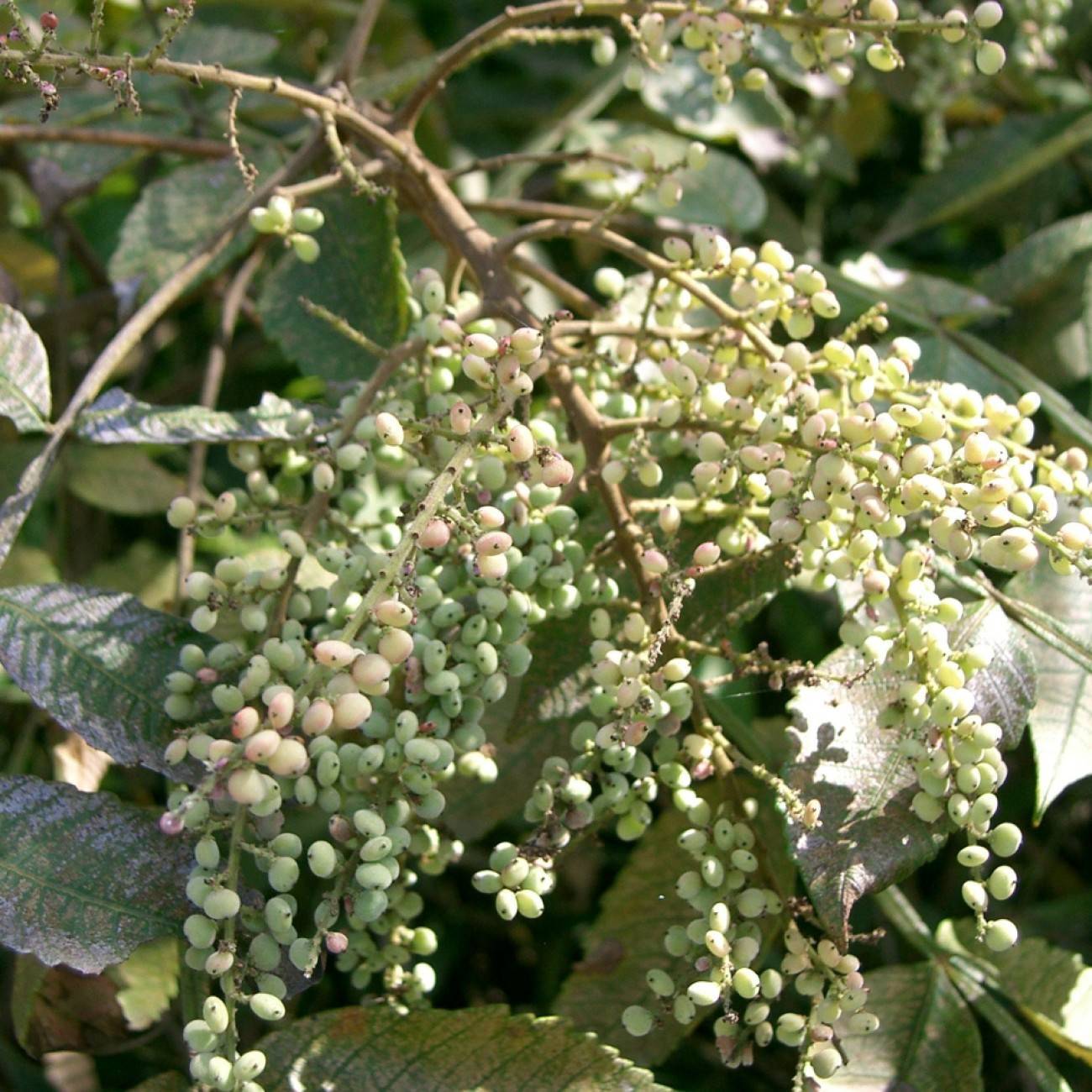
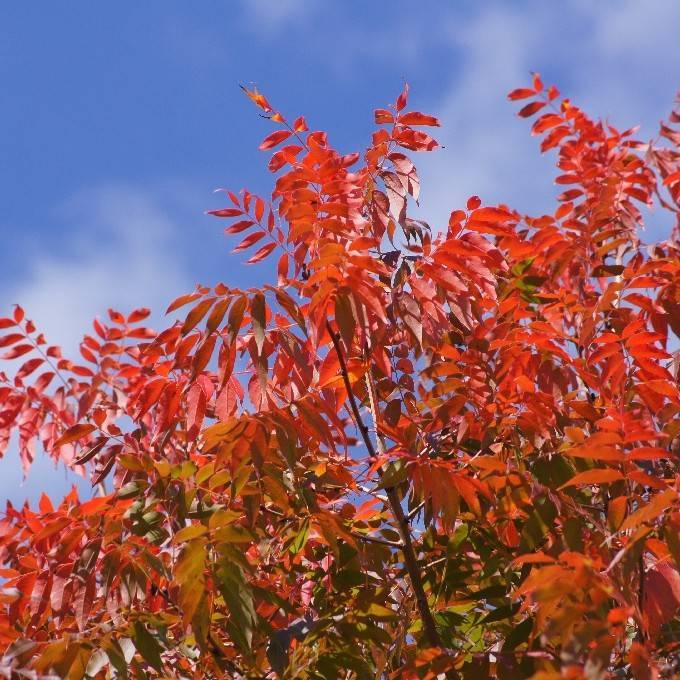
Chinese Pistache is a slow-growing, long-lived deciduous tree in the cashew family, prized for its spectacular fall color that ranges from fiery red to bright orange even in warm climates. It has a rounded, spreading canopy with pinnately compound, glossy green leaves, and produces small, inconspicuous greenish flowers in spring, followed by clusters of small, blue-red drupes on female trees. It is widely planted as a street tree, shade tree, and landscape specimen in temperate and subtropical regions due to its exceptional tolerance for poor soil, pollution, and drought.
Care Guide
Watering
Water newly planted Chinese Pistache deeply once or twice a week for the first growing season to establish a robust root system, allowing the top 2 to 3 inches of soil to dry out between waterings. Once established, it is highly drought tolerant, requiring only occasional supplemental watering during extended periods of extreme heat or prolonged dry spells, as overwatering can lead to root rot. Avoid watering near the trunk to prevent fungal issues, directing water to the drip line of the canopy instead.
Light
Chinese Pistache thrives in full sun, requiring at least 6 to 8 hours of direct, unfiltered sunlight daily to produce its signature vibrant autumn foliage and maintain a dense, healthy canopy. It can tolerate partial shade, but growth will be sparser, fall color will be less intense, and the tree may become leggy as it stretches toward light sources. Plant in an open, unshaded location for optimal growth and ornamental value.
Soil
This adaptable tree grows well in a wide range of soil types, including clay, loam, sand, and even rocky or poor-quality soils, as long as the site has excellent drainage. It tolerates a broad pH range from 5.5 to 7.5, and can even handle slightly alkaline soils, though it may exhibit minor chlorosis in extremely high pH conditions. Avoid waterlogged or compacted soils, as these can cause root rot and stunted growth; amend heavy clay soils with organic matter at planting time to improve drainage if needed.
Fertilizer
Chinese Pistache has low nutrient requirements and typically does not need regular fertilization if planted in average garden soil. For young trees or specimens growing in very poor soil, apply a balanced, slow-release 10-10-10 fertilizer once annually in early spring before new growth emerges, spreading it evenly across the root zone under the canopy. Avoid high-nitrogen fertilizers, which can promote excessive, weak vegetative growth and reduce fall color intensity; do not fertilize after mid-summer to prevent new growth that may be damaged by early frost.
Temperature
Chinese Pistache is extremely cold hardy, tolerating winter temperatures as low as -20°F (-29°C) in USDA hardiness zones 6 through 9, and can also withstand high summer temperatures up to 110°F (43°C) once established. It requires a minimum of 300 to 500 chill hours below 45°F (7°C) in winter to produce consistent foliage and fall color, making it unsuitable for tropical or frost-free regions. Young trees may benefit from a layer of mulch around the base in winter to protect shallow roots from extreme temperature fluctuations in colder parts of its range.
Pruning
Prune Chinese Pistache during late winter or early spring while the tree is dormant to shape the canopy, remove dead, damaged, or crossing branches, and encourage strong, healthy growth. Young trees should be pruned annually to establish a central leader and well-spaced, sturdy lateral branches to prevent structural issues as the tree matures. Avoid heavy pruning in summer or fall, as this can stimulate tender new growth that is vulnerable to frost damage, and always sanitize pruning tools between cuts to prevent the spread of disease.
Propagation
Chinese Pistache is most commonly propagated from seed, which should be stratified in moist, cool conditions for 90 to 120 days before sowing in spring to break dormancy and improve germination rates. Seed-grown trees will vary in fall color intensity and growth habit, and will take 6 to 10 years to reach sexual maturity and produce fruit. For consistent, desirable fall color, grafting selected cultivars onto hardy rootstock is the preferred propagation method, as it ensures the new tree retains the exact characteristics of the parent plant.
Humidity
Chinese Pistache is highly adaptable to a wide range of humidity levels, thriving in both dry, arid climates and moderately humid regions, as long as soil drainage is adequate. It does not require supplemental humidity and is tolerant of low humidity common in semi-arid and urban environments, making it an excellent choice for drought-prone areas. Excessively high humidity combined with poor air circulation can increase the risk of fungal leaf spot diseases, so ensure the tree is planted in an open location with good air flow around the canopy.
Repotting
Chinese Pistache is rarely grown as a container plant long-term, as it develops a deep, extensive root system and quickly outgrows pots, but young saplings can be grown in large containers for 1 to 2 years before planting in the ground. If growing in a container, use a well-draining, loamy potting mix and a pot with multiple drainage holes, repotting every 12 to 18 months in early spring before new growth emerges, moving to a container 2 to 3 inches larger in diameter each time. Once the tree reaches 6 to 8 feet tall, it should be transplanted to a permanent outdoor location, as container-grown specimens will become root-bound and exhibit stunted growth if kept in pots for too long.
Uses & Symbolism
Chinese Pistache is primarily planted as an ornamental landscape tree, valued for its vibrant autumn foliage, rounded shade canopy, and tolerance for urban conditions, making it a popular choice for street plantings, park landscapes, and residential yards. Its hard, dense wood is occasionally used for woodworking, furniture making, and fuel in its native range, and the seeds are sometimes processed to produce a low-quality oil for industrial uses. It is also planted for erosion control on slopes and disturbed sites, as its deep root system stabilizes soil effectively, and it provides food and shelter for native birds that feed on its small drupes.
Diseases & Pests
Chinese Pistache is relatively pest and disease resistant, but can be susceptible to verticillium wilt, a soil-borne fungal disease that causes yellowing foliage, branch dieback, and eventual death, particularly in poorly drained, overwatered soils. Common pests include aphids, scale insects, and spider mites, which suck sap from the leaves, causing yellowing, stunted growth, and honeydew secretion that can lead to sooty mold growth. Fungal leaf spot and powdery mildew may occur in humid conditions with poor air circulation, but these issues are rarely severe and can be managed by improving air flow around the canopy and avoiding overhead watering.
Related plants
Other plants you might like if you grow Chinese Pistache.