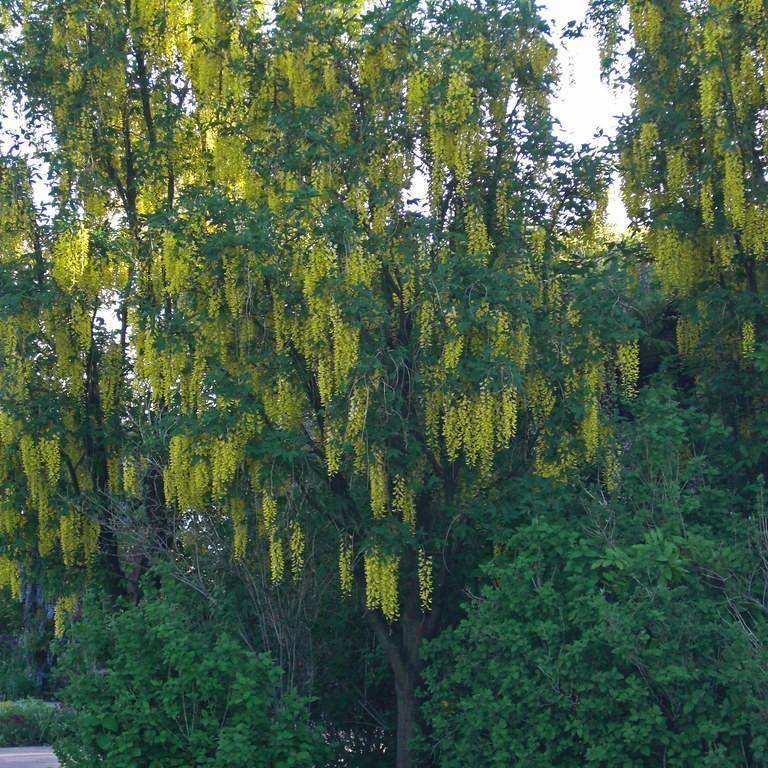
Bean Tree
Catalpa bignonioides
Overview
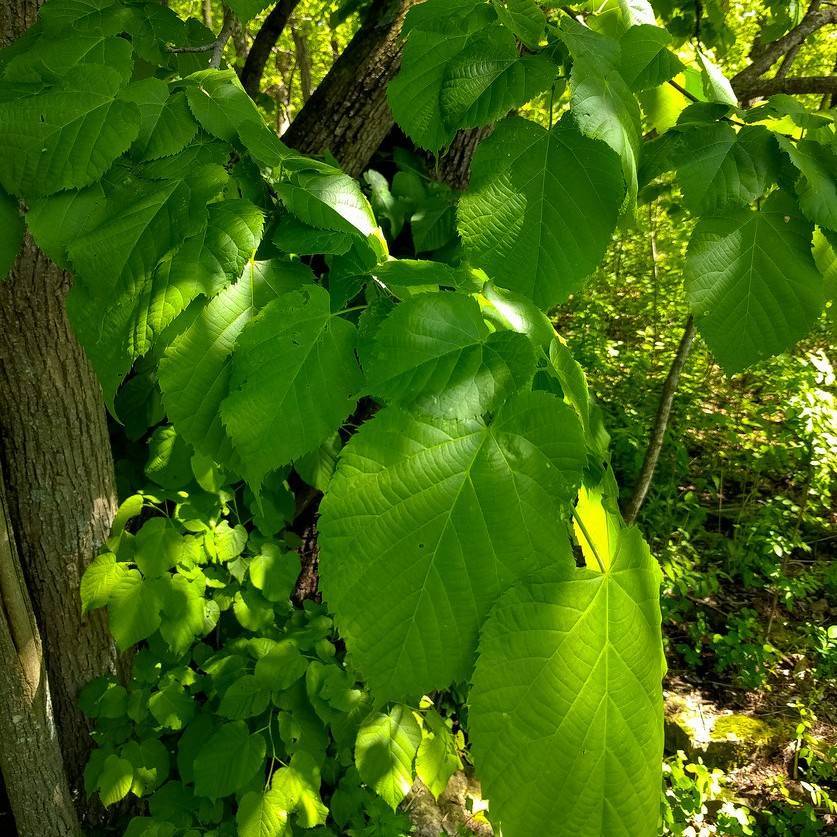
The common bean tree, or southern catalpa, is a rugged, adaptable deciduous tree prized for its dramatic ornamental features: pyramidal clusters of fragrant, white, purple-spotted flowers bloom in late spring, followed by slender, 8-20 inch (20-50 cm) dark brown seed pods that resemble string beans. Its large, heart-shaped light green leaves create dense, cooling shade in summer, turning yellow briefly before dropping in early fall. Widely planted as a street, shade, or specimen tree across temperate regions, it tolerates poor soils, pollution, and drought once established, making it a popular low-maintenance landscape choice.
Care Guide
Watering
Water young bean trees deeply once per week during their first two growing seasons to support root establishment, ensuring the top 6-12 inches of soil remain consistently moist but not waterlogged. Mature trees are highly drought-tolerant, only requiring supplemental watering during extended periods of high heat or no rainfall exceeding three weeks. Avoid overwatering, as saturated soil can lead to root rot in poorly drained sites.
Light
Bean trees thrive in full sun, requiring a minimum of 6 hours of direct, unfiltered sunlight daily to produce abundant blooms and dense, healthy foliage. They can tolerate partial shade, though flowering will be reduced, and the canopy may grow sparser and more irregular in low-light conditions. Plant in an open, unshaded location away from taller overstory trees for best performance.
Soil
This adaptable species grows well in a wide range of soil types, including clay, loam, sand, and even nutrient-poor, compacted urban soils, with a preferred pH range of 5.5 to 7.5. Well-drained soil is ideal, but it tolerates occasional temporary flooding better than most ornamental trees, making it suitable for low-lying yards or areas near storm drains. Amend heavy, poorly draining clay soil with compost before planting young trees to improve aeration and reduce rot risk.
Fertilizer
Young bean trees benefit from a balanced, slow-release 10-10-10 NPK fertilizer applied once per year in early spring, just before new leaf growth emerges, to support healthy root and canopy development. Mature, established trees rarely need fertilization unless they show signs of nutrient deficiency, such as yellowing leaves or stunted growth, in which case a light application of general-purpose fertilizer in spring is sufficient. Avoid over-fertilizing, as this can lead to excessive, weak foliage growth that is more susceptible to pest damage.
Temperature
Bean trees are hardy in USDA zones 4 through 9, tolerating winter temperatures as low as -30°F (-34°C) once fully established. They thrive in summer temperatures between 65°F and 85°F (18°C to 29°C), and can withstand short periods of extreme heat above 100°F (38°C) if adequately watered. Young saplings may require a layer of mulch around their base in the first 2-3 winters to insulate shallow roots from extreme cold snaps.
Pruning
Prune bean trees in late winter while they are dormant, removing any dead, damaged, or crossing branches to improve air circulation through the canopy and maintain a strong, structural shape. Young trees can be pruned to encourage a single central leader trunk and elevate the lower canopy if grown as a street or shade tree, as lower branches tend to droop as the tree matures. Remove any suckers that sprout from the base of the trunk or root system regularly to prevent the tree from growing into a multi-stemmed shrub form if a single-trunk shape is desired.
Propagation
Bean trees are most easily propagated from fresh, ripe seeds collected from mature pods in fall, sown directly outdoors in fall or stratified for 30-60 days in moist sand in the refrigerator before sowing indoors in early spring. Softwood cuttings taken from new growth in early summer can also be rooted, though success rates are lower than seed propagation, as cuttings require consistent moisture and rooting hormone to develop strong roots. Wild seedlings often sprout spontaneously under mature trees, and these can be carefully transplanted in early spring before new growth begins.
Humidity
Bean trees adapt well to a wide range of humidity levels, thriving in the humid summers of their native southeastern US range while also tolerating the drier air of midwestern and western regions without issue. Average ambient humidity between 30% and 70% is ideal, and no extra humidity measures are needed for landscape-grown trees. Very low humidity combined with extreme heat may cause minor leaf browning at the edges, but this is rarely harmful to mature, healthy trees.
Repotting
Bean trees are large landscape trees not suitable for long-term container growth, though young saplings may be grown in large, heavy pots for 1-2 years before being planted permanently outdoors. Repot young container-grown saplings once per year in early spring, moving them to a pot 2-3 inches larger in diameter each time, using a general-purpose potting mix with added perlite for drainage. Once the tree reaches 6 feet (1.8 m) tall, it must be planted in the ground to support its growing root system, as container confinement will stunt its growth and lead to health decline.
Uses & Symbolism
Primarily grown as an ornamental shade or street tree in residential and public landscapes, valued for its showy blooms, unique seed pods, and ability to thrive in challenging urban conditions. The light, rot-resistant wood is occasionally used for fence posts, railroad ties, and small craft projects, while the tree also serves as a host plant for the catalpa sphinx moth, a beneficial pollinator species. Historically, some Indigenous American groups used small, controlled doses of bark and seed extracts for medicinal purposes, though its toxicity makes this practice unsafe for untrained use.
Diseases & Pests
Bean trees are relatively pest and disease resistant, though they are commonly targeted by catalpa sphinx moth caterpillars, which can defoliate large sections of the canopy in heavy infestations, though healthy trees usually regrow leaves quickly without permanent damage. Fungal issues such as powdery mildew, leaf spot, and verticillium wilt can occur in overly moist, poorly aerated conditions, especially if the tree is planted in a shaded site with little air flow. Aphids and mealybugs may occasionally infest new growth, causing minor leaf curling and sticky honeydew secretion, which can be treated with insecticidal soap or horticultural oil for severe cases.
Related plants
Other plants you might like if you grow Bean Tree.