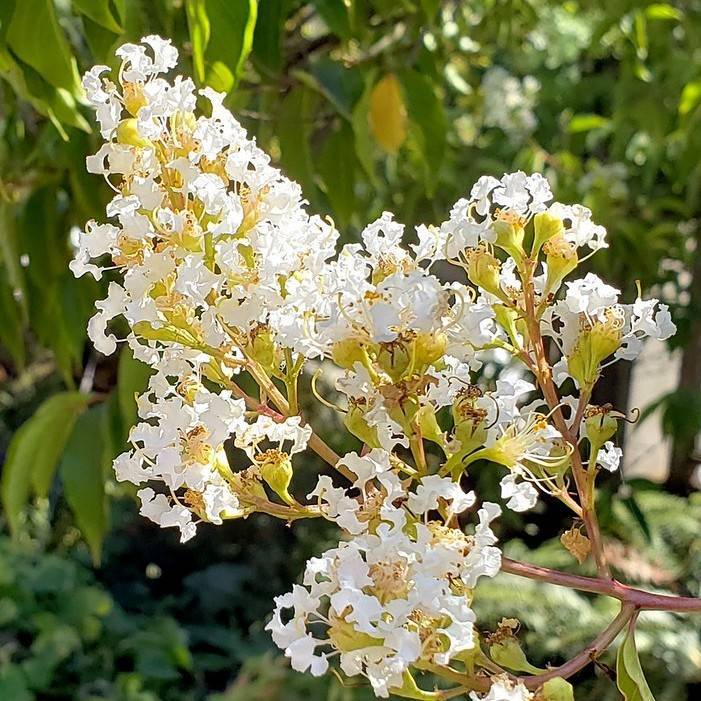
Japanese Crape Myrtle
Lagerstroemia indica
Overview
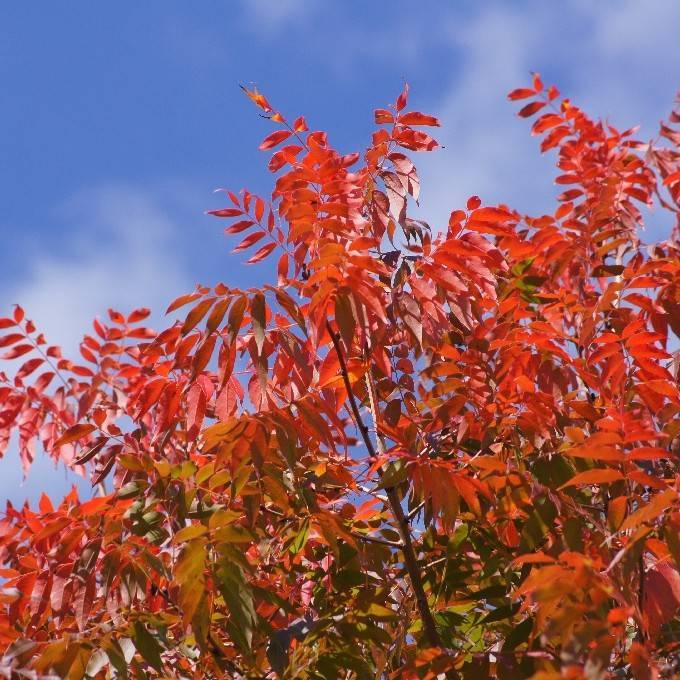
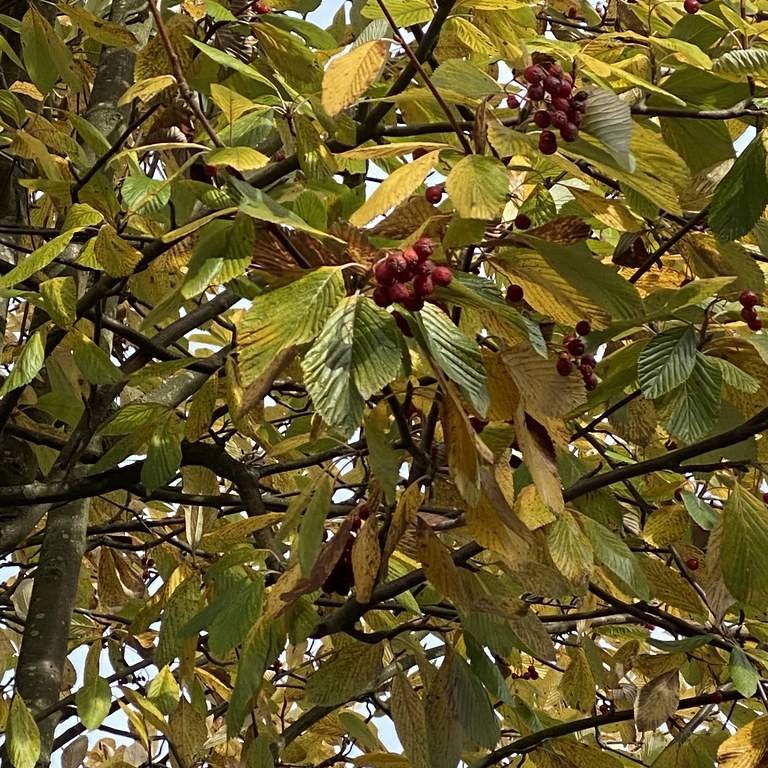
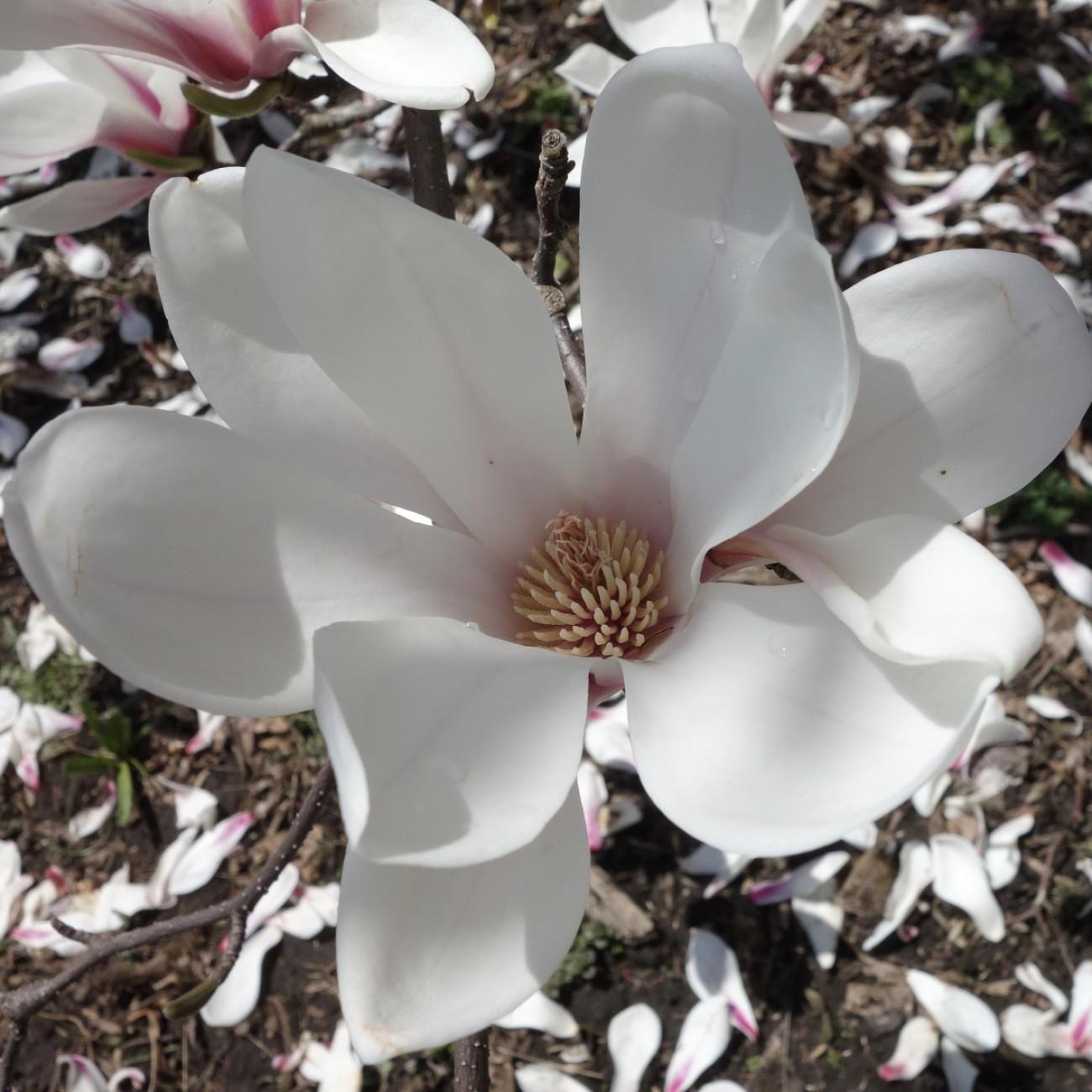
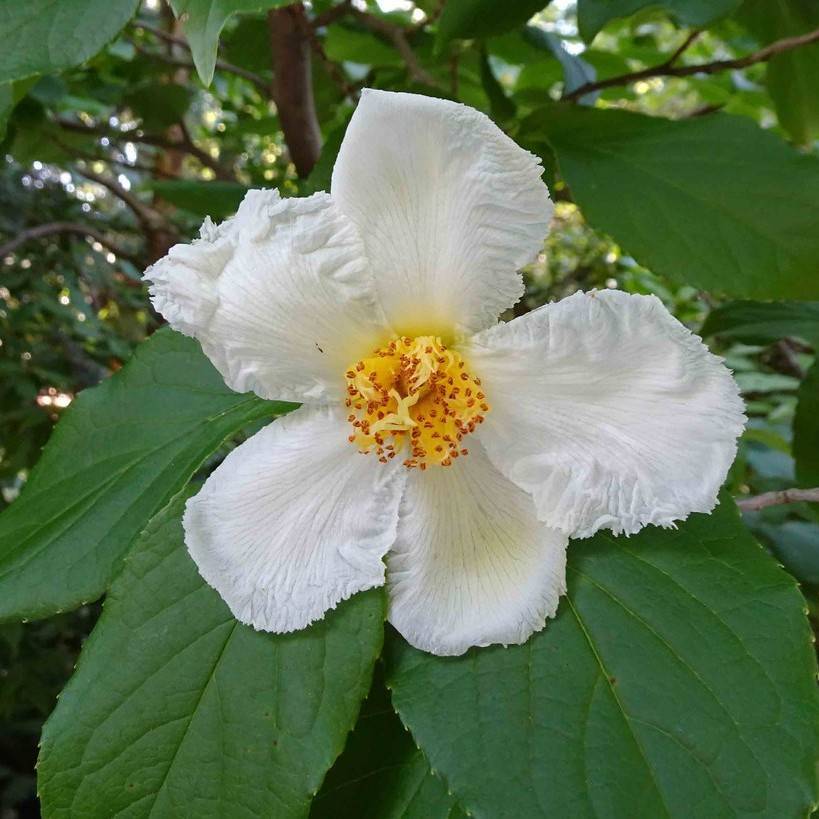
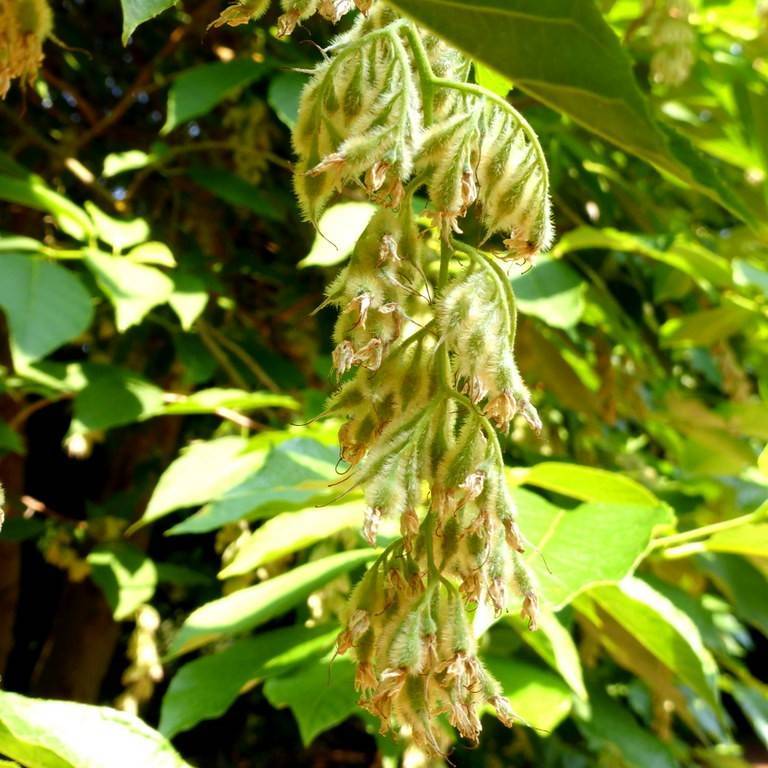
Japanese Crape Myrtle is a widely cultivated deciduous tree or large shrub valued for its multi-season ornamental appeal. In summer, it produces dense clusters of crinkled, crepe-like flowers in shades of pink, purple, white, or red that last for several weeks. Its distinctive peeling bark reveals a mottled pattern of tan, gray, and cinnamon brown, adding winter interest, while its leaves turn vivid orange, red, or yellow in fall. It thrives in warm regions and is often planted as a street tree, specimen plant, or hedge.
Care Guide
Watering
Water newly planted Japanese Crape Myrtles deeply once or twice weekly to establish a strong root system, keeping soil consistently moist but not waterlogged. Once established, the tree is highly drought-tolerant, requiring supplemental watering only during extended periods of extreme heat or dryness. Avoid overwatering, especially in heavy clay soils, as this can lead to root rot.
Light
Japanese Crape Myrtle requires full sun, defined as at least 6 to 8 hours of direct unfiltered sunlight daily, to produce abundant blooms and maintain a healthy, dense growth habit. Too much shade will result in sparse flowering, leggy growth, and increased susceptibility to fungal diseases. Plant it in an open, unobstructed location with southern or western exposure for best performance.
Soil
This adaptable tree grows well in a wide range of soil types, including loam, sandy, and clay soils, as long as the site provides good drainage. It prefers a slightly acidic to neutral soil pH between 5.5 and 7.5, though it can tolerate mildly alkaline conditions as well. Avoid planting in poorly drained, waterlogged sites, as standing water will quickly damage the root system.
Fertilizer
Fertilize young Japanese Crape Myrtles once in early spring with a balanced, slow-release fertilizer formulated for woody ornamental plants to support healthy new growth. Mature trees only need fertilization every 2 to 3 years, applied just before new leaves emerge in spring. Avoid high-nitrogen fertilizers, as these can promote excessive leaf growth at the expense of flower production and increase disease risk.
Temperature
Japanese Crape Myrtle thrives in USDA hardiness zones 7 through 9, tolerating minimum winter temperatures as low as 0°F (-18°C) when established. In cooler zones at the edge of its range, young trees may require winter protection such as burlap wrapping or a thick layer of mulch around the root zone to prevent cold damage. It tolerates high summer heat and humidity very well, making it ideal for warm southern climates.
Pruning
Prune Japanese Crape Myrtle in late winter or early spring before new growth emerges, removing dead, diseased, crossing, or weak branches to improve air circulation and structure. Avoid severe pruning often called 'crape murder', as this disfigures the tree, promotes weak, spindly growth, and reduces flowering. To encourage larger bloom clusters, you can thin out small lateral branches and remove spent flower heads in summer, though this is not required for healthy growth.
Propagation
The most common propagation method for Japanese Crape Myrtle is softwood cuttings taken in late spring or early summer, when new growth is semi-mature but still flexible. Dip cut end in rooting hormone, plant in a well-drained, moist propagation medium, and keep in a warm, humid environment with indirect light until roots form in 4 to 6 weeks. It can also be grown from seed, though seed-grown plants may not retain the exact flower color or growth habit of the parent plant.
Humidity
Japanese Crape Myrtle tolerates a wide range of humidity levels, thriving in both moderately dry and high-humidity environments common in its preferred growing zones. In areas with very high humidity, ensure the tree has adequate spacing and air circulation around its canopy to reduce the risk of powdery mildew and other fungal diseases. It does not require any supplemental humidity when grown outdoors, and is highly tolerant of dry air once established.
Repotting
Japanese Crape Myrtle is primarily grown as an outdoor landscape plant, though small specimens can be grown in large containers for patios or decks. Repot container-grown trees every 2 to 3 years in early spring before new growth starts, using a well-drained potting mix and selecting a container that is 2 to 3 inches larger in diameter than the current one. Ensure the container has ample drainage holes to prevent waterlogging, and prune back any circling or overgrown roots during repotting to encourage healthy root development.
Uses & Symbolism
Japanese Crape Myrtle is most widely used as an ornamental landscape plant, planted as a standalone specimen tree, street tree, privacy hedge, or border shrub for its long-lasting summer blooms and multi-season interest. Its hard, dense wood is occasionally used for small woodworking projects, and extracts from its bark, leaves, and flowers have been used in traditional East Asian medicine for their anti-inflammatory and astringent properties. Dwarf cultivars are also popular for container planting on patios and balconies in urban areas.
Diseases & Pests
The most common disease affecting Japanese Crape Myrtle is powdery mildew, a fungal infection that appears as a white powdery coating on leaves and young shoots, most prevalent in cool, humid conditions with poor air circulation. It is also susceptible to Cercospora leaf spot, which causes brown or purple spots on foliage that eventually lead to premature leaf drop in wet summer weather. Common pests include aphids, scale insects, and crape myrtle bark scale, which secrete honeydew that leads to sooty mold growth on leaves and branches.
Related plants
Other plants you might like if you grow Japanese Crape Myrtle.