Laurustinus
Viburnum tinus
Overview
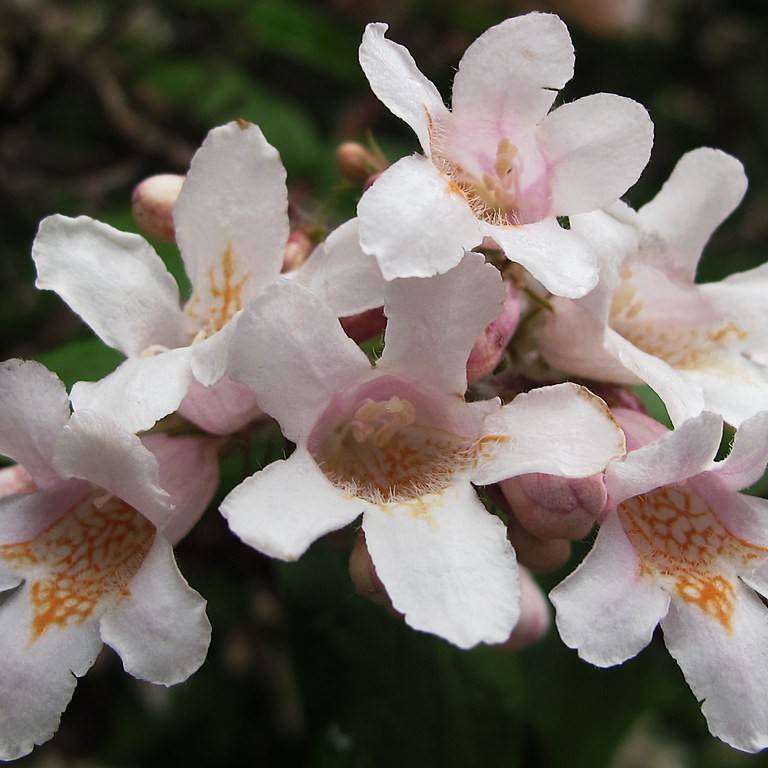
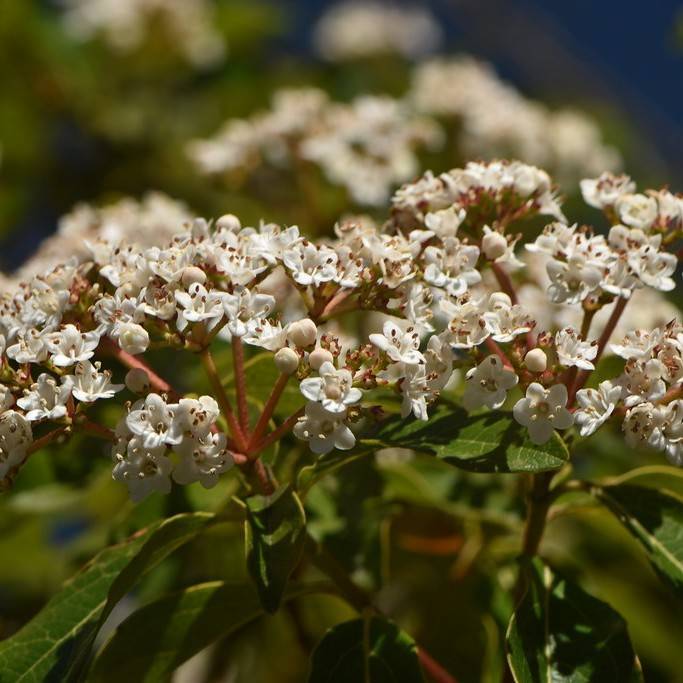
Laurustinus is a robust, rounded evergreen shrub valued in temperate gardens for its multi-season interest and low-maintenance nature. From late winter to early spring, it produces clusters of small, fragrant pink buds that open to creamy white flowers, followed by metallic dark blue berries that persist through the fall. Its leathery, dark green oval leaves create a dense, lush backdrop even in the coldest months, making it a popular choice for hedging, foundation plantings, and mixed shrub borders.
Care Guide
Watering
Water newly planted laurustinus regularly for the first 1-2 years to establish a deep root system, keeping soil consistently moist but not waterlogged. Once established, it is highly drought-tolerant, requiring only occasional watering during prolonged dry spells, and is sensitive to overwatering that can cause root rot. Avoid watering the foliage directly to reduce the risk of fungal leaf spots.
Light
Laurustinus thrives in full sun to partial shade, with full sun encouraging the most abundant flowering and compact growth habit. In regions with extremely hot, intense summer sun, it benefits from light afternoon shade to prevent leaf scorch. It can tolerate deeper shade, though flowering will be sparser and growth may become leggy over time.
Soil
This adaptable shrub grows best in moderately fertile, well-drained soil with a neutral to slightly alkaline pH, though it can tolerate mildly acidic conditions as well. It performs well in a range of soil textures, including loam, sandy loam, and clay loam, as long as standing water does not accumulate around the root zone. Amend heavy clay soils with compost or well-rotted manure at planting time to improve drainage.
Fertilizer
Feed laurustinus once annually in early spring with a balanced, slow-release granular fertilizer formulated for woody shrubs to support new growth and flowering. Avoid over-fertilizing, especially with high-nitrogen formulas, as this can encourage excessive leafy growth at the expense of blooms and reduce cold hardiness. Organic gardeners can apply a 2-inch layer of well-rotted compost around the base of the plant as a nutrient-rich alternative to synthetic fertilizers.
Temperature
Laurustinus is hardy in USDA zones 7-10, tolerating winter temperatures as low as 10°F (-12°C) once established. Young plants may require winter protection, such as a layer of mulch around the root zone and burlap wrapping, in areas with regular frost or cold, drying winds. It tolerates coastal salt spray and urban pollution well, making it suitable for coastal and city plantings.
Pruning
Prune laurustinus immediately after flowering finishes in spring to avoid cutting off the following year’s flower buds, which form on old wood. Remove any dead, diseased, or crossing branches first to improve air circulation through the canopy, then trim to maintain the desired shape and size, cutting back no more than one-third of the plant’s growth in a single season. Mature, overgrown shrubs can be rejuvenated with hard pruning in late winter, though flowering may be reduced for 1-2 years following the cutback.
Propagation
Laurustinus is most commonly propagated from semi-hardwood cuttings taken in mid to late summer, using 4-6 inch long stem sections with mature lower growth and soft new growth at the tip. Remove the lower leaves, dip the cut end in rooting hormone powder, and plant in a well-drained propagating mix, keeping the cuttings warm and moist until roots form in 6-8 weeks. It can also be grown from seed, though seeds require 3-4 months of cold stratification to germinate, and plants grown from seed may take 3-4 years to reach flowering size.
Humidity
Laurustinus prefers moderate humidity levels between 40-60%, which is typical of its native Mediterranean climate. It tolerates lower humidity levels common in arid regions as long as it receives adequate soil moisture, and can handle brief periods of high humidity if air circulation around the foliage is good. Prolonged high humidity combined with poor air flow increases the risk of fungal diseases, so avoid planting it in overly crowded, shaded sites.
Repotting
Laurustinus grown in containers should be repotted every 2-3 years in early spring before new growth begins, moving to a pot one size larger with fresh, well-drained potting mix amended with compost. Choose a heavy pot with ample drainage holes to prevent the top-heavy shrub from tipping over, and add a layer of gravel or broken pottery at the bottom of the pot to improve drainage. Once the plant reaches its desired mature size, top-dress annually by replacing the top 2-3 inches of potting mix with fresh soil instead of repotting into a larger container.
Uses & Symbolism
Laurustinus is widely planted as an ornamental shrub in temperate gardens, used for evergreen hedging, foundation plantings, mixed borders, and container displays on patios or balconies. Its fragrant flowers attract bees, butterflies, and other pollinators during the late winter and early spring when few other food sources are available, while its berries provide food for native bird species in fall and winter. It is also occasionally used in cut flower arrangements for its long-lasting foliage, clusters of buds, and blooms.
Diseases & Pests
Laurustinus is relatively pest and disease resistant, though it can be susceptible to aphids, scale insects, and spider mites, which feed on sap from new growth and can be controlled with insecticidal soap or horticultural oil sprays. Fungal diseases including powdery mildew, leaf spot, and root rot can occur in overly wet, poorly drained conditions or when foliage remains damp for extended periods, and can be prevented by ensuring good air circulation, avoiding overwatering, and planting in well-drained soil. In some regions, it may be affected by viburnum leaf beetle, whose larvae skeletonize leaves; infestations can be managed by removing affected foliage and applying appropriate insecticides during the larval stage.
Related plants
Other plants you might like if you grow Laurustinus.