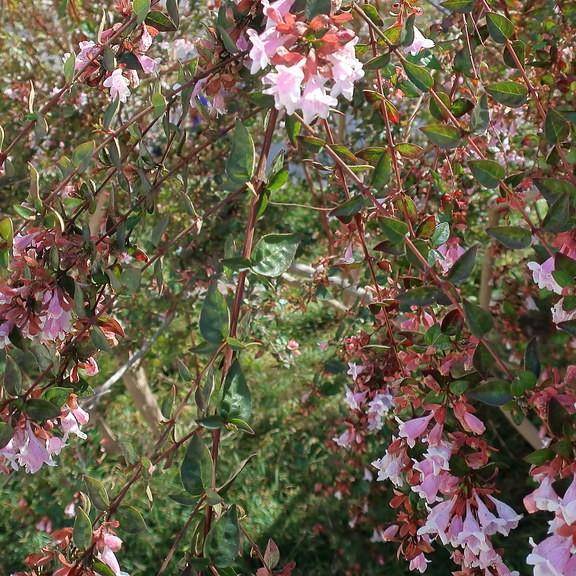
Edward Goucher Abelia
Abelia × grandiflora 'Edward Goucher'
Overview
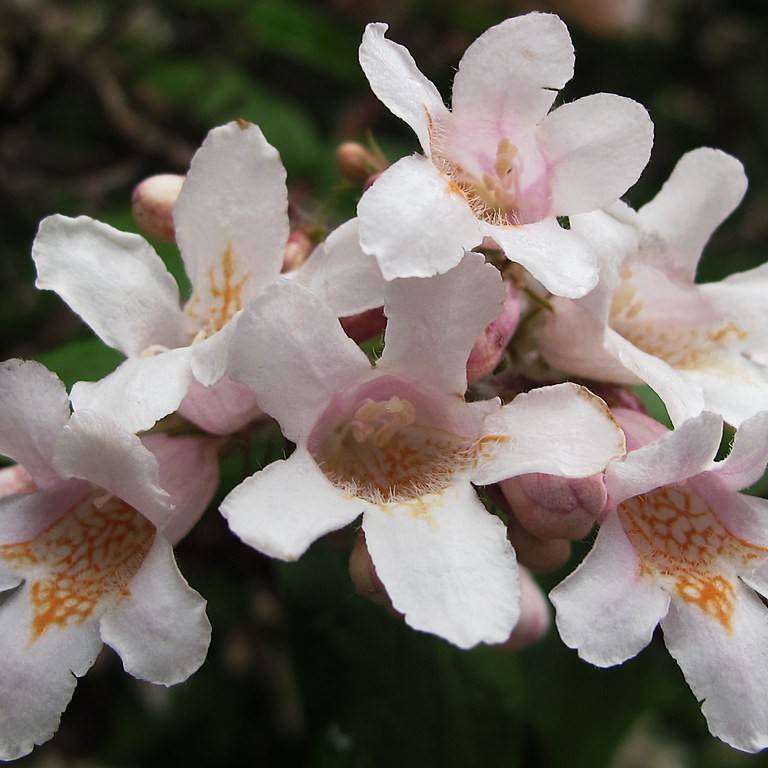
Edward Goucher Abelia is a popular hybrid shrub prized for its neat, mounding growth habit and extended bloom period. Its small, glossy leaves take on subtle bronze tones in cool weather, adding year-round visual interest to landscapes. Abundant, funnel-shaped lilac-pink flowers with bronze calyxes bloom continuously from mid-summer through the first frost, drawing bees, butterflies, and hummingbirds. It is widely used in residential and commercial landscaping for its low-maintenance nature and ornamental appeal.
Care Guide
Watering
Water newly planted shrubs deeply and regularly for the first growing season to establish a strong, extensive root system. Once established, Edward Goucher Abelia is drought tolerant, requiring only occasional watering during prolonged dry or hot periods. Avoid overwatering or planting in waterlogged soils, as this can cause root rot.
Light
This shrub thrives in full sun to partial shade, with full sun exposure encouraging the most abundant and vibrant flowering. In regions with extremely hot summer sun, it benefits from light afternoon shade to prevent leaf scorch. Too much shade will result in sparse growth and reduced blooming.
Soil
Edward Goucher Abelia adapts well to a wide range of soil types, including loam, sandy, and clay soils, as long as the site has good drainage. It prefers a slightly acidic to neutral soil pH between 5.5 and 7.5 for optimal growth. Amending heavy soils with organic matter such as compost at planting time will improve drainage and nutrient availability.
Fertilizer
Feed in early spring, just before new growth emerges, with a slow-release, balanced shrub fertilizer formulated for flowering woody plants. Avoid fertilizing late in the growing season, as this can stimulate tender new growth that is vulnerable to damage from early frost. Over-fertilization can lead to excessive foliage growth at the expense of flowering.
Temperature
It is hardy in USDA zones 6 to 9, tolerating winter temperatures as low as -10°F (-23°C) with minimal damage. In colder parts of its range, it may die back to the ground in winter but will resprout from the root system in spring. It handles high summer heat and humidity well, making it suitable for warm southern climates.
Pruning
Prune in late winter or early spring before new growth appears to remove dead, damaged, or crossing branches and maintain a tidy, mounding shape. You can also lightly shear the shrub after the first flush of blooms to encourage bushier growth and a second round of flowering. Avoid heavy pruning, as this can reduce blooming for the current season.
Propagation
The most reliable method of propagation is semi-hardwood cuttings taken in mid to late summer, when new growth has partially hardened off. Dip cut end in rooting hormone, plant in a well-draining propagation medium, and keep consistently moist and warm until roots develop in 4 to 6 weeks. As a named cultivar, it does not grow true from seed, so propagation from cuttings is required to retain its unique characteristics.
Humidity
Edward Goucher Abelia tolerates a wide range of humidity levels, from the dry conditions of inland regions to the high humidity of coastal and southern areas. It has no special humidity requirements when grown outdoors, making it highly adaptable to most temperate climate conditions. Indoor-grown specimens benefit from occasional misting if indoor air is excessively dry.
Repotting
If grown in containers, repot every 2 to 3 years in early spring before new growth begins, using a well-draining potting mix with added organic matter. Choose a pot with multiple drainage holes that is 2 to 3 inches larger in diameter than the current container to accommodate root growth. After repotting, water thoroughly and place in a partially shaded spot for a week to reduce transplant shock.
Uses & Symbolism
Edward Goucher Abelia is a versatile landscaping shrub commonly used in foundation plantings, mixed shrub borders, mass plantings, and as a low informal hedge. Its long bloom period and attractiveness to pollinators make it a popular addition to wildlife and pollinator gardens, while its compact size works well in small residential yards and container plantings. The cut stems with flowers are also used in fresh floral arrangements for their delicate color and long vase life.
Diseases & Pests
This shrub is largely pest and disease resistant, though it can occasionally be affected by aphids, spider mites, and scale insects, which can be controlled with horticultural oil or insecticidal soap. Overly wet, poorly drained soils can lead to root rot and fungal leaf spot diseases, which are best prevented by proper site selection and avoiding overhead watering. In regions with high humidity, powdery mildew may appear on foliage in shaded, poorly ventilated sites, which can be mitigated by pruning to improve air circulation.
Related plants
Other plants you might like if you grow Edward Goucher Abelia.