Birchleaf Spirea
Spiraea betulifolia
Overview
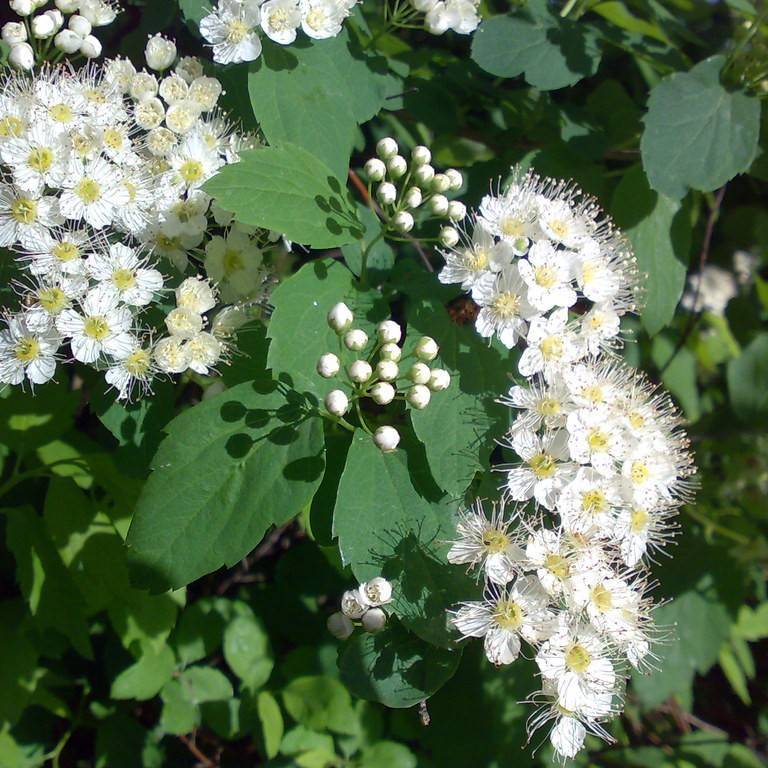
Birchleaf spirea is a dense, mounding deciduous shrub named for its ovate, serrated leaves that closely resemble those of birch trees. In late spring to early summer, it produces abundant flat-topped clusters of tiny white or soft pink flowers that attract pollinators including bees and butterflies. In fall, its foliage turns warm shades of red, orange, and purple, adding seasonal interest to garden beds and borders. It is highly adaptable to a range of growing conditions, making it a popular choice for beginner gardeners and low-effort landscapes.
Care Guide
Watering
Water newly planted birchleaf spirea regularly to keep the soil evenly moist for the first growing season, helping it establish a strong root system. Once established, it is drought-tolerant, requiring only occasional deep watering during extended periods of hot, dry weather. Avoid overwatering or planting in waterlogged sites, as this can lead to root rot.
Light
Grow birchleaf spirea in full sun for the most abundant flowering and densest, most compact growth habit. It can tolerate partial shade, though bloom production will be reduced and the shrub may develop a looser, more open form. In regions with extremely hot summer sun, light afternoon shade can prevent leaf scorch without significantly impacting flowering.
Soil
Birchleaf spirea adapts to a wide range of soil types, including clay, loam, and sandy soils, as long as the site has good drainage. It prefers a slightly acidic to neutral soil pH between 6.0 and 7.0, but can tolerate mildly alkaline conditions as well. Amending heavy clay soil with organic matter such as compost at planting time will improve drainage and support healthier root growth.
Fertilizer
Fertilize birchleaf spirea once per year in early spring, before new growth emerges, using a balanced, slow-release granular fertilizer formulated for woody shrubs. Avoid over-fertilizing, as excess nitrogen can lead to excessive leafy growth at the expense of flower production and make the shrub more susceptible to pest damage. No additional feeding is required through the growing season for established plants.
Temperature
Birchleaf spirea is cold-hardy in USDA zones 3 through 8, tolerating winter temperatures as low as -40°F (-40°C) without protective care. It thrives in moderate summer temperatures between 60°F and 80°F (15°C to 27°C), and can withstand short periods of heat above 90°F (32°C) if provided with adequate moisture. Late spring frosts can occasionally damage new growth, but the shrub will typically regrow quickly once temperatures warm.
Pruning
Prune birchleaf spirea immediately after it finishes flowering in early summer, as it produces blooms on wood grown the previous year. Remove spent flower clusters to encourage a tidier appearance and may promote a small secondary bloom later in the season. Every 3 to 4 years, perform a rejuvenation pruning by cutting the entire shrub back to 6 to 12 inches (15 to 30 cm) above the ground in late winter to stimulate fresh, vigorous growth.
Propagation
Birchleaf spirea is most easily propagated via softwood cuttings taken in late spring or early summer, after new growth has partially hardened. Cut 4 to 6 inch (10 to 15 cm) sections of healthy young stems, remove the lower leaves, dip the cut end in rooting hormone, and plant in a moist, well-draining potting mix until roots develop in 4 to 6 weeks. It can also be propagated by dividing mature clumps in early spring or late fall, when the shrub is dormant.
Humidity
Birchleaf spirea adapts well to a wide range of humidity levels, thriving in the moderate humidity typical of its native temperate ranges. It tolerates both dry air and higher humidity conditions, as long as the soil is well-drained and air circulation around the shrub is adequate. High humidity combined with poor air flow can increase the risk of fungal leaf spot diseases, so avoid overcrowding plants in garden beds.
Repotting
Birchleaf spirea is rarely grown in containers long-term, but if potted, repot every 2 to 3 years in early spring before new growth emerges. Choose a container with drainage holes that is 2 to 3 inches (5 to 7.5 cm) larger in diameter than the current pot, and use a well-draining, loamy potting mix amended with compost. After repotting, water thoroughly and place in a partially shaded site for 1 to 2 weeks to reduce transplant shock.
Uses & Symbolism
Birchleaf spirea is widely used in landscape plantings as a low border, mass ground cover, or component of pollinator gardens, thanks to its compact size and attractive blooms. Its dense, mounding form also makes it suitable for erosion control on slopes or embankments, where its fibrous root system holds soil in place. Historically, some Indigenous North American groups used parts of the plant for medicinal purposes to treat ailments such as stomach pain and colds.
Diseases & Pests
Birchleaf spirea is relatively pest and disease resistant, but can occasionally be affected by fungal leaf spot and powdery mildew in conditions of high humidity and poor air circulation. Common pests include aphids, spider mites, and scale insects, which typically cause minor leaf damage and can be controlled with insecticidal soap or horticultural oil. Root rot can occur if the plant is grown in poorly drained, waterlogged soil, so proper site selection is critical to avoid this fatal issue.
Related plants
Other plants you might like if you grow Birchleaf Spirea.
%22%2F%3E%0A%20%20%20%20%20%20%3Ccircle%20cx%3D%22920%22%20cy%3D%22180%22%20r%3D%2290%22%20fill%3D%22%23cfe8d5%22%2F%3E%0A%20%20%20%20%20%20%3Cpath%20d%3D%22M600%20590c-90-180-215-255-310-280%200%20165%20118%20296%20270%20296h40z%22%20fill%3D%22%2379b88e%22%2F%3E%0A%20%20%20%20%20%20%3Cpath%20d%3D%22M600%20590c80-150%20198-212%20302-228-8%20142-123%20255-270%20255h-32z%22%20fill%3D%22%235c9f73%22%2F%3E%0A%20%20%20%20%20%20%3Cpath%20d%3D%22M600%20610V360%22%20stroke%3D%22%234f8c64%22%20stroke-width%3D%2218%22%20stroke-linecap%3D%22round%22%2F%3E%0A%20%20%20%20%20%20%3Ctext%20x%3D%22600%22%20y%3D%22700%22%20text-anchor%3D%22middle%22%20font-family%3D%22Arial%2C%20sans-serif%22%20font-size%3D%2244%22%20fill%3D%22%23365c45%22%3E%0A%20%20%20%20%20%20%20%20Plant%20image%20coming%20soon%0A%20%20%20%20%20%20%3C%2Ftext%3E%0A%20%20%20%20%3C%2Fsvg%3E%0A%20%20)