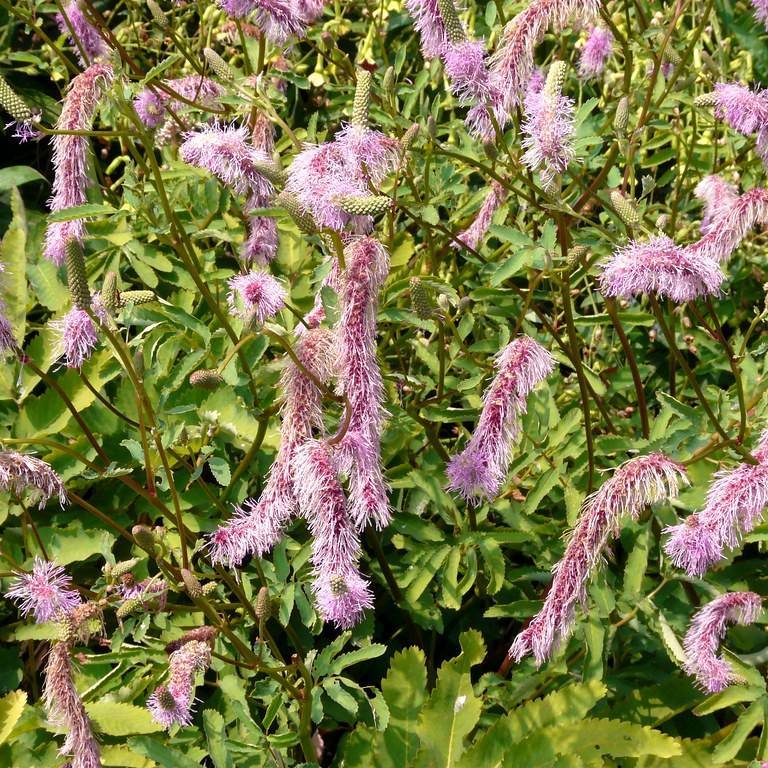
Bottlebrush
Callistemon citrinus
Overview
Bottlebrush is a drought-tolerant evergreen shrub native to Australia, valued for its vibrant, nectar-rich flower spikes that bloom in profusion from spring to early summer. Its stiff, aromatic, lance-shaped leaves have a citrusy scent when crushed, and its dense, bushy growth habit makes it a versatile landscaping plant in warm climates. It attracts pollinators including hummingbirds, bees, and butterflies, and is highly adaptable to a range of growing conditions.
Care Guide
Watering
Water newly planted bottlebrush regularly to keep soil evenly moist for the first 1-2 years until roots are established, reducing frequency to once every 1-2 weeks once mature. Avoid overwatering or letting plants sit in saturated soil, as this can cause root rot, and allow the top 2-3 inches of soil to dry out between waterings. Drought-tolerant once established, it only needs supplemental water during extended periods of extreme heat or dryness.
Light
Plant bottlebrush in full sun, receiving a minimum of 6 hours of direct, unfiltered sunlight daily to support optimal flowering and dense, healthy foliage growth. It can tolerate partial shade, but plants grown in lower light will produce fewer flowers, have sparser growth, and be more prone to pest infestations. Indoor potted specimens should be placed in a south or west-facing window with bright, direct light for most of the day.
Soil
Bottlebrush thrives in well-drained, loamy or sandy soil with a slightly acidic to neutral pH between 5.5 and 7.0, and can tolerate poor, rocky, or low-nutrient soils as long as drainage is excellent. It does not perform well in heavy clay soils or areas with standing water, so amend heavy soil with compost, sand, or perlite to improve drainage before planting. For potted specimens, use a high-quality, well-draining potting mix formulated for shrubs or Australian native plants.
Fertilizer
Fertilize bottlebrush once per year in early spring before new growth emerges, using a slow-release, low-phosphorus fertilizer formulated for native Australian plants to avoid root burn and support healthy flowering. Avoid high-phosphorus fertilizers, as they can cause nutrient deficiencies and stunt growth in this species, which is adapted to low-phosphorus native soils. Container-grown plants can benefit from a second light application of fertilizer in mid-summer if growth appears weak or flowering is sparse.
Temperature
Bottlebrush grows best in warm temperatures between 65-90°F (18-32°C), and is hardy to USDA zones 9-11, tolerating brief light frosts down to 20°F (-7°C) without significant damage once mature. Young plants or specimens in cooler zones should be protected from frost with burlap wraps or moved indoors if potted, as prolonged freezing temperatures will kill foliage and can damage the root system. It tolerates high heat and coastal salt spray well, making it suitable for seaside landscaping.
Pruning
Prune bottlebrush lightly after flowering has finished, trimming spent flower spikes back to just above a set of leaves to encourage bushier growth and more abundant blooms the following season. Avoid heavy pruning into old, woody growth, as the plant may not resprout reliably from bare, thick branches; limit shaping cuts to younger, green foliage to maintain a tidy habit. Remove any dead, damaged, or crossing branches at any time of year to improve air circulation and reduce pest and disease risk.
Propagation
Bottlebrush is most commonly propagated from semi-hardwood cuttings taken in late summer or early fall, selecting 4-6 inch cuttings of healthy, current-year growth that has just started to harden, stripping lower leaves, and rooting in moist, well-draining propagating mix with bottom heat. It can also be grown from seed collected from mature, dried seed capsules that form after flowering, though seed-grown plants may not retain the exact flower color or growth habit of the parent plant. Cuttings typically root within 6-8 weeks, and should be grown in containers for one full growing season before transplanting to the garden.
Humidity
Bottlebrush adapts well to a wide range of humidity levels, thriving in the moderate to high humidity of its native Australian habitat as well as the drier air of arid or semi-arid regions with regular watering. Indoor potted specimens do not require extra humidity, though occasional misting during very dry winter heating periods can help prevent leaf tip browning. Good air circulation around the plant is more important than high humidity, as stagnant, moist air can lead to fungal leaf spot issues.
Repotting
Repot potted bottlebrush every 2-3 years in early spring before new growth begins, choosing a pot that is 2-3 inches larger in diameter than the current container to avoid overpotting and excess soil moisture retention. Carefully loosen compacted roots before placing in fresh, well-draining potting mix, and water thoroughly after repotting to settle soil around the root system. Mature, large container specimens can be top-dressed with fresh compost annually instead of full repotting to refresh nutrients without disturbing the root system.
Uses & Symbolism
Bottlebrush is widely used as an ornamental landscaping shrub in warm climates, planted as a specimen plant, hedge, screen, or border planting for its bright, long-lasting flowers and evergreen foliage. Its nectar-rich blooms make it a popular addition to pollinator gardens, and it is also well-suited for coastal landscaping due to its tolerance of salt spray and wind. Indigenous Australian communities traditionally used its leaves for medicinal teas and its fibrous bark for making cordage.
Diseases & Pests
Bottlebrush is relatively pest and disease resistant, but can be affected by scale insects, spider mites, and mealybugs, especially when grown in shaded, low-air-circulation conditions, which can be treated with horticultural oil or insecticidal soap. Fungal leaf spot and root rot are the most common diseases, typically caused by overwatering, poor drainage, or prolonged wet foliage, which can be prevented by allowing soil to dry between waterings and avoiding overhead watering. In high-phosphorus soils, it may develop iron or manganese deficiency, characterized by yellowing leaves, which can be corrected with a chelated iron supplement and low-phosphorus fertilizer.
Related plants
Other plants you might like if you grow Bottlebrush.
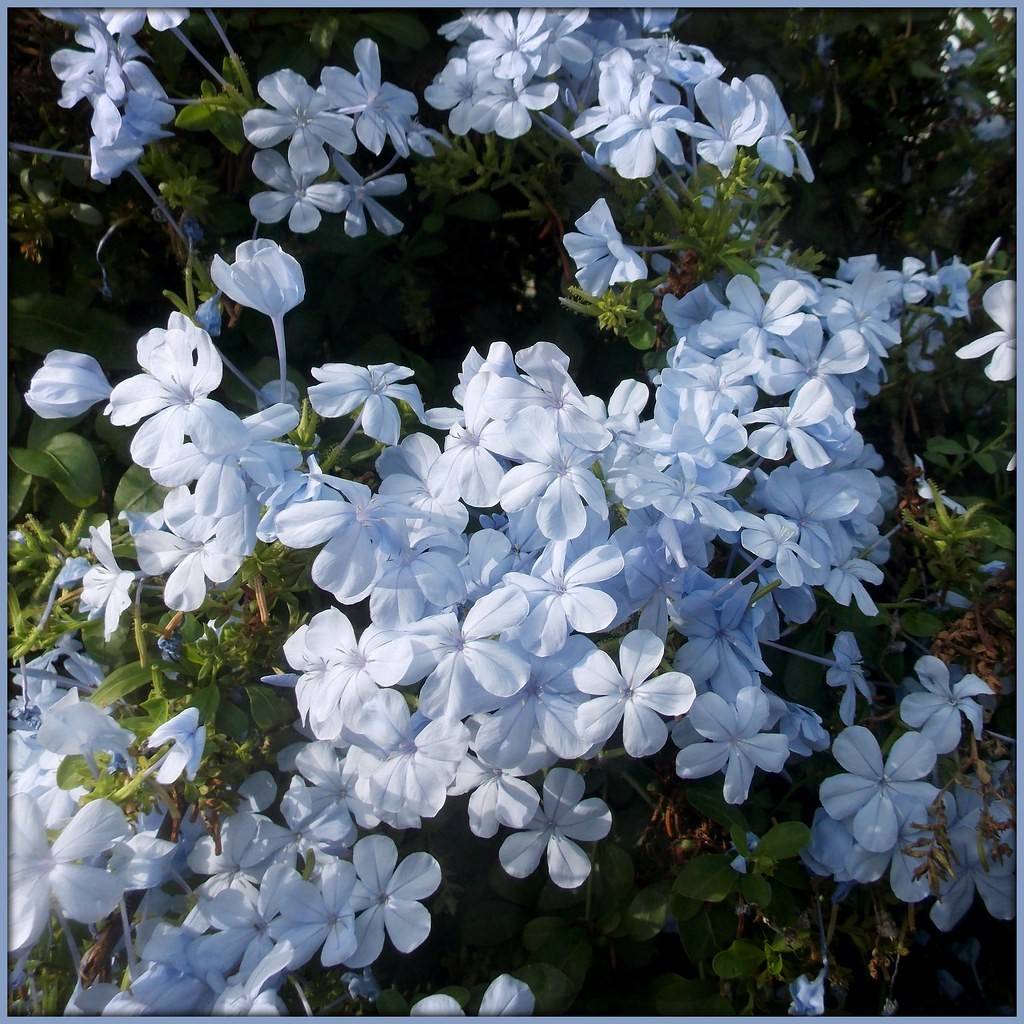
Cape Leadwort
Plumbago auriculata
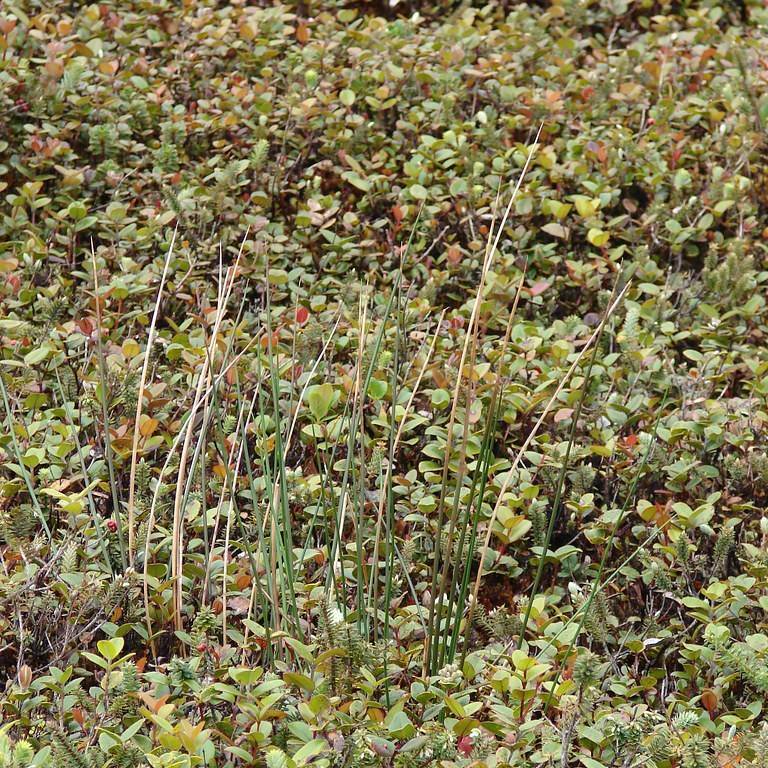
Dwarf Mat Rush
Lomandra confertifolia subsp. pallida 'Little Con'
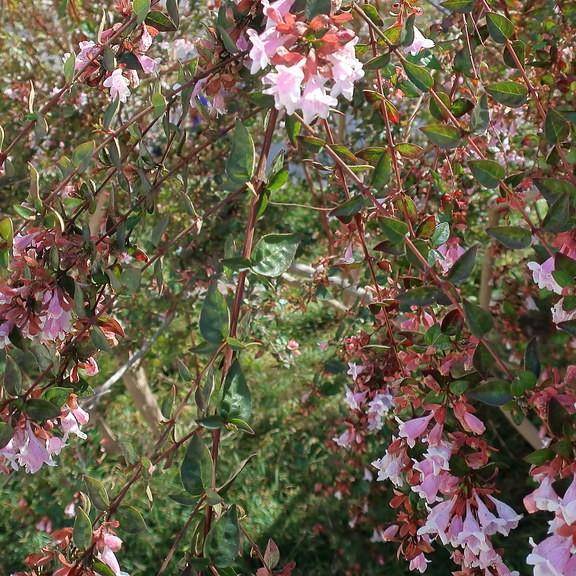
Edward Goucher Abelia
Abelia × grandiflora 'Edward Goucher'
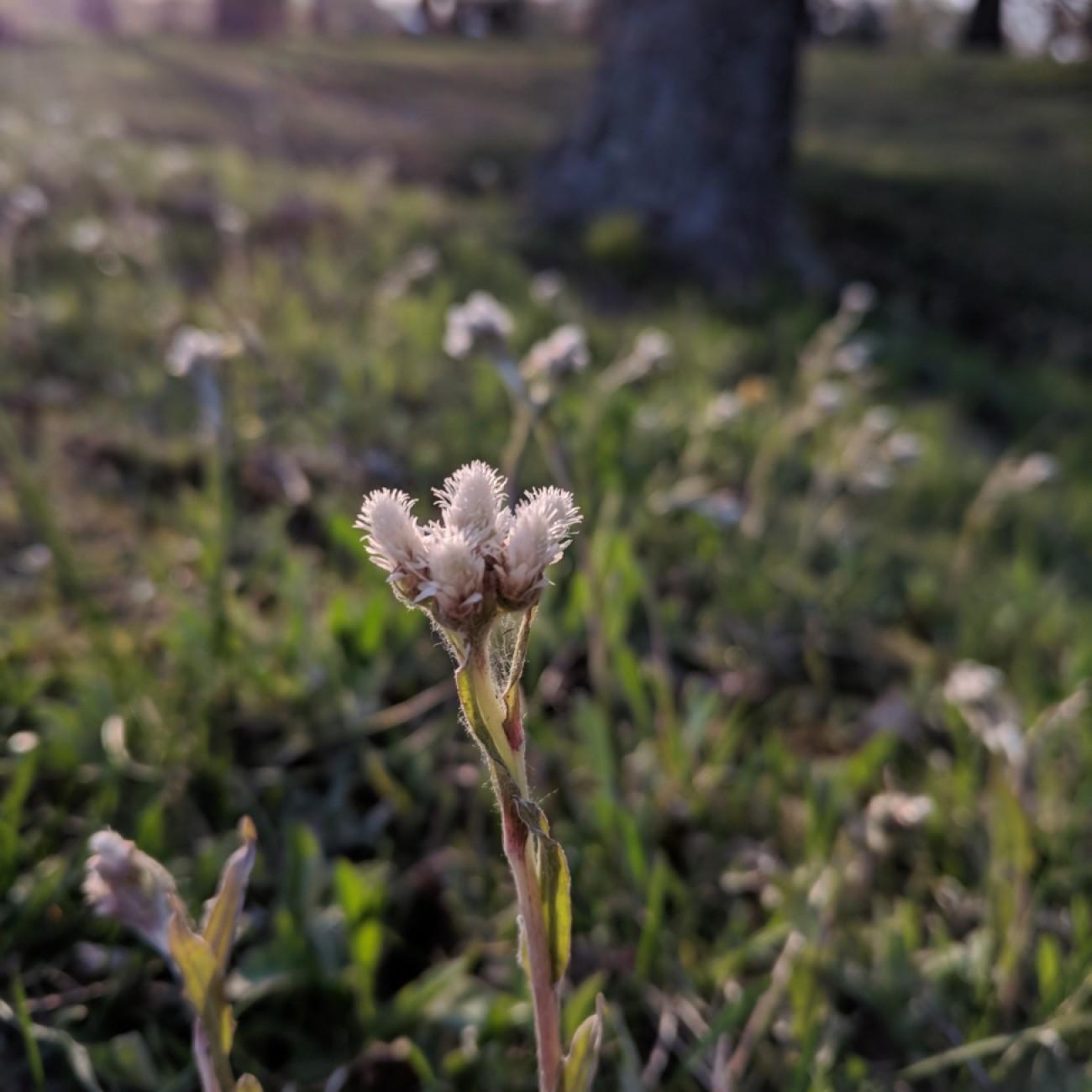
Howell's Pussytoes
Antennaria howellii
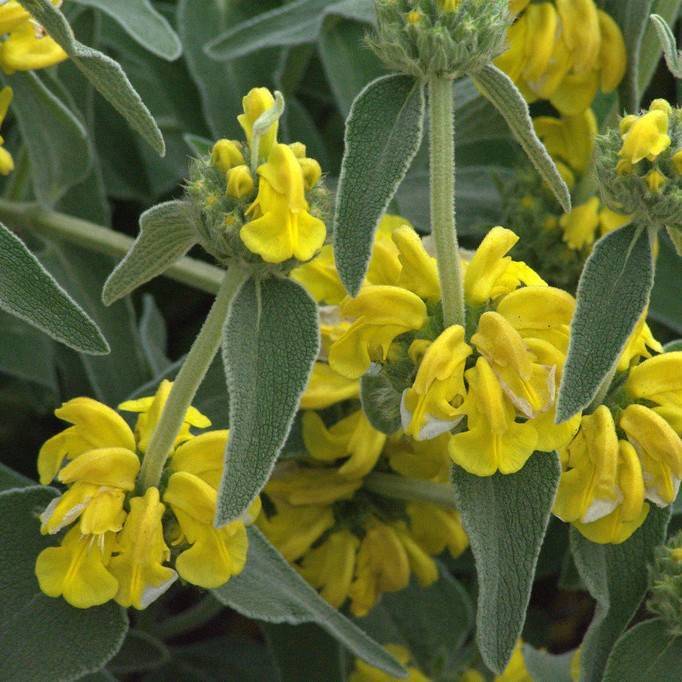
Jerusalem Sage
Phlomis fruticosa
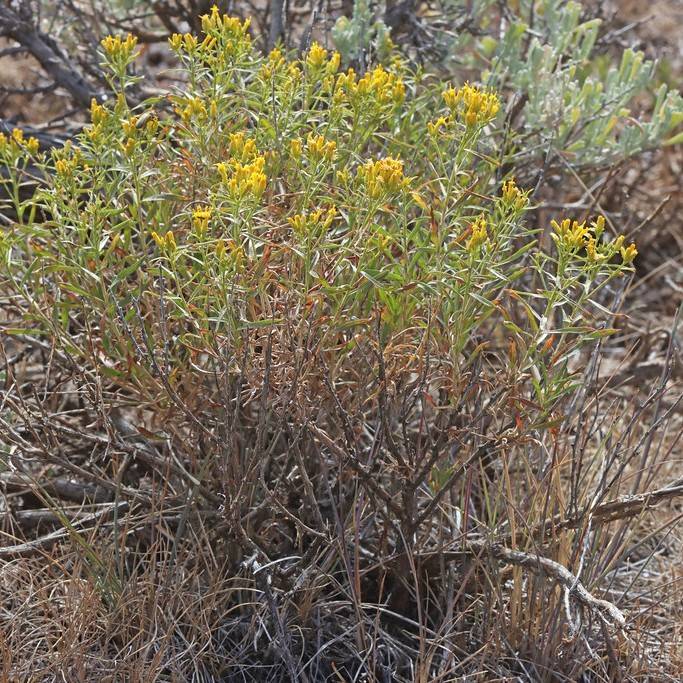
Greenleaf Rabbit Brush
Ericameria teretifolia
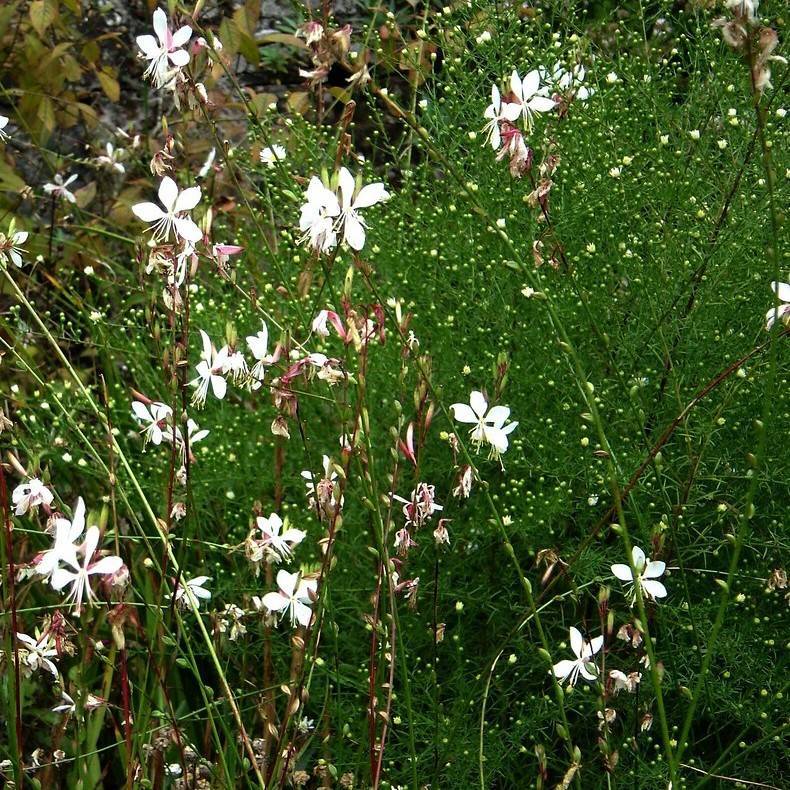
Gaura
Oenothera lindheimeri
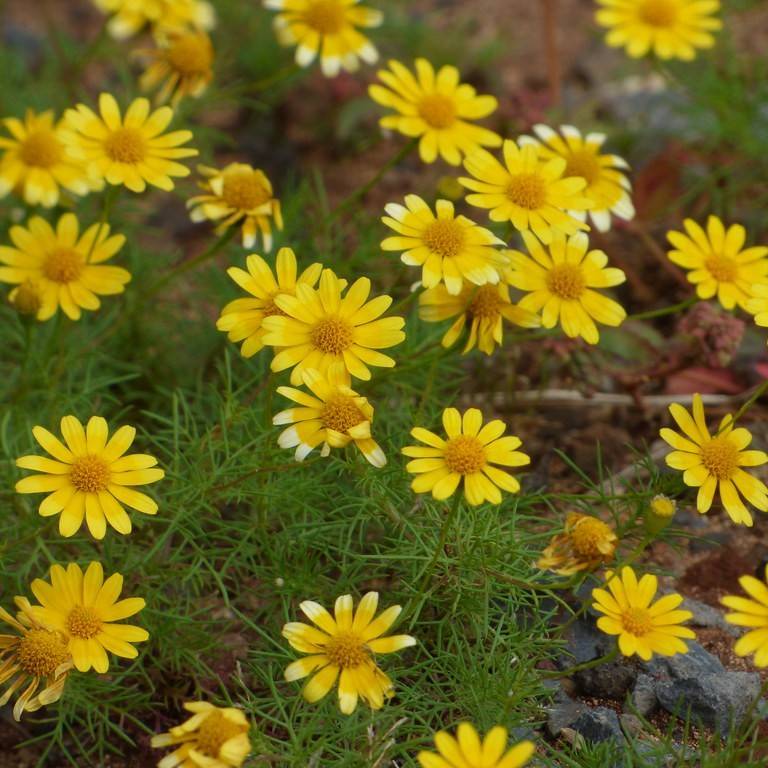
Dahlberg Daisy
Thymophylla tenuiloba