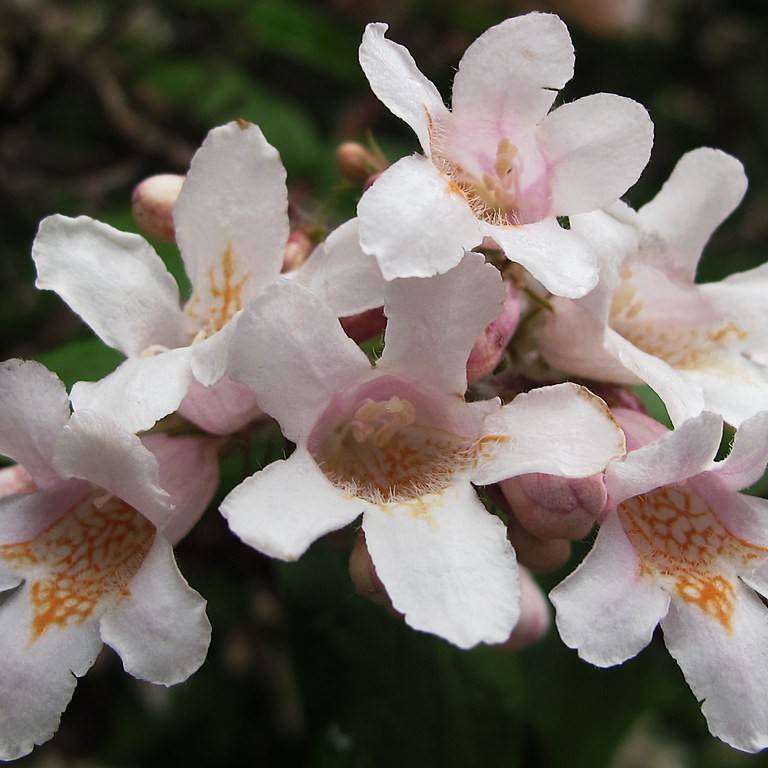
Beautybush
Kolkwitzia amabilis
Overview
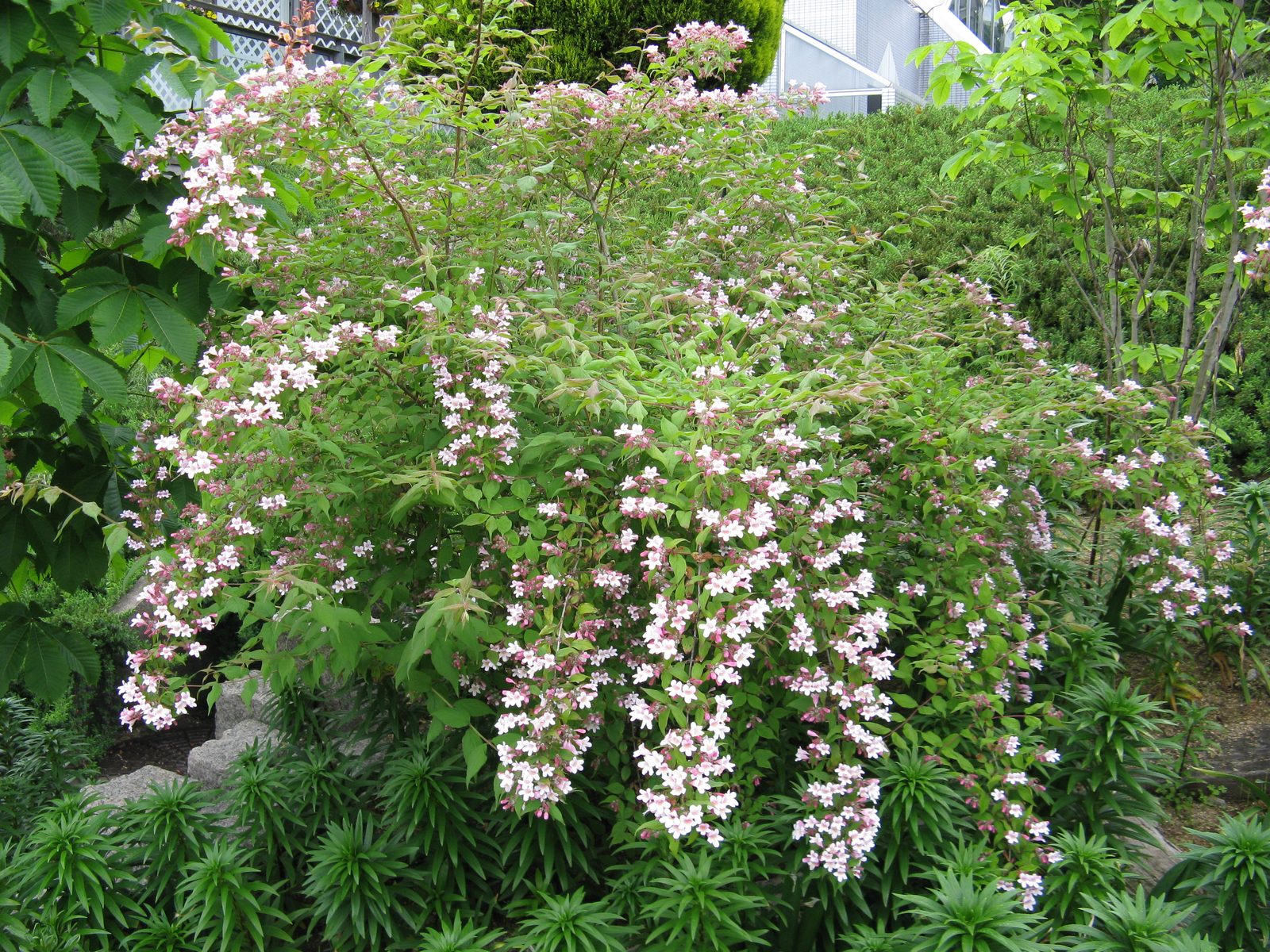
Beautybush is a vigorous deciduous shrub introduced to Western horticulture in the early 1900s, named for German botanist Richard Kolkwitz. Its spring bloom period produces masses of fragrant, pale pink flowers with yellow throats that cover the plant’s arching, fountain-like stems, followed by attractive peeling brown bark on mature specimens. The soft, ovate green foliage turns a muted yellow in fall, adding late-season interest to temperate landscape plantings.
Care Guide
Watering
Water newly planted beautybush regularly to keep the soil consistently moist but not waterlogged for the first two years, until its root system is fully established. Mature plants are drought-tolerant, requiring supplemental watering only during extended periods of high heat or less than 1 inch of rainfall per week. Avoid overwatering, as saturated soil can lead to root rot in this species.
Light
Beautybush thrives in full sun, which encourages the most abundant and vibrant flower production and a dense, well-branched growth habit. It can tolerate partial shade, though bloom volume will be reduced and stems may become leggy as the plant stretches toward available light. In regions with extremely hot, intense summer sun, light afternoon shade can prevent foliage scorch without impacting flowering significantly.
Soil
This adaptable shrub grows best in well-drained, loamy soils with a neutral to slightly alkaline pH, though it can tolerate a wide range of soil types including clay, sand, and chalky substrates. It does not perform well in constantly soggy, poorly drained soils, so amending heavy planting sites with compost or grit to improve drainage is recommended before installation. It is moderately tolerant of urban pollution, making it suitable for suburban and city landscape plantings.
Fertilizer
Feed beautybush once annually in early spring before new growth emerges, using a balanced, slow-release all-purpose shrub fertilizer to support healthy foliage and abundant bloom production. Avoid high-nitrogen fertilizers, as these can promote excessive leafy growth at the expense of flowers. Established, well-established plants may not require regular fertilization if grown in moderately fertile soil, only receiving nutrient amendments if growth appears stunted or foliage is pale.
Temperature
Beautybush is cold-hardy in USDA zones 4 through 9, tolerating winter temperatures as low as -30°F (-34°C) without significant damage. It can withstand summer temperatures up to 95°F (35°C), though prolonged extreme heat may cause temporary leaf wilt if the plant is not sufficiently watered. Late spring frosts can occasionally damage emerging flower buds, so planting in a site protected from harsh cold winds can reduce this risk.
Pruning
Prune beautybush immediately after its spring bloom period ends to avoid removing the following year’s flower buds, which form on old wood from the previous growing season. Remove up to one-third of the oldest, woodiest stems at ground level every 2 to 3 years to encourage new, vigorous growth and maintain an open, fountain-like shape. Regularly snip off spent flower clusters to improve the plant’s appearance, though this is not required for overall health.
Propagation
Beautybush is most commonly propagated through softwood cuttings taken in early summer, after the spring bloom period has concluded. Dip 4-6 inch cuttings of new, non-woody growth in rooting hormone, place them in a well-drained propagation medium, and keep them warm and moist until roots form, typically within 4 to 6 weeks. It can also be propagated from seed, though seeds require a 3-month cold stratification period to germinate, and seed-grown plants may not retain the exact characteristics of the parent cultivar.
Humidity
Beautybush adapts well to average ambient humidity levels in its hardiness zones, requiring no special humidity adjustments to thrive. It can tolerate both moderately dry and moderately humid conditions, though extended periods of very high humidity combined with poor air circulation may increase the risk of fungal foliage diseases. Ensure plants are spaced at least 6 feet apart from other shrubs to promote good air flow around the foliage.
Repotting
Beautybush is almost exclusively grown as an outdoor landscape plant and is not suitable for long-term container growth, as its large, spreading root system quickly outgrows even large pots. If temporarily held in a container before planting, repot only if roots are visibly escaping the drainage holes, using a standard well-drained potting mix, and transplant to a permanent landscape location as soon as possible. Young container-grown specimens should be planted out in early spring or fall to minimize transplant shock.
Uses & Symbolism
Beautybush is a popular choice for informal hedges, shrub borders, and foundation plantings, where its arching shape and abundant spring blooms provide prominent seasonal interest. Its tolerance for urban pollution makes it suitable for roadside plantings and city park landscapes, while its dense growth habit provides shelter for small birds and pollinators during the growing season. It can also be planted as a standalone specimen shrub to serve as a focal point in smaller temperate gardens.
Diseases & Pests
Beautybush is relatively pest and disease resistant, though it may occasionally be affected by aphids, which cluster on new growth and can be treated with insecticidal soap or a strong stream of water. Fungal diseases such as powdery mildew and leaf spot can occur in conditions of high humidity and poor air circulation, which can be prevented by proper spacing and pruning to open up the plant’s canopy to light and air. Root rot may occur if the plant is grown in poorly drained, constantly saturated soil, so proper site selection is key to preventing this fatal issue.
Related plants
Other plants you might like if you grow Beautybush.
%22%2F%3E%0A%20%20%20%20%20%20%3Ccircle%20cx%3D%22920%22%20cy%3D%22180%22%20r%3D%2290%22%20fill%3D%22%23cfe8d5%22%2F%3E%0A%20%20%20%20%20%20%3Cpath%20d%3D%22M600%20590c-90-180-215-255-310-280%200%20165%20118%20296%20270%20296h40z%22%20fill%3D%22%2379b88e%22%2F%3E%0A%20%20%20%20%20%20%3Cpath%20d%3D%22M600%20590c80-150%20198-212%20302-228-8%20142-123%20255-270%20255h-32z%22%20fill%3D%22%235c9f73%22%2F%3E%0A%20%20%20%20%20%20%3Cpath%20d%3D%22M600%20610V360%22%20stroke%3D%22%234f8c64%22%20stroke-width%3D%2218%22%20stroke-linecap%3D%22round%22%2F%3E%0A%20%20%20%20%20%20%3Ctext%20x%3D%22600%22%20y%3D%22700%22%20text-anchor%3D%22middle%22%20font-family%3D%22Arial%2C%20sans-serif%22%20font-size%3D%2244%22%20fill%3D%22%23365c45%22%3E%0A%20%20%20%20%20%20%20%20Plant%20image%20coming%20soon%0A%20%20%20%20%20%20%3C%2Ftext%3E%0A%20%20%20%20%3C%2Fsvg%3E%0A%20%20)