Chinese Neillia
Neillia sinensis
Overview
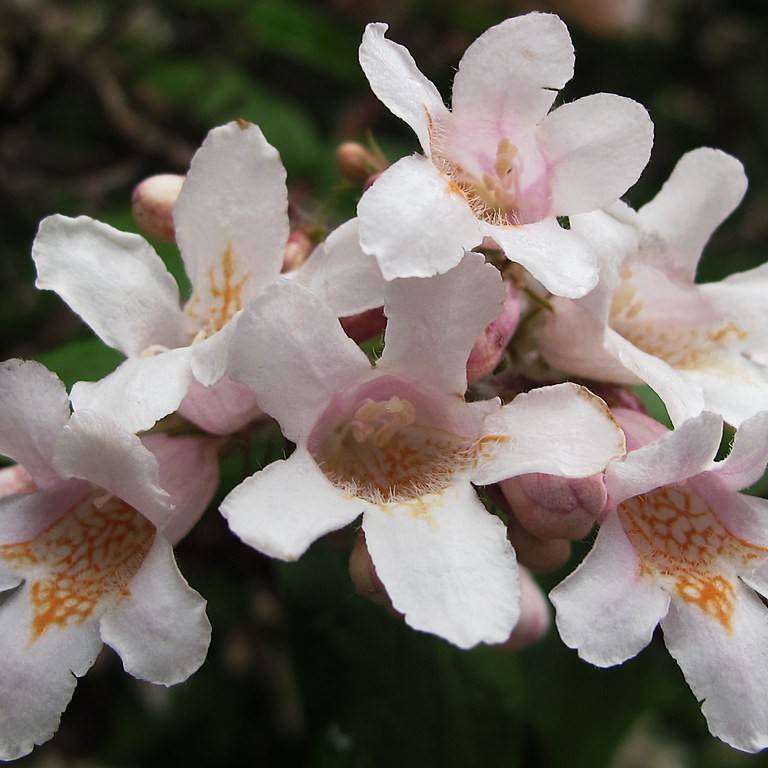
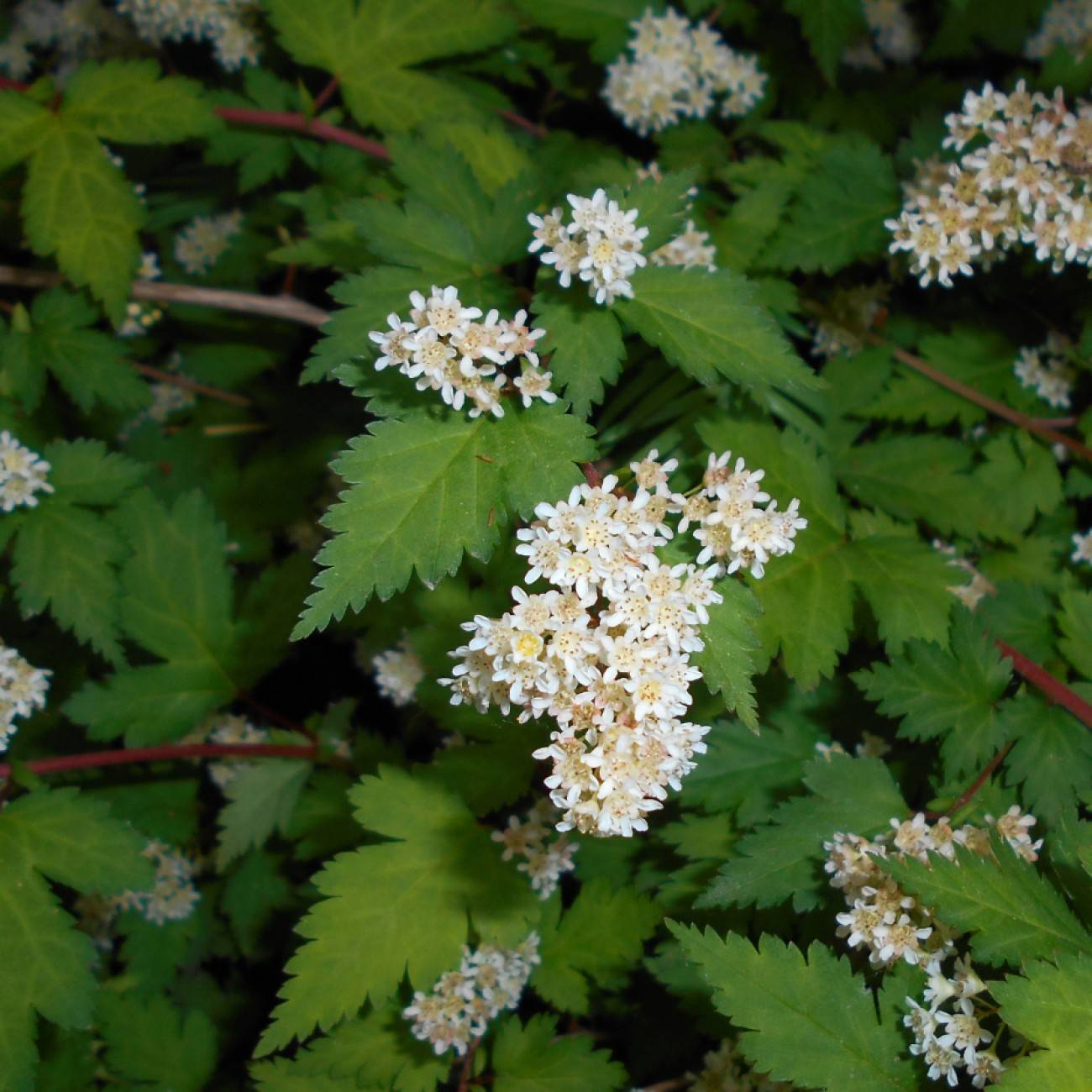
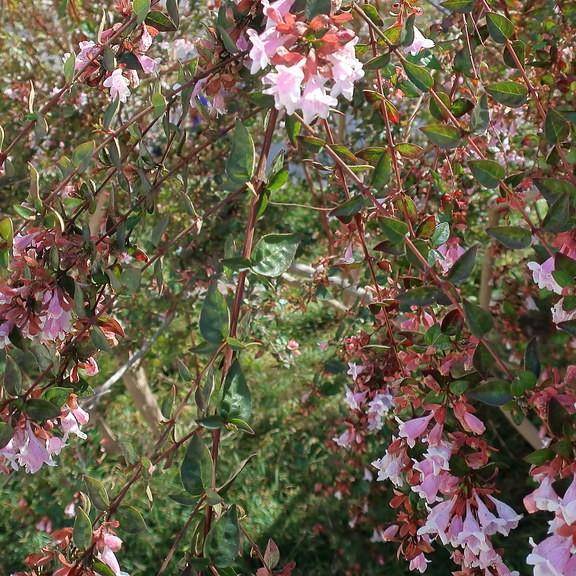
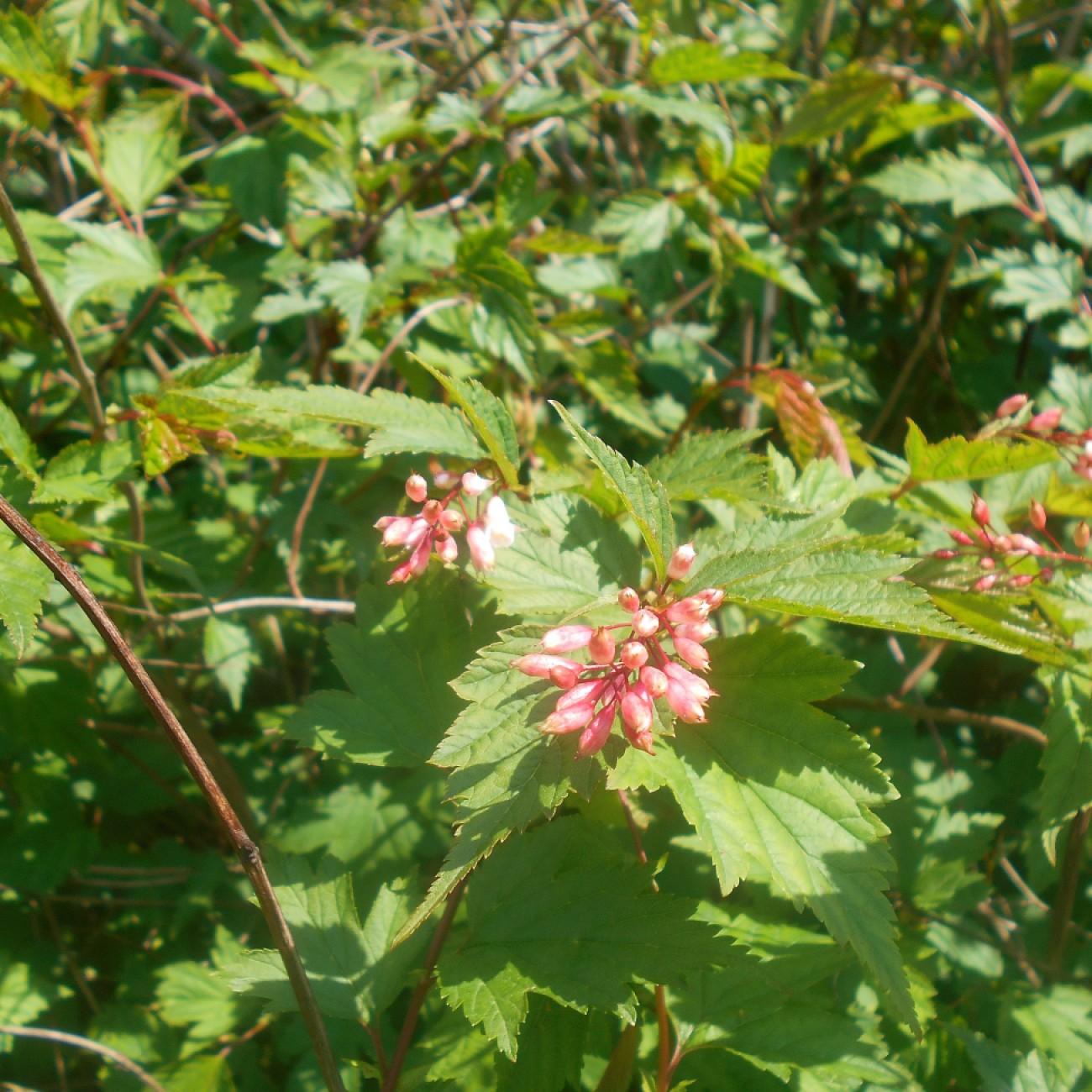
Chinese Neillia is a deciduous shrub with slender, arching stems that form a rounded, mounded habit as it matures. In late spring to early summer, it produces clusters of small, bell-shaped pale pink flowers that line the length of its stems, creating a soft, cascading floral display. Its oval, serrated green leaves turn subtle shades of yellow in autumn before dropping for the winter, adding mild seasonal interest to landscapes. It is a relatively underused landscape shrub valued for its low-maintenance nature and ability to thrive in partially shaded sites where many flowering shrubs struggle.
Care Guide
Watering
Chinese Neillia prefers consistently moist, well-drained soil, and should be watered deeply whenever the top 2 to 3 inches of soil feel dry to the touch, especially during periods of prolonged summer heat or drought. Once established, it has moderate drought tolerance, though supplemental watering will support lusher growth and more abundant flowering. Avoid overwatering or allowing the plant to sit in standing water, as this can lead to root rot.
Light
This shrub grows best in partial shade, where it receives 3 to 6 hours of direct sunlight per day, ideally with protection from intense midday sun in warmer climates to prevent leaf scorch. It can also tolerate full sun in cooler regions if provided with consistent moisture, and will survive in full shade, though flowering will be significantly reduced. Dappled sunlight under tall tree canopies is an ideal light setting for optimal growth and bloom production.
Soil
Chinese Neillia adapts to a wide range of soil types, including sandy, loam, and clay soils, as long as the site offers good drainage. It thrives in slightly acidic to neutral soil with a pH between 5.5 and 7.0, and benefits from soil amended with organic matter such as compost or well-rotted leaf mold to improve moisture retention and nutrient content. It will not perform well in waterlogged, heavy clay soils that remain saturated for extended periods.
Fertilizer
Feed Chinese Neillia once per year in early spring, just before new growth emerges, using a balanced, slow-release all-purpose shrub fertilizer applied according to package instructions. Alternatively, top-dress the root zone with a 2-inch layer of compost or well-rotted manure each spring, which will gradually release nutrients into the soil as it breaks down, eliminating the need for synthetic fertilizers in most cases. Avoid fertilizing after mid-summer, as this can encourage tender new growth that is vulnerable to damage from early fall frosts.
Temperature
Chinese Neillia is cold hardy in USDA zones 5 through 8, tolerating winter minimum temperatures as low as -20°F (-29°C) without significant damage. It prefers mild summer temperatures between 60°F and 80°F (15°C to 27°C), and may require extra watering and shade during extended heatwaves above 90°F (32°C) to prevent leaf wilting and scorch. Late spring frosts can occasionally damage new growth, but the shrub will typically regrow quickly from undamaged stems.
Pruning
Prune Chinese Neillia immediately after flowering finishes in early summer, as it produces blooms on the previous year's growth, so pruning later in the season will remove developing flower buds for the next year. Remove any dead, diseased, or crossing stems first to improve air circulation through the center of the shrub, then trim back up to one-third of the oldest stems to the ground to encourage vigorous new growth and maintain a compact, tidy shape. Every 3 to 4 years, perform a rejuvenation pruning by cutting all stems back to 6 inches above the ground in late winter to refresh the entire shrub, which will result in reduced flowering for one season before returning to full bloom the following year.
Propagation
Chinese Neillia is most easily propagated by softwood cuttings taken in early summer, when new growth is still tender but has begun to harden slightly; cut 4 to 6 inch stem tips, remove the lower leaves, dip the cut end in rooting hormone, and plant in a moist, well-drained propagation medium, keeping it consistently humid until roots form in 4 to 6 weeks. It can also be propagated by division in early spring before new growth emerges, by digging up the entire root ball and separating it into smaller sections, each with several healthy stems and a portion of the root system, then replanting immediately. Seed propagation is possible but less common, as seeds require 3 months of cold stratification to germinate, and seedlings may not retain the exact characteristics of the parent plant.
Humidity
Chinese Neillia adapts well to average ambient humidity levels between 40% and 60%, which are typical of its native mountainous woodland habitats in China. It does not require extra humidity in most garden settings, though it will benefit from occasional misting during periods of extremely low humidity in arid climates. Good air circulation around the foliage is important to prevent fungal diseases, especially in areas with high summer humidity.
Repotting
Chinese Neillia is primarily grown in landscape settings rather than containers, but if grown in a large pot, it should be repotted every 2 to 3 years in early spring before new growth begins. Choose a pot that is 2 to 3 inches larger in diameter than the current one, with ample drainage holes, and use a high-quality, well-draining potting mix amended with compost to provide nutrients. After repotting, water thoroughly and place the shrub in a partially shaded location for a week to allow it to acclimate to its new container before returning it to its regular growing spot.
Uses & Symbolism
Chinese Neillia is widely used in landscape plantings as a specimen shrub, in mixed shrub borders, or as an informal hedge, where its arching habit and soft pink blooms add delicate textural interest. It is well-suited for woodland gardens and shaded edge plantings, as it tolerates partial shade better than many flowering shrubs, providing color in sites with limited sun. Its dense, branching habit also provides shelter and nesting sites for small birds and beneficial pollinators, making it a valuable addition to wildlife-friendly gardens.
Diseases & Pests
Chinese Neillia is relatively pest and disease resistant, though it can occasionally be affected by fungal leaf spots and powdery mildew in conditions of high humidity and poor air circulation, which can be prevented by spacing plants appropriately and avoiding overhead watering. Aphids and spider mites may infest new growth, especially during dry, warm periods, and can be controlled with regular sprays of insecticidal soap or neem oil, or by introducing natural predators such as ladybugs. Root rot can occur in poorly drained, waterlogged soils, so ensuring proper site drainage is the best prevention for this potentially fatal issue.
Related plants
Other plants you might like if you grow Chinese Neillia.