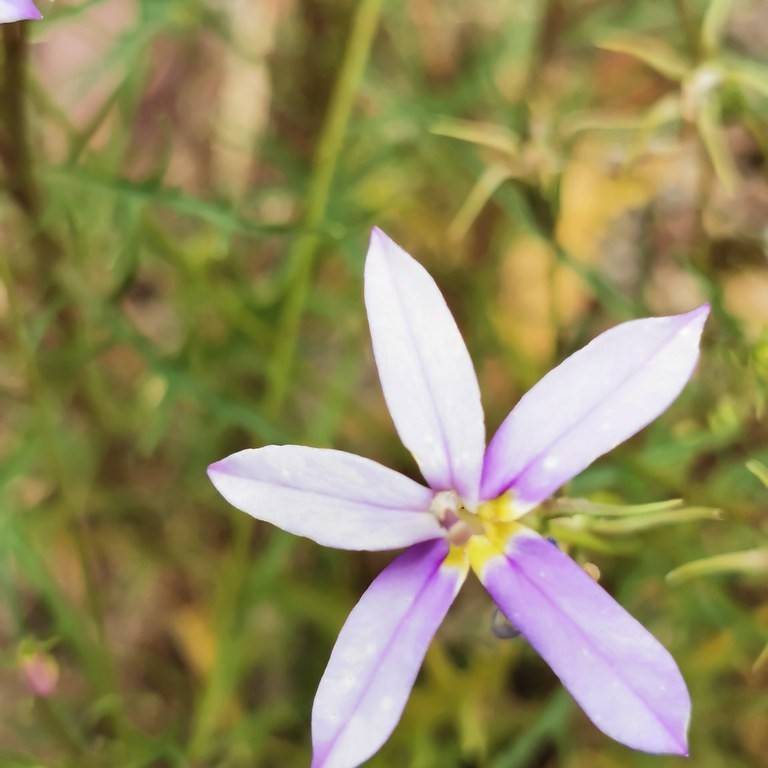
Laurentia
Isotoma axillaris
Overview
Laurentia, also called star flower or rock isotoma, is a compact, mounding to trailing plant prized for its profusion of five-petaled, star-shaped flowers that bloom continuously from late spring through fall. Though it is a short-lived perennial in its native warm, frost-free Australian habitat, it is most commonly grown as an annual in regions with cold winter temperatures. Its spreading growth habit makes it ideal for filling gaps in rock gardens, spilling over container edges, or serving as a colorful ground cover in sunny landscape beds.
Care Guide
Watering
Laurentia prefers consistently moist, well-drained soil and should be watered when the top 1 inch of soil feels dry to the touch. Avoid overwatering or allowing the plant to sit in standing water, as this can quickly lead to root rot, especially in cool, shaded conditions. During periods of extended heat or drought, increase watering frequency to prevent wilting and keep blooms producing steadily.
Light
This plant thrives in full sun to partial shade, requiring a minimum of 4-6 hours of direct sunlight daily to produce abundant blooms. In regions with extremely hot, intense summer sun, provide light afternoon shade to prevent leaf scorch and extend the flowering period. Insufficient light will lead to leggy growth and reduced flower production.
Soil
Laurentia grows best in fertile, loamy, well-drained soil with a slightly acidic to neutral pH range of 6.0 to 7.0. Heavy clay soils should be amended with compost or peat moss to improve drainage before planting, as waterlogged soil will kill the plant quickly. For container-grown specimens, use a high-quality, lightweight potting mix with added perlite or vermiculite to enhance drainage.
Fertilizer
Feed laurentia with a balanced, water-soluble 10-10-10 fertilizer diluted to half strength every 2-3 weeks during the active growing and flowering season. Avoid over-fertilizing, as this can promote excessive leaf growth at the expense of blooms and lead to weak, leggy stems. If grown as a perennial in warm climates, apply a slow-release granular fertilizer in early spring to support new growth.
Temperature
Laurentia performs best in moderate temperatures between 60-80°F (15-27°C) and will tolerate light, brief frosts down to 25°F (-4°C) if grown as a perennial. In regions with colder winters, it is typically grown as an annual, as sustained freezing temperatures will kill the plant completely. High heat above 90°F (32°C) may cause temporary wilting, but plants will recover once temperatures cool if soil moisture is adequate.
Pruning
Pinch back young laurentia plants early in the growing season to encourage bushier, more compact growth and increased branching for more flower sites. Deadhead spent blooms regularly throughout the flowering period to promote continuous blooming and prevent the plant from expending energy on seed production. If plants become leggy or unkempt by mid-summer, cut them back by one-third to stimulate fresh new growth and a second flush of blooms.
Propagation
Laurentia is most commonly propagated from seed, which should be sown indoors 8-10 weeks before the last expected frost date, as seeds require light to germinate and take 14-21 days to sprout. It can also be propagated from softwood stem cuttings taken in late spring or early summer, rooted in moist potting mix under high humidity. For perennial plants, division can be done in early spring before new growth begins, though this method is less common for commercially grown specimens.
Humidity
Laurentia adapts well to average ambient humidity levels between 40-60%, which is typical of most temperate garden and indoor environments. It does not require extra humidity in most outdoor settings, though extremely dry, arid conditions may cause leaf tip browning if soil moisture is insufficient. When grown indoors as a houseplant, avoid placing it near heating or cooling vents that produce dry, circulating air.
Repotting
Container-grown laurentia typically only needs repotting if it outgrows its current container, which is rare when grown as an annual for a single season. If grown as a perennial houseplant or in a frost-free climate, repot in early spring before new growth begins, moving it to a container one size larger with fresh, well-drained potting mix. Always use a container with drainage holes to prevent water buildup around the root system.
Uses & Symbolism
Laurentia is most widely used as an ornamental bedding plant in landscape gardens, where its compact spreading habit and long bloom time make it perfect for edging walkways, filling rock garden crevices, or serving as a colorful ground cover under taller shrubs. It is also a popular choice for container gardens, hanging baskets, and window boxes, as its trailing stems spill beautifully over the edges of planters to create a cascading display of blooms. In its native Australia, some Indigenous groups historically used small, carefully prepared doses of the plant for medicinal purposes, though its toxicity makes unsupervised use extremely dangerous.
Diseases & Pests
Laurentia is relatively pest-resistant, but it can be susceptible to aphids, spider mites, and whiteflies, which typically infest plants grown in overly hot, dry conditions or with poor air circulation. Fungal diseases such as root rot, powdery mildew, and botrytis blight are common if plants are overwatered, grown in poorly drained soil, or placed in excessively shaded, humid conditions with poor air flow. To prevent most issues, ensure proper spacing between plants for air circulation, water at the base rather than overhead, and avoid letting soil stay saturated for extended periods.
Related plants
Other plants you might like if you grow Laurentia.
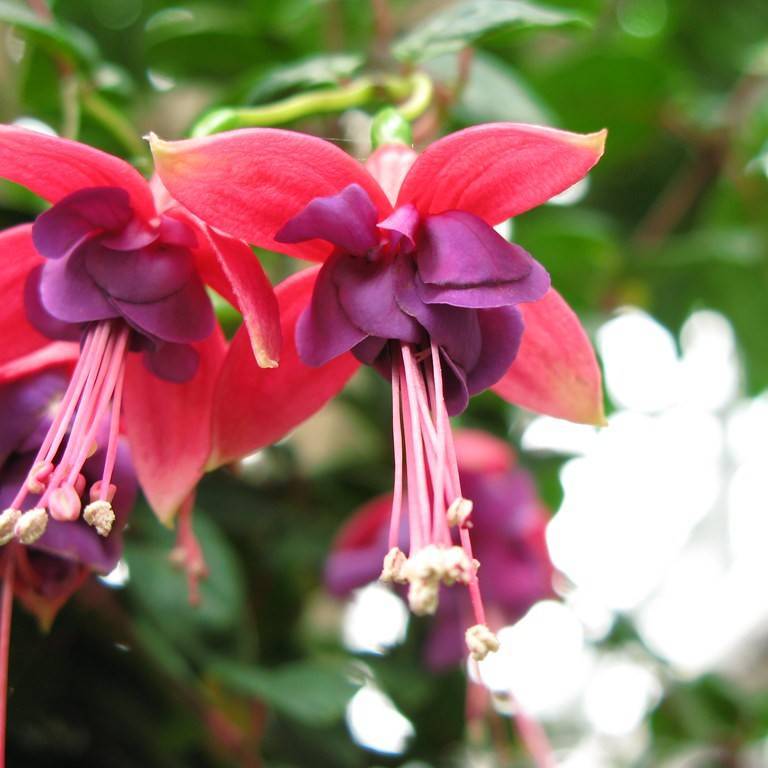
Lady's Eardrops
Fuchsia triphylla 'Gartenmeister Bonstedt'
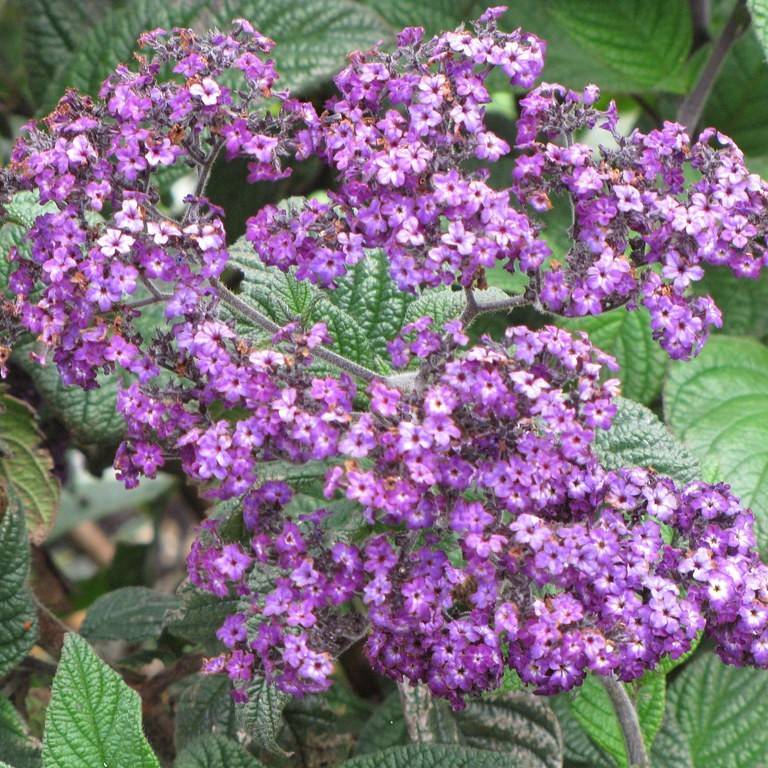
Heliotrope
Heliotropium arborescens
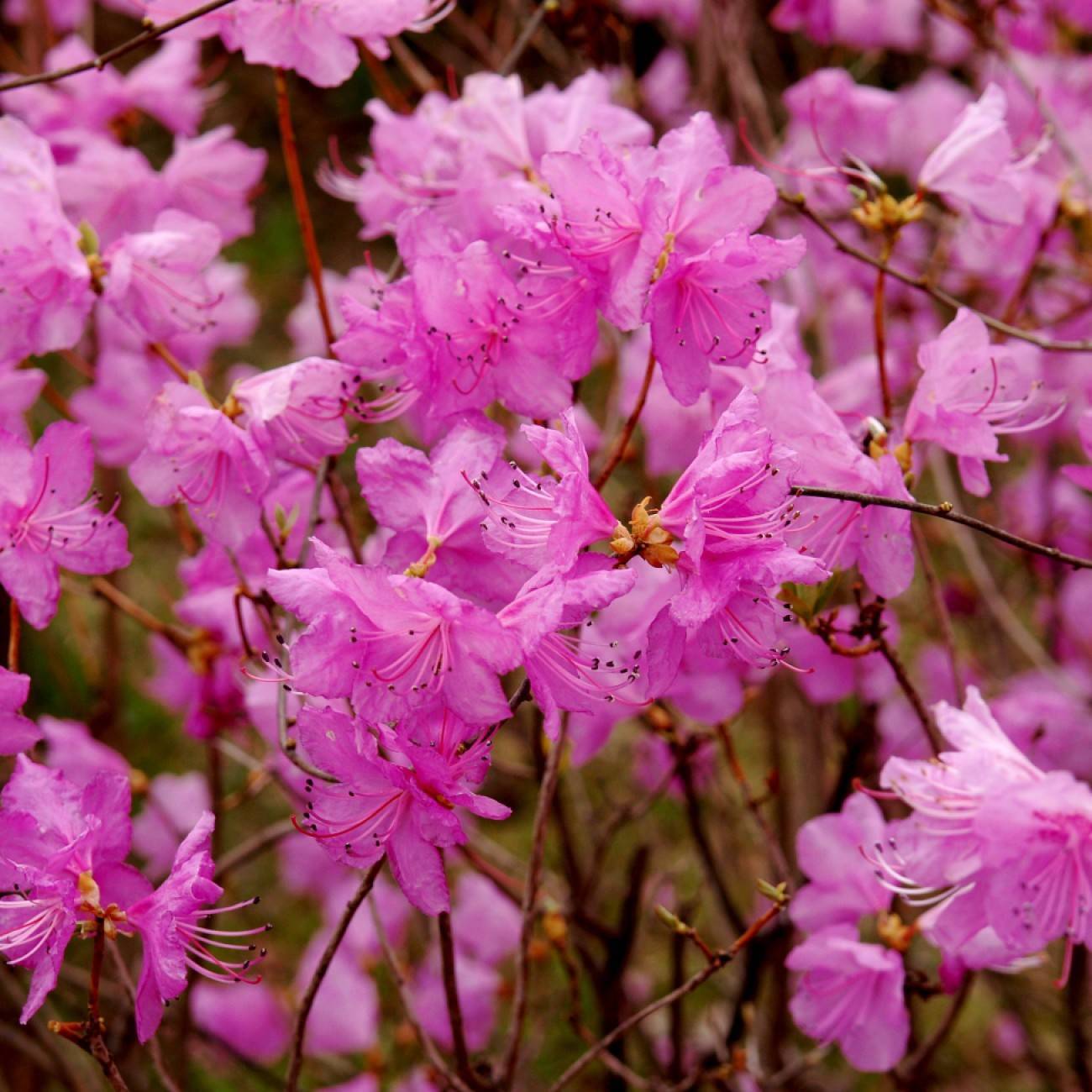
Korean Rhododendron
Rhododendron mucronulatum
%22%2F%3E%0A%20%20%20%20%20%20%3Ccircle%20cx%3D%22920%22%20cy%3D%22180%22%20r%3D%2290%22%20fill%3D%22%23cfe8d5%22%2F%3E%0A%20%20%20%20%20%20%3Cpath%20d%3D%22M600%20590c-90-180-215-255-310-280%200%20165%20118%20296%20270%20296h40z%22%20fill%3D%22%2379b88e%22%2F%3E%0A%20%20%20%20%20%20%3Cpath%20d%3D%22M600%20590c80-150%20198-212%20302-228-8%20142-123%20255-270%20255h-32z%22%20fill%3D%22%235c9f73%22%2F%3E%0A%20%20%20%20%20%20%3Cpath%20d%3D%22M600%20610V360%22%20stroke%3D%22%234f8c64%22%20stroke-width%3D%2218%22%20stroke-linecap%3D%22round%22%2F%3E%0A%20%20%20%20%20%20%3Ctext%20x%3D%22600%22%20y%3D%22700%22%20text-anchor%3D%22middle%22%20font-family%3D%22Arial%2C%20sans-serif%22%20font-size%3D%2244%22%20fill%3D%22%23365c45%22%3E%0A%20%20%20%20%20%20%20%20Plant%20image%20coming%20soon%0A%20%20%20%20%20%20%3C%2Ftext%3E%0A%20%20%20%20%3C%2Fsvg%3E%0A%20%20)
Dahurian Rhododendron
Rhododendron dahuricum
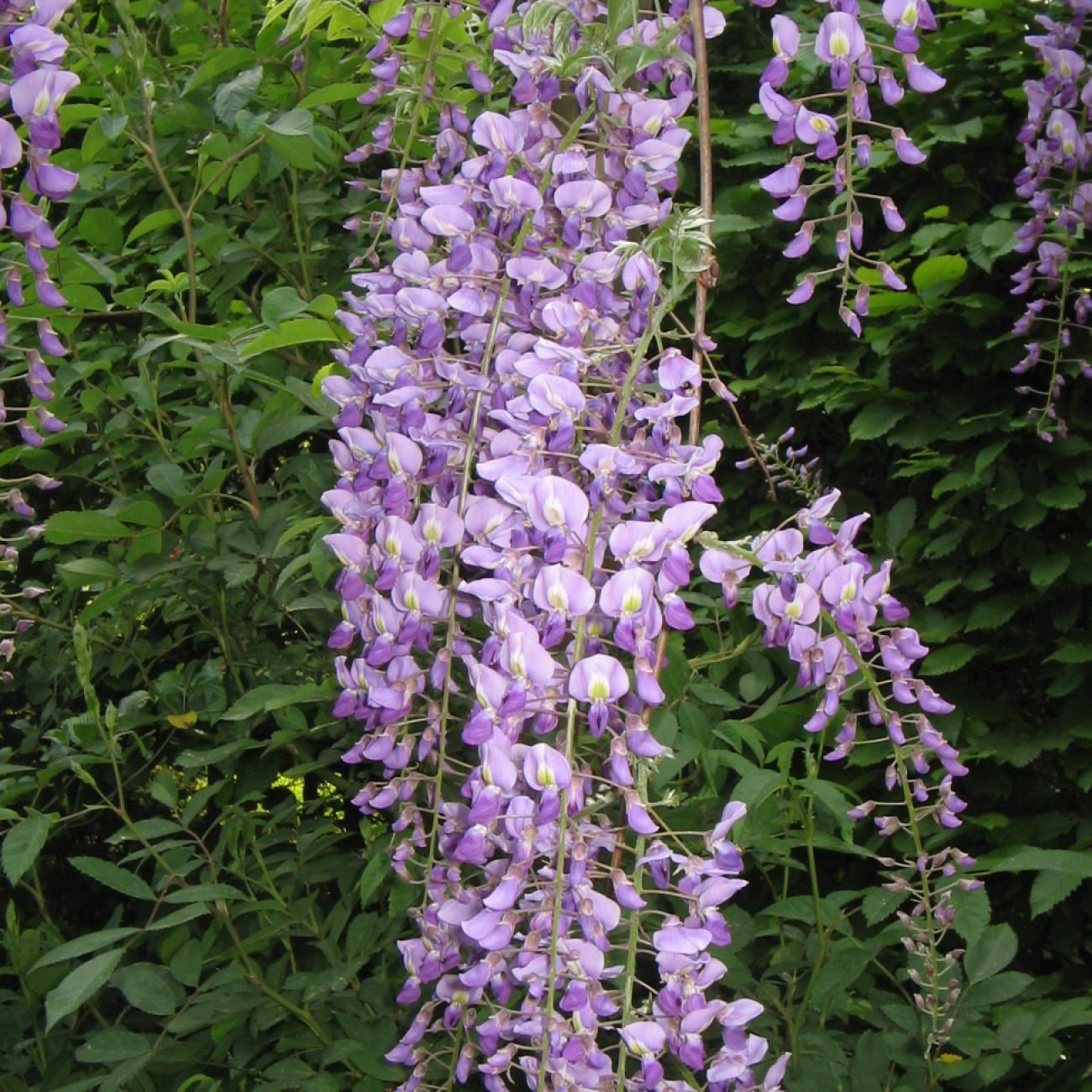
Japanese Wisteria
Wisteria floribunda
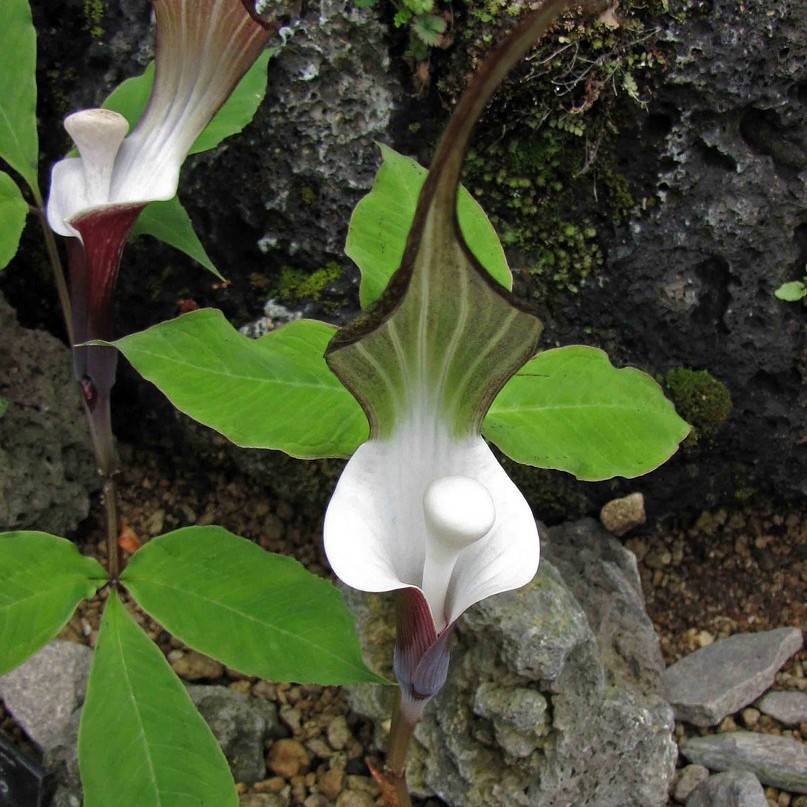
Japanese Jack In The Pulpit
Arisaema sikokianum
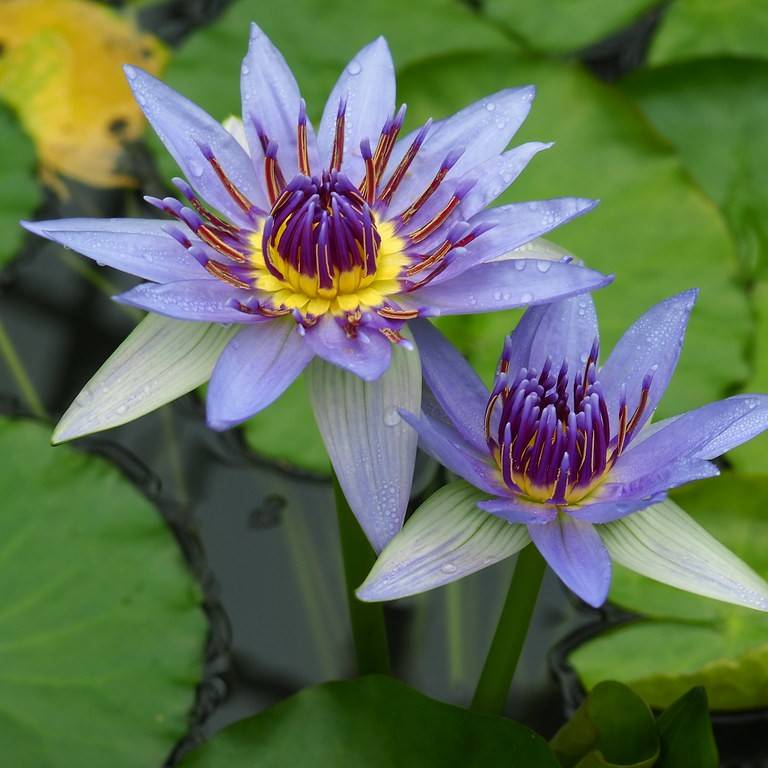
Egyptian Blue Water Lily
Nymphaea caerulea
Grandiflora Rose
Rosa 'Grandiflora' group