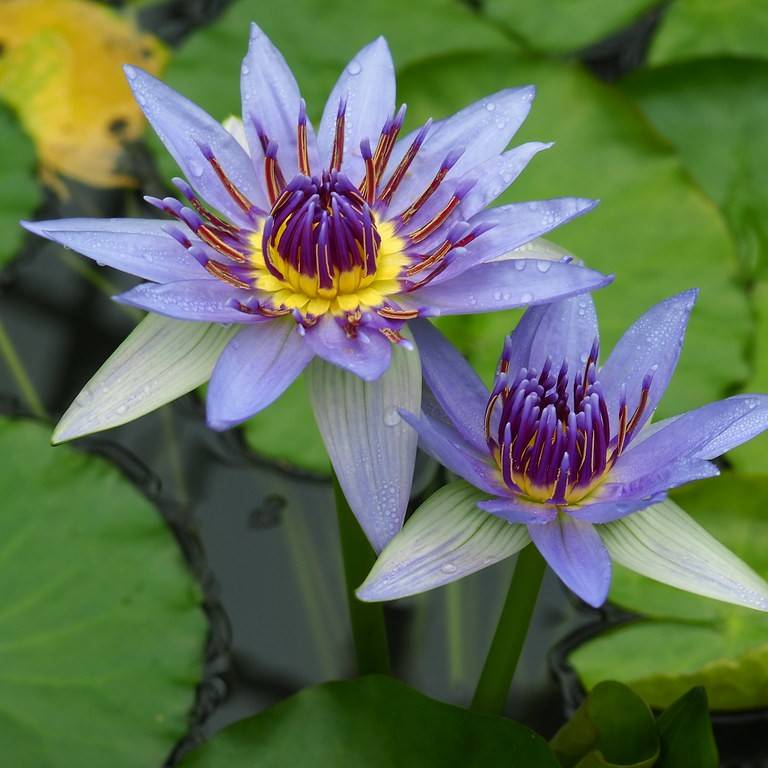
Egyptian Blue Water Lily
Nymphaea caerulea
Overview
The Egyptian Blue Water Lily is an aquatic flowering plant that grows rooted in the muddy sediment of shallow, slow-moving freshwater bodies such as ponds, lakes, and river edges. Its striking cup-shaped blue flowers, which open at dawn and close at dusk, were heavily featured in ancient Egyptian art, mythology, and religious ceremonies, often associated with rebirth and the sun god Ra. Today, it is cultivated globally as an ornamental water garden plant for its vivid blooms and sweet, subtle fragrance.
Care Guide
Watering
As an aquatic plant, it requires consistent submersion in 1-3 feet of calm, clean freshwater; avoid turbulent, fast-flowing water that can damage foliage or dislodge rhizomes. Maintain stable water levels throughout the growing season, topping off as needed to compensate for evaporation, and ensure water is free of harsh chemicals like chlorine that can harm delicate plant tissue.
Light
Thrives in full, direct sunlight, requiring a minimum of 6 hours of unobstructed sun per day to produce abundant blooms. It can tolerate partial shade, but reduced light will lead to fewer flowers, weaker growth, and increased susceptibility to fungal diseases.
Soil
Grows best when rooted in heavy, loamy, nutrient-rich aquatic soil or clay-based sediment with a neutral to slightly acidic pH of 6.0-7.5. Avoid light, porous potting mixes that will float away when submerged; top planting containers with a layer of gravel or small stones to hold soil in place and prevent fish from disturbing rhizomes.
Fertilizer
Feed with slow-release aquatic plant fertilizer tabs formulated for water lilies every 4-6 weeks during the active spring and summer growing season. Insert tabs directly into the soil near the rhizome to avoid leaching excess nutrients into the water, which can trigger algal blooms that harm water quality and compete with the lily for resources.
Temperature
Prefers warm water temperatures between 70-85°F (21-29°C) during the growing season, and will enter dormancy if water drops below 60°F (15°C) for extended periods. In temperate climates, lift rhizomes before the first frost, store them in damp sand in a cool, dark location above freezing over winter, and replant once water temperatures rise consistently above 70°F in spring.
Pruning
Remove spent, wilted flowers and yellowing, damaged leaves regularly by cutting stems close to the rhizome to encourage new growth and prevent decaying plant matter from fouling the water. At the end of the growing season, cut back all above-water foliage to 1-2 inches above the rhizome before moving plants to winter storage or allowing them to go dormant in warmer regions.
Propagation
Most commonly propagated by dividing mature rhizomes in early spring just before the start of the growing season, cutting sections with at least one healthy growing eye and replanting each division in its own aquatic container. It can also be grown from seed, though seeds require warm, shallow water and full sun to germinate, and seed-grown plants will take 2-3 years to reach flowering maturity.
Humidity
Adaptable to the ambient humidity levels typical of outdoor water garden environments, as its submerged growth habit eliminates the need for high atmospheric humidity. If grown in an indoor aquarium or water feature, average household humidity of 40-60% is sufficient, with no additional misting required.
Repotting
Divide and repot rhizomes every 2-3 years in early spring to prevent overcrowding, which can reduce flowering and weaken plant health. Use a wide, shallow aquatic planting container to accommodate the spreading rhizome growth habit, and avoid deep pots that restrict horizontal root development.
Uses & Symbolism
Widely cultivated as an ornamental plant in outdoor water gardens and decorative ponds for its striking blue blooms and cultural historic significance. It has a long history of traditional use in ancient Egyptian ritual and medicinal practices, and is still used in some regions for its mild psychoactive properties in teas, tinctures, and ceremonial preparations. Extracts from the flowers are also used in cosmetics and aromatherapy products for their delicate, sweet fragrance.
Diseases & Pests
Common aquatic pests include water lily aphids, leaf-mining midges, and snails, which feed on foliage and can cause discoloration, holes, or premature leaf drop if populations are left unmanaged. Fungal diseases such as leaf spot and crown rot can occur in stagnant, nutrient-poor water or low-light conditions, causing brown lesions on leaves and rotting of rhizomes if not addressed by improving water circulation and reducing excess organic matter in the water.
Related plants
Other plants you might like if you grow Egyptian Blue Water Lily.
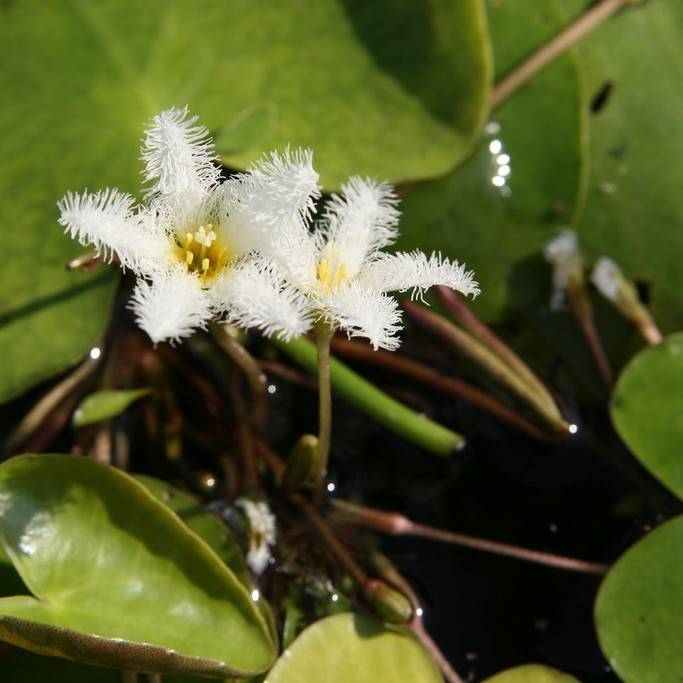
Crested Floatingheart
Nymphoides cristata
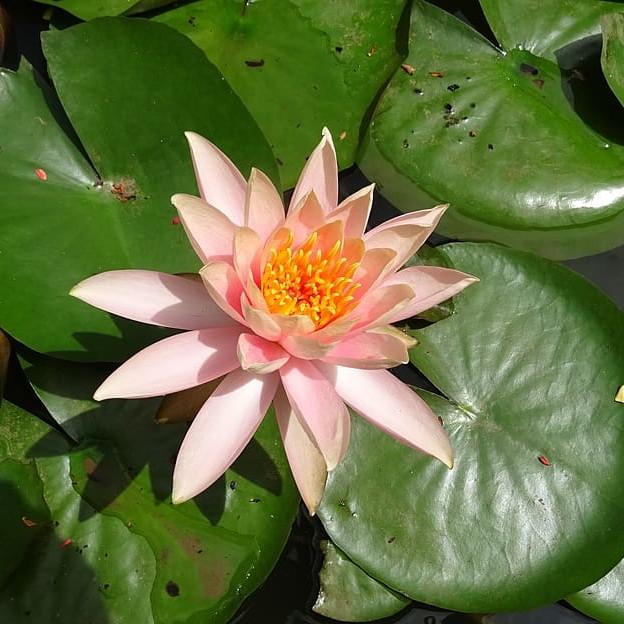
Hardy Water Lily
Nymphaea spp. (hardy cultivars)
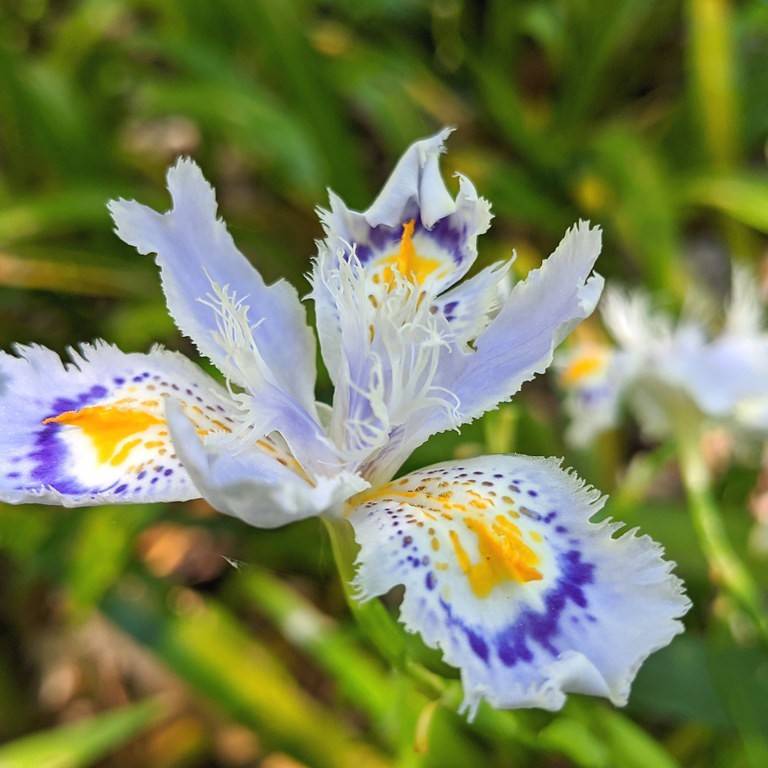
Japanese Iris
Iris ensata
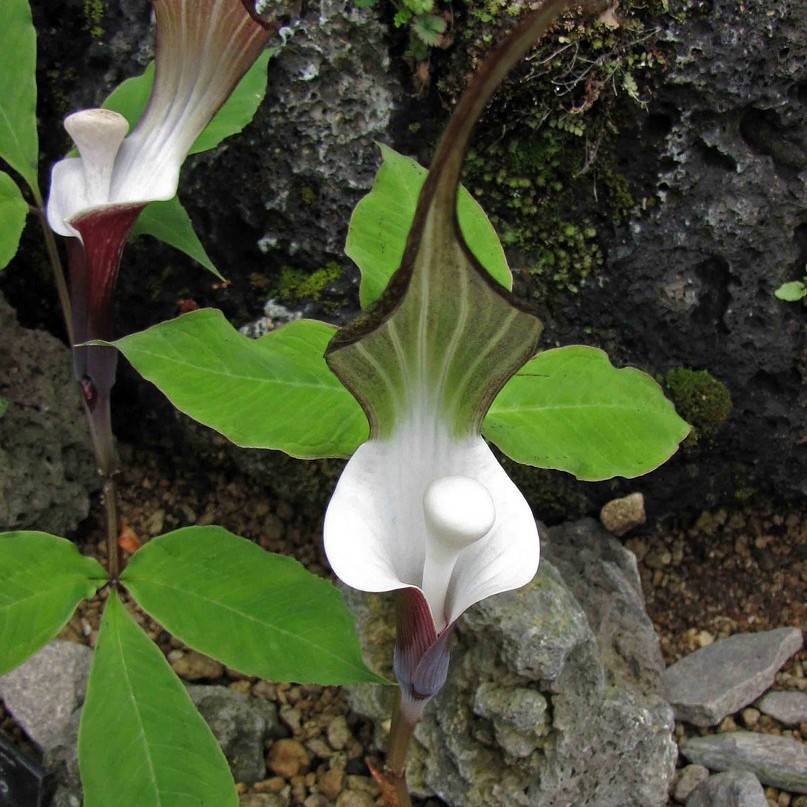
Japanese Jack In The Pulpit
Arisaema sikokianum
%22%2F%3E%0A%20%20%20%20%20%20%3Ccircle%20cx%3D%22920%22%20cy%3D%22180%22%20r%3D%2290%22%20fill%3D%22%23cfe8d5%22%2F%3E%0A%20%20%20%20%20%20%3Cpath%20d%3D%22M600%20590c-90-180-215-255-310-280%200%20165%20118%20296%20270%20296h40z%22%20fill%3D%22%2379b88e%22%2F%3E%0A%20%20%20%20%20%20%3Cpath%20d%3D%22M600%20590c80-150%20198-212%20302-228-8%20142-123%20255-270%20255h-32z%22%20fill%3D%22%235c9f73%22%2F%3E%0A%20%20%20%20%20%20%3Cpath%20d%3D%22M600%20610V360%22%20stroke%3D%22%234f8c64%22%20stroke-width%3D%2218%22%20stroke-linecap%3D%22round%22%2F%3E%0A%20%20%20%20%20%20%3Ctext%20x%3D%22600%22%20y%3D%22700%22%20text-anchor%3D%22middle%22%20font-family%3D%22Arial%2C%20sans-serif%22%20font-size%3D%2244%22%20fill%3D%22%23365c45%22%3E%0A%20%20%20%20%20%20%20%20Plant%20image%20coming%20soon%0A%20%20%20%20%20%20%3C%2Ftext%3E%0A%20%20%20%20%3C%2Fsvg%3E%0A%20%20)
Grandiflora Rose
Rosa 'Grandiflora' group
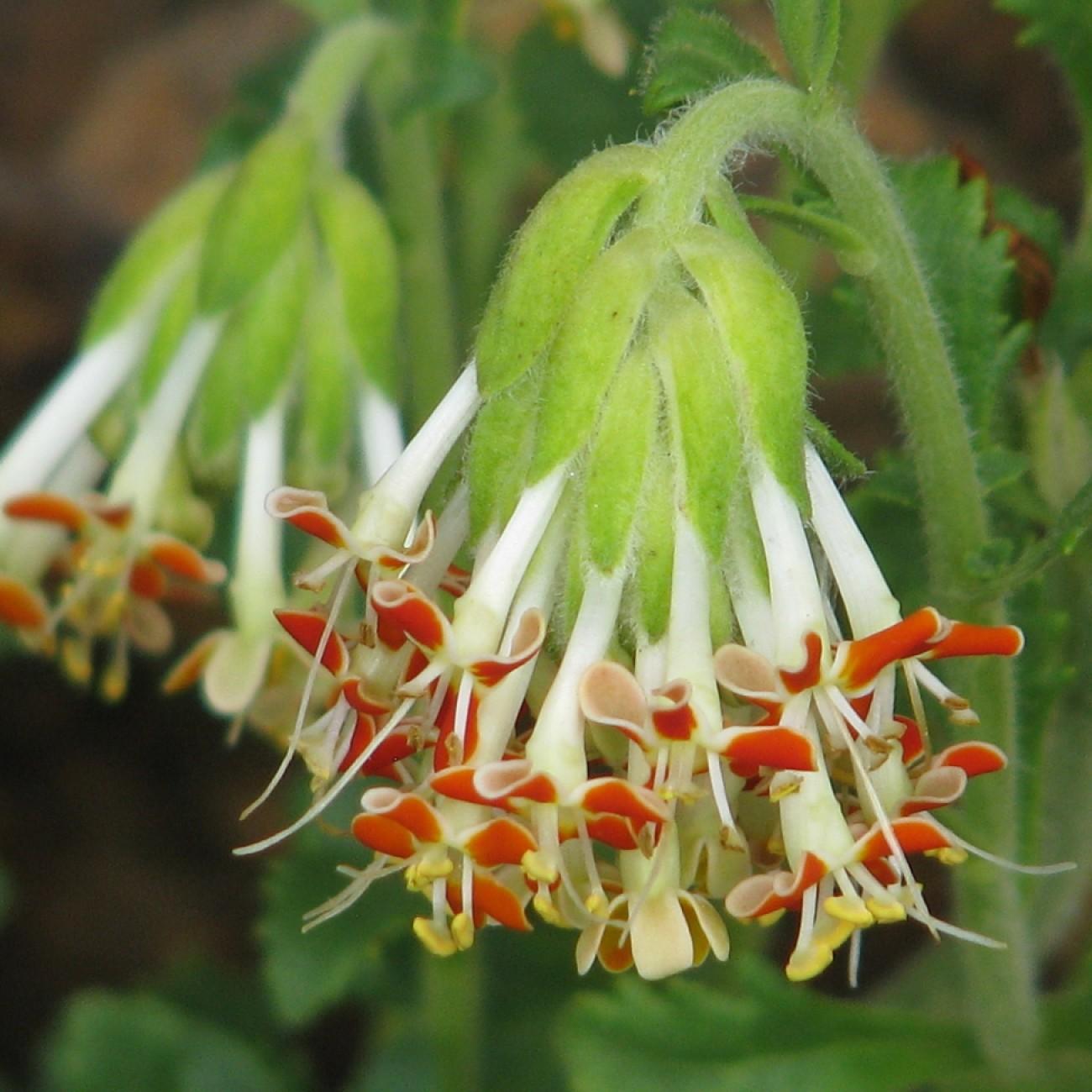
Glumicalyx
Glumicalyx spp.
Large Flowered Climbing Rose
Rosa 'Large Flowered Climbing' (hybrid group)
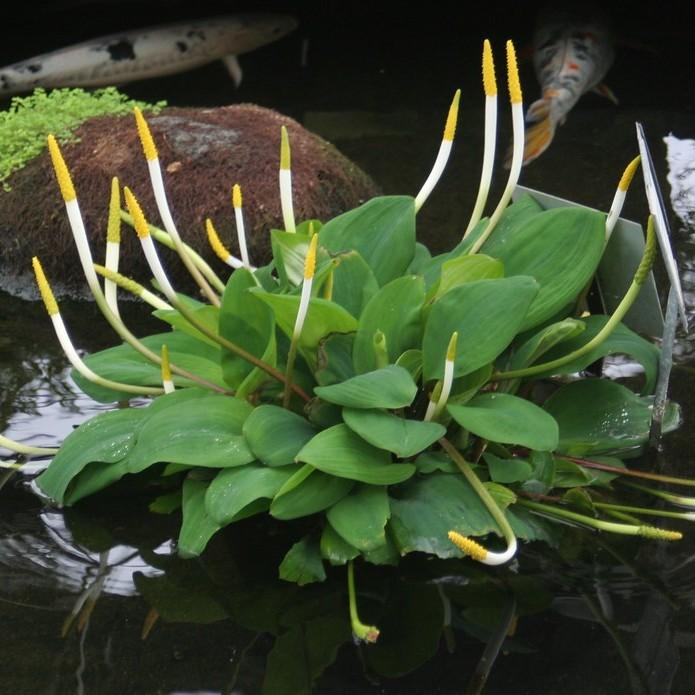
Golden Club
Orontium aquaticum