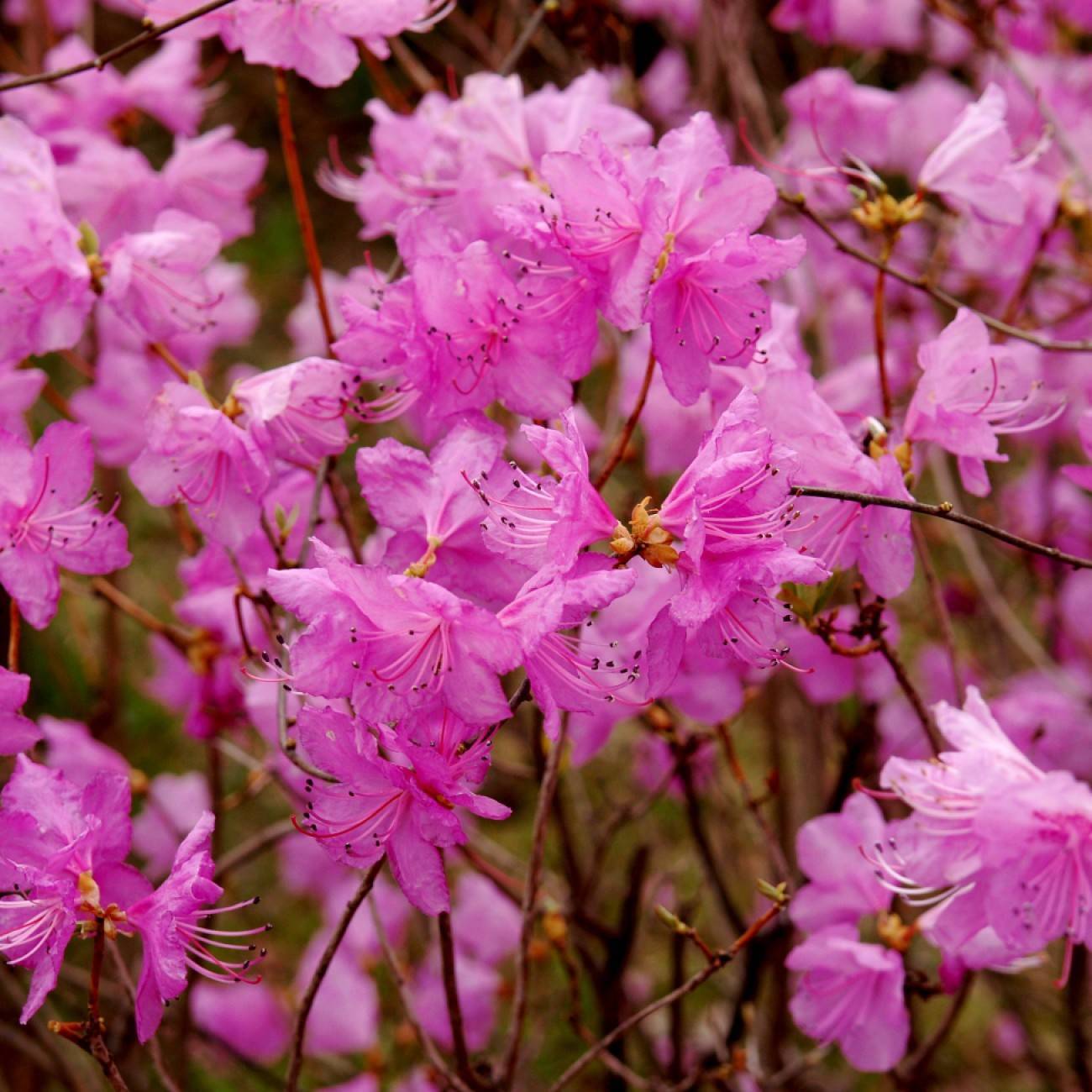
Korean Rhododendron
Rhododendron mucronulatum
Overview
Korean Rhododendron is a deciduous shrub celebrated for its profuse, early spring blooms that appear before its lance-shaped, glossy green leaves unfurl. Adapted to cool temperate climates, it is prized in ornamental landscaping for its compact, rounded growth habit and exceptional cold tolerance, surviving temperatures as low as -25°F (-32°C). In autumn, its foliage turns attractive shades of yellow, orange, and reddish-purple, extending its seasonal interest.
Care Guide
Watering
Keep soil consistently moist but never waterlogged, as Korean Rhododendron has shallow, fine roots that are prone to rot in saturated conditions. Water deeply during extended dry periods, and reduce watering frequency in winter when the plant is dormant. Avoid using hard, alkaline water, as it can raise soil pH and inhibit nutrient uptake.
Light
Thrives in partial shade, particularly in areas with dappled morning sun and protection from harsh, hot afternoon sun that can scorch leaves and dry out flower buds. It can tolerate full sun in cooler, northern climates as long as soil moisture is consistently maintained. Too much deep shade will reduce bloom production and lead to leggy growth.
Soil
Requires well-draining, acidic soil with a pH between 4.5 and 6.0, rich in organic matter such as peat moss, pine bark, or leaf mold. Heavy clay soils should be amended heavily with organic material to improve drainage and lower pH before planting. Avoid planting in low-lying areas where water accumulates, as this will quickly cause root rot.
Fertilizer
Feed with a slow-release, acidic fertilizer formulated for rhododendrons or azaleas in early spring, right before new growth begins, and again lightly after flowering finishes. Do not fertilize after mid-summer, as this can stimulate tender new growth that will be damaged by early fall frosts. Avoid over-fertilizing, as excessive nutrients can burn the plant’s shallow root system.
Temperature
Prefers cool temperate climates, with ideal growing temperatures between 50-75°F (10-24°C) during the growing season. It is exceptionally cold hardy, surviving winter temperatures down to -25°F (-32°C), though late spring frosts can damage emerging flower buds. Provide a layer of winter mulch around the root zone to insulate roots and prevent frost heave in cold regions.
Pruning
Prune immediately after flowering finishes in spring, before next year’s flower buds begin to form in late summer, to avoid reducing the following year’s bloom display. Remove dead, damaged, or diseased branches at any time, and thin out crowded inner growth to improve air circulation and light penetration. Avoid heavy pruning, as this shrub blooms on old wood and may take several years to recover and flower after severe cutting back.
Propagation
Most commonly propagated from semi-hardwood cuttings taken in mid to late summer, treated with rooting hormone, and placed in a moist, acidic rooting medium under high humidity. It can also be grown from seed, though seed-grown plants will take 3-5 years to reach flowering maturity and may not retain the exact characteristics of the parent plant. Grafting onto hardy rhododendron rootstock is sometimes used for commercial production to improve vigor in poor soil conditions.
Humidity
Prefers moderate to high humidity levels between 50-70%, typical of its native forest understory habitats. In dry, low-humidity environments, occasional misting or placing a tray of water near the plant can help raise ambient humidity, though this is rarely necessary for outdoor-grown specimens. Ensure good air circulation around the plant to prevent fungal leaf spots in high-humidity conditions.
Repotting
If grown in containers, repot every 2-3 years in early spring before new growth emerges, using a high-quality acidic potting mix designed for ericaceous plants. Choose a pot that is only 1-2 inches larger in diameter than the current pot, as overly large pots can hold excess moisture and lead to root rot. Gently loosen the outer root ball when repotting to encourage new root growth into the fresh soil.
Uses & Symbolism
Widely used as a ornamental specimen shrub in temperate landscape gardens, foundation plantings, and mixed shrub borders, valued for its early spring color and cold hardiness. It is also frequently planted in woodland gardens and naturalized areas, where it thrives alongside other acid-loving understory plants. In its native Korea, its flowers are sometimes pickled and used in small amounts in traditional cuisine, though only after processing to remove toxic grayanotoxins.
Diseases & Pests
Common pests include aphids, spider mites, lace bugs, and root weevils, which can damage foliage, sap plant vigor, and in severe cases, defoliate the shrub. Fungal diseases such as powdery mildew, leaf spot, and root rot are prevalent in poorly drained soil or overly humid, poorly ventilated conditions. Chlorosis, or yellowing of leaves, is a common issue caused by alkaline soil that prevents the plant from absorbing iron and other essential nutrients.
Related plants
Other plants you might like if you grow Korean Rhododendron.
%22%2F%3E%0A%20%20%20%20%20%20%3Ccircle%20cx%3D%22920%22%20cy%3D%22180%22%20r%3D%2290%22%20fill%3D%22%23cfe8d5%22%2F%3E%0A%20%20%20%20%20%20%3Cpath%20d%3D%22M600%20590c-90-180-215-255-310-280%200%20165%20118%20296%20270%20296h40z%22%20fill%3D%22%2379b88e%22%2F%3E%0A%20%20%20%20%20%20%3Cpath%20d%3D%22M600%20590c80-150%20198-212%20302-228-8%20142-123%20255-270%20255h-32z%22%20fill%3D%22%235c9f73%22%2F%3E%0A%20%20%20%20%20%20%3Cpath%20d%3D%22M600%20610V360%22%20stroke%3D%22%234f8c64%22%20stroke-width%3D%2218%22%20stroke-linecap%3D%22round%22%2F%3E%0A%20%20%20%20%20%20%3Ctext%20x%3D%22600%22%20y%3D%22700%22%20text-anchor%3D%22middle%22%20font-family%3D%22Arial%2C%20sans-serif%22%20font-size%3D%2244%22%20fill%3D%22%23365c45%22%3E%0A%20%20%20%20%20%20%20%20Plant%20image%20coming%20soon%0A%20%20%20%20%20%20%3C%2Ftext%3E%0A%20%20%20%20%3C%2Fsvg%3E%0A%20%20)
Deciduous Azalea
Rhododendron spp. (subgenus Pentanthera)
Dahurian Rhododendron
Rhododendron dahuricum
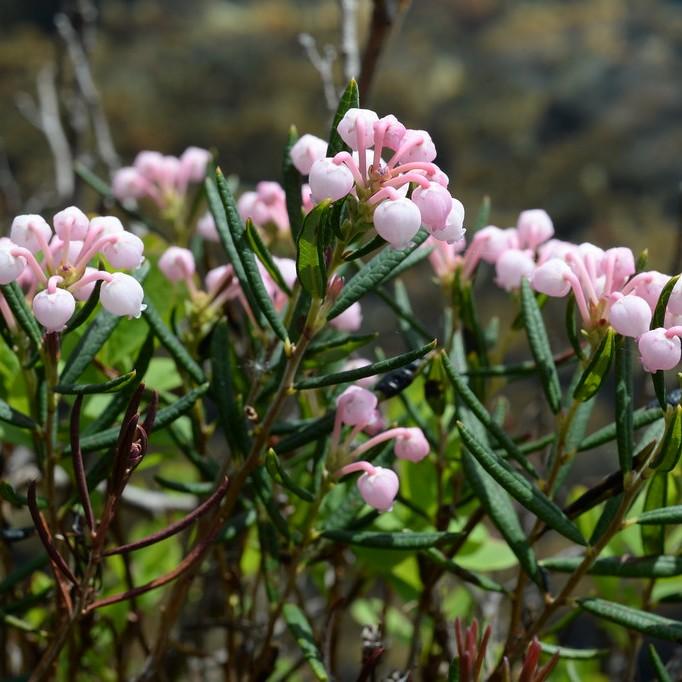
Bog Rosemary
Andromeda polifolia
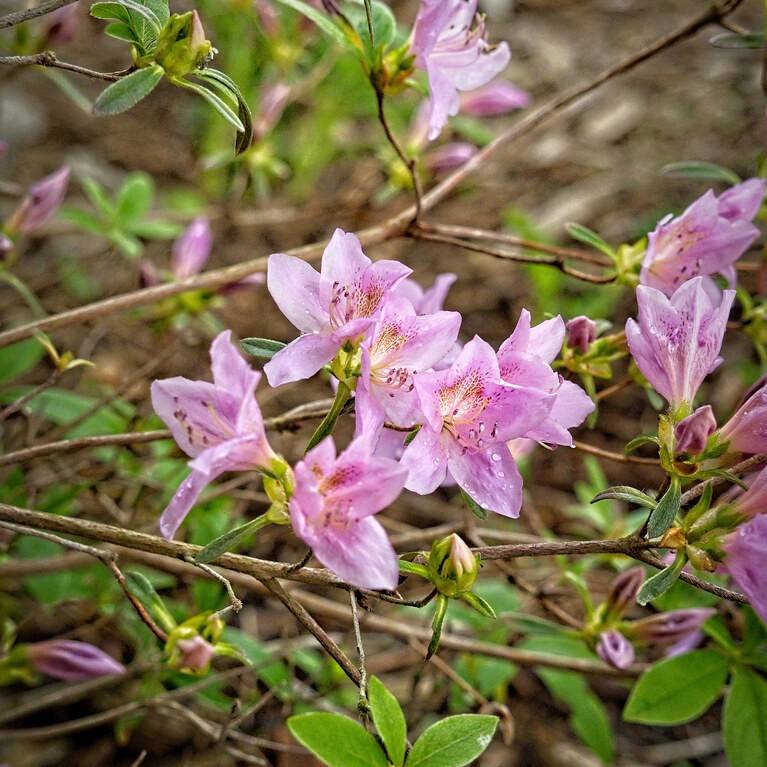
Korean Azalea
Rhododendron yedoense var. poukhanense
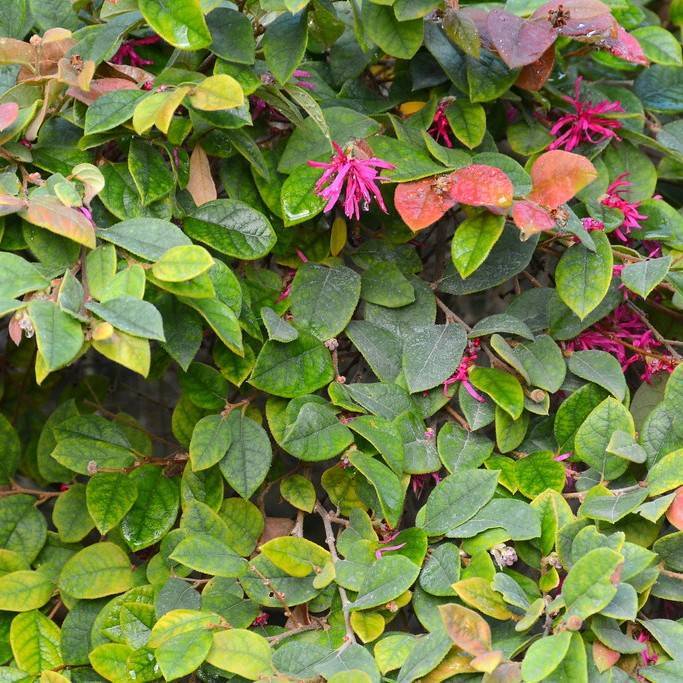
Chinese Fringe Flower
Loropetalum chinense
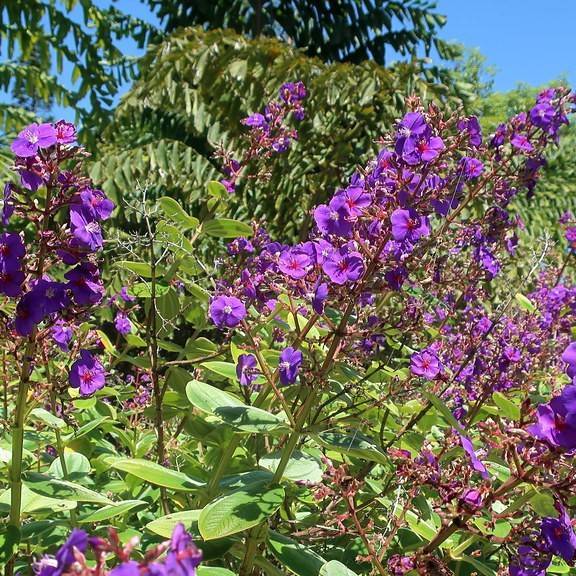
Glory Bush
Tibouchina urvilleana
French Lace
Hydrangea macrophylla 'French Lace'
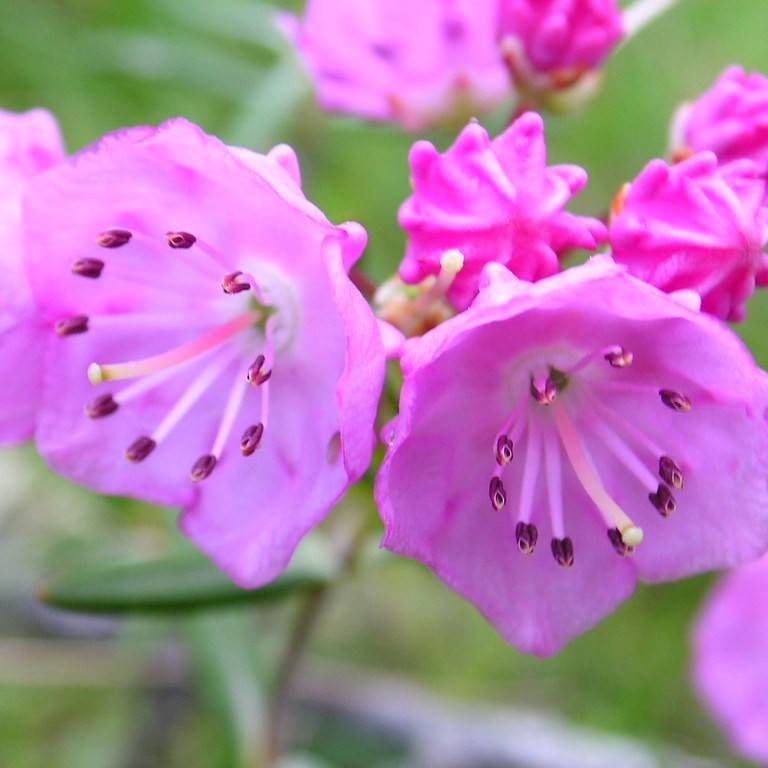
Bog Laurel
Kalmia polifolia