%22%2F%3E%0A%20%20%20%20%20%20%3Ccircle%20cx%3D%22920%22%20cy%3D%22180%22%20r%3D%2290%22%20fill%3D%22%23cfe8d5%22%2F%3E%0A%20%20%20%20%20%20%3Cpath%20d%3D%22M600%20590c-90-180-215-255-310-280%200%20165%20118%20296%20270%20296h40z%22%20fill%3D%22%2379b88e%22%2F%3E%0A%20%20%20%20%20%20%3Cpath%20d%3D%22M600%20590c80-150%20198-212%20302-228-8%20142-123%20255-270%20255h-32z%22%20fill%3D%22%235c9f73%22%2F%3E%0A%20%20%20%20%20%20%3Cpath%20d%3D%22M600%20610V360%22%20stroke%3D%22%234f8c64%22%20stroke-width%3D%2218%22%20stroke-linecap%3D%22round%22%2F%3E%0A%20%20%20%20%20%20%3Ctext%20x%3D%22600%22%20y%3D%22700%22%20text-anchor%3D%22middle%22%20font-family%3D%22Arial%2C%20sans-serif%22%20font-size%3D%2244%22%20fill%3D%22%23365c45%22%3E%0A%20%20%20%20%20%20%20%20Plant%20image%20coming%20soon%0A%20%20%20%20%20%20%3C%2Ftext%3E%0A%20%20%20%20%3C%2Fsvg%3E%0A%20%20)
Grandiflora Rose
Rosa 'Grandiflora' group
Overview
Developed in mid-20th century America by crossing large-flowered hybrid tea roses with heavy-blooming floribundas, grandiflora roses combine the best traits of both parent groups. They produce large, high-centered blooms 3-5 inches wide, borne in clusters of 3-5 flowers on stiff, upright stems that hold up well in cut arrangements. Most varieties emit a moderate to strong classic rose fragrance, with bloom colors ranging from white, pink, and red to yellow, peach, and bi-colored blends. Their tall, bushy growth habit makes them ideal for back-of-border plantings, hedges, or standalone specimen plants in residential and public landscapes.
Care Guide
Watering
Water deeply 1-2 times per week, providing 1-1.5 inches of water weekly during the growing season to keep the root zone consistently moist but not waterlogged. Avoid overhead watering to reduce fungal disease risk; direct water at the base of the plant, and reduce watering frequency in winter when the plant is dormant.
Light
Plant in full sun, receiving a minimum of 6 hours of direct, unfiltered sunlight daily for optimal bloom production and disease resistance. Partial shade may be tolerated in extremely hot climates, but reduced light will lead to fewer blooms, leggier growth, and increased susceptibility to fungal pathogens.
Soil
Grow in well-drained, loamy soil with a pH between 6.0 and 6.5, rich in organic matter such as compost or well-rotted manure to support vigorous growth. Improve heavy clay soils by mixing in sand and compost to enhance drainage, and amend sandy soils with organic material to improve water and nutrient retention.
Fertilizer
Feed with a balanced, slow-release rose fertilizer in early spring just as new growth emerges, and repeat applications every 4-6 weeks during the blooming season, stopping fertilization 6-8 weeks before the first expected fall frost to prevent tender new growth from being damaged by cold. Supplement with a liquid seaweed or fish emulsion feed every 2-3 weeks during peak bloom for an extra nutrient boost, and avoid overfertilizing with high-nitrogen formulas that promote leaf growth at the expense of flowers.
Temperature
Thrive in temperatures between 60-75°F (15-24°C), with most hardy varieties able to tolerate winter lows down to -10°F (-23°C) when properly mulched. Provide afternoon shade in regions where summer temperatures regularly exceed 90°F (32°C) to prevent flower scorch and reduce water stress, and protect newly planted specimens from harsh winter winds with burlap wraps or rose cones in cold climates.
Pruning
Prune in late winter or early spring before new buds break, removing dead, diseased, or crossing canes first, then cutting back remaining healthy canes by 1/3 to 1/2 of their height to encourage strong, upright new growth and abundant blooms. Deadhead spent flowers regularly throughout the blooming season by cutting the stem just above a five-leaflet node to promote continuous reblooming, and remove any suckers growing from the rootstock below the graft union to prevent them from overtaking the desired grandiflora cultivar.
Propagation
Most commonly propagated via hardwood cuttings taken in late fall or winter, selecting 8-10 inch long, pencil-thick canes from healthy, disease-free plants, dipping the cut end in rooting hormone, and planting in a well-drained medium kept moist until roots develop in 8-12 weeks. Grafting onto hardy rose rootstock is the commercial propagation method to ensure consistent cultivar traits and improved disease resistance, while seed propagation is not recommended as it will not produce plants true to the parent grandiflora type.
Humidity
Prefer moderate humidity levels between 40-60% for optimal growth, with high humidity above 70% increasing the risk of fungal diseases such as black spot and powdery mildew. Improve air circulation around plants by spacing them 3-4 feet apart and pruning to open up the center of the bush, which reduces excess humidity buildup on leaf surfaces and lowers disease incidence.
Repotting
If grown in containers, repot every 2-3 years in late winter, moving to a pot one size larger with fresh, nutrient-rich rose potting mix, and trim back any circling or damaged roots before replanting. Ensure containers have ample drainage holes to prevent root rot, and add a 1-inch layer of mulch on top of the soil to reduce moisture loss and regulate root temperature during hot summer months.
Uses & Symbolism
Grandiflora roses are widely planted as ornamental specimens in residential gardens, public parks, and commercial landscapes, valued for their tall, dramatic growth habit and long-lasting, abundant blooms. Their long, sturdy stems make them exceptional cut flowers for bouquets and floral arrangements, with many varieties retaining their fragrance and form well after cutting. When planted in a row, they create dense, flowering hedges that provide privacy and seasonal color, while their attractive foliage adds textural interest to garden beds even when not in bloom.
Diseases & Pests
Grandiflora roses are susceptible to common rose diseases including black spot, a fungal infection that causes dark, circular lesions on leaves leading to defoliation, and powdery mildew, which forms a white, fuzzy coating on young growth and buds in humid, poorly ventilated conditions. Common pests include aphids, which cluster on new growth and suck sap, spider mites that cause stippling and yellowing of leaves in hot, dry weather, and Japanese beetles that chew holes in leaves and flower petals. Prevent disease issues by planting in full sun, providing good air circulation, avoiding overhead watering, and applying organic or synthetic fungicides preventatively in wet climates, while pest infestations can be controlled with insecticidal soaps, neem oil, or targeted insecticides as needed.
Related plants
Other plants you might like if you grow Grandiflora Rose.
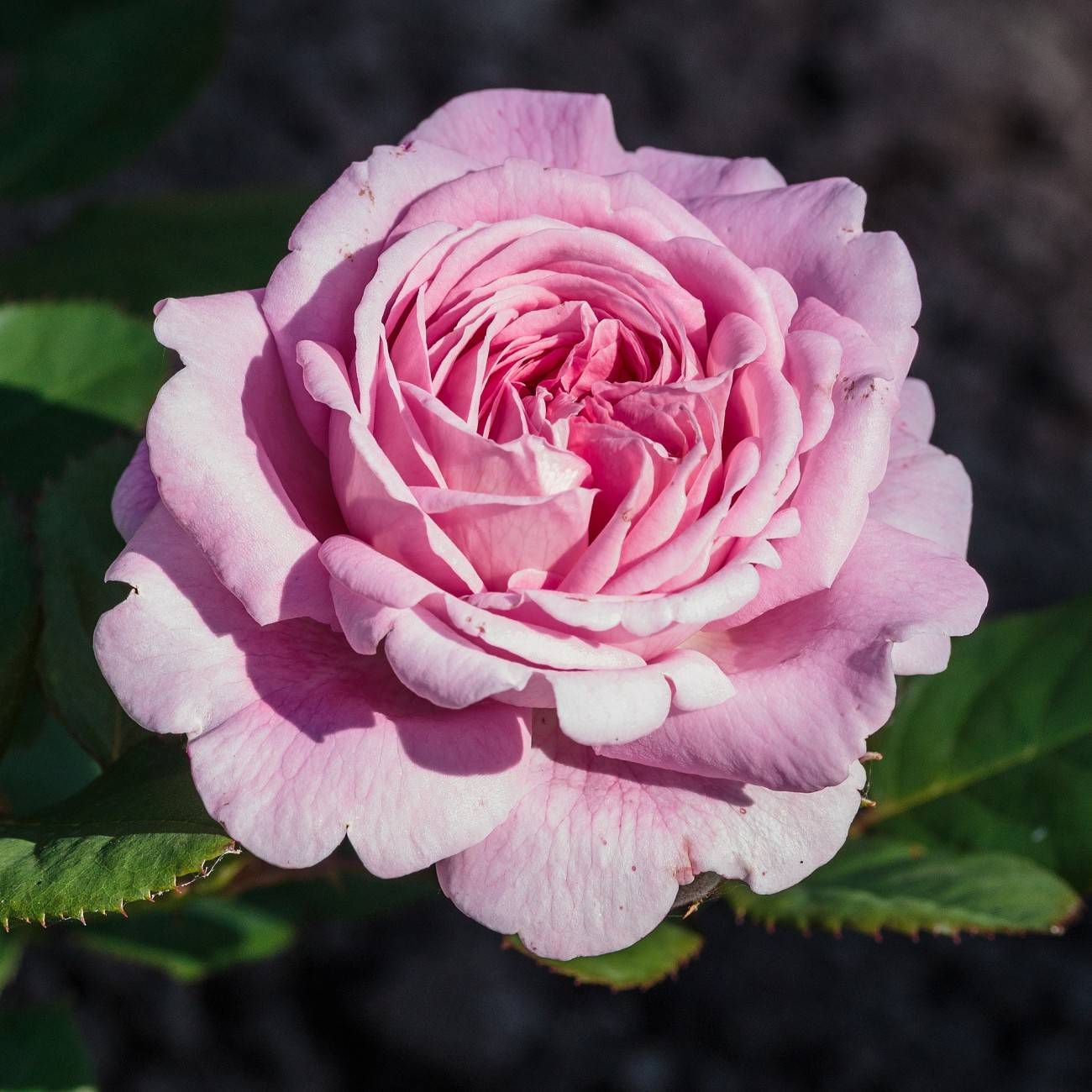
Hybrid Tea Rose
Rosa hybrida (Hybrid Tea Group)
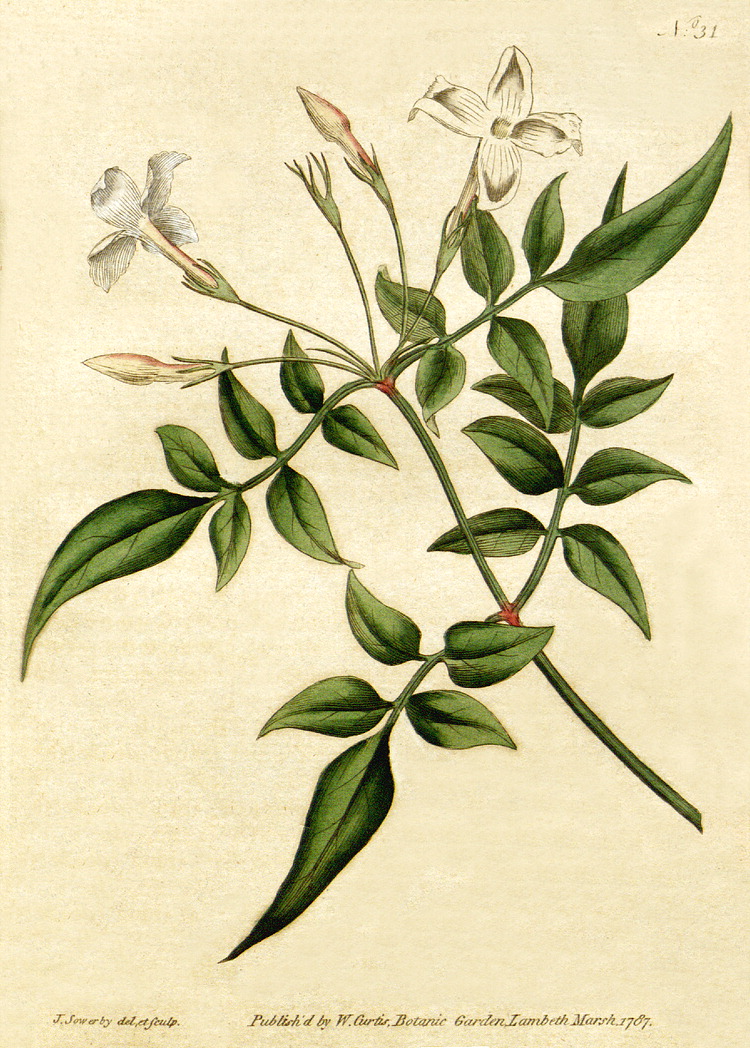
Common Jasmine
Jasminum officinale
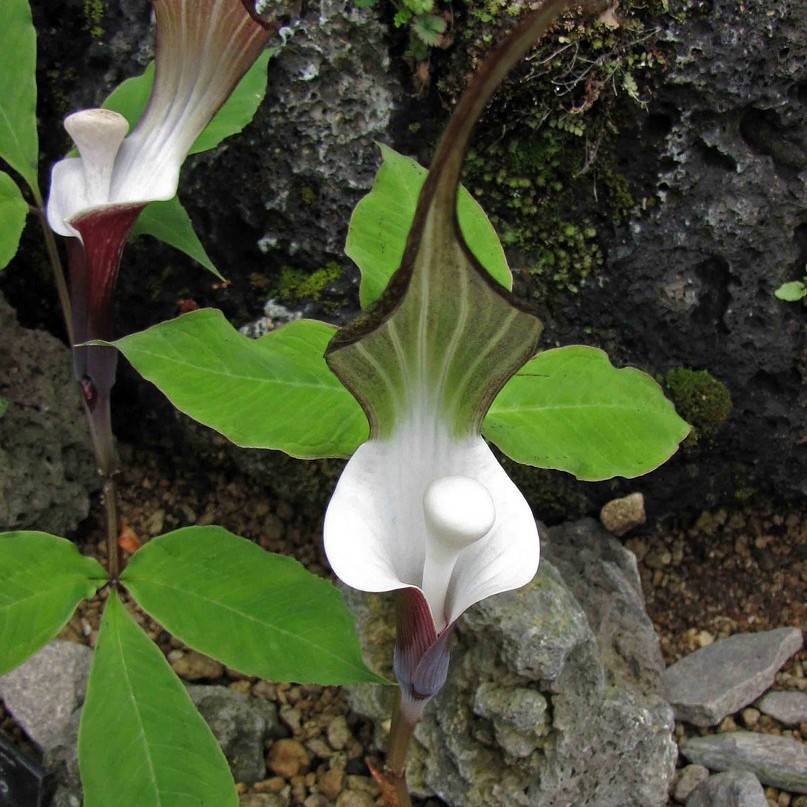
Japanese Jack In The Pulpit
Arisaema sikokianum
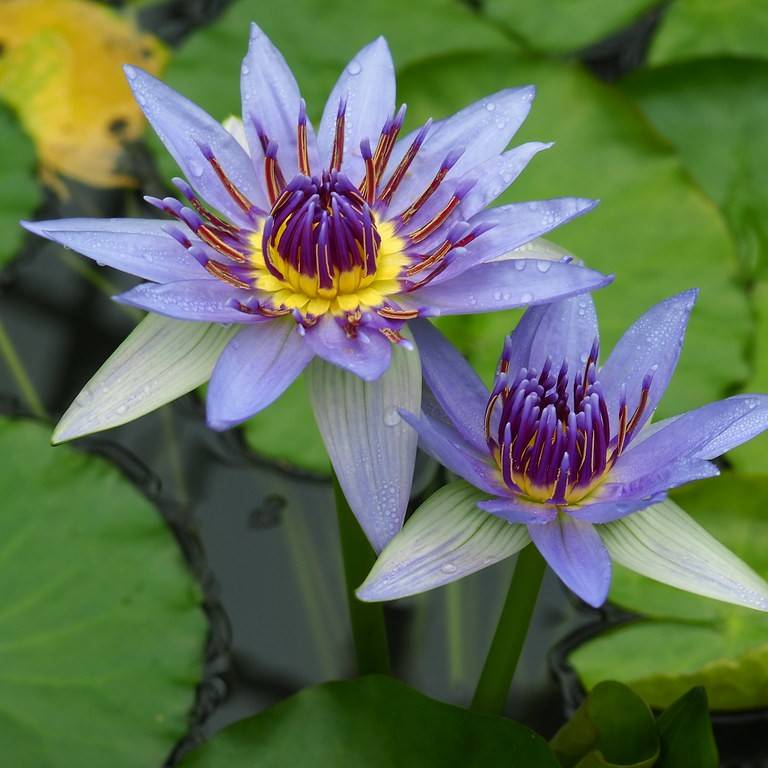
Egyptian Blue Water Lily
Nymphaea caerulea
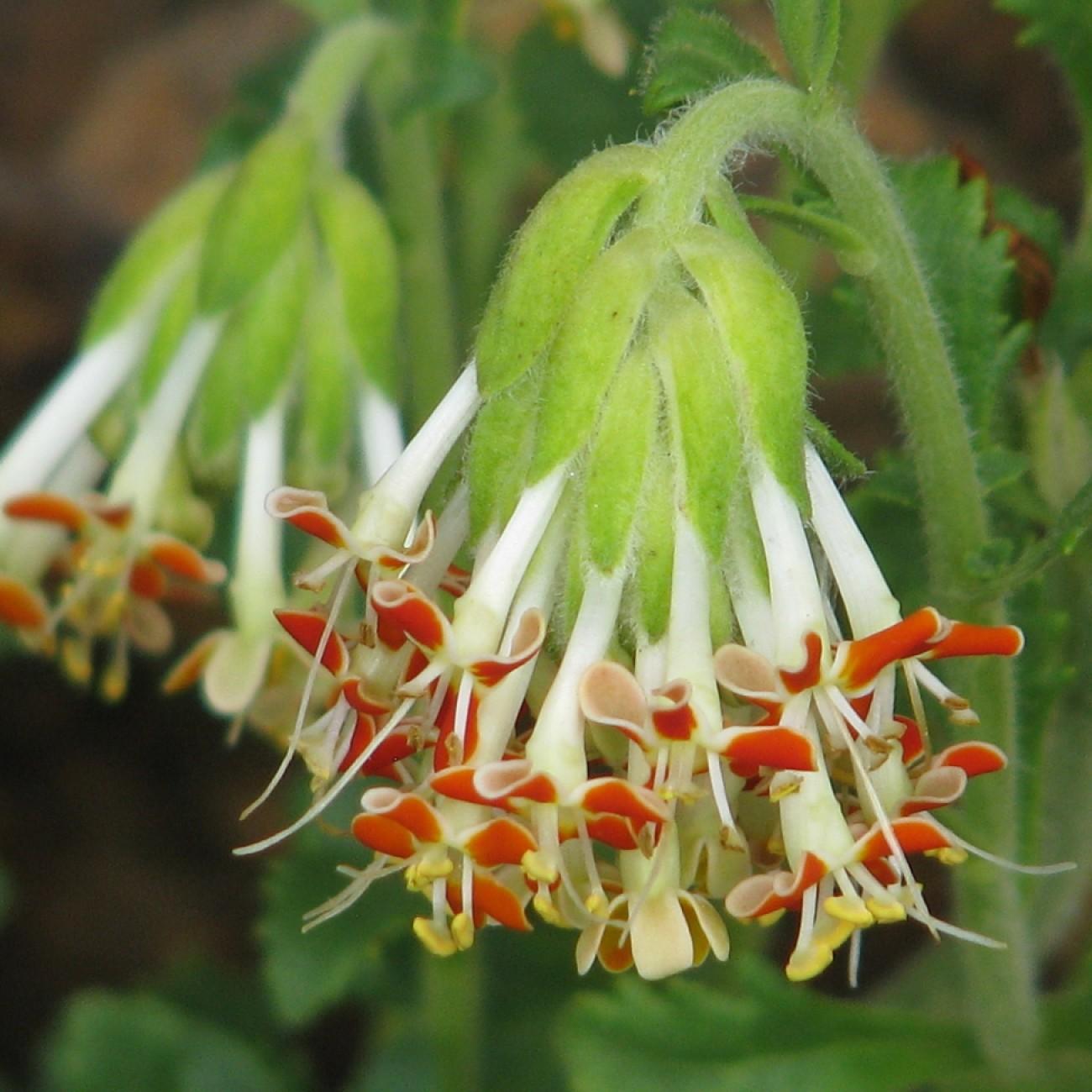
Glumicalyx
Glumicalyx spp.
Large Flowered Climbing Rose
Rosa 'Large Flowered Climbing' (hybrid group)
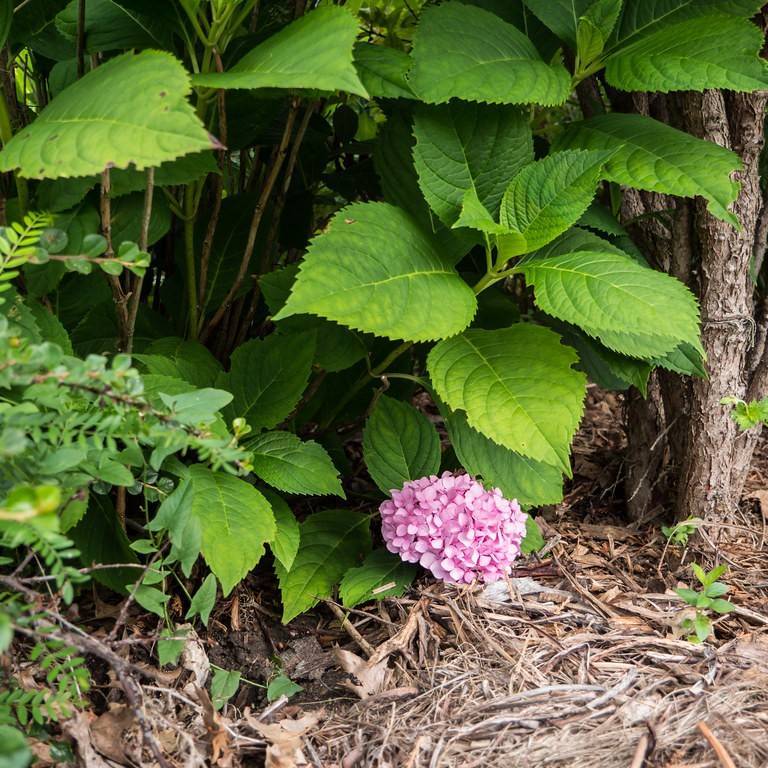
Bigleaf Hydrangea
Hydrangea macrophylla
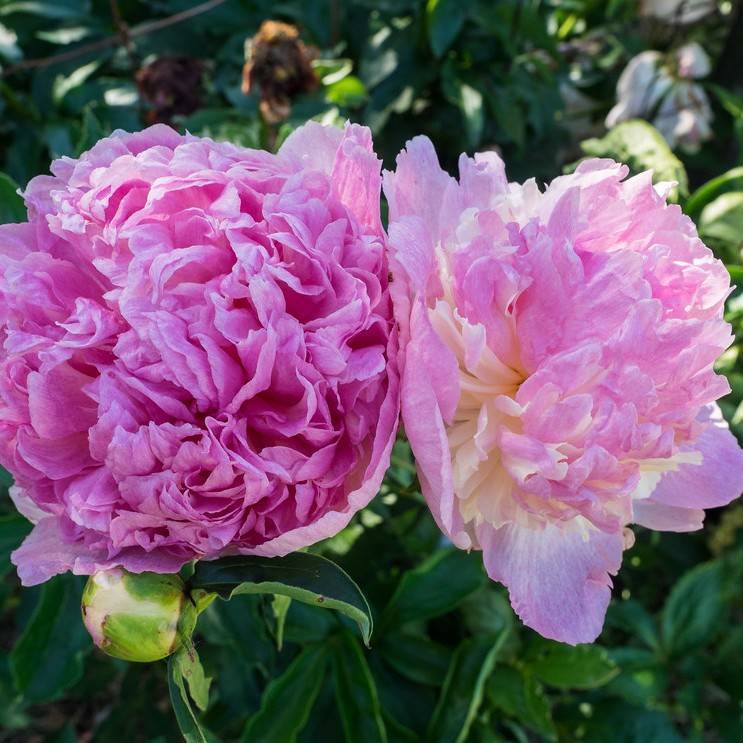
Fernleaf Peony
Paeonia tenuifolia