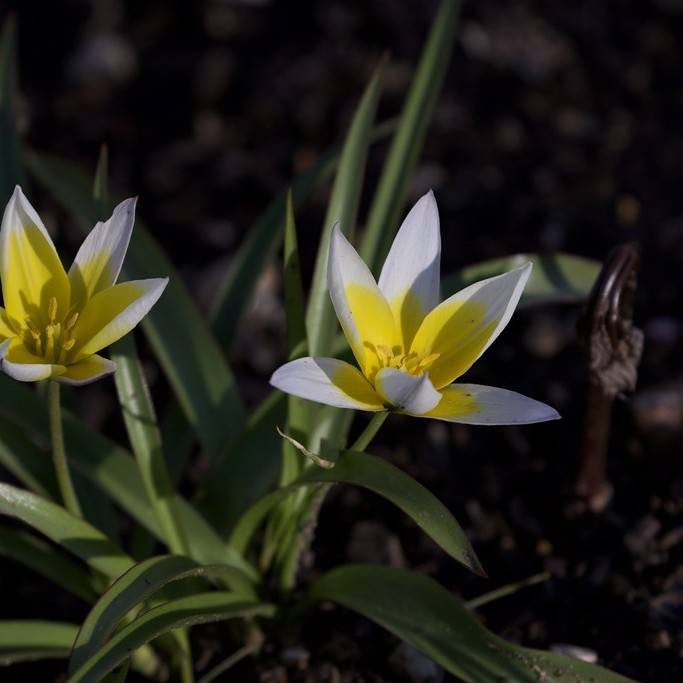
Late Tulip
Tulipa gesneriana var. serotina
Overview
Late tulips, also called May-flowering tulips, are a popular group of single late tulip cultivars celebrated for extending tulip bloom season well into late spring, when most earlier tulip varieties have already faded. They produce sturdy, upright stems that resist wind and rain damage, paired with broad, gray-green, waxy foliage that emerges in early spring. Their blooms are typically large, single, and cup-shaped, available in a vast range of solid, bicolor, and striped hues including red, pink, yellow, white, purple, and orange.
Care Guide
Watering
Water late tulips deeply immediately after planting in fall to encourage root establishment, then only water during extended dry spells in winter and spring, as overly wet soil causes bulb rot. Reduce watering gradually once blooms fade and foliage begins to yellow in early summer, as bulbs enter dormancy and require dry conditions during their rest period. Avoid overwatering potted late tulips, ensuring excess moisture drains freely from the container's base.
Light
Late tulips require full sun, defined as 6 or more hours of direct, unfiltered sunlight daily, to produce strong stems and vibrant, long-lasting blooms. They can tolerate very light partial shade, particularly in regions with intense late-spring afternoon sun, but excessive shade will cause weak, leggy growth and reduced flowering. Plant bulbs in open, unobstructed locations away from tall trees or structures that block sunlight for large portions of the day.
Soil
Grow late tulips in well-draining, fertile, loamy or sandy soil with a neutral to slightly alkaline pH between 6.0 and 7.0 for optimal bulb health. Heavy, clay-heavy soils that retain moisture should be amended with coarse sand, perlite, or well-rotted compost to improve drainage and prevent bulb rot during dormancy. Avoid soils that are consistently soggy, as this will cause bulbs to break down and fail to return in subsequent years.
Fertilizer
Apply a balanced, slow-release granular fertilizer with an NPK ratio of 10-10-10 in early spring, just as new foliage emerges from the soil, to support robust growth and bloom development. Avoid applying high-nitrogen fertilizers, as these will encourage excessive foliage growth at the expense of flower production. Do not fertilize after blooms have faded, as this can disrupt the bulb's natural dormancy cycle.
Temperature
Late tulips require a 12-16 week cold period with consistent temperatures between 35-45°F (2-7°C) in fall and winter to trigger proper bulb vernalization and spring blooming. They are winter hardy in USDA zones 3 through 8, tolerating winter temperatures as low as -30°F (-34°C) when bulbs are planted at the correct depth. In regions with mild winters without sufficient cold, pre-chilled bulbs should be purchased and planted in late fall for single-season blooming.
Pruning
Deadhead spent late tulip blooms promptly after they fade to prevent the plant from expending energy on seed production, redirecting resources back to the bulb for the next year's growth. Do not remove or cut back green foliage after blooming, as the leaves continue to photosynthesize and store energy in the bulb; wait until foliage turns fully yellow and wilts naturally, usually 4-6 weeks after flowering ends, to remove it. Trim away any damaged or diseased foliage as soon as it is noticed to prevent the spread of pathogens.
Propagation
Late tulips are most commonly propagated by separating small, offset bulbils that form around the base of mature parent bulbs during the summer dormancy period. Dig up mature clumps once foliage has fully died back in early summer, gently separate the small offsets from the main bulb, and replant them immediately at a depth 3 times their height, in a well-draining, sunny location. Offsets typically take 2-3 years of growth before they are large enough to produce full-sized blooms.
Humidity
Late tulips tolerate average outdoor humidity levels between 30% and 60% well, with no special humidity requirements for healthy growth. High humidity combined with warm temperatures can increase the risk of fungal leaf and bulb diseases, so ensure plants are spaced adequately to allow for good air circulation around foliage. Indoor potted forced late tulips do not require supplemental humidity, as standard household humidity levels are sufficient for their short blooming period.
Repotting
Potted late tulip bulbs grown for indoor forcing are typically discarded after blooming, as they rarely perform well in subsequent years when grown in containers. If overwintering potted late tulips outdoors, repot bulbs every 2-3 years in late summer during dormancy, replacing old potting mix with fresh, well-draining soil amended with a small amount of bone meal to support root health. When repotting, separate any offset bulbs to prevent overcrowding, which can lead to reduced flowering and increased disease risk.
Uses & Symbolism
Late tulips are widely planted in perennial borders, spring bulb gardens, and cut flower gardens for their late-season, long-lasting blooms that extend the spring floral display after earlier tulip varieties have faded. Their sturdy stems and long vase life make them a popular cut flower for both casual and formal floral arrangements, with blooms lasting 7-10 days in a vase with regular water changes. They are also planted en masse in public parks and commercial landscapes to create large, colorful spring displays that persist into late May.
Diseases & Pests
Late tulips are susceptible to bulb rot, caused by overly wet, poorly draining soil, which presents as soft, mushy bulbs and stunted, yellowing foliage in spring. Fungal diseases including tulip fire (Botrytis tulipae) cause brown spots on foliage and distorted, decaying blooms, particularly in wet, humid conditions with poor air circulation. Common pests include aphids, which suck sap from new growth and foliage, and bulb mites, which feed on dormant bulbs in storage or in overly wet soil, leading to weak growth or failure to emerge in spring.
Related plants
Other plants you might like if you grow Late Tulip.