Jonquilla Daffodil
Narcissus jonquilla
Overview
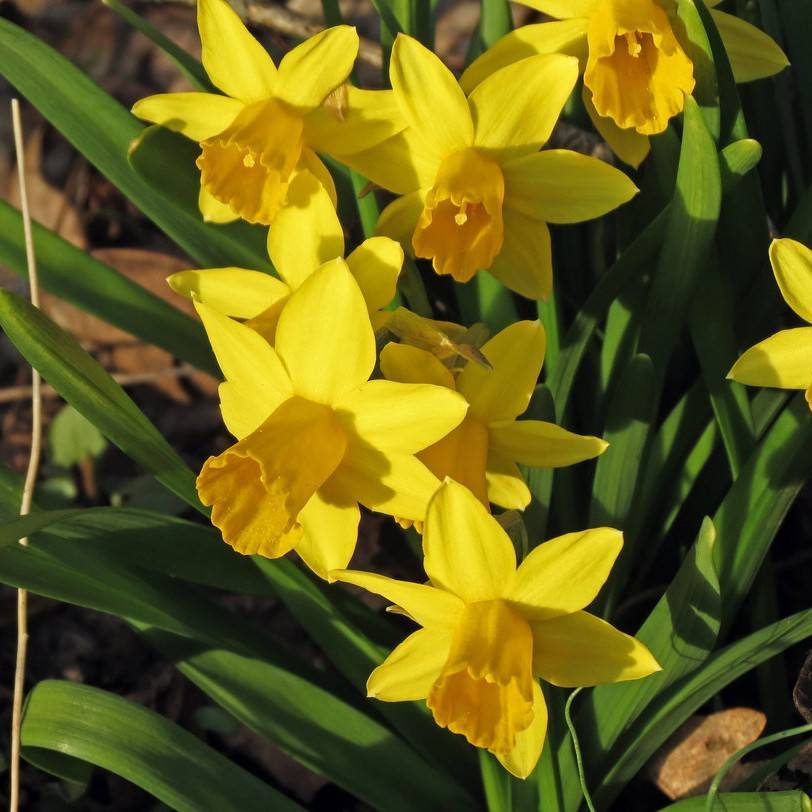
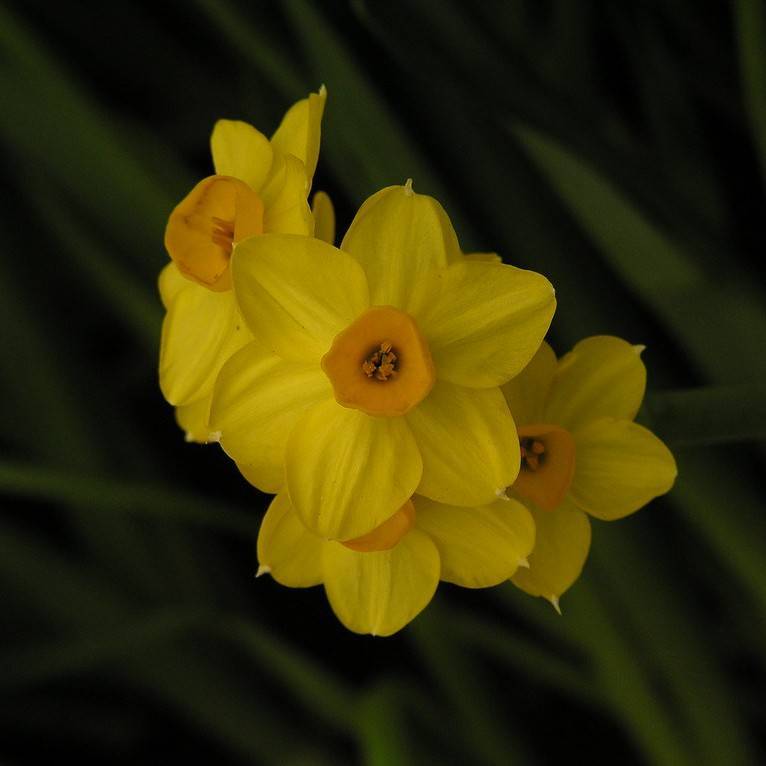
Jonquilla daffodils are beloved spring bulbs distinguished by their clusters of 2 to 6 small, cup-shaped golden yellow flowers per stem, which emit a sweet, heady fragrance unique to this daffodil group. Their narrow, dark green, rush-like foliage sets them apart from larger trumpet daffodil varieties, and they naturalize readily in suitable growing conditions to form dense, colorful drifts over time. First cultivated in Europe in the 17th century, they have become a popular choice for cut flower gardens, border plantings, and container displays due to their hardiness and low maintenance needs.
Care Guide
Watering
Water regularly during active growth in fall and spring, keeping soil evenly moist but not waterlogged to prevent bulb rot. Reduce watering gradually once foliage begins to yellow and die back after flowering, as bulbs require a dry dormant period through summer.
Light
Plant in full sun to partial shade, with at least 6 hours of direct sunlight daily during the growing season for optimal bloom production. Light afternoon shade in warmer climates can help extend the flowering period and prevent foliage scorch.
Soil
Thrives in well-drained, fertile, loamy soil with a slightly acidic to neutral pH between 6.0 and 7.0. Avoid heavy, water-retentive clay soils; amend with compost or coarse sand to improve drainage if necessary, as soggy soil will quickly cause bulb decay.
Fertilizer
Apply a balanced, slow-release bulb fertilizer in early spring as new shoots emerge, working it gently into the top layer of soil without disturbing the bulbs. Avoid high-nitrogen fertilizers, which encourage excessive foliage growth at the expense of flowers; no additional fertilization is needed during the dormant summer period.
Temperature
Hardy in USDA zones 4 through 9, tolerating winter lows down to -30°F (-34°C) when bulbs are planted at the correct depth. They require 10 to 12 weeks of cold temperatures between 35°F and 45°F (2°C and 7°C) in winter to trigger proper spring bloom, making them more heat-tolerant than many other daffodil varieties for mild southern climates.
Pruning
Deadhead spent flowers immediately after blooming to prevent seed production, which diverts energy from bulb storage for the next year’s growth. Allow foliage to remain intact and die back naturally for 6 to 8 weeks after flowering, as the leaves photosynthesize to replenish bulb nutrients; do not cut or tie back foliage while it is still green.
Propagation
Most commonly propagated by separating bulb offsets from the parent bulb during the summer dormant period, once foliage has fully died back. Replant offsets immediately at the same depth as the parent bulb, 3 to 4 inches apart; offset bulbs will typically produce their first flowers in 1 to 2 growing seasons.
Humidity
Tolerates average outdoor humidity levels well, with no special humidity requirements for outdoor plantings. For indoor forced bulbs, maintain moderate household humidity between 40% and 60% to prevent foliage drying and extend bloom life.
Repotting
Container-grown jonquilla daffodils should be lifted and divided every 2 to 3 years during summer dormancy to prevent overcrowding, which reduces bloom production. Replant fresh bulbs in new, well-drained potting mix at a depth equal to 3 times the bulb’s height, with the pointed end facing upward, and water lightly to settle the soil.
Uses & Symbolism
Jonquilla daffodils are widely planted in spring borders, rock gardens, and naturalized meadow plantings, where their fragrant golden blooms create vibrant, long-lasting displays. They are a top choice for cut flower arrangements due to their strong, sweet scent and long vase life, and they are frequently forced indoors for winter and early spring holiday decor. Their deer and rodent resistance makes them a practical option for gardens in areas with high wildlife pressure, as the toxic alkaloids in their bulbs and foliage deter foraging animals.
Diseases & Pests
The most common issues affecting jonquilla daffodils are bulb rot and basal rot, caused by overly wet soil conditions, which present as soft, discolored bulbs and stunted, yellowing foliage. Common pests include narcissus bulb flies, which lay eggs at the base of plants, leading to larvae that burrow into and destroy bulbs, and slugs and snails, which feed on young foliage in spring. Fungal diseases like leaf scorch and stripe may occur in overly humid, crowded conditions, causing brown spots on foliage; these can be prevented by proper spacing and avoiding overhead watering.
Related plants
Other plants you might like if you grow Jonquilla Daffodil.