Common Hyacinth
Hyacinthus orientalis
Overview
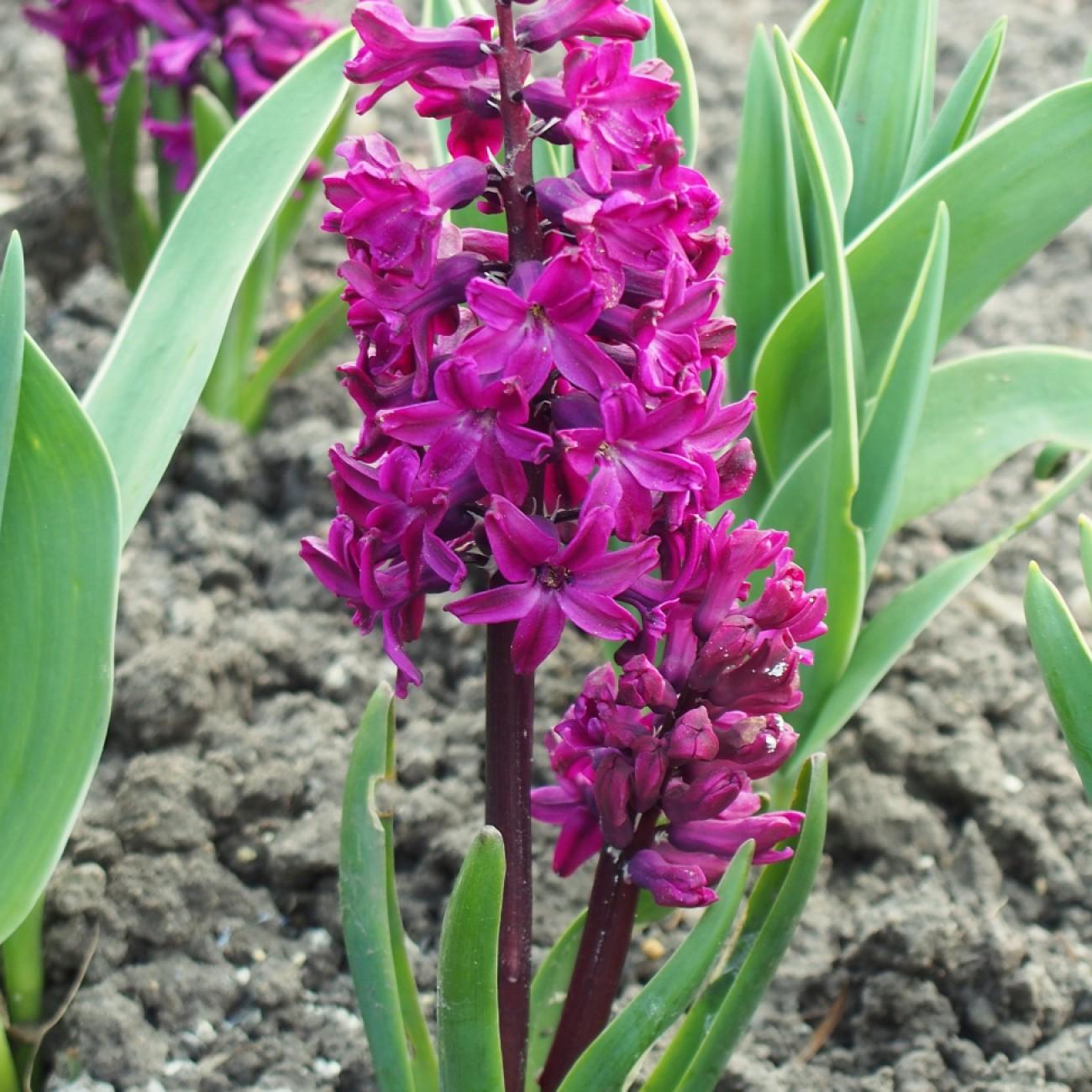
The common hyacinth is a beloved ornamental bulb prized for its intense, sweet fragrance and dense, upright flower spikes that emerge in early spring. Native to the eastern Mediterranean, it has been cultivated for centuries, with hundreds of cultivars available in shades of blue, purple, pink, white, red, and yellow. While technically a perennial, many gardeners treat it as an annual for forced indoor blooms, as outdoor bulbs often produce smaller flowers in subsequent years.
Care Guide
Watering
Water potted or newly planted hyacinth bulbs regularly to keep soil evenly moist but not waterlogged, as excess moisture causes bulb rot. Once foliage emerges post-bloom, continue moderate watering until leaves yellow and die back naturally, then reduce watering entirely during dormancy. Outdoor established bulbs only need supplemental watering during extended dry spells in spring or fall.
Light
Plant outdoor hyacinth bulbs in full sun to partial shade, with at least 6 hours of direct sunlight daily to support robust flower stalk growth. For forced indoor blooms, place potted bulbs in a bright, indirect light location once shoots emerge; too little light will cause leggy, floppy flower stalks that may need staking. After flowering, keep foliage in bright light to help the bulb store energy for the next growing season.
Soil
Common hyacinths thrive in loose, well-drained, fertile soil with a neutral to slightly alkaline pH between 6.5 and 7.5. Amend heavy clay soils with compost, sand, or peat moss to improve drainage and prevent bulb rot during wet periods. For potted indoor plants, use a well-aerated potting mix formulated for bulbs, with added perlite or vermiculite to enhance drainage.
Fertilizer
Apply a balanced, slow-release bulb fertilizer in early spring just as shoots emerge from the soil, working it gently into the top layer of soil without disturbing the bulb. After flowering, feed with a low-nitrogen, high-phosphorus fertilizer to support bulb energy storage before dormancy. Avoid overfertilizing, as excess nitrogen can promote lush foliage growth at the expense of flowers and increase rot risk.
Temperature
Outdoor hyacinth bulbs require a 12-14 week cold period of 35-45°F (2-7°C) during winter to trigger proper bloom development, making them hardy in USDA zones 4 through 8. For forced indoor blooms, start potted bulbs in a dark, cool location for the required cold period before moving them to 60-65°F (15-18°C) conditions to encourage flowering. Prolonged temperatures above 70°F (21°C) during bloom will cause flowers to fade prematurely.
Pruning
Snip off spent flower stalks at the base immediately after blooms fade to prevent the plant from expending energy on seed production, but leave all foliage intact. Allow leaves to yellow and die back naturally over 6-8 weeks post-bloom, as they photosynthesize to replenish the bulb’s nutrient stores for the next year’s growth. Once foliage is fully brown and wilted, you can gently pull it away or trim it at soil level.
Propagation
Common hyacinths are most commonly propagated from small offset bulblets that form around the base of the parent bulb after several years of growth. Dig up dormant bulbs in late summer, carefully separate the small offsets, and plant them at the same depth as mature bulbs; they will take 2-3 years to reach flowering size. Propagation from seed is possible but very slow, with blooms taking 4-5 years to appear, so it is rarely used for home cultivation.
Humidity
Common hyacinths adapt well to average household humidity levels between 30% and 50% when forced indoors, with no extra misting required. Extremely low humidity can cause flower edges to brown prematurely, so you can place potted plants on a pebble tray filled with water to boost surrounding humidity if needed. Outdoor plants tolerate the full range of humidity levels typical of their hardiness zones, as long as soil drainage is adequate.
Repotting
For forced indoor hyacinths, repotting is typically unnecessary, as most bulbs are discarded after blooming or transplanted outdoors after their foliage dies back. If saving potted bulbs for future blooms, remove them from the pot once dormant, store them in a cool, dark, dry location over summer, and repot in fresh bulb mix in fall before the required cold treatment. Outdoor bulbs can remain undisturbed in the ground for 3-5 years, only needing to be dug up and divided when clumps become overcrowded and flower production declines.
Uses & Symbolism
Common hyacinths are widely grown as ornamental spring garden plants, mass-planted in borders, rock gardens, and bulb beds for their vibrant color and intense fragrance. They are one of the most popular bulbs for forced indoor winter blooms, often sold in decorative pots during the holiday season for their cheerful flowers and scent. Cut hyacinth stems are used in spring floral arrangements, though their sap can irritate skin and shorten the vase life of other flowers if stems are not seared with hot water first.
Diseases & Pests
The most common issue affecting common hyacinths is bulb rot, caused by overly wet, poorly drained soil or planting damaged bulbs, which presents as soft, mushy bulbs and stunted, yellowing growth. Gray mold (Botrytis) can develop during cool, wet spring weather, causing brown spots on foliage and flowers that spread rapidly in humid conditions. Common pests include bulb mites that feed on stored bulbs, aphids that suck sap from new foliage, and slugs and snails that chew holes in young leaves and flower stalks.
Related plants
Other plants you might like if you grow Common Hyacinth.