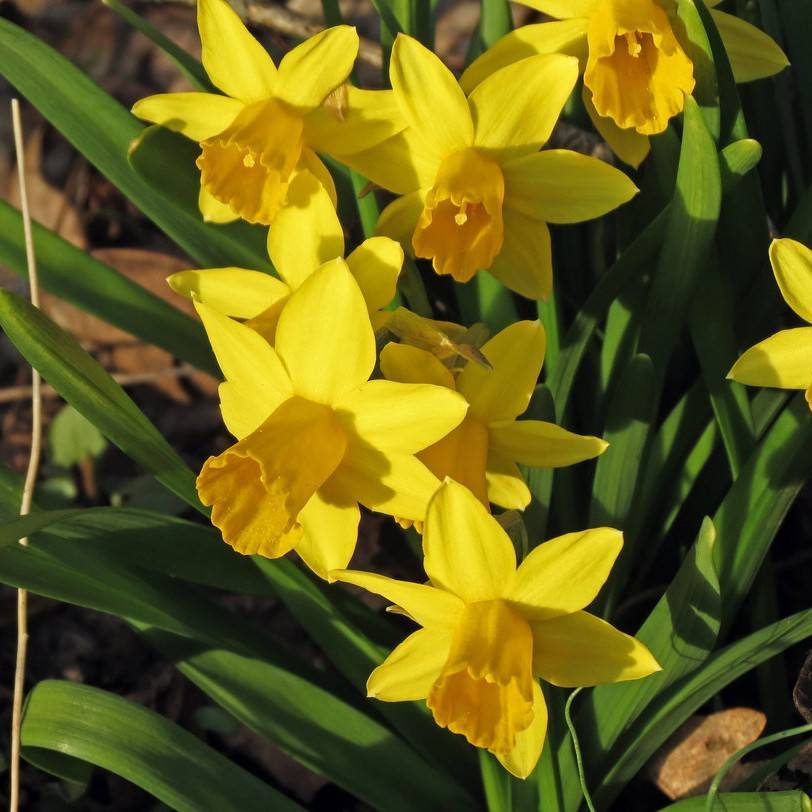
Daffodil
Narcissus pseudonarcissus
Overview
Daffodils are among the first spring flowers to emerge, pushing through cold soil to bloom in late winter to early spring, often signaling the end of winter. Their distinctive flowers feature a central corona (trumpet) surrounded by six outer tepals, with cultivars available in shades of yellow, white, orange, pink, and bicolor combinations. Hardy in USDA zones 3 through 9, daffodils naturalize readily in appropriate conditions, returning and multiplying year after year with minimal intervention. Deer and rodent pests typically avoid daffodils due to their toxic alkaloid content, making them a reliable choice for gardens prone to wildlife damage.
Care Guide
Watering
Daffodils need regular moisture during their active growth phase in late winter and early spring, with about 1 inch of water per week if rainfall is insufficient. Reduce watering gradually once flowers fade and foliage begins to yellow, as bulbs enter dormancy and require drier conditions to prevent rot. Avoid overwatering dormant bulbs in summer, as soggy soil will cause the bulbs to decay quickly.
Light
Plant daffodils in full sun to partial shade, with at least 6 hours of direct sunlight daily during their active growth period for the most abundant blooms. Light shade from deciduous trees is acceptable, as daffodils typically bloom before trees fully leaf out in spring. Too much deep shade will reduce flowering and cause foliage to become leggy and weak.
Soil
Daffodils thrive in well-drained, fertile, loamy soil with a neutral to slightly acidic pH between 6.0 and 7.0. Heavy clay soils should be amended with compost, peat moss, or coarse sand to improve drainage, as bulbs will rot in consistently waterlogged conditions. Avoid planting in low-lying areas that collect standing water, especially during the summer dormant period.
Fertilizer
Apply a balanced, slow-release granular fertilizer (10-10-10 or 5-10-10) in early spring when shoots first emerge from the soil, working it lightly into the top layer of soil around the bulbs without damaging delicate roots. Avoid high-nitrogen fertilizers, as these will encourage excessive foliage growth at the expense of flower production. Additional fertilization is usually unnecessary for established naturalized clumps, though a light application of bone meal after flowering can support bulb development for the next year.
Temperature
Daffodils require a 12 to 16 week period of cold temperatures between 35°F and 45°F (2°C and 7°C) during winter dormancy to trigger proper flower formation in spring. They are extremely cold hardy, tolerating winter temperatures as low as -30°F (-34°C) in their appropriate hardiness zones. Warmer climates without sufficient winter chill can grow daffodils as annuals, using pre-chilled bulbs planted in late fall for spring bloom.
Pruning
Deadhead spent flowers immediately after bloom to prevent the plant from expending energy on seed production, cutting the flower stalk down to the base of the plant. Do not remove or cut back green foliage after flowering, as the leaves photosynthesize to store energy in the bulb for the next year’s growth. Allow foliage to yellow and die back completely, which takes 6 to 8 weeks after flowering, before removing it gently by hand or cutting it back to ground level.
Propagation
Daffodils are most commonly propagated by dividing bulb offsets, which form around the base of mature mother bulbs every 2 to 3 years. Dig up clumps after foliage has fully died back in late spring or early summer, gently separate the small offset bulbs from the parent, and replant them immediately at the same depth as the mature bulbs, spacing them 3 to 6 inches apart. Propagation from seed is possible but takes 5 to 7 years for plants to reach flowering size, so it is primarily used for breeding new cultivars.
Humidity
Daffodils are adaptable to a wide range of humidity levels, thriving in the moderate humidity typical of their native spring growing conditions. They tolerate both dry and humid summer conditions during dormancy, as long as soil remains well-drained. Excessively high humidity combined with wet soil during dormancy increases the risk of bulb rot, so ensure proper air circulation around planting sites in humid climates.
Repotting
Container-grown daffodils should be repotted every 2 to 3 years when bulbs become overcrowded, doing so after foliage has fully died back in late spring. Gently remove the bulbs from the old potting mix, separate offsets, and replant fresh bulbs in a well-drained potting mix with added perlite or coarse sand, placing the bulbs 4 to 6 inches deep with the pointed end facing up. Outdoor in-ground clumps only need lifting and dividing when flowering becomes sparse, typically every 3 to 5 years.
Uses & Symbolism
Daffodils are widely planted in landscape beds, borders, rock gardens, naturalized meadows, and containers for their cheerful early spring color, often used in mass plantings to create sweeping displays of yellow, white, and orange. They are a popular cut flower for spring arrangements, though their sap can cause irritation to skin and shorten the vase life of other flowers, so they should be conditioned separately in water for 24 hours before mixing with other blooms. Historically, daffodil extracts have been used in traditional medicine for respiratory conditions and wound healing, and modern research is investigating the compound galantamine found in daffodils for use in treating Alzheimer’s disease.
Diseases & Pests
Daffodils are relatively pest and disease resistant, but they can be affected by bulb rot caused by overly wet soil, which presents as soft, mushy bulbs and yellowing, wilting foliage during the growing season. Narcissus bulb flies lay eggs near the base of plants, with larvae burrowing into bulbs to feed, causing stunted growth and no blooms; affected bulbs should be dug up and destroyed to prevent spread. Fungal diseases such as leaf scorch and gray mold can appear in wet, humid conditions, causing brown spots on foliage and flowers; improve air circulation, avoid overhead watering, and remove affected plant material to control spread.
Related plants
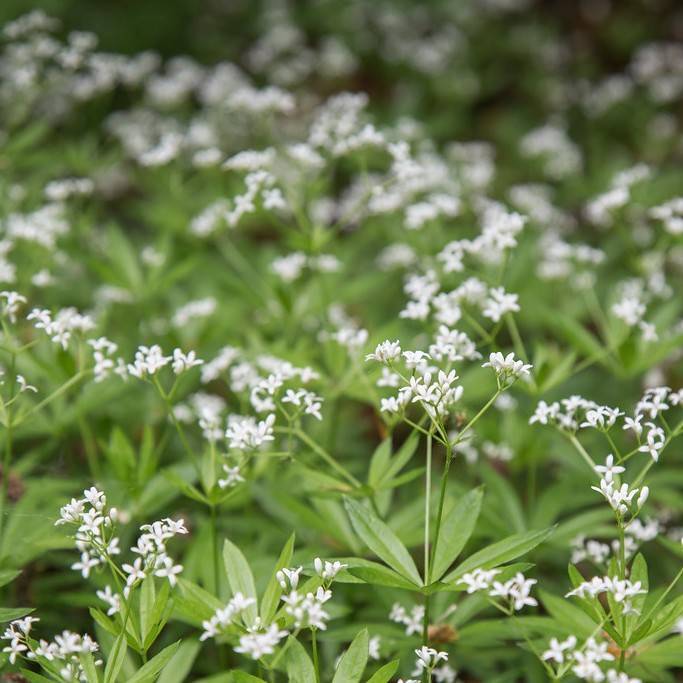
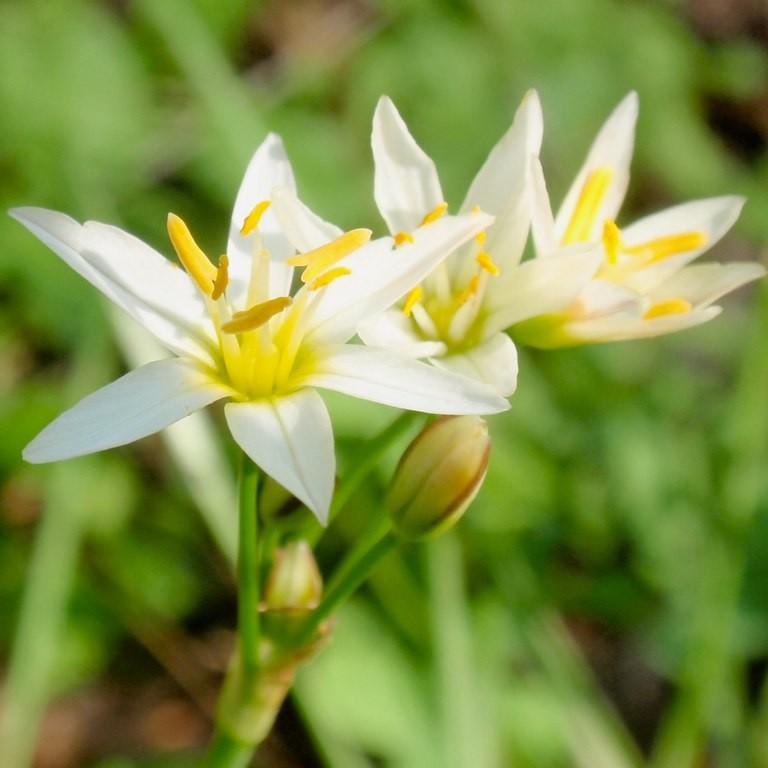
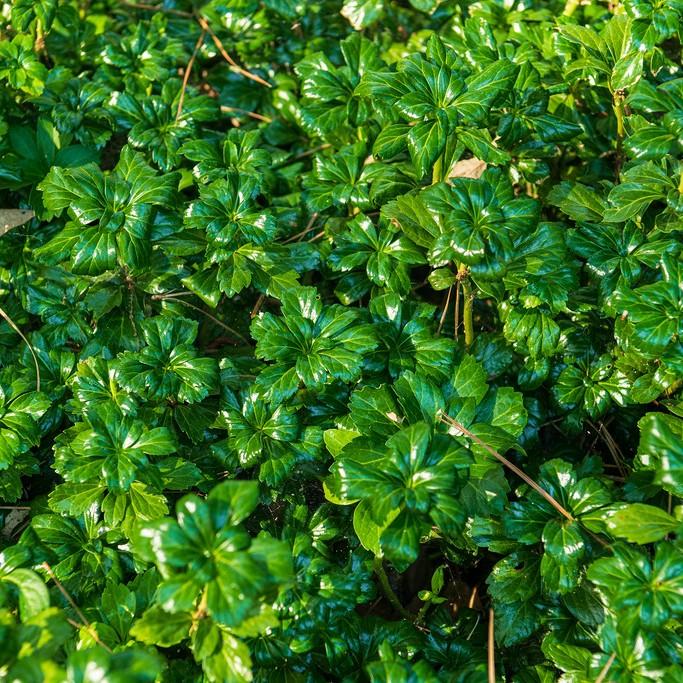
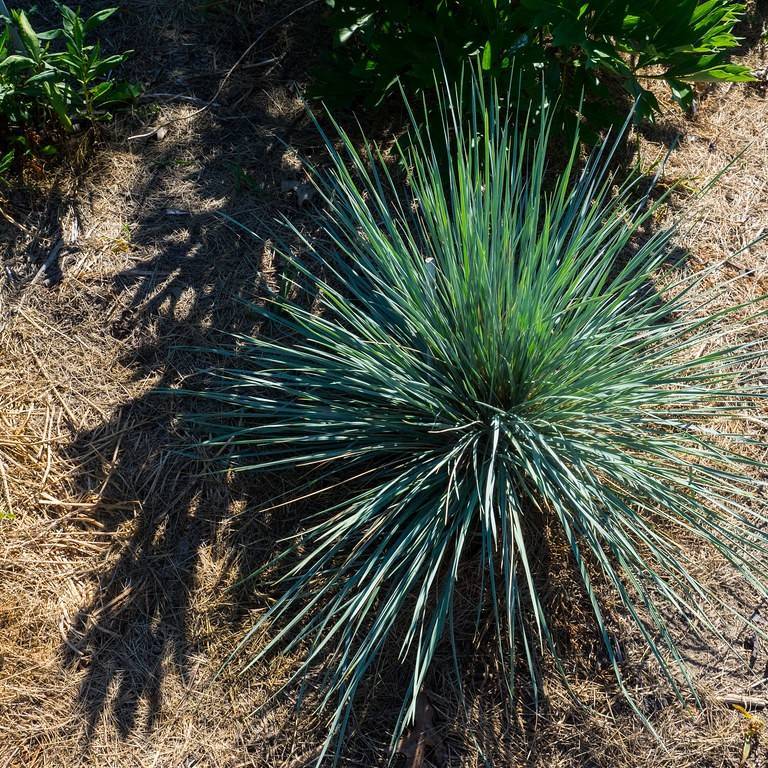
Other plants you might like if you grow Daffodil.
%22%2F%3E%0A%20%20%20%20%20%20%3Ccircle%20cx%3D%22920%22%20cy%3D%22180%22%20r%3D%2290%22%20fill%3D%22%23cfe8d5%22%2F%3E%0A%20%20%20%20%20%20%3Cpath%20d%3D%22M600%20590c-90-180-215-255-310-280%200%20165%20118%20296%20270%20296h40z%22%20fill%3D%22%2379b88e%22%2F%3E%0A%20%20%20%20%20%20%3Cpath%20d%3D%22M600%20590c80-150%20198-212%20302-228-8%20142-123%20255-270%20255h-32z%22%20fill%3D%22%235c9f73%22%2F%3E%0A%20%20%20%20%20%20%3Cpath%20d%3D%22M600%20610V360%22%20stroke%3D%22%234f8c64%22%20stroke-width%3D%2218%22%20stroke-linecap%3D%22round%22%2F%3E%0A%20%20%20%20%20%20%3Ctext%20x%3D%22600%22%20y%3D%22700%22%20text-anchor%3D%22middle%22%20font-family%3D%22Arial%2C%20sans-serif%22%20font-size%3D%2244%22%20fill%3D%22%23365c45%22%3E%0A%20%20%20%20%20%20%20%20Plant%20image%20coming%20soon%0A%20%20%20%20%20%20%3C%2Ftext%3E%0A%20%20%20%20%3C%2Fsvg%3E%0A%20%20)