Common Lilac
Syringa vulgaris
Overview
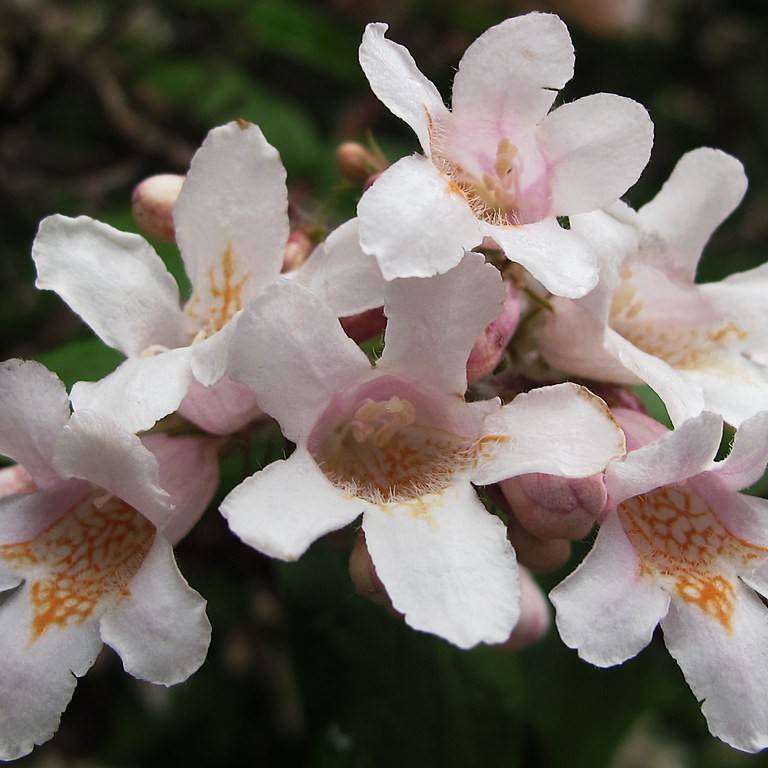
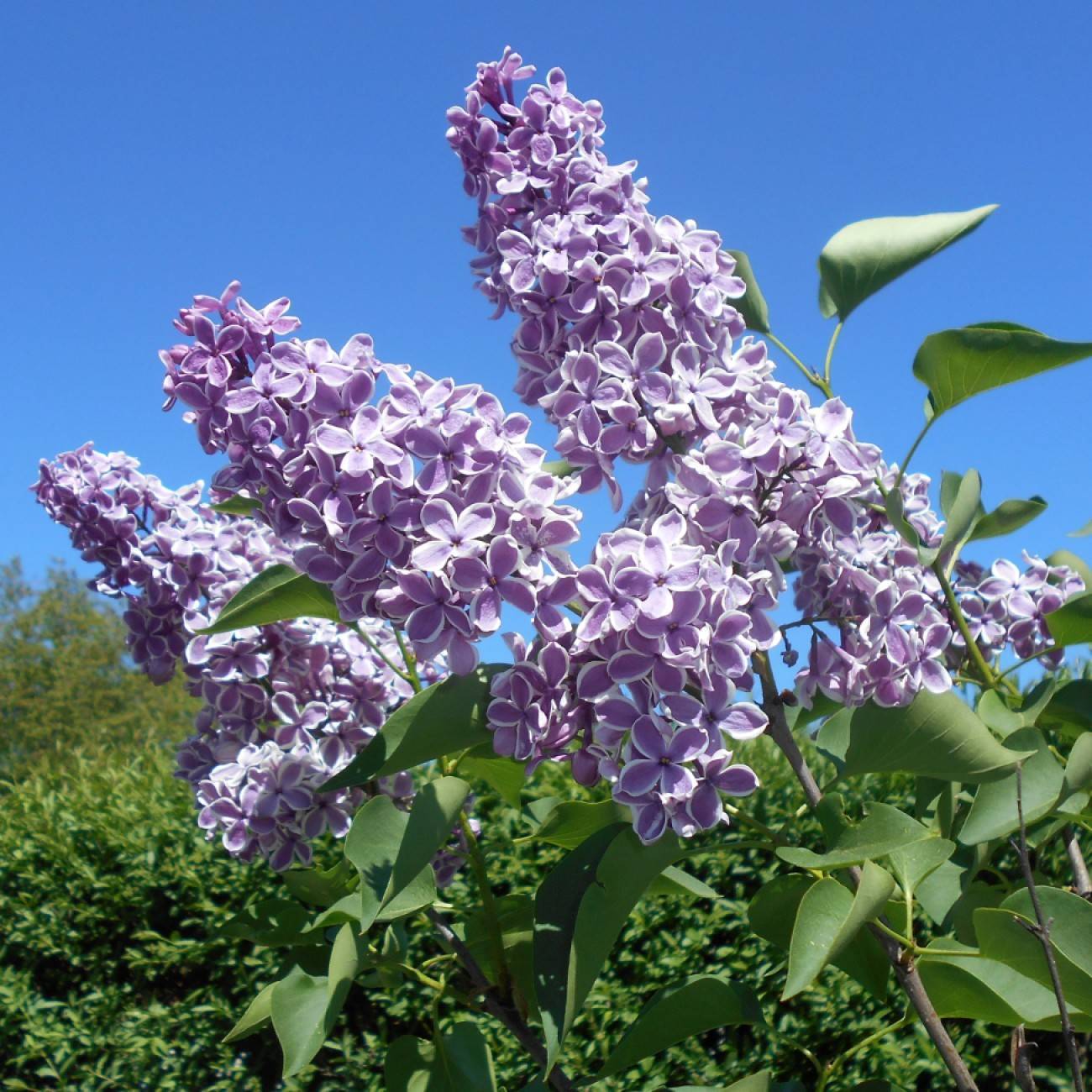
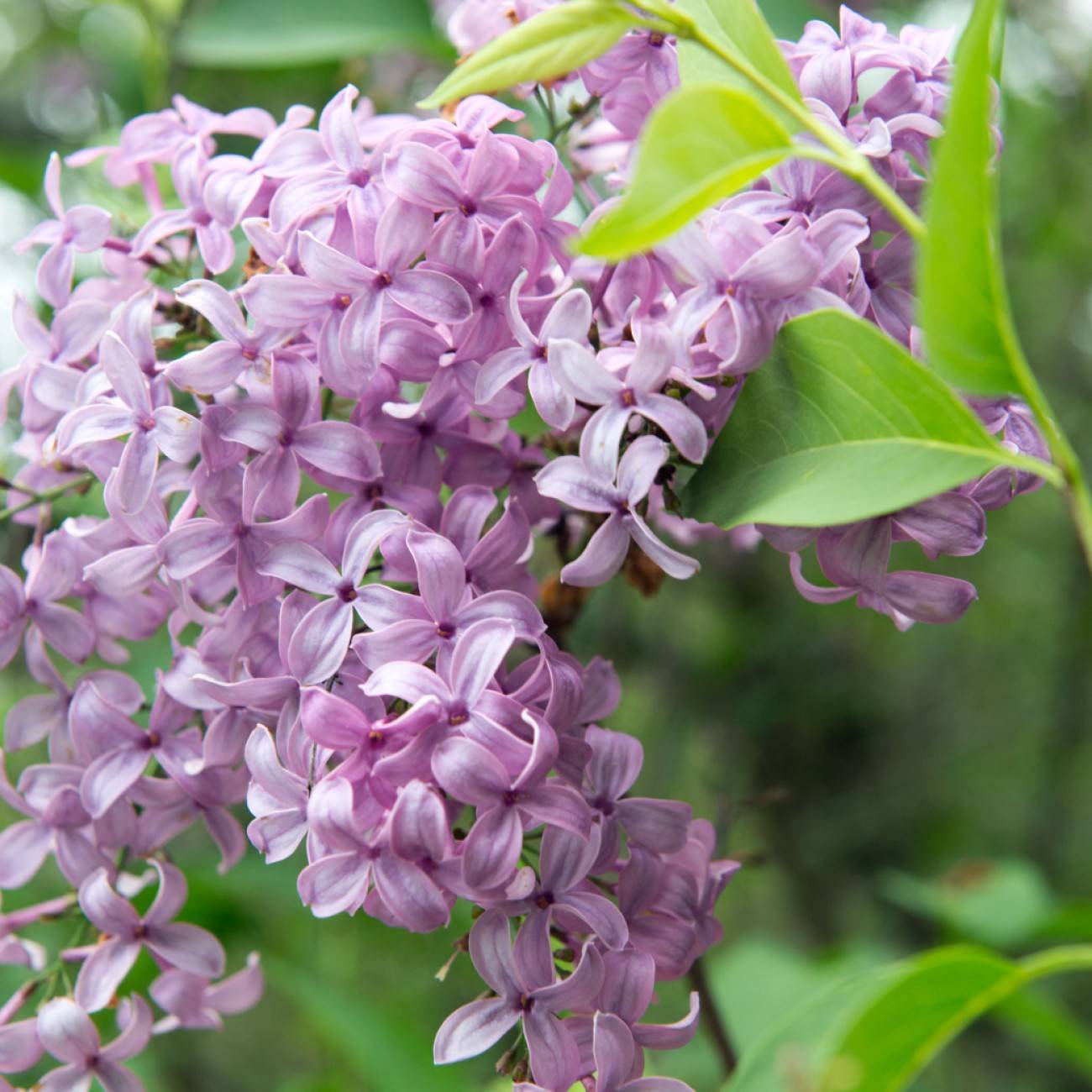
Common lilac is a cold-hardy deciduous shrub famous for its dense, showy clusters of highly fragrant flowers that bloom in mid to late spring. Its heart-shaped, medium green foliage turns yellow in fall, providing seasonal interest beyond its flowering period. Mature plants develop a multi-stemmed, spreading form, making them a popular choice for hedges, borders, and specimen plantings in temperate gardens. Some cultivated varieties offer double blooms, extended flowering times, or dwarf growth habits for smaller spaces.
Care Guide
Watering
Water newly planted common lilacs deeply once or twice weekly to keep the soil consistently moist but not waterlogged for the first two years, until root systems are established. Mature shrubs are drought-tolerant, requiring supplemental watering only during prolonged dry spells of two weeks or more. Avoid overwatering, as soggy soil can cause root rot and reduce flowering.
Light
Common lilacs require full sun, meaning at least 6 to 8 hours of direct, unfiltered sunlight per day to produce abundant blooms. Too much shade will result in sparse flowering, leggy growth, and increased susceptibility to fungal diseases. Plant in a south or east-facing location with no overhead shade from larger trees for best performance.
Soil
Grow common lilacs in fertile, well-drained soil with a neutral to slightly alkaline pH between 6.5 and 7.5. Heavy clay soils should be amended with compost or well-rotted manure to improve drainage before planting, as lilacs will not tolerate standing water around their root zones. Avoid overly rich, high-nitrogen soils, which can encourage foliage growth at the expense of flowers.
Fertilizer
Fertilize established lilacs once per year in early spring, just before new growth emerges, using a balanced, slow-release 10-10-10 fertilizer applied around the root zone at the rate recommended on the product label. Skip fertilization if the shrub is growing vigorously and flowering well, as excess nutrients can harm bloom production. Add a 2-inch layer of organic mulch, such as wood chips or shredded bark, each spring to retain soil moisture and suppress weeds, keeping mulch 6 inches away from the base of the stems to prevent rot.
Temperature
Common lilacs thrive in temperate climates with cold winters, requiring a minimum of 2,000 hours of temperatures below 45°F (7°C) during the dormant season to trigger bud break and flowering the following spring. They are hardy in USDA zones 3 through 7, struggling in regions with consistently warm winters above zone 8 where they fail to receive sufficient chill hours. Protect young shrubs from harsh, drying winter winds with burlap screens if planted in exposed locations to prevent stem damage.
Pruning
Prune common lilacs immediately after flowering finishes in late spring, as next year’s flower buds develop on the current season’s new growth; pruning later in the year will remove developing buds and reduce blooms the following spring. Remove up to one-third of the oldest, thickest stems at ground level each year to encourage new, vigorous growth and improve air circulation through the shrub’s canopy. Also snip off spent flower clusters to redirect the plant’s energy into root and new growth rather than seed production.
Propagation
The most reliable method for home gardeners to propagate common lilacs is through softwood cuttings taken in early summer, just after flowering has finished, selecting 4 to 6 inch long stems with healthy foliage, removing lower leaves, dipping the cut end in rooting hormone, and planting in a moist, well-drained rooting medium under high humidity. Lilacs also produce suckers from the root system that can be dug up and transplanted in late fall or early spring, ensuring each sucker has a portion of the attached root system to improve establishment. Growing lilacs from seed is not recommended for most home gardeners, as seeds can take 3 to 5 years to produce flowering plants and will not retain the characteristics of the parent cultivar.
Humidity
Common lilacs prefer moderate humidity levels between 40% and 60%, which is typical of most temperate growing regions. High humidity combined with poor air circulation can increase the risk of fungal diseases such as powdery mildew on foliage, so space plants properly to allow air flow between them. They tolerate low humidity levels well, making them suitable for drier temperate climates as long as soil moisture is maintained.
Repotting
Common lilacs are rarely grown in containers long-term, as their extensive root systems require ample space to spread, but young shrubs can be kept in large, 15 to 20 gallon containers for 2 to 3 years before needing to be planted in the ground. If repotting a young container-grown lilac, do so in early spring before new growth emerges, using a well-drained potting mix amended with compost, and select a container that is 2 to 3 inches larger in diameter than the current pot. Ensure the container has multiple drainage holes to prevent waterlogging, and water thoroughly after repotting to settle the soil around the roots.
Uses & Symbolism
Common lilacs are most commonly planted as ornamental specimen shrubs, privacy hedges, or border plants in temperate gardens, valued for their iconic fragrant spring blooms. Cut flower stems are popular for floral arrangements, with their scent filling indoor spaces for several days after cutting. Historically, lilac flowers have been used to make perfumes, essential oils, jams, and honey infusions, while extracts from the bark and leaves have been used in traditional herbal medicine for anti-inflammatory and astringent properties.
Diseases & Pests
Common lilacs are susceptible to powdery mildew, a fungal disease that appears as a white, powdery coating on foliage, especially in humid conditions with poor air circulation; it is mostly cosmetic but can be reduced by pruning to improve air flow and avoiding overhead watering. Bacterial blight causes brown, water-soaked spots on leaves and stems, leading to dieback, and can be managed by removing infected plant material and avoiding watering foliage in the evening. Common pests include aphids, scale insects, and lilac borers, which can be controlled with horticultural oil sprays or insecticidal soap applied according to label directions.
Related plants
Other plants you might like if you grow Common Lilac.
%22%2F%3E%0A%20%20%20%20%20%20%3Ccircle%20cx%3D%22920%22%20cy%3D%22180%22%20r%3D%2290%22%20fill%3D%22%23cfe8d5%22%2F%3E%0A%20%20%20%20%20%20%3Cpath%20d%3D%22M600%20590c-90-180-215-255-310-280%200%20165%20118%20296%20270%20296h40z%22%20fill%3D%22%2379b88e%22%2F%3E%0A%20%20%20%20%20%20%3Cpath%20d%3D%22M600%20590c80-150%20198-212%20302-228-8%20142-123%20255-270%20255h-32z%22%20fill%3D%22%235c9f73%22%2F%3E%0A%20%20%20%20%20%20%3Cpath%20d%3D%22M600%20610V360%22%20stroke%3D%22%234f8c64%22%20stroke-width%3D%2218%22%20stroke-linecap%3D%22round%22%2F%3E%0A%20%20%20%20%20%20%3Ctext%20x%3D%22600%22%20y%3D%22700%22%20text-anchor%3D%22middle%22%20font-family%3D%22Arial%2C%20sans-serif%22%20font-size%3D%2244%22%20fill%3D%22%23365c45%22%3E%0A%20%20%20%20%20%20%20%20Plant%20image%20coming%20soon%0A%20%20%20%20%20%20%3C%2Ftext%3E%0A%20%20%20%20%3C%2Fsvg%3E%0A%20%20)