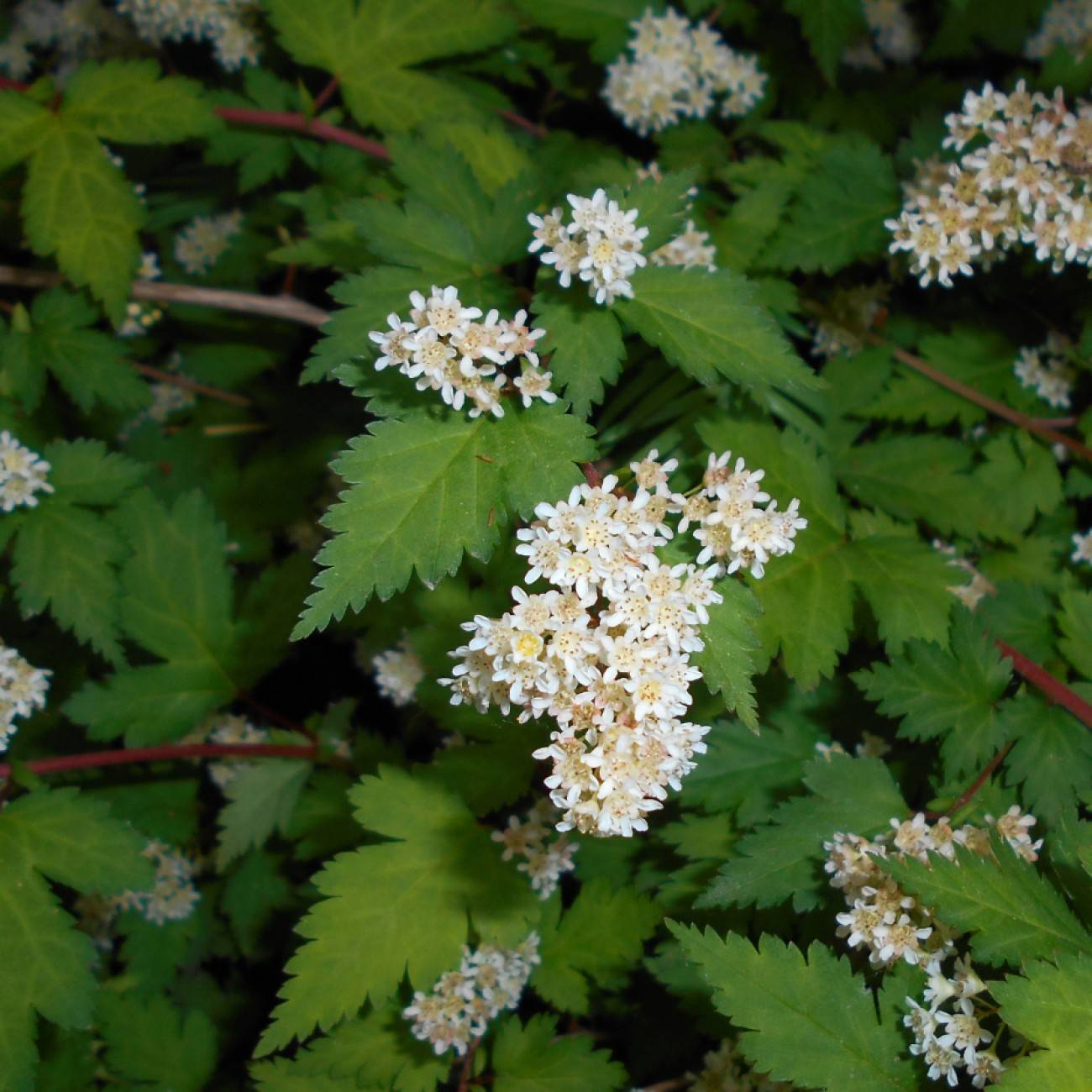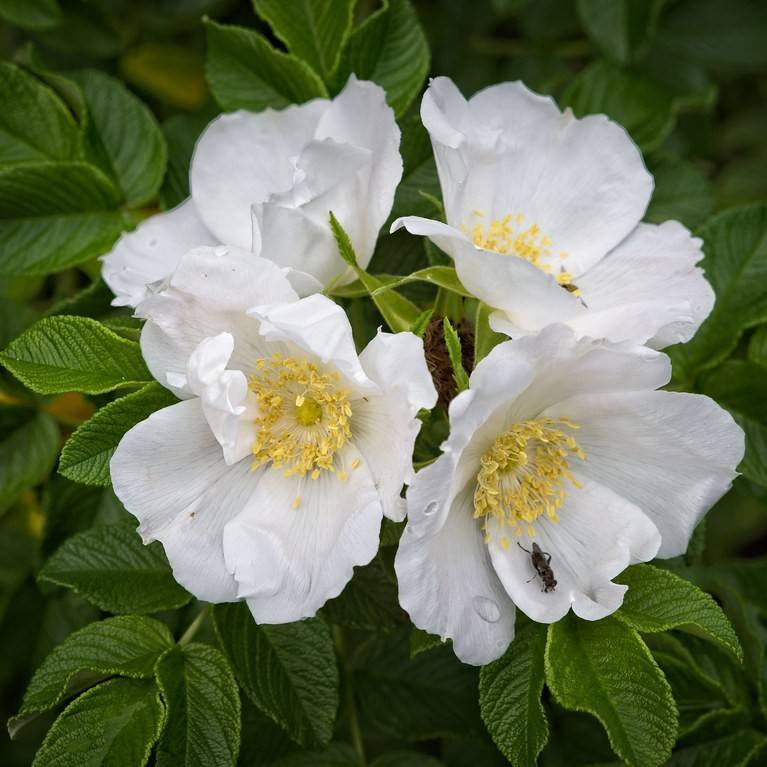
Japanese Rose
Kerria japonica
Overview
Japanese rose is a hardy, deciduous shrub with slender, bright green arching stems that retain their color through winter, adding year-round visual appeal. It produces abundant, rose-like golden yellow flowers in mid to late spring, with some cultivars offering double-petaled blooms for a fuller, ruffled appearance. Adaptable to a range of growing conditions, it thrives in temperate gardens and tolerates partial shade better than many other flowering shrubs.
Care Guide
Watering
Water regularly during the first growing season to establish a deep, extensive root system, keeping soil consistently moist but not waterlogged. Once established, Japanese rose is moderately drought-tolerant, requiring supplemental watering only during prolonged dry spells. Avoid overwatering, as soggy soil can lead to root rot.
Light
Grow in full sun to partial shade, with dappled afternoon shade recommended in regions with intense summer heat to prevent flower fading. Full sun exposure encourages the most abundant bloom production, while partial shade suits woodland garden settings and reduces stress in hot climates. Too much deep shade will result in sparse flowering and leggy growth.
Soil
Prefers fertile, well-drained, loamy soil with a slightly acidic to neutral pH, though it adapts to a wide range of soil types including clay and sandy soils as long as drainage is adequate. Amend heavy clay soils with compost or well-rotted organic matter before planting to improve drainage and nutrient content. Avoid waterlogged or highly alkaline soils, which can cause stress and poor growth.
Fertilizer
Apply a balanced, slow-release granular fertilizer in early spring before new growth emerges to support healthy foliage and abundant flowering. Top-dress with a 2-inch layer of organic compost or well-rotted manure around the base of the shrub each fall to boost soil fertility over time. Avoid over-fertilizing with high-nitrogen products, as this can lead to excessive leaf growth at the expense of blooms.
Temperature
Hardy in USDA zones 4 through 9, tolerating winter temperatures as low as -30°F (-34°C) without significant damage. In colder zones, protect young plants with a layer of mulch around the base in late fall to insulate roots from extreme temperature fluctuations. It tolerates summer heat well as long as it receives adequate moisture and partial shade in the hottest parts of the day.
Pruning
Prune immediately after flowering finishes in late spring to shape the shrub and remove any dead, damaged, or crossing stems. Every 3 to 4 years, perform a rejuvenation prune by cutting one-third of the oldest stems back to the ground to encourage new, vigorous growth and maintain a tidy form. Avoid pruning in fall or winter, as this will remove the following year’s flower buds, which form on old wood.
Propagation
Easily propagated from softwood cuttings taken in early summer, rooted in moist potting mix under indirect light with high humidity. It can also be propagated by division in early spring before new growth begins, separating mature clumps into smaller sections with intact roots and stems. Layering is another simple method: bend a low-growing stem to the ground, cover a section with soil, and allow it to root before severing it from the parent plant the following year.
Humidity
Tolerates average ambient humidity levels typical of temperate regions, with no special humidity requirements for healthy growth. It adapts well to both moderately dry and moderately humid conditions, as long as soil moisture is adequate. In extremely dry, arid climates, occasional misting or placement near a water feature can help reduce stress, though it is not strictly necessary.
Repotting
Japanese rose is primarily grown in garden landscapes, but if potted, repot every 2 to 3 years in early spring before new growth emerges, using a slightly larger container with fresh, well-drained potting mix. When repotting, gently loosen tangled roots and trim any damaged or excessively long root sections to encourage healthy new growth. Ensure pots have adequate drainage holes to prevent waterlogging, which is a common issue for potted specimens.
Uses & Symbolism
Japanese rose is widely planted as an ornamental shrub in landscape borders, woodland gardens, and foundation plantings, valued for its bright spring blooms and winter stem interest. Its flexible stems are sometimes used in cut flower arrangements, adding a pop of golden color to spring bouquets. In traditional East Asian medicine, extracts from its bark and roots have been used to treat minor inflammatory conditions and coughs.
Diseases & Pests
Japanese rose is relatively pest and disease resistant, though it can be susceptible to leaf spot, powdery mildew, and root rot in overly wet, poorly drained conditions. Common occasional pests include aphids, scale insects, and spider mites, which can be controlled with insecticidal soap or horticultural oil. In regions with high humidity, ensure good air circulation around the shrub to reduce the risk of fungal foliage diseases.
Related plants
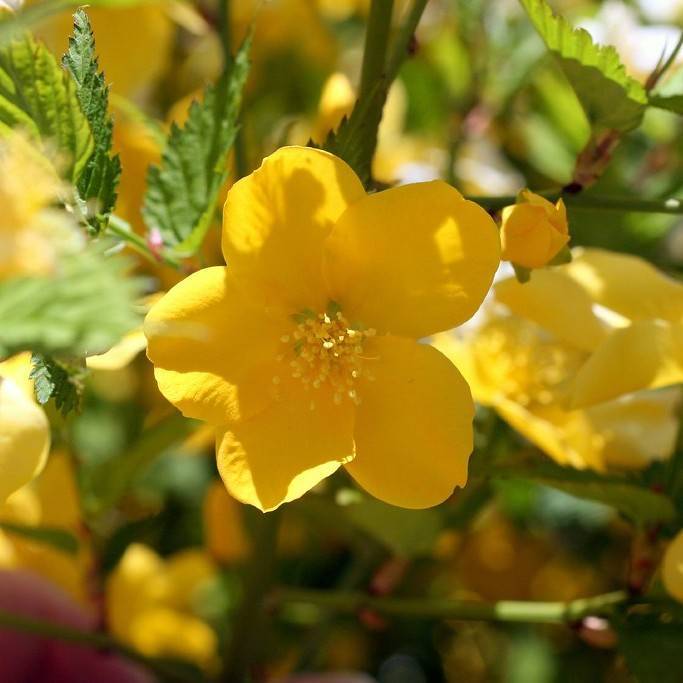
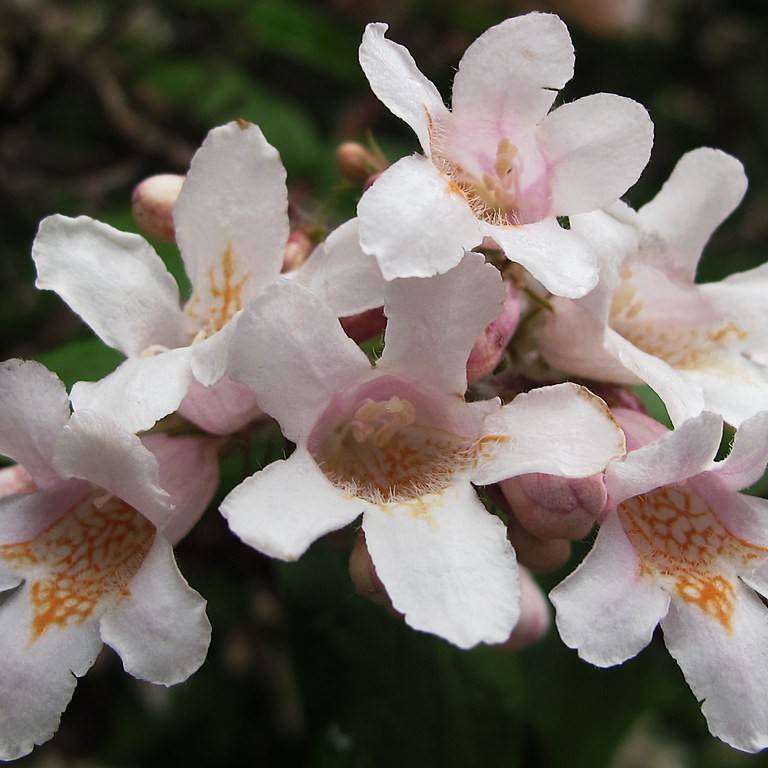
Other plants you might like if you grow Japanese Rose.
%22%2F%3E%0A%20%20%20%20%20%20%3Ccircle%20cx%3D%22920%22%20cy%3D%22180%22%20r%3D%2290%22%20fill%3D%22%23cfe8d5%22%2F%3E%0A%20%20%20%20%20%20%3Cpath%20d%3D%22M600%20590c-90-180-215-255-310-280%200%20165%20118%20296%20270%20296h40z%22%20fill%3D%22%2379b88e%22%2F%3E%0A%20%20%20%20%20%20%3Cpath%20d%3D%22M600%20590c80-150%20198-212%20302-228-8%20142-123%20255-270%20255h-32z%22%20fill%3D%22%235c9f73%22%2F%3E%0A%20%20%20%20%20%20%3Cpath%20d%3D%22M600%20610V360%22%20stroke%3D%22%234f8c64%22%20stroke-width%3D%2218%22%20stroke-linecap%3D%22round%22%2F%3E%0A%20%20%20%20%20%20%3Ctext%20x%3D%22600%22%20y%3D%22700%22%20text-anchor%3D%22middle%22%20font-family%3D%22Arial%2C%20sans-serif%22%20font-size%3D%2244%22%20fill%3D%22%23365c45%22%3E%0A%20%20%20%20%20%20%20%20Plant%20image%20coming%20soon%0A%20%20%20%20%20%20%3C%2Ftext%3E%0A%20%20%20%20%3C%2Fsvg%3E%0A%20%20)