Late Lilac
Syringa villosa
Overview
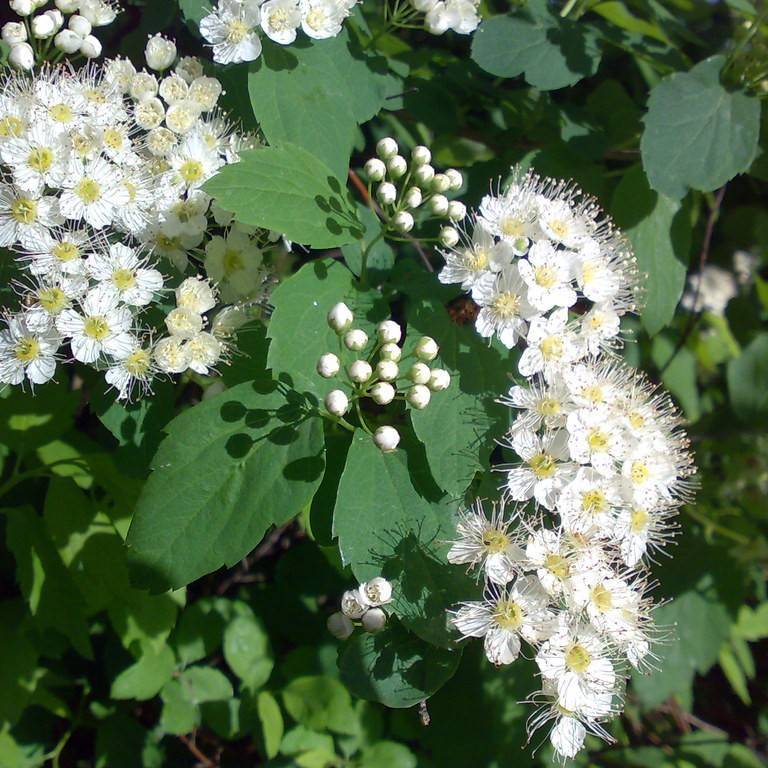
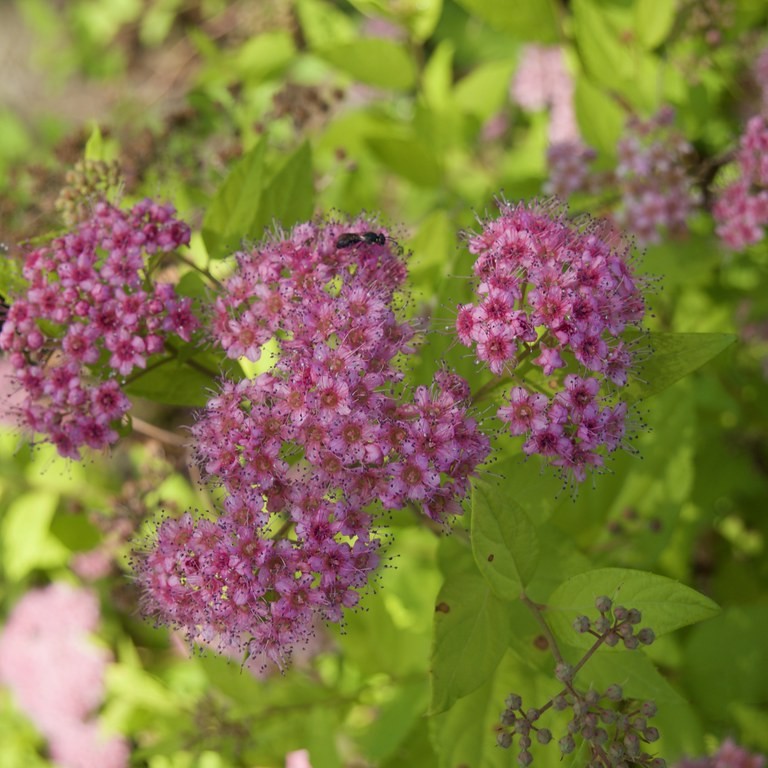
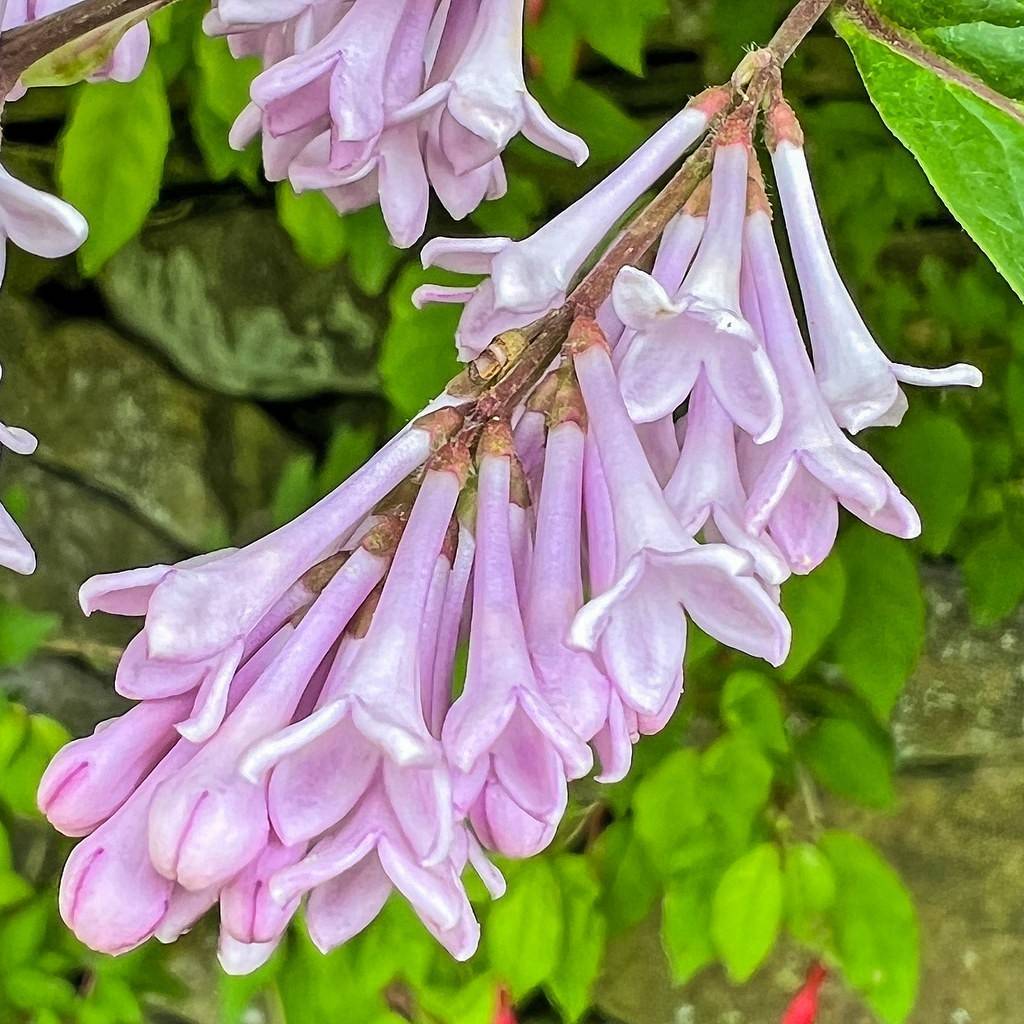
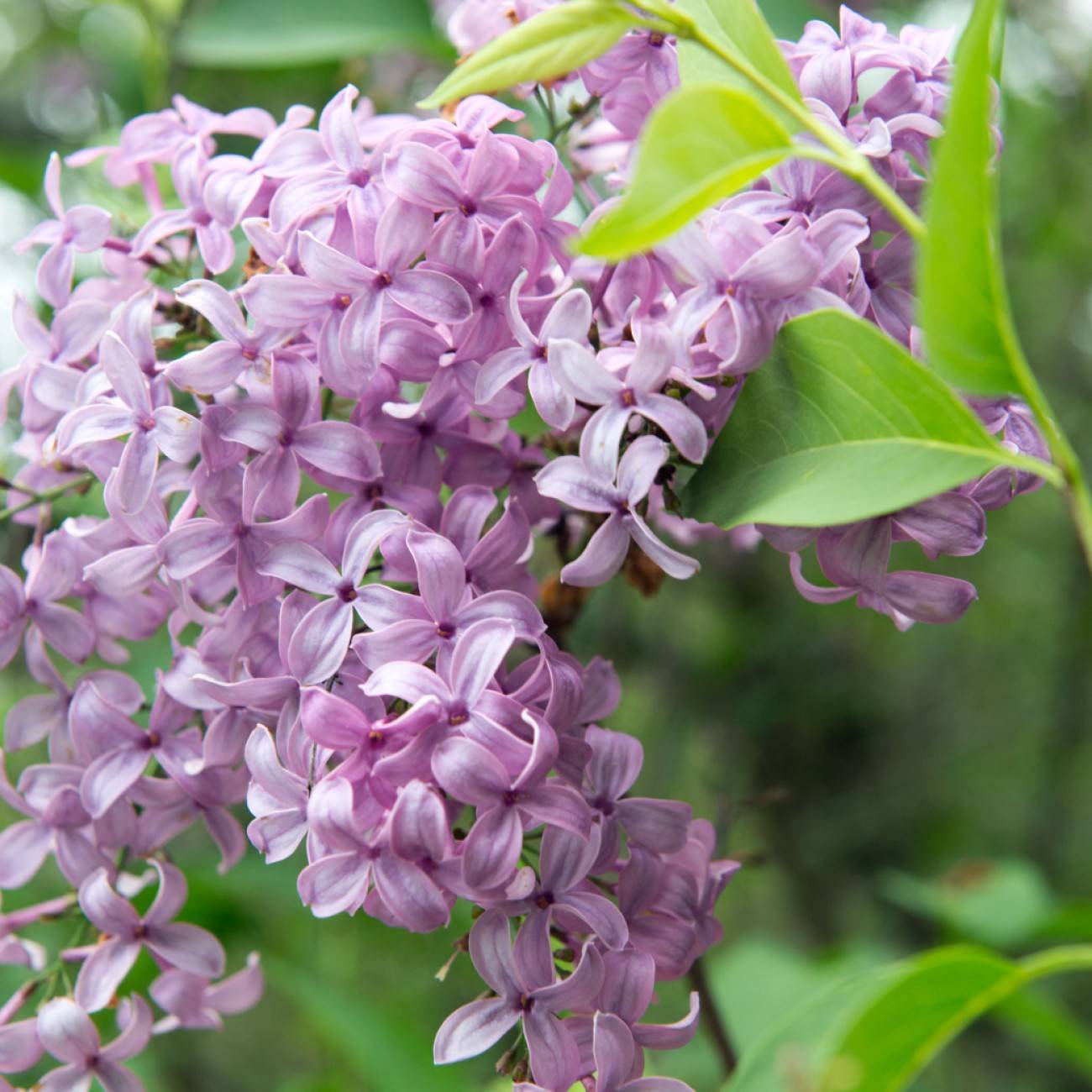
Late lilac, also called villous lilac, is a hardy, rounded deciduous shrub valued for its later bloom period that fills the gap between common lilac blooms and summer flowering shrubs. It produces dense, upright panicles of sweetly fragrant, pale pink to rosy lilac flowers that attract pollinators including bees, butterflies, and hummingbirds. Its dark green, elliptical leaves have a slightly fuzzy underside, and it develops good resistance to powdery mildew, a common issue for many other lilac varieties. Mature specimens develop a dense, spreading habit that works well as a hedge, specimen plant, or border anchor.
Care Guide
Watering
Water late lilac deeply once a week during the first two growing seasons to establish a strong root system, allowing the top 2 inches of soil to dry out between waterings. Once established, it is moderately drought tolerant, requiring supplemental watering only during extended periods of hot, dry weather to prevent leaf drop and support healthy bloom development. Avoid overwatering or planting in areas with standing water, as this can lead to root rot and fungal issues.
Light
Late lilac thrives in full sun, requiring a minimum of 6 hours of direct, unfiltered sunlight per day to produce abundant, fragrant blooms. It can tolerate partial shade, but plants grown in shadier conditions will produce fewer flowers, have a more open, leggy growth habit, and be more susceptible to fungal diseases. Plant it in a south or west-facing location with no overhead shade from larger trees for best performance.
Soil
This shrub adapts to a wide range of soil types, including loam, sandy, and clay soils, as long as the site has good drainage. It prefers a neutral to slightly alkaline soil pH between 6.5 and 7.5, and will struggle in overly acidic soils, which can be amended with ground limestone to raise pH if needed. Amend heavy clay soils with compost or well-rotted manure at planting time to improve drainage and add organic matter that supports healthy root growth.
Fertilizer
Apply a balanced, slow-release 10-10-10 fertilizer in early spring before new growth emerges, spreading it evenly around the base of the shrub and watering it in thoroughly to avoid burning the roots. Avoid overfertilizing, especially with high-nitrogen formulas, as this can promote excessive foliage growth at the expense of flower production. Established plants rarely need additional feeding, but a light application of compost around the base each fall can improve soil quality without stimulating unwanted late-season growth.
Temperature
Late lilac is extremely cold hardy, tolerating winter temperatures down to -40°F (-40°C) in USDA hardiness zones 3 through 7, and requires a period of winter chill to set buds for the following year’s blooms. It performs best in regions with cool winters and mild spring temperatures, and may struggle in areas with prolonged summer heat above 90°F (32°C), where it benefits from occasional afternoon shade. Avoid planting it in low-lying frost pockets where late spring frosts can damage emerging flower buds.
Pruning
Prune late lilac immediately after it finishes flowering, as it sets bloom buds on the previous year’s growth; pruning later in the season or in winter will remove the following year’s flowers. Remove spent flower panicles to encourage more vigorous growth and better bloom production the next year, and cut out any dead, diseased, or crossing branches to improve air circulation through the canopy. Mature shrubs can be rejuvenated by cutting out up to one-third of the oldest, woodiest stems at ground level every 2 to 3 years to promote new, healthy growth.
Propagation
Late lilac is most commonly propagated from softwood cuttings taken in early summer, after flowering has finished, using 4-6 inch long stem tips with no flower buds, dipped in rooting hormone and placed in a well-draining potting mix under high humidity. It can also be propagated from seed collected from dried seed pods in fall, though seed-grown plants will not come true to the parent variety and may take 3 to 4 years to produce flowers. Suckers that grow from the base of established shrubs can be dug up and transplanted in late fall or early spring for an exact clone of the parent plant.
Humidity
Late lilac prefers average humidity levels between 40% and 60%, and is tolerant of drier air common in its native range and temperate garden settings. Good air circulation around the shrub is important to prevent fungal diseases, especially in areas with higher summer humidity, so avoid overcrowding it with other plants. It does not tolerate prolonged high humidity combined with high temperatures, which can lead to leaf spot and reduced bloom production the following year.
Repotting
Late lilac is rarely grown in containers long-term, as its extensive root system and large mature size make it better suited for in-ground planting. If growing in a large container temporarily, repot every 2 to 3 years in early spring before new growth emerges, using a well-draining potting mix and selecting a container that is 2 to 3 inches larger in diameter than the current one. Ensure the container has adequate drainage holes to prevent waterlogging, and elevate it slightly off the ground to improve drainage during wet weather.
Uses & Symbolism
Late lilac is widely used as an ornamental shrub in residential and public gardens, planted as a specimen plant, informal hedge, or border anchor to extend the spring flowering season after common lilacs have finished blooming. Its fragrant flowers are popular for cut flower arrangements, retaining their scent for several days when cut just as the first buds on the panicle open. In its native range, parts of the plant have been used in traditional medicine for their anti-inflammatory properties, though medicinal use is not common in Western horticulture.
Diseases & Pests
Late lilac has good resistance to powdery mildew, a common fungal disease that plagues many other lilac varieties, though it can still be affected in overly shaded, poorly ventilated growing conditions. Common pests include aphids, scale insects, and lilac borers, which can be controlled with horticultural oil sprays applied in early spring before new growth emerges, or with insecticidal soap for active infestations. Root rot can occur in poorly drained soils, so ensuring proper site drainage and avoiding overwatering is the best prevention for this potentially fatal fungal issue.
Related plants
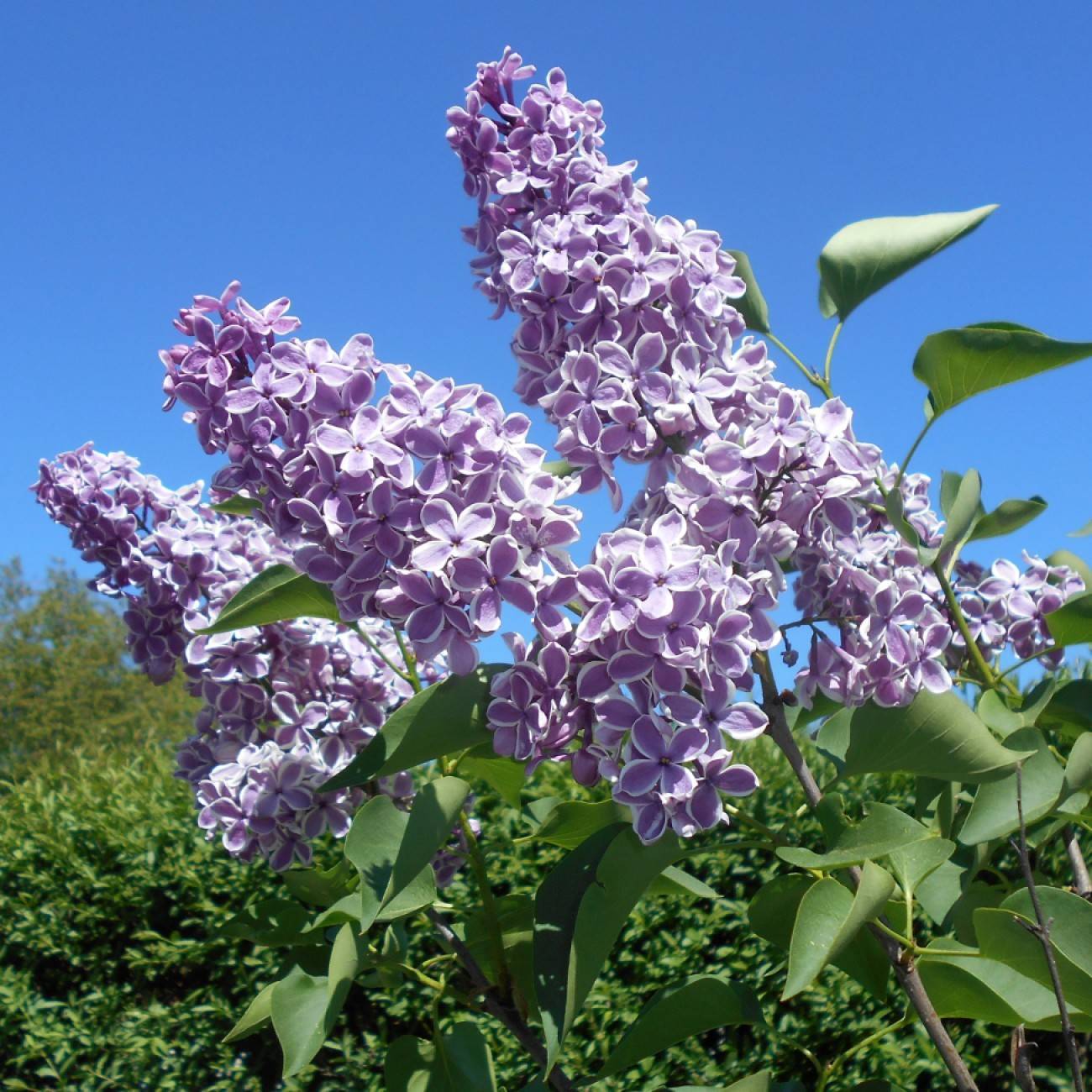
Other plants you might like if you grow Late Lilac.
%22%2F%3E%0A%20%20%20%20%20%20%3Ccircle%20cx%3D%22920%22%20cy%3D%22180%22%20r%3D%2290%22%20fill%3D%22%23cfe8d5%22%2F%3E%0A%20%20%20%20%20%20%3Cpath%20d%3D%22M600%20590c-90-180-215-255-310-280%200%20165%20118%20296%20270%20296h40z%22%20fill%3D%22%2379b88e%22%2F%3E%0A%20%20%20%20%20%20%3Cpath%20d%3D%22M600%20590c80-150%20198-212%20302-228-8%20142-123%20255-270%20255h-32z%22%20fill%3D%22%235c9f73%22%2F%3E%0A%20%20%20%20%20%20%3Cpath%20d%3D%22M600%20610V360%22%20stroke%3D%22%234f8c64%22%20stroke-width%3D%2218%22%20stroke-linecap%3D%22round%22%2F%3E%0A%20%20%20%20%20%20%3Ctext%20x%3D%22600%22%20y%3D%22700%22%20text-anchor%3D%22middle%22%20font-family%3D%22Arial%2C%20sans-serif%22%20font-size%3D%2244%22%20fill%3D%22%23365c45%22%3E%0A%20%20%20%20%20%20%20%20Plant%20image%20coming%20soon%0A%20%20%20%20%20%20%3C%2Ftext%3E%0A%20%20%20%20%3C%2Fsvg%3E%0A%20%20)