Chinese Lilac
Syringa × chinensis
Overview
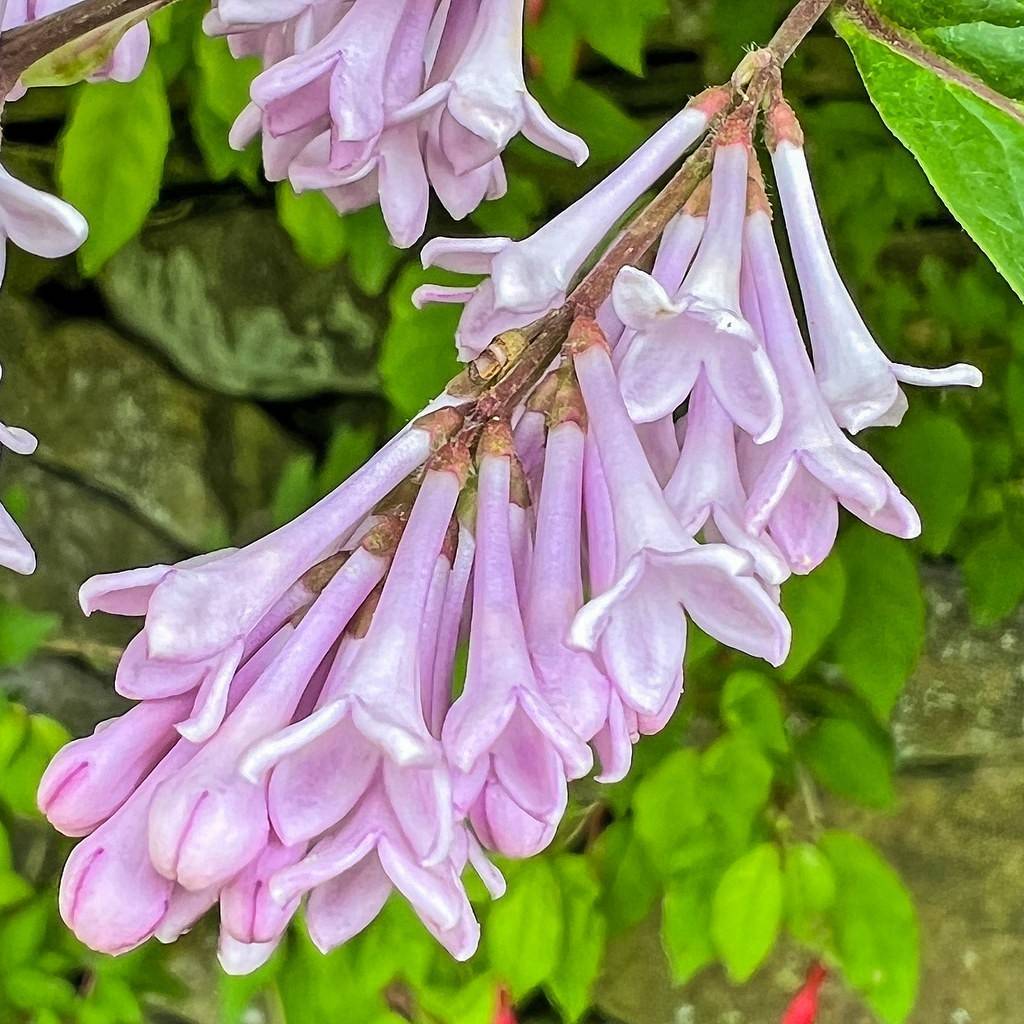
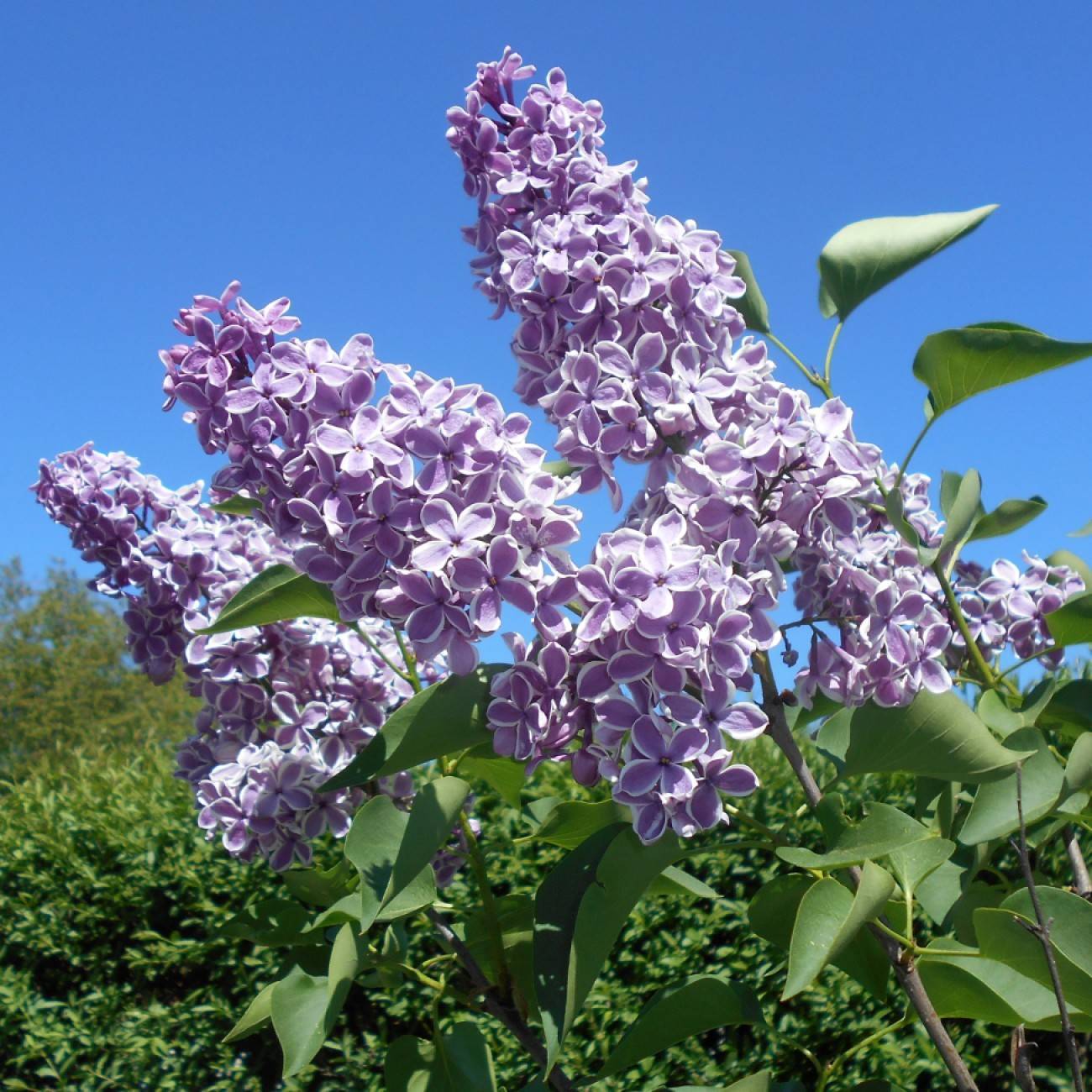
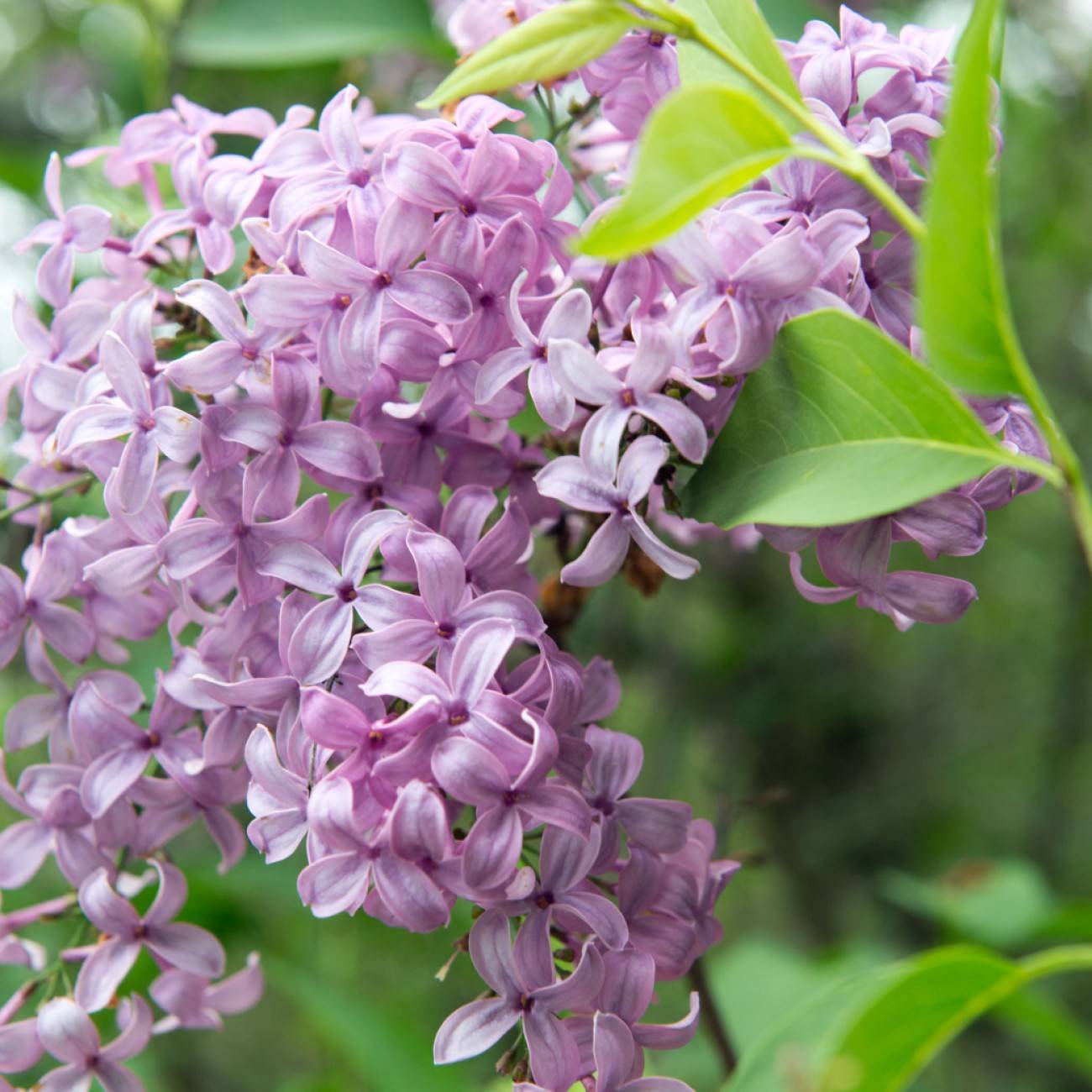
Chinese lilac is a vigorous deciduous shrub developed from crossbreeding common and Persian lilacs, prized for its abundant, sweetly scented flower clusters that bloom in mid-spring. It has a rounded, densely branched form with heart-shaped to lanceolate, dark green foliage that retains its color through the summer growing season. Hardier and more compact than common lilac, it adapts well to a range of temperate growing conditions and is widely cultivated in North America, Europe, and East Asia.
Care Guide
Watering
Water newly planted Chinese lilacs deeply once per week for the first growing season to establish a robust root system, keeping soil consistently moist but not waterlogged. Once established, the shrub is highly drought-tolerant, requiring supplemental watering only during extended periods of 2 or more weeks without rainfall. Avoid overwatering, as saturated soil can trigger root rot and reduce flowering.
Light
Grow Chinese lilac in full sun, defined as a minimum of 6 hours of direct, unfiltered sunlight per day, to support the heaviest, most fragrant bloom production. It can tolerate partial shade, but reduced light will result in sparse flowering, lanky growth, and increased susceptibility to fungal diseases. Plant in an open, unobstructed location away from tall trees or structures that may block sunlight during peak growing hours.
Soil
Chinese lilac thrives in well-drained, loamy, neutral to slightly alkaline soil with a pH between 6.5 and 7.5, though it can adapt to poor, rocky, or clay soils as long as drainage is adequate. It will not survive in consistently waterlogged or heavy, compacted soils, so amend heavy clay with compost or coarse sand at planting time to improve drainage. Avoid overly rich, nitrogen-heavy soil, as it can encourage excessive foliage growth at the expense of blooms.
Fertilizer
Apply a balanced, slow-release 10-10-10 fertilizer in early spring, just before new leaf growth emerges, spreading it evenly around the base of the shrub and watering thoroughly to work it into the soil. For established shrubs with poor flowering, you may apply a phosphorus-rich bone meal supplement in late fall to support root development and next year’s bloom buds. Do not fertilize after mid-summer, as new growth stimulated by late feeding will be vulnerable to frost damage in cold climates.
Temperature
Chinese lilac is cold-hardy in USDA zones 3 through 7, tolerating winter temperatures as low as -40°F (-40°C) without significant damage. It requires a minimum of 2,000 hours of winter chill (temperatures below 45°F / 7°C) to break dormancy and produce blooms, making it unsuitable for warm, subtropical climates with mild winters. Extreme late spring frosts can damage emerging flower buds, so plant in a location protected from harsh, cold spring winds if possible.
Pruning
Prune Chinese lilac immediately after flowering finishes in late spring, as bloom buds form on the previous year’s growth; pruning later in the season will remove next year’s flowers. Remove dead, damaged, or diseased branches first, then thin up to one-third of the oldest, woodiest stems to encourage new, vigorous growth that will produce future blooms. To maintain a compact shape, trim back overgrown branches by up to one-third of their length after flowering, and remove any root suckers that sprout around the base of the shrub to prevent unwanted spreading.
Propagation
The most reliable method for propagating Chinese lilac is through softwood cuttings taken in late spring or early summer, from new, flexible growth that has not yet turned woody. Dip cut end of 4-6 inch cuttings in rooting hormone, plant in a well-drained soilless potting mix, and keep under high humidity with indirect light until roots form in 4-6 weeks. It can also be propagated by dividing mature, well-established shrubs in late fall or early winter while the plant is dormant, separating root clumps and replanting immediately in prepared soil.
Humidity
Chinese lilac prefers average to low humidity levels between 40% and 60%, typical of its native temperate growing regions. High humidity combined with poor air circulation increases the risk of foliar fungal diseases like powdery mildew, so space plants at least 10 feet apart to allow for ample airflow around foliage. It does not require supplemental humidity, and performs well in both dry, arid regions and moderately humid temperate areas as long as soil drainage is adequate.
Repotting
Chinese lilac is rarely grown in containers long-term, as its extensive root system requires ample space to spread; if grown in a pot, repot young shrubs every 2-3 years in early spring before new growth emerges. Use a large, heavy container with drainage holes, and fill with a well-drained, loamy potting mix amended with a small amount of garden lime to maintain slightly alkaline pH. For mature container-grown shrubs, refresh the top 2-3 inches of soil each spring if full repotting is not feasible, and prune back overgrown roots by up to one-third every 3-4 years to keep the shrub a manageable size.
Uses & Symbolism
Chinese lilac is a popular ornamental landscaping shrub, planted as a specimen plant, in hedge rows, or in mixed shrub borders for its showy, fragrant spring blooms that attract bees, butterflies, and other pollinators. Its cut flower clusters are widely used in fresh floral arrangements, as the blooms retain their sweet scent for several days after being cut. Historically, lilac flowers have been used in small quantities for culinary infusions, syrups, and natural perfumes, though this practice is less common for the Chinese hybrid than for common lilac.
Diseases & Pests
The most common disease affecting Chinese lilac is powdery mildew, a fungal infection that appears as a white, powdery coating on foliage, typically occurring in humid conditions with poor air circulation; it is rarely fatal but can be treated with neem oil or fungicidal sprays, and prevented by proper spacing and planting in full sun. Bacterial blight causes brown, water-soaked spots on leaves and stems, and can kill young shoots; prune and destroy infected tissue immediately, and avoid overhead watering to reduce spread. Common pests include lilac borers, which tunnel into woody stems and cause wilting or branch dieback, and scale insects, which feed on sap and can be controlled with horticultural oil applied in early spring before new growth emerges.
Related plants
Other plants you might like if you grow Chinese Lilac.