Virginia Sweetspire
Itea virginica
Overview
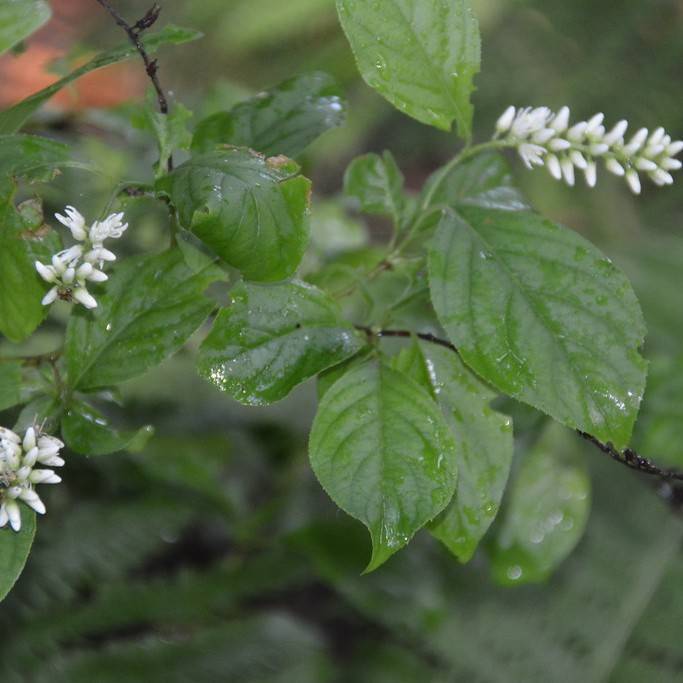
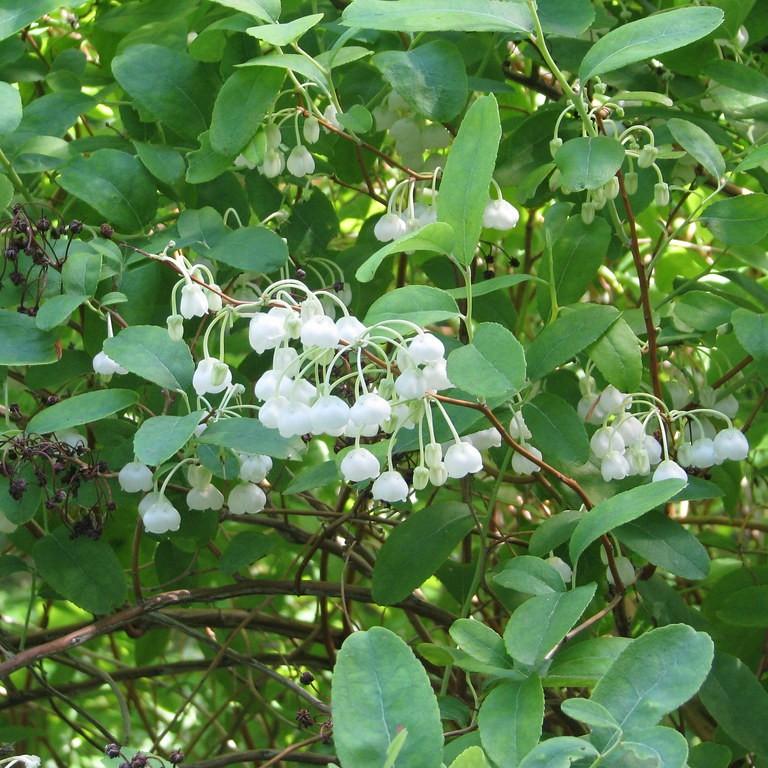
Virginia sweetspire, the most widely cultivated species of the Itea genus, is a dense, mounding deciduous shrub native to wetland edges, stream banks, and woodland margins of eastern North America. It produces arching, upright stems lined with oval, medium-green leaves that turn brilliant scarlet, orange, and deep purple in autumn, holding their color for several weeks. In late spring to early summer, it bears drooping 3-6 inch racemes of tiny, fragrant, creamy white flowers that attract pollinators including bees and butterflies.
Care Guide
Watering
Prefers consistently moist, well-drained soil and tolerates periodic flooding, making it ideal for rain gardens or low-lying wet areas; water deeply once weekly during dry spells to prevent leaf drop, and avoid letting the root zone dry out completely for extended periods. Established shrubs have moderate drought tolerance, but regular moisture supports lusher foliage and more abundant flowering.
Light
Grows best in full sun to partial shade, with full sun exposure producing the heaviest flower displays and most intense fall foliage color. In regions with hot, intense summer sun, provide light afternoon shade to prevent leaf scorch and reduce water requirements.
Soil
Adaptable to a wide range of soil types including clay, loam, and sandy soils, and tolerates acidic to neutral pH levels as well as poorly drained, wet soils that cause root rot in many other shrub species. Amending heavy clay soils with organic matter such as compost will improve drainage and support faster root establishment.
Fertilizer
Apply a balanced, slow-release granular fertilizer (10-10-10 NPK) in early spring before new growth emerges, spreading it evenly around the base of the shrub and watering thoroughly to help nutrients penetrate the root zone. Avoid over-fertilizing, as excessive nitrogen can lead to leggy growth and reduced flowering.
Temperature
Hardy in USDA zones 5 to 9, tolerating winter lows down to -20°F (-29°C) without significant damage when established. It thrives in summer temperatures between 65-85°F (18-29°C), and benefits from a thick layer of mulch around the root zone in winter to insulate roots in colder parts of its range.
Pruning
Prune immediately after flowering ends in summer, as blooms form on previous year’s wood; remove up to one-third of the oldest, woodiest stems at ground level to encourage new, vigorous growth and improve air circulation through the canopy. Trim back any wayward or crossing branches to maintain the desired mounded shape, and remove spent flower racemes if a tidier appearance is preferred.
Propagation
Most easily propagated from softwood cuttings taken in early summer, rooting within 4-6 weeks when kept in moist, well-drained potting mix under indirect light. It can also be propagated by dividing mature clumps in early spring before new growth begins, or by sowing stratified seeds in fall, though seed-grown plants may take 2-3 years to bloom.
Humidity
Adaptable to a wide range of humidity levels, thriving in the moderate to high humidity of its native southeastern North American range, and tolerating drier air in cooler inland regions as long as soil moisture is consistent. No additional humidity adjustments are needed for outdoor-grown plants, and it does not perform well as an indoor houseplant due to its light and space requirements.
Repotting
Typically grown as an outdoor landscape shrub, so repotting is only necessary for container-grown specimens; repot every 2-3 years in early spring before new growth emerges, using a loamy, well-drained potting mix and selecting a pot 2-3 inches larger in diameter than the current container. Ensure containers have adequate drainage holes to prevent waterlogged soil, and add a layer of gravel at the bottom of the pot to improve drainage.
Uses & Symbolism
Widely used in native plant gardens, rain gardens, erosion control plantings along stream banks, and shrub borders, where its showy blooms and vibrant fall foliage provide multi-season interest. Its tolerance for wet soils makes it a valuable choice for low-lying areas of the landscape that stay damp for extended periods, and its fragrant flowers support native pollinator populations. Some smaller dwarf cultivars, such as 'Little Henry', are popular for smaller gardens and container planting.
Diseases & Pests
Generally pest and disease resistant, though it may occasionally develop leaf spot or powdery mildew in areas with poor air circulation or extended periods of high humidity. Aphids and spider mites may infest stressed plants, especially those grown in overly dry conditions, and can be controlled with insecticidal soap or horticultural oil sprays. Root rot may occur in poorly drained soils if plants are subjected to permanent, standing water for weeks at a time.
Related plants
Other plants you might like if you grow Virginia Sweetspire.
%22%2F%3E%0A%20%20%20%20%20%20%3Ccircle%20cx%3D%22920%22%20cy%3D%22180%22%20r%3D%2290%22%20fill%3D%22%23cfe8d5%22%2F%3E%0A%20%20%20%20%20%20%3Cpath%20d%3D%22M600%20590c-90-180-215-255-310-280%200%20165%20118%20296%20270%20296h40z%22%20fill%3D%22%2379b88e%22%2F%3E%0A%20%20%20%20%20%20%3Cpath%20d%3D%22M600%20590c80-150%20198-212%20302-228-8%20142-123%20255-270%20255h-32z%22%20fill%3D%22%235c9f73%22%2F%3E%0A%20%20%20%20%20%20%3Cpath%20d%3D%22M600%20610V360%22%20stroke%3D%22%234f8c64%22%20stroke-width%3D%2218%22%20stroke-linecap%3D%22round%22%2F%3E%0A%20%20%20%20%20%20%3Ctext%20x%3D%22600%22%20y%3D%22700%22%20text-anchor%3D%22middle%22%20font-family%3D%22Arial%2C%20sans-serif%22%20font-size%3D%2244%22%20fill%3D%22%23365c45%22%3E%0A%20%20%20%20%20%20%20%20Plant%20image%20coming%20soon%0A%20%20%20%20%20%20%3C%2Ftext%3E%0A%20%20%20%20%3C%2Fsvg%3E%0A%20%20)