%22%2F%3E%0A%20%20%20%20%20%20%3Ccircle%20cx%3D%22920%22%20cy%3D%22180%22%20r%3D%2290%22%20fill%3D%22%23cfe8d5%22%2F%3E%0A%20%20%20%20%20%20%3Cpath%20d%3D%22M600%20590c-90-180-215-255-310-280%200%20165%20118%20296%20270%20296h40z%22%20fill%3D%22%2379b88e%22%2F%3E%0A%20%20%20%20%20%20%3Cpath%20d%3D%22M600%20590c80-150%20198-212%20302-228-8%20142-123%20255-270%20255h-32z%22%20fill%3D%22%235c9f73%22%2F%3E%0A%20%20%20%20%20%20%3Cpath%20d%3D%22M600%20610V360%22%20stroke%3D%22%234f8c64%22%20stroke-width%3D%2218%22%20stroke-linecap%3D%22round%22%2F%3E%0A%20%20%20%20%20%20%3Ctext%20x%3D%22600%22%20y%3D%22700%22%20text-anchor%3D%22middle%22%20font-family%3D%22Arial%2C%20sans-serif%22%20font-size%3D%2244%22%20fill%3D%22%23365c45%22%3E%0A%20%20%20%20%20%20%20%20Plant%20image%20coming%20soon%0A%20%20%20%20%20%20%3C%2Ftext%3E%0A%20%20%20%20%3C%2Fsvg%3E%0A%20%20)
Japanese Sweetspire
Itea japonica
Overview
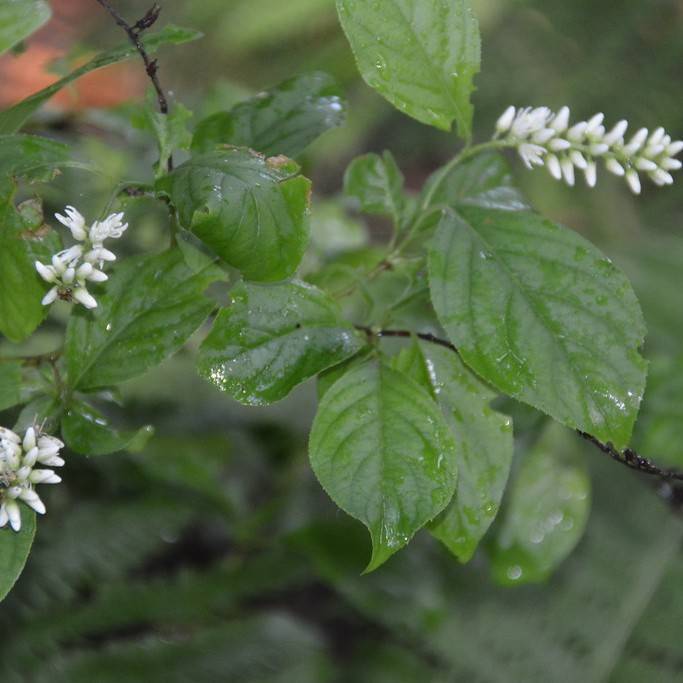
Japanese sweetspire is a dense, mounding deciduous shrub native to forested riparian areas of East Asia. It produces upright, arching racemes of tiny, creamy white, sweetly scented flowers in late spring to early summer, which attract pollinators including bees and butterflies. In autumn, its glossy, oval green foliage transitions to striking shades of scarlet, tangerine, and burgundy, often persisting for several weeks before dropping. It is highly adaptable to a range of growing conditions, making it a popular low-maintenance choice for temperate gardens.
Care Guide
Watering
Water regularly during the first growing season to establish a deep, extensive root system, keeping the soil consistently moist but not waterlogged. Once established, Japanese sweetspire is moderately drought tolerant, though it thrives with supplemental water during extended dry periods, especially when grown in full sun. Avoid allowing the root ball to dry out completely for prolonged stretches, as this can cause leaf scorch and reduced flowering.
Light
Grows best in partial shade, where it produces abundant blooms and maintains consistent foliage color throughout the growing season. It can tolerate full sun in cooler climates if provided with ample moisture, but may suffer from leaf burn in hot, dry, full-sun exposures in warmer regions. Too much deep shade will result in sparser flowering and less vivid fall foliage color.
Soil
Adaptable to a wide range of soil types, including clay, loam, and sandy soils, as long as drainage is adequate. It prefers slightly acidic, organically rich soils with a pH between 5.0 and 6.5, and is particularly tolerant of wet, poorly drained sites that would stress many other shrubs. Adding compost or well-rotted leaf mold at planting time will improve soil structure and support healthy root growth.
Fertilizer
Apply a balanced, slow-release shrub fertilizer in early spring before new growth emerges, following label rates to avoid over-fertilization which can lead to excessive foliage growth at the expense of flowers. An optional top dressing of compost or aged manure in late fall will provide slow-release nutrients and improve soil moisture retention. No additional fertilization is needed during the active growing season for established plants.
Temperature
Thrives in USDA hardiness zones 5 to 9, tolerating winter lows down to -20°F (-29°C) once established. Young plants may benefit from a layer of mulch around the root zone in late fall to protect against extreme cold temperature fluctuations in the first 2-3 years after planting. It tolerates high summer humidity and heat well, as long as it is provided with sufficient moisture.
Pruning
Prune immediately after flowering finishes in early summer, as Japanese sweetspire blooms on old wood from the previous year’s growth. Remove any dead, damaged, or crossing branches to improve air circulation, and trim back up to one-third of older stems to encourage vigorous new growth and maintain a compact, mounding shape. Avoid heavy pruning in late fall, winter, or early spring, as this will remove flower buds and reduce bloom for the coming season.
Propagation
Easily propagated from softwood cuttings taken in early summer, when new growth is still green and flexible. Dip cut ends in rooting hormone, place in a moist, well-draining potting mix, and keep under high humidity with indirect light until roots develop, usually within 4-6 weeks. It can also be propagated by dividing established clumps in late fall or early spring, when the plant is dormant.
Humidity
Adaptable to a wide range of humidity levels, thriving in the moderate to high humidity common to its native East Asian forest habitats. It tolerates average household humidity well when grown as a container plant, though it may benefit from occasional misting during extremely dry, hot weather. Excessively low humidity can cause leaf tip browning, especially for young potted specimens.
Repotting
If grown in a container, repot every 2-3 years in early spring before new growth begins, using a slightly larger pot with drainage holes and a rich, acidic potting mix amended with peat moss or pine bark. Gently loosen bound roots before repotting to encourage outward growth, and water thoroughly after transplanting to settle the soil. Mature shrubs grown in the ground do not require transplanting once established, as they develop a deep, extensive root system.
Uses & Symbolism
Japanese sweetspire is widely used as a landscape shrub for foundation plantings, rain gardens, stream bank stabilization, and shaded border edges, where its compact mounding habit and seasonal interest provide year-round appeal. Its fragrant spring blooms support native pollinators, and its dense foliage provides shelter for small birds and beneficial insects. It is also occasionally grown in large containers for patios or shaded outdoor spaces, where its fall color can be enjoyed up close.
Diseases & Pests
Japanese sweetspire is largely pest and disease resistant, with no major common issues affecting healthy plants. It may occasionally develop leaf spot or powdery mildew in conditions of poor air circulation or prolonged wet foliage, which can be prevented by spacing plants appropriately and avoiding overhead watering. Rare infestations of aphids or scale insects can be treated with insecticidal soap or horticultural oil, applied according to label instructions.
Related plants
Other plants you might like if you grow Japanese Sweetspire.